Library
Browse and search books
18 novels found
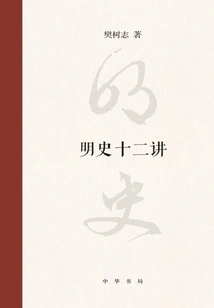
明史十二讲
Fan Shuzhi
By what means did Ming Taizu Zhu Yuanzhang achieve unprecedented centralization of power? How did King Yan Zhu Di drive his nephew off the throne? Japanese pirates, Baiyin, and Western learning, what kind of big changes did the late Ming Dynasty face? Was the Wanli New Deal implemented by Zhang Juzheng successful? There was a Korean War more than 400 years ago. How did it end? To settle the internal affairs first or to fight external affairs first, how can the Ming Dynasty's choice serve as a reference for future generations? Will the participation of literati in politics inevitably lead to tragedy? ... Professor Fan Shuzhi, an authority on the history of the Ming Dynasty and Professor of Fudan University, closely follows the twelve major links of the historical development of the Ming Dynasty, tells the ins and outs, restores the historical scene, and paints a panoramic view of the Ming Dynasty for us.
By what means did Ming Taizu Zhu Yuanzhang achieve unprecedented centralization of power? How did King Yan Zhu Di drive his nephew off the throne? Japanese pirates, Baiyin, and Western learning, what kind of big changes did the late Ming Dynasty face? Was the Wanli New Deal implemented by Zhang Juzheng successful? There was a Korean War more than 400 years ago. How did it end? To settle the internal affairs first or to fight external affairs first, how can the Ming Dynasty's choice serve as a reference for future generations? Will the participation of literati in politics inevitably lead to tragedy? ... Professor Fan Shuzhi, an authority on the history of the Ming Dynasty and Professor of Fudan University, closely follows the twelve major links of the historical development of the Ming Dynasty, tells the ins and outs, restores the historical scene, and paints a panoramic view of the Ming Dynasty for us.
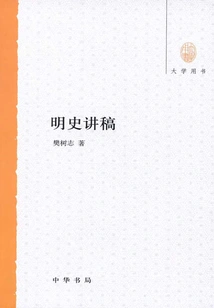
明史讲稿(大学用书)
Fan Shuzhi
This book is compiled from Professor Fan Shuzhi's lecture notes on the history of the Ming Dynasty over the past several decades. The lecture notes start with basic knowledge, not only introducing the most authoritative viewpoints in this field, but also introducing the author's own opinions. The manuscript is written fluently and explained thoroughly. The specific periods of the early and late Ming dynasties, topics such as party cases, maritime bans, and economic development, as well as the description and analysis of everyone from the emperor to the ministers and even the common people of the dynasty are quite in place. Some of the views have become authoritative views in the academic world.
This book is compiled from Professor Fan Shuzhi's lecture notes on the history of the Ming Dynasty over the past several decades. The lecture notes start with basic knowledge, not only introducing the most authoritative viewpoints in this field, but also introducing the author's own opinions. The manuscript is written fluently and explained thoroughly. The specific periods of the early and late Ming dynasties, topics such as party cases, maritime bans, and economic development, as well as the description and analysis of everyone from the emperor to the ministers and even the common people of the dynasty are quite in place. Some of the views have become authoritative views in the academic world.
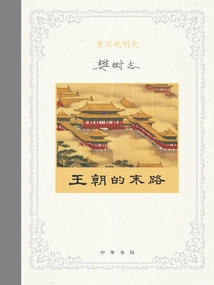
重写晚明史5:王朝的末路
Fan Shuzhi
Professor Fan Shuzhi, a famous scholar of Ming history, uses five volumes of more than two million words of pictures and texts, using a broad vision of global history and vivid details to vividly depict the ups and downs of the late Ming Dynasty. This set of books, with two-color layout of pictures and text, is the first time that the complete version of "Rewriting the History of the Late Ming Dynasty" has been introduced to readers. Mr. Fan Shuzhi starts from the change of cabinet in the mid-Jiajing period, and ends with the regretful remnants of Wumei Village in the early Qing Dynasty who "endured life and death for more than twenty years." Using detailed historical materials and the profound insights of historians, he narrates this heart-stirring history of the late Ming Dynasty to readers.
Professor Fan Shuzhi, a famous scholar of Ming history, uses five volumes of more than two million words of pictures and texts, using a broad vision of global history and vivid details to vividly depict the ups and downs of the late Ming Dynasty. This set of books, with two-color layout of pictures and text, is the first time that the complete version of "Rewriting the History of the Late Ming Dynasty" has been introduced to readers. Mr. Fan Shuzhi starts from the change of cabinet in the mid-Jiajing period, and ends with the regretful remnants of Wumei Village in the early Qing Dynasty who "endured life and death for more than twenty years." Using detailed historical materials and the profound insights of historians, he narrates this heart-stirring history of the late Ming Dynasty to readers.
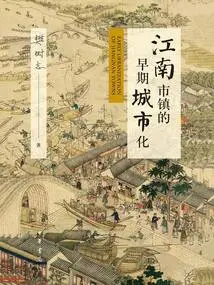
江南市镇的早期城市化
Fan Shuzhi
This book conducts a comprehensive study and discussion of more than 40 typical towns in the five prefectures of Suzhou, Songjiang, Hangzhou, Jiaxing, and Huzhou in the Yangtze River Delta from the Ming and Qing dynasties to the Republic of China, the most economically active area in Jiangnan, and outlines the evolutionary trajectory of their gradual urbanization.
This book conducts a comprehensive study and discussion of more than 40 typical towns in the five prefectures of Suzhou, Songjiang, Hangzhou, Jiaxing, and Huzhou in the Yangtze River Delta from the Ming and Qing dynasties to the Republic of China, the most economically active area in Jiangnan, and outlines the evolutionary trajectory of their gradual urbanization.
重写晚明史4:内忧与外患
Fan Shuzhi
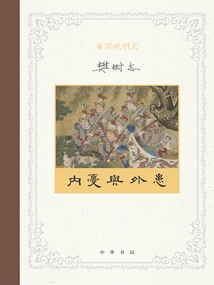
Professor Fan Shuzhi, a famous scholar of Ming history, uses five volumes of more than two million words of pictures and texts, using a broad vision of global history and vivid details to vividly depict the ups and downs of the late Ming Dynasty. This set of books, with two-color layout of pictures and text, is the first time that the complete version of "Rewriting the History of the Late Ming Dynasty" has been introduced to readers. Mr. Fan Shuzhi starts from the change of cabinet in the mid-Jiajing period, and ends with the regretful remnants of Wumei Village in the early Qing Dynasty who "endured life and death for more than twenty years." Using detailed historical materials and the profound insights of historians, he narrates this heart-stirring history of the late Ming Dynasty to readers.
Professor Fan Shuzhi, a famous scholar of Ming history, uses five volumes of more than two million words of pictures and texts, using a broad vision of global history and vivid details to vividly depict the ups and downs of the late Ming Dynasty. This set of books, with two-color layout of pictures and text, is the first time that the complete version of "Rewriting the History of the Late Ming Dynasty" has been introduced to readers. Mr. Fan Shuzhi starts from the change of cabinet in the mid-Jiajing period, and ends with the regretful remnants of Wumei Village in the early Qing Dynasty who "endured life and death for more than twenty years." Using detailed historical materials and the profound insights of historians, he narrates this heart-stirring history of the late Ming Dynasty to readers.
张居正与万历皇帝
Fan Shuzhi
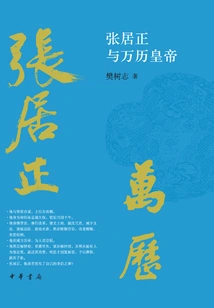
Zhang Juzheng is a famous historical and cultural celebrity. The reforms he led during the Wanli period of the Ming Dynasty were vigorous and drastic, reversing the decadent political situation that continued to decline in one fell swoop. His outstanding achievements are remembered in the annals of history. This is usually what people know about him. After his death, the emperor turned against him and disowned him, saying that he was "authoritarian and disruptive of the government" and "disloyal to the country", and even wanted to "cut into his coffin and kill his corpse". Bureaucrats with particularly keen political sense echoed the sentiment and took the opportunity to add insult to injury. A generation of famous ministers who dedicated their lives to the Ming Dynasty fell from the towering clouds and became criminals of the country. Why is this? What's the mystery behind it? Mr. Fan Shuzhi, a great historian of the Ming Dynasty, will lead you to explore the answers to your questions.
Zhang Juzheng is a famous historical and cultural celebrity. The reforms he led during the Wanli period of the Ming Dynasty were vigorous and drastic, reversing the decadent political situation that continued to decline in one fell swoop. His outstanding achievements are remembered in the annals of history. This is usually what people know about him. After his death, the emperor turned against him and disowned him, saying that he was "authoritarian and disruptive of the government" and "disloyal to the country", and even wanted to "cut into his coffin and kill his corpse". Bureaucrats with particularly keen political sense echoed the sentiment and took the opportunity to add insult to injury. A generation of famous ministers who dedicated their lives to the Ming Dynasty fell from the towering clouds and became criminals of the country. Why is this? What's the mystery behind it? Mr. Fan Shuzhi, a great historian of the Ming Dynasty, will lead you to explore the answers to your questions.
图文中国史
Fan Shuzhi
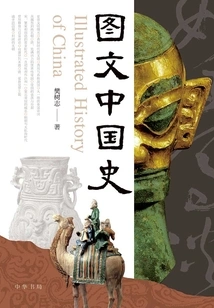
In order to meet the needs of readers for concise and popular historical readings, Professor Fan Shuzhi has carefully polished and presented a history book suitable for easy reading and increasing knowledge in the form of pictures and text, based on his lifelong research and two best-selling general history books - "A Summary of National History" and "Sixteen Lectures on National History". Under the structure of the dynasty system, this book selects a number of topics to focus on in each period, trying to express the most content with the least words, and strives to explain the profound things in simple terms. This book is indeed concise but not superficial, and professional but not boring. The pictures and words in the book are equally important, complementing each other and complementing each other. Professor Fan Shuzhi said: History gives people the insight into everything and the wisdom beyond time and space to examine the past, present and future without being confused by the small space in front of them. Don't forget that Kunming Pond is shallow and better for watching fish than Fuchun River.
In order to meet the needs of readers for concise and popular historical readings, Professor Fan Shuzhi has carefully polished and presented a history book suitable for easy reading and increasing knowledge in the form of pictures and text, based on his lifelong research and two best-selling general history books - "A Summary of National History" and "Sixteen Lectures on National History". Under the structure of the dynasty system, this book selects a number of topics to focus on in each period, trying to express the most content with the least words, and strives to explain the profound things in simple terms. This book is indeed concise but not superficial, and professional but not boring. The pictures and words in the book are equally important, complementing each other and complementing each other. Professor Fan Shuzhi said: History gives people the insight into everything and the wisdom beyond time and space to examine the past, present and future without being confused by the small space in front of them. Don't forget that Kunming Pond is shallow and better for watching fish than Fuchun River.
重写晚明史1:晚明大变局
Fan Shuzhi
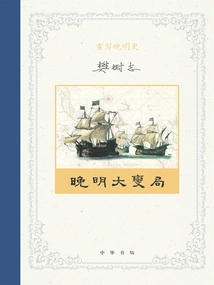
Professor Fan Shuzhi, a famous scholar of Ming history, uses five volumes of more than two million words of pictures and texts, using a broad vision of global history and vivid details to vividly depict the ups and downs of the late Ming Dynasty. This set of books, with two-color layout of pictures and text, is the first time that the complete version of "Rewriting the History of the Late Ming Dynasty" has been introduced to readers. Mr. Fan Shuzhi starts from the change of cabinet in the mid-Jiajing period, and ends with the regretful remnants of Wumei Village in the early Qing Dynasty who "endured life and death for more than twenty years." Using detailed historical materials and the profound insights of historians, he narrates this heart-stirring history of the late Ming Dynasty to readers.
Professor Fan Shuzhi, a famous scholar of Ming history, uses five volumes of more than two million words of pictures and texts, using a broad vision of global history and vivid details to vividly depict the ups and downs of the late Ming Dynasty. This set of books, with two-color layout of pictures and text, is the first time that the complete version of "Rewriting the History of the Late Ming Dynasty" has been introduced to readers. Mr. Fan Shuzhi starts from the change of cabinet in the mid-Jiajing period, and ends with the regretful remnants of Wumei Village in the early Qing Dynasty who "endured life and death for more than twenty years." Using detailed historical materials and the profound insights of historians, he narrates this heart-stirring history of the late Ming Dynasty to readers.
重写晚明史2:新政与盛世
Fan Shuzhi
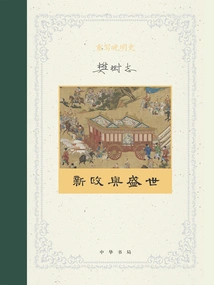
Professor Fan Shuzhi, a famous scholar of Ming history, uses five volumes of more than two million words of pictures and texts, using a broad vision of global history and vivid details to vividly depict the ups and downs of the late Ming Dynasty. This set of books, with two-color layout of pictures and text, is the first time that the complete version of "Rewriting the History of the Late Ming Dynasty" has been introduced to readers. Mr. Fan Shuzhi starts from the change of cabinet in the mid-Jiajing period, and ends with the regretful remnants of Wumei Village in the early Qing Dynasty who "endured life and death for more than twenty years." Using detailed historical materials and the profound insights of historians, he narrates this heart-stirring history of the late Ming Dynasty to readers.
Professor Fan Shuzhi, a famous scholar of Ming history, uses five volumes of more than two million words of pictures and texts, using a broad vision of global history and vivid details to vividly depict the ups and downs of the late Ming Dynasty. This set of books, with two-color layout of pictures and text, is the first time that the complete version of "Rewriting the History of the Late Ming Dynasty" has been introduced to readers. Mr. Fan Shuzhi starts from the change of cabinet in the mid-Jiajing period, and ends with the regretful remnants of Wumei Village in the early Qing Dynasty who "endured life and death for more than twenty years." Using detailed historical materials and the profound insights of historians, he narrates this heart-stirring history of the late Ming Dynasty to readers.
重写晚明史:王朝的末路
Fan Shuzhi
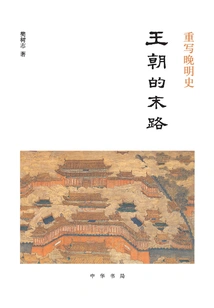
"Rewriting the History of the Late Ming Dynasty: The End of the Dynasty" is one of Mr. Fan Shuzhi's "Rewriting the History of the Late Ming Dynasty" series. It tells the historical fact that although Emperor Chongzhen was not the "King of the Subjugated Country", he inevitably encountered the historical fact of the subjugation of the country. In the past few decades, the Ming Dynasty has been swallowed up in the smoke and dust of history. Is it due to internal worries, external troubles, rift between the ruler and his ministers, or a loss of people's hearts? When Emperor Chongzhen was short of military and financial resources, he was faced with the dilemma of fighting against the outside world and maintaining peace within the country. Wen Tiren, a remnant of the eunuch party, served as the chief minister of the cabinet for eight years. He pretended to be "non-party" in order to attack and frame others, which caused a loss of trust between Emperor Chongzhen and his ministers and caused irreparable damage to the order of the court. There is no choice but to let the flowers fall away, and the merits and demerits of right and wrong will remain in the history of the world. This book is divided into three chapters: Chapter 1: "The Dilemma of Resistance to Foreigners and Peace at Home", Chapter 2: "The Flowers Fell Helplessly: The Fall of the Ming Dynasty", Chapter 3: "Who is in Charge of the Ups and Downs of Dynasties?"
"Rewriting the History of the Late Ming Dynasty: The End of the Dynasty" is one of Mr. Fan Shuzhi's "Rewriting the History of the Late Ming Dynasty" series. It tells the historical fact that although Emperor Chongzhen was not the "King of the Subjugated Country", he inevitably encountered the historical fact of the subjugation of the country. In the past few decades, the Ming Dynasty has been swallowed up in the smoke and dust of history. Is it due to internal worries, external troubles, rift between the ruler and his ministers, or a loss of people's hearts? When Emperor Chongzhen was short of military and financial resources, he was faced with the dilemma of fighting against the outside world and maintaining peace within the country. Wen Tiren, a remnant of the eunuch party, served as the chief minister of the cabinet for eight years. He pretended to be "non-party" in order to attack and frame others, which caused a loss of trust between Emperor Chongzhen and his ministers and caused irreparable damage to the order of the court. There is no choice but to let the flowers fall away, and the merits and demerits of right and wrong will remain in the history of the world. This book is divided into three chapters: Chapter 1: "The Dilemma of Resistance to Foreigners and Peace at Home", Chapter 2: "The Flowers Fell Helplessly: The Fall of the Ming Dynasty", Chapter 3: "Who is in Charge of the Ups and Downs of Dynasties?"
重写晚明史:内忧与外患
Fan Shuzhi
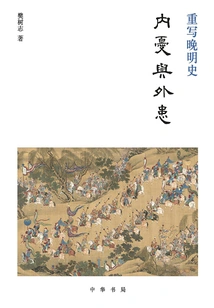
This book is one of Mr. Fan Shuzhi's new works - "Rewriting the History of the Late Ming" - a series in which he explains the history of the late Ming Dynasty in detail from the perspective of global history. Internal and external troubles were a life-and-death problem faced by the late Ming Dynasty. In this dilemma, the court's eagerness to seek treatment was met with mutual strife among ministers. The border fell, the Central Plains collapsed, and the Ming Dynasty was exhausted by the constant party disputes and strife among the courtiers.
This book is one of Mr. Fan Shuzhi's new works - "Rewriting the History of the Late Ming" - a series in which he explains the history of the late Ming Dynasty in detail from the perspective of global history. Internal and external troubles were a life-and-death problem faced by the late Ming Dynasty. In this dilemma, the court's eagerness to seek treatment was met with mutual strife among ministers. The border fell, the Central Plains collapsed, and the Ming Dynasty was exhausted by the constant party disputes and strife among the courtiers.
重写晚明史:晚明大变局
Fan Shuzhi
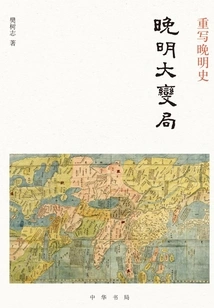
This book is the final work of the "Rewriting the History of the Late Ming Dynasty" series by Mr. Fan Shuzhi, an expert on Ming history at Fudan University. It is also a comprehensive overview of the history of the late Ming Dynasty that Mr. Fan Shuzhi has made possible through more than sixty years of research. This book is divided into six chapters. It studies and discusses the Ming Dynasty's foreign system, global trade, and the Ming Dynasty's economy, society, ideology and culture from a broad global historical perspective. It provides new insights into the changes and development of China's history. The great changes in the late Ming Dynasty are a crucial link in the development of Chinese history. It is the ideological and cultural potential source of the subversive changes in Chinese society after the late Qing Dynasty. There are five types of "Rewriting the History of the Late Ming Dynasty" series: "The New Deal and the Prosperity", "The Imperial Court and Party Struggles", "Internal Troubles and Foreign Troubles", "The End of the Dynasty" and "The Great Changes in the Late Ming Dynasty".
This book is the final work of the "Rewriting the History of the Late Ming Dynasty" series by Mr. Fan Shuzhi, an expert on Ming history at Fudan University. It is also a comprehensive overview of the history of the late Ming Dynasty that Mr. Fan Shuzhi has made possible through more than sixty years of research. This book is divided into six chapters. It studies and discusses the Ming Dynasty's foreign system, global trade, and the Ming Dynasty's economy, society, ideology and culture from a broad global historical perspective. It provides new insights into the changes and development of China's history. The great changes in the late Ming Dynasty are a crucial link in the development of Chinese history. It is the ideological and cultural potential source of the subversive changes in Chinese society after the late Qing Dynasty. There are five types of "Rewriting the History of the Late Ming Dynasty" series: "The New Deal and the Prosperity", "The Imperial Court and Party Struggles", "Internal Troubles and Foreign Troubles", "The End of the Dynasty" and "The Great Changes in the Late Ming Dynasty".
重写晚明史(套装全五册)
Fan Shuzhi
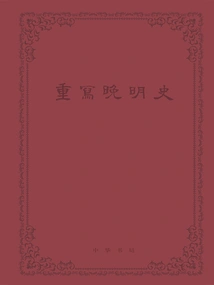
Professor Fan Shuzhi, a famous scholar of Ming history, uses five volumes of more than two million words of pictures and texts, using a broad vision of global history and vivid details to vividly depict the ups and downs of the late Ming Dynasty. This set of books, with two-color layout of pictures and text, is the first time that the complete version of "Rewriting the History of the Late Ming Dynasty" has been introduced to readers. Mr. Fan Shuzhi starts from the change of cabinet in the mid-Jiajing period, and ends with the regretful remnants of Wumei Village in the early Qing Dynasty who "endured life and death for more than twenty years." Using detailed historical materials and the profound insights of historians, he narrates this heart-stirring history of the late Ming Dynasty to readers.
Professor Fan Shuzhi, a famous scholar of Ming history, uses five volumes of more than two million words of pictures and texts, using a broad vision of global history and vivid details to vividly depict the ups and downs of the late Ming Dynasty. This set of books, with two-color layout of pictures and text, is the first time that the complete version of "Rewriting the History of the Late Ming Dynasty" has been introduced to readers. Mr. Fan Shuzhi starts from the change of cabinet in the mid-Jiajing period, and ends with the regretful remnants of Wumei Village in the early Qing Dynasty who "endured life and death for more than twenty years." Using detailed historical materials and the profound insights of historians, he narrates this heart-stirring history of the late Ming Dynasty to readers.
重写晚明史·朝廷与党争
Fan Shuzhi
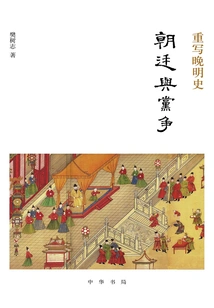
This book is one of Mr. Fan Shuzhi's new works - "Rewriting the History of the Late Ming" - a series in which he explains the history of the late Ming Dynasty in detail from the perspective of global history. The author focuses on the late Ming Dynasty from a global perspective, blending historical knowledge and new historical knowledge in his writing. This book depicts a long historical scroll from the struggle between the emperor and ministers to establish the crown prince during the Wanli period to the struggle between the eunuch party and the Donglin party during the Tianqi period. Through many detailed dialogues and scene restorations, the complex inner world of Emperor Wanli is three-dimensionally presented, as well as the ideological struggle of the Donglin scholars between the traditional Confucian moral beliefs of governing the country and the world, and the real world where eunuchs are rampant and reverse right and wrong. This book is divided into six chapters: Chapter 1 ""Struggle for the foundation of the country": the dispute surrounding the appointment of the crown prince", Chapter 2 "The inner court full of doubts", Chapter 3 "The emperor who is diligent in amassing money and lazy in his dynasty", Chapter 4 "Analysis of the actual situation of Donglin Academy - Questioning of the "Donglin Party"", Chapter 5 "From Taichang to Apocalypse", Chapter 6 "The Era of Abnormal Eunuch Dictatorship".
This book is one of Mr. Fan Shuzhi's new works - "Rewriting the History of the Late Ming" - a series in which he explains the history of the late Ming Dynasty in detail from the perspective of global history. The author focuses on the late Ming Dynasty from a global perspective, blending historical knowledge and new historical knowledge in his writing. This book depicts a long historical scroll from the struggle between the emperor and ministers to establish the crown prince during the Wanli period to the struggle between the eunuch party and the Donglin party during the Tianqi period. Through many detailed dialogues and scene restorations, the complex inner world of Emperor Wanli is three-dimensionally presented, as well as the ideological struggle of the Donglin scholars between the traditional Confucian moral beliefs of governing the country and the world, and the real world where eunuchs are rampant and reverse right and wrong. This book is divided into six chapters: Chapter 1 ""Struggle for the foundation of the country": the dispute surrounding the appointment of the crown prince", Chapter 2 "The inner court full of doubts", Chapter 3 "The emperor who is diligent in amassing money and lazy in his dynasty", Chapter 4 "Analysis of the actual situation of Donglin Academy - Questioning of the "Donglin Party"", Chapter 5 "From Taichang to Apocalypse", Chapter 6 "The Era of Abnormal Eunuch Dictatorship".
重写晚明史·新政与盛世
Fan Shuzhi
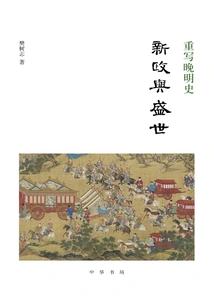
This book is one of Mr. Fan Shuzhi's new works - "Rewriting the History of the Late Ming" - a series in which he explains the history of the late Ming Dynasty in detail from the perspective of global history. The author focuses on the late Ming Dynasty from a global perspective, and combines historical knowledge, insights and new historical knowledge in his writing. This book starts from the change of cabinet during the Jiajing period, and describes the historical process of Zhang Juzheng standing out from the cabinet and taking the world as his own responsibility to implement the New Deal reforms. On the basis of reading various historical materials of the late Ming Dynasty, the author restored the daily details of the imperial court, such as the communication between ministers, the question and answer dialogue between the emperor and his cabinet ministers, the content and process of lectures given to the emperor, etc. Through these rare and life-like details, the author presents a vivid and warm history of the late Ming Dynasty in three dimensions. This book is divided into five chapters: Chapter 1 "The Political Situation and Cabinet in the Jiajing and Longqing Era", Chapter 2 "Zhang Juzheng and the Wanli New Deal", Chapter 3 "Emperor Zhu Yijun and Chief Assistant Zhang Juzheng", Chapter 4 "The Death of Zhang Juzheng and Zhu Yijun's Pro-Government", Chapter 5 "Martial Arts in the Prosperous Age: The Three Great Conquests of Wanli".
This book is one of Mr. Fan Shuzhi's new works - "Rewriting the History of the Late Ming" - a series in which he explains the history of the late Ming Dynasty in detail from the perspective of global history. The author focuses on the late Ming Dynasty from a global perspective, and combines historical knowledge, insights and new historical knowledge in his writing. This book starts from the change of cabinet during the Jiajing period, and describes the historical process of Zhang Juzheng standing out from the cabinet and taking the world as his own responsibility to implement the New Deal reforms. On the basis of reading various historical materials of the late Ming Dynasty, the author restored the daily details of the imperial court, such as the communication between ministers, the question and answer dialogue between the emperor and his cabinet ministers, the content and process of lectures given to the emperor, etc. Through these rare and life-like details, the author presents a vivid and warm history of the late Ming Dynasty in three dimensions. This book is divided into five chapters: Chapter 1 "The Political Situation and Cabinet in the Jiajing and Longqing Era", Chapter 2 "Zhang Juzheng and the Wanli New Deal", Chapter 3 "Emperor Zhu Yijun and Chief Assistant Zhang Juzheng", Chapter 4 "The Death of Zhang Juzheng and Zhu Yijun's Pro-Government", Chapter 5 "Martial Arts in the Prosperous Age: The Three Great Conquests of Wanli".
Things in This World Are Incomplete: Ah, the Late Ming Dynasty (fan Shuzhi's Series of Works)
History人世事,几完缺:啊,晚明(樊树志作品系列)
Fan Shuzhi
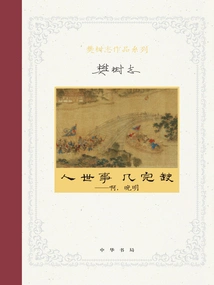
This book contains thirteen important articles on the history of the late Ming Dynasty written by the famous historian Professor Fan Shuzhi in the past ten years. It not only interprets the important historical events and social phenomena of the late Ming Dynasty, such as the Korean War during the Wanli period, the Prison of the Six Gentlemen, the Wei Zhongxian worship movement, and the literati marriage. Society, etc., And also analyzed the official career and mental journey of famous literati and officials in the late Ming Dynasty, such as Xu Jie, Zhang Juzheng, Wen Zhenmeng, Zheng Yan, Ni Yuanlu, Wu Yingji, Huang Daozhou, Liu Zongzhou, Wu Weiye, etc. These themes cover almost all important aspects of the late Ming Dynasty history. The book is equipped with more than 60 pictures, including portraits, calligraphy and painting works, classic books and shadows, archive materials and other historical relics, etc., In order to vividly restore historical scenes, with pictures and texts complementing each other. It is an excellent reading book for studying the history of the late Ming Dynasty and even the history of the Ming Dynasty. "Everything in the world is in short supply" is selected from "Congratulations to the Bridegroom: Feelings During the Illness" written by Wumeicun in the Qing Dynasty. It best represents the emotional state of mind of the elderly scholar Professor Fan who has been studying the history of the late Ming Dynasty for decades.
This book contains thirteen important articles on the history of the late Ming Dynasty written by the famous historian Professor Fan Shuzhi in the past ten years. It not only interprets the important historical events and social phenomena of the late Ming Dynasty, such as the Korean War during the Wanli period, the Prison of the Six Gentlemen, the Wei Zhongxian worship movement, and the literati marriage. Society, etc., And also analyzed the official career and mental journey of famous literati and officials in the late Ming Dynasty, such as Xu Jie, Zhang Juzheng, Wen Zhenmeng, Zheng Yan, Ni Yuanlu, Wu Yingji, Huang Daozhou, Liu Zongzhou, Wu Weiye, etc. These themes cover almost all important aspects of the late Ming Dynasty history. The book is equipped with more than 60 pictures, including portraits, calligraphy and painting works, classic books and shadows, archive materials and other historical relics, etc., In order to vividly restore historical scenes, with pictures and texts complementing each other. It is an excellent reading book for studying the history of the late Ming Dynasty and even the history of the Ming Dynasty. "Everything in the world is in short supply" is selected from "Congratulations to the Bridegroom: Feelings During the Illness" written by Wumeicun in the Qing Dynasty. It best represents the emotional state of mind of the elderly scholar Professor Fan who has been studying the history of the late Ming Dynasty for decades.
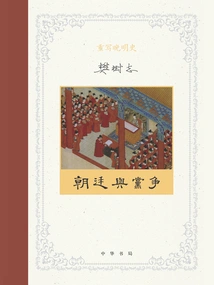
Rewriting the History of the Late Ming Dynasty 3: Struggle between the Imperial Court and the Party
History重写晚明史3:朝廷与党争
Fan Shuzhi
Professor Fan Shuzhi, a famous scholar of Ming history, uses five volumes of more than two million words of pictures and texts, using a broad vision of global history and vivid details to vividly depict the ups and downs of the late Ming Dynasty. This set of books, with two-color layout of pictures and text, is the first time that the complete version of "Rewriting the History of the Late Ming Dynasty" has been introduced to readers. Mr. Fan Shuzhi starts from the change of cabinet in the mid-Jiajing period, and ends with the regretful remnants of Wumei Village in the early Qing Dynasty who "endured life and death for more than twenty years." Using detailed historical materials and the profound insights of historians, he narrates this heart-stirring history of the late Ming Dynasty to readers.
Professor Fan Shuzhi, a famous scholar of Ming history, uses five volumes of more than two million words of pictures and texts, using a broad vision of global history and vivid details to vividly depict the ups and downs of the late Ming Dynasty. This set of books, with two-color layout of pictures and text, is the first time that the complete version of "Rewriting the History of the Late Ming Dynasty" has been introduced to readers. Mr. Fan Shuzhi starts from the change of cabinet in the mid-Jiajing period, and ends with the regretful remnants of Wumei Village in the early Qing Dynasty who "endured life and death for more than twenty years." Using detailed historical materials and the profound insights of historians, he narrates this heart-stirring history of the late Ming Dynasty to readers.
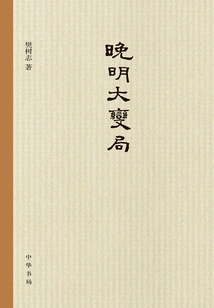
晚明大变局(精装)
Fan Shuzhi
This book is the culmination of Mr. Fan Shuzhi's more than 50 years of research on Ming history and thinking on Chinese history. It is another masterpiece of research on the history of the late Ming Dynasty after "History of the Late Ming". While further advancing the study of the history of the late Ming Dynasty, this book provides new insights into the changes and development of China's history - the great changes in the late Ming Dynasty are a crucial link in the development of Chinese history. It is the ideological and cultural potential source of the subversive changes in Chinese society after the late Qing Dynasty. Combining a broad academic vision with meticulous textual research, in this book, Mr. Fan clarifies many people's misunderstandings and restores the historical truth on issues such as "Japanese pirates", Western learning, Donglin and Fushe. At the same time, Mr. Fan Shuzhi pointed out from a high position that the scholar-bureaucrats in the late Ming Dynasty, represented by Xu Guangqi, were the first Chinese people in China to look at the world. He restored the key role of Qu Rukui in the process of the spread of Western learning to the east. This broke the academic circle's traditional theory of citing Western scholars who believed that the success of Catholic missionary work in Ming Dynasty was only attributed to the "three pillars" and ignored Qu Rukui, and promoted the study of late Ming history to a higher level.
This book is the culmination of Mr. Fan Shuzhi's more than 50 years of research on Ming history and thinking on Chinese history. It is another masterpiece of research on the history of the late Ming Dynasty after "History of the Late Ming". While further advancing the study of the history of the late Ming Dynasty, this book provides new insights into the changes and development of China's history - the great changes in the late Ming Dynasty are a crucial link in the development of Chinese history. It is the ideological and cultural potential source of the subversive changes in Chinese society after the late Qing Dynasty. Combining a broad academic vision with meticulous textual research, in this book, Mr. Fan clarifies many people's misunderstandings and restores the historical truth on issues such as "Japanese pirates", Western learning, Donglin and Fushe. At the same time, Mr. Fan Shuzhi pointed out from a high position that the scholar-bureaucrats in the late Ming Dynasty, represented by Xu Guangqi, were the first Chinese people in China to look at the world. He restored the key role of Qu Rukui in the process of the spread of Western learning to the east. This broke the academic circle's traditional theory of citing Western scholars who believed that the success of Catholic missionary work in Ming Dynasty was only attributed to the "three pillars" and ignored Qu Rukui, and promoted the study of late Ming history to a higher level.