Library
Browse and search books
1 novel found
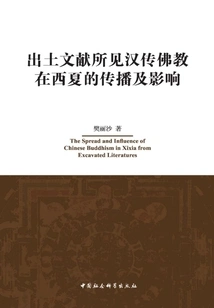
出土文献所见汉传佛教在西夏的传播及影响
Fan Lisa
Han Buddhism had a profound influence on the development and prosperity of Xixia Buddhism. Xixia obtained the Tripitaka from the Song Dynasty six times and translated it into a foreign version. Buddhist sects such as Zen, Pure Land, Huayan, and Tiantai, which were formed during the Sui and Tang Dynasties, coexisted in Xixia. These sects are unique to Indian Buddhism and are an important symbol of the completion of the Sinicization process of Buddhism. In addition, the Guanyin belief, Maitreya belief, Yezang belief and Confucian filial piety thought formed in the Central Plains are also very popular. Xixia Buddhist culture incorporates many elements of Chinese culture. Buddhist believers are proficient in Chinese, and common terms used in Buddhist classics from the Central Plains have also been widely absorbed. Traditional historical and archaeological data show that early Xixia Buddhism, like Uighur Buddhism, was a copy of Han Buddhism in the Xixia region, and was an example of Han culture influencing Xixia national culture. Despite the long-term hostility between the Central Plains Dynasty and the Xixia regime, the war did not sever the cultural ties between the various ethnic groups.
Han Buddhism had a profound influence on the development and prosperity of Xixia Buddhism. Xixia obtained the Tripitaka from the Song Dynasty six times and translated it into a foreign version. Buddhist sects such as Zen, Pure Land, Huayan, and Tiantai, which were formed during the Sui and Tang Dynasties, coexisted in Xixia. These sects are unique to Indian Buddhism and are an important symbol of the completion of the Sinicization process of Buddhism. In addition, the Guanyin belief, Maitreya belief, Yezang belief and Confucian filial piety thought formed in the Central Plains are also very popular. Xixia Buddhist culture incorporates many elements of Chinese culture. Buddhist believers are proficient in Chinese, and common terms used in Buddhist classics from the Central Plains have also been widely absorbed. Traditional historical and archaeological data show that early Xixia Buddhism, like Uighur Buddhism, was a copy of Han Buddhism in the Xixia region, and was an example of Han culture influencing Xixia national culture. Despite the long-term hostility between the Central Plains Dynasty and the Xixia regime, the war did not sever the cultural ties between the various ethnic groups.