Library
Browse and search books
3 novels found
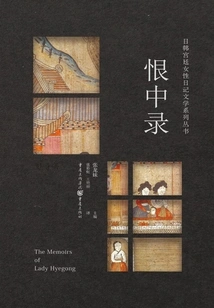
恨中录(日韩宫廷女性日记文学系列丛书)
Editor-in-chief Zhang Longmei
These three works, including "The Diary of Guichou", "The Biography of Queen Inhyun" and "The Record of Hate", are the three masterpieces of Korean court women's literature and are called the Trilogy of Joseon Court Novels. "Guichou Diary" records the claustrophobic events in the West Palace of Gwanghaejun and Queen Inmok, Seonjo's step-concubine. The book "The Biography of Queen Inhyun" is based on the life of Queen Inhyun, the princess of King Sukjong of Joseon. It mainly tells and praises the life and virtues of Queen Inhyun. It also uses the story of Queen Inhyun and Jang Heibin to reveal the cruelty of the struggle inside and outside the Joseon court and the tragic experience of women. "The Biography of Queen Inhyun" is a very characteristic palace novel of the ancient Joseon Dynasty. It has delicate and vivid writing style, compact and orderly plot and fascinating story. It is a classic work of Korean classical novels. "Records of Hate" consists of four articles, which use a large number of court terms and the writing style is exquisite and smooth. These three works are all masterpieces of ancient Korean court literature and are of great value to the study of ancient Korean literature.
These three works, including "The Diary of Guichou", "The Biography of Queen Inhyun" and "The Record of Hate", are the three masterpieces of Korean court women's literature and are called the Trilogy of Joseon Court Novels. "Guichou Diary" records the claustrophobic events in the West Palace of Gwanghaejun and Queen Inmok, Seonjo's step-concubine. The book "The Biography of Queen Inhyun" is based on the life of Queen Inhyun, the princess of King Sukjong of Joseon. It mainly tells and praises the life and virtues of Queen Inhyun. It also uses the story of Queen Inhyun and Jang Heibin to reveal the cruelty of the struggle inside and outside the Joseon court and the tragic experience of women. "The Biography of Queen Inhyun" is a very characteristic palace novel of the ancient Joseon Dynasty. It has delicate and vivid writing style, compact and orderly plot and fascinating story. It is a classic work of Korean classical novels. "Records of Hate" consists of four articles, which use a large number of court terms and the writing style is exquisite and smooth. These three works are all masterpieces of ancient Korean court literature and are of great value to the study of ancient Korean literature.
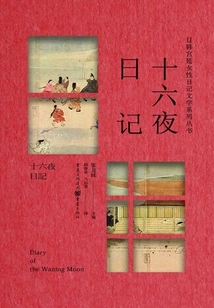
十六夜日记(日韩宫廷女性日记文学系列丛书)
Editor-in-chief Zhang Longmei
"The Diary of Izayoi" includes "Between a Dream", "The Diary of Izayoi" and "The Diary of Zhu Xiang", which are classics of medieval palace women's diary literature. The four works selected in this book were created during the one hundred years from the middle of the thirteenth century to the middle of the fourteenth century, which is equivalent to the middle and late Kamakura period to the early Northern and Southern Dynasties. The samurai family's encroachment on political power and the division of the country caused by the division of the royal family (the two successive regimes in Japan's Southern and Northern Dynasties era) have all turned the elegant and aloof aristocratic life of the Heian period into a dream. The authors of the diary lived in the setting sun era of aristocratic society. Therefore, on the one hand, the works maintain the tradition of aristocratic literature, and on the other hand, they inevitably bear the mark of the new era. Although the romance between men and women, the love between parents and children and court life are still important themes in medieval diaries, they also present a completely different spiritual outlook from the works of the previous era. They are always unwilling to accept their fate, bravely use their own actions to break difficulties, and actively look for ways to solve life's problems. This is very different from the protagonists of Heian Diary who are trapped in the concept of fate, passively accept the unsatisfactory life, and are unable to take steps to change. Medieval diarists expressed their unique understanding of the meaning of life by describing their lives in action.
"The Diary of Izayoi" includes "Between a Dream", "The Diary of Izayoi" and "The Diary of Zhu Xiang", which are classics of medieval palace women's diary literature. The four works selected in this book were created during the one hundred years from the middle of the thirteenth century to the middle of the fourteenth century, which is equivalent to the middle and late Kamakura period to the early Northern and Southern Dynasties. The samurai family's encroachment on political power and the division of the country caused by the division of the royal family (the two successive regimes in Japan's Southern and Northern Dynasties era) have all turned the elegant and aloof aristocratic life of the Heian period into a dream. The authors of the diary lived in the setting sun era of aristocratic society. Therefore, on the one hand, the works maintain the tradition of aristocratic literature, and on the other hand, they inevitably bear the mark of the new era. Although the romance between men and women, the love between parents and children and court life are still important themes in medieval diaries, they also present a completely different spiritual outlook from the works of the previous era. They are always unwilling to accept their fate, bravely use their own actions to break difficulties, and actively look for ways to solve life's problems. This is very different from the protagonists of Heian Diary who are trapped in the concept of fate, passively accept the unsatisfactory life, and are unable to take steps to change. Medieval diarists expressed their unique understanding of the meaning of life by describing their lives in action.
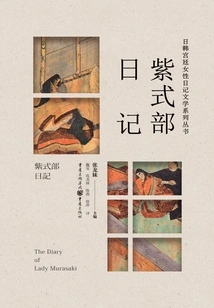
紫式部日记(日韩宫廷女性日记文学系列丛书)
Editor-in-chief Zhang Longmei
"The Diary of Murasaki Shikibu" includes the classic diary literary works of court women in the Heian period, "The Diary of the Dragonfly", "The Diary of Izumi Shikibu", "The Diary of Murasaki Shikibu", "The Diary of the Gensho" and "The Diary of Sanuki Noshima". The Heian Period in Japan was a period in which Japan gradually formed its own culture and aesthetic taste after inheriting the Asuka and Nara Period, which absorbed Chinese culture. It was also the last period in Japanese history that was ruled by court nobles. Most of the aristocratic women in this period had good literary accomplishments. The heart is rich and the brushwork is delicate. From their pens, the palace diary literature written in female characters (kana script) was born, which can be regarded as the origin of Japanese women's literature. Most of these literary works take palace life as the main theme. Some depict elegant court life, while others describe elegant or bitter love experiences with officials from the emperor down to the imperial court. A common feature of these works is the author's strong self-awareness, which is not bound by traditional norms. The author's thinking about his own situation and destiny can be seen everywhere in the words. The focus on individual life experience in the work, especially the profound thinking on the meaning of life and the delicate psychological description, is not inferior even when compared with contemporary novels. Its strong introspection, full reflection of the author's inner spirit, and literary descriptive description directly inspired the tradition of "private novels" in modern Japanese literature.
"The Diary of Murasaki Shikibu" includes the classic diary literary works of court women in the Heian period, "The Diary of the Dragonfly", "The Diary of Izumi Shikibu", "The Diary of Murasaki Shikibu", "The Diary of the Gensho" and "The Diary of Sanuki Noshima". The Heian Period in Japan was a period in which Japan gradually formed its own culture and aesthetic taste after inheriting the Asuka and Nara Period, which absorbed Chinese culture. It was also the last period in Japanese history that was ruled by court nobles. Most of the aristocratic women in this period had good literary accomplishments. The heart is rich and the brushwork is delicate. From their pens, the palace diary literature written in female characters (kana script) was born, which can be regarded as the origin of Japanese women's literature. Most of these literary works take palace life as the main theme. Some depict elegant court life, while others describe elegant or bitter love experiences with officials from the emperor down to the imperial court. A common feature of these works is the author's strong self-awareness, which is not bound by traditional norms. The author's thinking about his own situation and destiny can be seen everywhere in the words. The focus on individual life experience in the work, especially the profound thinking on the meaning of life and the delicate psychological description, is not inferior even when compared with contemporary novels. Its strong introspection, full reflection of the author's inner spirit, and literary descriptive description directly inspired the tradition of "private novels" in modern Japanese literature.