Library
Browse and search books
28 novels found
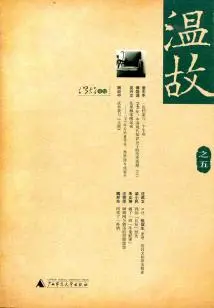
Reviewing the Past (part 5)
History温故(之五)
Editor-in-chief Liu Ruilin
Human beings have always lived in the shadow of history. This projection is neither a gift from God nor the work of God, but comes from the important feature that distinguishes humans from animals-memory. The projection of history is both far and near, as far away as the vague footsteps of primitive ancestors heading toward civilization, and as far away as what happened just yesterday. The flow of time, day and night, not only takes away everything that has happened, but also everything that is happening and is about to happen, and merges everything into the projection of history. The first person to realize the value of this projection was none other than our sage teacher Confucius. His old saying, "Review the past and learn the new", although it is as simple as words, is like enlightenment. History is not only the destination of human activities, but also the source of wisdom for the future. When it comes to the relationship between history and reality, the British writer Orwell's expression is more straightforward. He said: Whoever controls history controls the present.
Human beings have always lived in the shadow of history. This projection is neither a gift from God nor the work of God, but comes from the important feature that distinguishes humans from animals-memory. The projection of history is both far and near, as far away as the vague footsteps of primitive ancestors heading toward civilization, and as far away as what happened just yesterday. The flow of time, day and night, not only takes away everything that has happened, but also everything that is happening and is about to happen, and merges everything into the projection of history. The first person to realize the value of this projection was none other than our sage teacher Confucius. His old saying, "Review the past and learn the new", although it is as simple as words, is like enlightenment. History is not only the destination of human activities, but also the source of wisdom for the future. When it comes to the relationship between history and reality, the British writer Orwell's expression is more straightforward. He said: Whoever controls history controls the present.
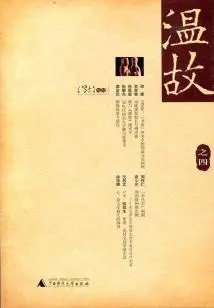
Reviewing the Past (part 4)
History温故(之四)
Editor-in-chief Liu Ruilin
Human beings have always lived in the shadow of history. This projection is neither a gift from God nor the work of God, but comes from the important feature that distinguishes humans from animals-memory. The projection of history is both far and near, as far away as the vague footsteps of primitive ancestors heading toward civilization, and as far away as what happened just yesterday. The flow of time, day and night, not only takes away everything that has happened, but also everything that is happening and is about to happen, and merges everything into the projection of history. The first person to realize the value of this projection was none other than our sage teacher Confucius. His old saying, "Review the past and learn the new", although it is as simple as words, is like enlightenment. History is not only the destination of human activities, but also the source of wisdom for the future. When it comes to the relationship between history and reality, the British writer Orwell's expression is more straightforward. He said: Whoever controls history controls the present.
Human beings have always lived in the shadow of history. This projection is neither a gift from God nor the work of God, but comes from the important feature that distinguishes humans from animals-memory. The projection of history is both far and near, as far away as the vague footsteps of primitive ancestors heading toward civilization, and as far away as what happened just yesterday. The flow of time, day and night, not only takes away everything that has happened, but also everything that is happening and is about to happen, and merges everything into the projection of history. The first person to realize the value of this projection was none other than our sage teacher Confucius. His old saying, "Review the past and learn the new", although it is as simple as words, is like enlightenment. History is not only the destination of human activities, but also the source of wisdom for the future. When it comes to the relationship between history and reality, the British writer Orwell's expression is more straightforward. He said: Whoever controls history controls the present.
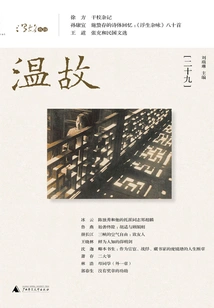
温故(二十九)
Editor-in-chief Liu Ruilin
In the second volume of "Reviewing the Past" launched in 2014, the "Image" column published the disappearing Three Gorges landscape and immigrants leaving their homeland recorded by photographer Yan Changjiang with his camera. In the "Special Articles" column of this issue of "Reviewing the Past", Xu Fang's "Miscellaneous Notes from the Cadre School" records the author's two-year life in the cadre school after he was sent to Xixian County, Henan Province with his mother at the age of fifteen. In a special chapter, he recalls the touching past events of his acquaintance and interaction with Gu Zhun and others.
In the second volume of "Reviewing the Past" launched in 2014, the "Image" column published the disappearing Three Gorges landscape and immigrants leaving their homeland recorded by photographer Yan Changjiang with his camera. In the "Special Articles" column of this issue of "Reviewing the Past", Xu Fang's "Miscellaneous Notes from the Cadre School" records the author's two-year life in the cadre school after he was sent to Xixian County, Henan Province with his mother at the age of fifteen. In a special chapter, he recalls the touching past events of his acquaintance and interaction with Gu Zhun and others.
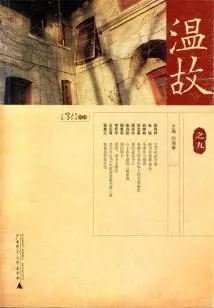
Review the Past (part 9)
History温故(之九)
Editor-in-chief Liu Ruilin
"Reviewing the Past" is a historical and cultural reading material. It recalls and examines the past from today's perspective, and provides a reference for current survival and future development. This is the so-called "reviewing the past and learning the new". This book generally includes the following three aspects: (1) Recollection of the past living conditions of mankind; (2) Examination and reflection on history; (3) Review of historical and cultural relics and legacy texts.
"Reviewing the Past" is a historical and cultural reading material. It recalls and examines the past from today's perspective, and provides a reference for current survival and future development. This is the so-called "reviewing the past and learning the new". This book generally includes the following three aspects: (1) Recollection of the past living conditions of mankind; (2) Examination and reflection on history; (3) Review of historical and cultural relics and legacy texts.
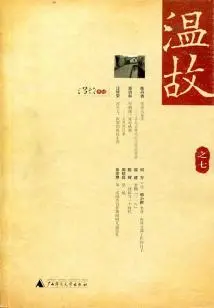
Reviewing the Past (part 7)
History温故(之七)
Editor-in-chief Liu Ruilin
"Reviewing the Past" is a kind of historical and cultural reading material published one after another. "Reviewing the Past" recalls and examines the past from today's perspective, and provides a reference for current survival and future development. The so-called "reviewing the past and learning the new". The content of "Reviewing the Past" generally includes the following three aspects: 1. Recollection of the past living conditions of mankind; 2. Historical examination and reflection; 3. Review of historical and cultural relics and legacy texts.
"Reviewing the Past" is a kind of historical and cultural reading material published one after another. "Reviewing the Past" recalls and examines the past from today's perspective, and provides a reference for current survival and future development. The so-called "reviewing the past and learning the new". The content of "Reviewing the Past" generally includes the following three aspects: 1. Recollection of the past living conditions of mankind; 2. Historical examination and reflection; 3. Review of historical and cultural relics and legacy texts.
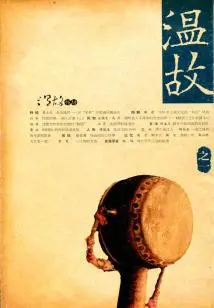
Review the Past (part 1)
History温故(之一)
Editor-in-chief Liu Ruilin
Human beings have always lived in the shadow of history. This projection is neither a gift from God nor the work of God, but comes from the important feature that distinguishes humans from animals-memory. The projection of history is both far and near, as far away as the vague footsteps of primitive ancestors heading toward civilization, and as far away as what happened just yesterday. The flow of time, day and night, not only takes away everything that has happened, but also everything that is happening and is about to happen, and merges everything into the projection of history. The first person to realize the value of this projection was none other than our sage teacher Confucius. His old saying, "Review the past and learn the new", although it is as simple as words, is like enlightenment. History is not only the destination of human activities, but also the source of wisdom for the future. When it comes to the relationship between history and reality, the British writer Orwell's expression is more straightforward. He said: Whoever controls history controls the present.
Human beings have always lived in the shadow of history. This projection is neither a gift from God nor the work of God, but comes from the important feature that distinguishes humans from animals-memory. The projection of history is both far and near, as far away as the vague footsteps of primitive ancestors heading toward civilization, and as far away as what happened just yesterday. The flow of time, day and night, not only takes away everything that has happened, but also everything that is happening and is about to happen, and merges everything into the projection of history. The first person to realize the value of this projection was none other than our sage teacher Confucius. His old saying, "Review the past and learn the new", although it is as simple as words, is like enlightenment. History is not only the destination of human activities, but also the source of wisdom for the future. When it comes to the relationship between history and reality, the British writer Orwell's expression is more straightforward. He said: Whoever controls history controls the present.
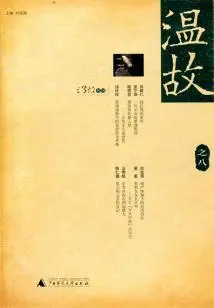
Reviewing the Past (part 8)
History温故(之八)
Editor-in-chief Liu Ruilin
"Reviewing the Past" is a kind of historical and cultural reading material published one after another. Four volumes are published annually. "Reviewing the Past" recalls and examines the past from today's perspective, and provides a reference for current survival and future development. The so-called "reviewing the past and learning the new". This book expresses the remembrance of the past living conditions of mankind; the examination and reflection of history; and the review of historical and cultural relics and legacy texts. Human beings have always lived in the shadow of history. The projection of history can be far or near, as far as the faint footsteps of our primitive ancestors heading toward civilization, or as close as what happened just yesterday. We need to review the past because we are forgetful. Learning something new from the past is the purpose of reviewing the past. From "Reviewing the Past", careful readers can understand what kind of review we need. Confucius once said, "Reviewing the past will help you learn the new." Although it is as simple as words, it is like enlightenment...
"Reviewing the Past" is a kind of historical and cultural reading material published one after another. Four volumes are published annually. "Reviewing the Past" recalls and examines the past from today's perspective, and provides a reference for current survival and future development. The so-called "reviewing the past and learning the new". This book expresses the remembrance of the past living conditions of mankind; the examination and reflection of history; and the review of historical and cultural relics and legacy texts. Human beings have always lived in the shadow of history. The projection of history can be far or near, as far as the faint footsteps of our primitive ancestors heading toward civilization, or as close as what happened just yesterday. We need to review the past because we are forgetful. Learning something new from the past is the purpose of reviewing the past. From "Reviewing the Past", careful readers can understand what kind of review we need. Confucius once said, "Reviewing the past will help you learn the new." Although it is as simple as words, it is like enlightenment...
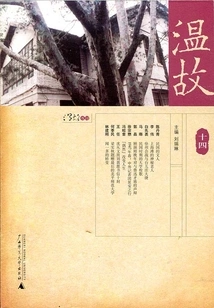
Review the Past (14)
History温故(十四)
Editor-in-chief Liu Ruilin
This book is a kind of historical and cultural reading material published one after another. It records the life, death and archives of a small person, recalls and examines the past from today's perspective, and provides a reference for current survival and future development. We need to review the past because we are forgetful. Learning something new from the past is the purpose of reviewing the past. From "Reviewing the Past", careful readers can understand what kind of review we need.
This book is a kind of historical and cultural reading material published one after another. It records the life, death and archives of a small person, recalls and examines the past from today's perspective, and provides a reference for current survival and future development. We need to review the past because we are forgetful. Learning something new from the past is the purpose of reviewing the past. From "Reviewing the Past", careful readers can understand what kind of review we need.
温故(二十四)
Editor-in-chief Liu Ruilin
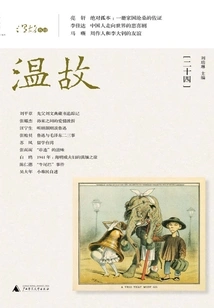
This book is a historical reading. The special article "Reviewing the Past" "Absolutely the only one: a volume of evidence of the vicissitudes of family and country" author Liang Xuan shows readers a small book "Pinglu Memorial Album" written by Dong Zuobin, one of the most influential scholars in the past century and an oracle bone expert, for his daughter Dong Min. Many of the photos and signatures are celebrities from academia and art festivals over the past century, such as Rui Yifu, Lao Gan, Li Lincan, Luo Changpei... This precious "only copy" not only witnesses the growth of two children, but is also a vivid microcosm of modern Chinese history. It is "the most charming book describing the style of modern Chinese intellectuals."
This book is a historical reading. The special article "Reviewing the Past" "Absolutely the only one: a volume of evidence of the vicissitudes of family and country" author Liang Xuan shows readers a small book "Pinglu Memorial Album" written by Dong Zuobin, one of the most influential scholars in the past century and an oracle bone expert, for his daughter Dong Min. Many of the photos and signatures are celebrities from academia and art festivals over the past century, such as Rui Yifu, Lao Gan, Li Lincan, Luo Changpei... This precious "only copy" not only witnesses the growth of two children, but is also a vivid microcosm of modern Chinese history. It is "the most charming book describing the style of modern Chinese intellectuals."
Review the Past (twenty-six)
History温故(二十六)
Editor-in-chief Liu Ruilin
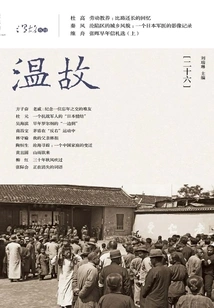
This book is a historical reading. The special articles of this issue include many important articles. For example, in the "Special Articles" column there is Mr. Fang Zifen's "Old Relative - I would like to write this article to commemorate a friend who has been forgotten for years." The article "Revisiting the Contact between Father and Romain Rolland" in the "Memory" column vividly records every detail and interesting story of his father Yan Zonglin's interaction with Romain Rolland when he was studying and teaching in Switzerland during his youth (1929-1937). The image column "Urban and Rural Scenery in Occupied Areas: Image Records of a Japanese Military Doctor" shows a set of precious photos collected by Mr. Qin Feng of Japanese-occupied areas taken by a Japanese military doctor during the Anti-Japanese War.
This book is a historical reading. The special articles of this issue include many important articles. For example, in the "Special Articles" column there is Mr. Fang Zifen's "Old Relative - I would like to write this article to commemorate a friend who has been forgotten for years." The article "Revisiting the Contact between Father and Romain Rolland" in the "Memory" column vividly records every detail and interesting story of his father Yan Zonglin's interaction with Romain Rolland when he was studying and teaching in Switzerland during his youth (1929-1937). The image column "Urban and Rural Scenery in Occupied Areas: Image Records of a Japanese Military Doctor" shows a set of precious photos collected by Mr. Qin Feng of Japanese-occupied areas taken by a Japanese military doctor during the Anti-Japanese War.
温故(二十七)
Editor-in-chief Liu Ruilin
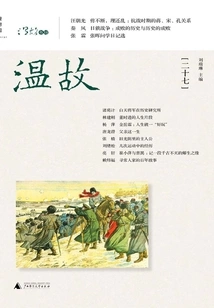
This book is a historical reading. This special issue of "Reviewing the Past" contains many important articles. "Reviewing the Past" is a kind of historical and cultural readings edited and published by our publisher, and has been published for 26 volumes. This special issue of "Reviewing the Past" contains many important articles. For example, the special column includes Mr. Wang Chaoguang's "Continuous Cutting, Reasoning and Chaos - The Relationship between Chiang, Song and Kong during the Anti-Japanese War"; the image column "The Russo-Japanese War: History of Success and Failure and the Success and Failure of History" shows Mr. Qin Feng It collects precious images of first-hand reports from the French media during the Russo-Japanese War in 1904; past events columns include "Cao Yu, \u003CThunderstorm\u003E;, Cui Xiaoping - a record of an eternal relationship between teachers and students"; text columns include "Selected Diary of Zhang Hui's Inquiry".
This book is a historical reading. This special issue of "Reviewing the Past" contains many important articles. "Reviewing the Past" is a kind of historical and cultural readings edited and published by our publisher, and has been published for 26 volumes. This special issue of "Reviewing the Past" contains many important articles. For example, the special column includes Mr. Wang Chaoguang's "Continuous Cutting, Reasoning and Chaos - The Relationship between Chiang, Song and Kong during the Anti-Japanese War"; the image column "The Russo-Japanese War: History of Success and Failure and the Success and Failure of History" shows Mr. Qin Feng It collects precious images of first-hand reports from the French media during the Russo-Japanese War in 1904; past events columns include "Cao Yu, \u003CThunderstorm\u003E;, Cui Xiaoping - a record of an eternal relationship between teachers and students"; text columns include "Selected Diary of Zhang Hui's Inquiry".
温故(二十五)
Editor-in-chief Liu Ruilin
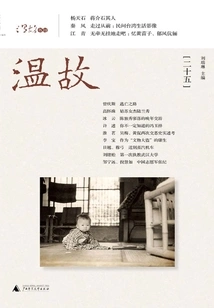
This book is a historical reading. This volume's "Reviewing the Past" articles such as "Chen Duxiu's Lonely Friendship in His Later Years", "A Historical Account of Wu Mei and Huang Kan's Two Encounters", and "The Feng Yuxiang You Don't Know" use detailed historical materials to provide new perspectives for readers to re-understand these familiar historical figures. ; The image column "Traveling Through the Past: Images of Folk Taiwan Life" uses thirty-six precious pictures to show us the daily life of Taiwanese people in the 1950s and 1960s, and outlines the style of the entire Taiwan from every detail of food, clothing, housing and transportation.
This book is a historical reading. This volume's "Reviewing the Past" articles such as "Chen Duxiu's Lonely Friendship in His Later Years", "A Historical Account of Wu Mei and Huang Kan's Two Encounters", and "The Feng Yuxiang You Don't Know" use detailed historical materials to provide new perspectives for readers to re-understand these familiar historical figures. ; The image column "Traveling Through the Past: Images of Folk Taiwan Life" uses thirty-six precious pictures to show us the daily life of Taiwanese people in the 1950s and 1960s, and outlines the style of the entire Taiwan from every detail of food, clothing, housing and transportation.
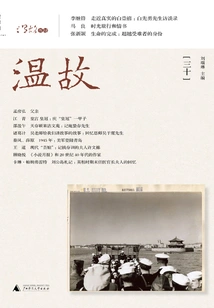
Review the Past (30)
History温故(三十)
Editor-in-chief Liu Ruilin
In the third series of "Reviewing the Past" launched in 2014, the "Image" column published a set of old photos taken from the USS Antietam, a US Navy aircraft carrier that stopped in Qingdao in 1945. These photos vividly recreated the scene of the US Navy sailors landing in Qingdao on November 5, 1945, leaving a clear picture of the changing times after the victory of the Anti-Japanese War. The "Special Articles" column of this issue of "Reviewing the Past" publishes the transcript of Li Jifeng's interview with Mr. Bai Xianyong, the vice president of the Chinese Republic of China History Research Association, "Getting Closer to the Real Bai Chongxi: An Interview with Mr. Bai Xianyong". The two talked about "Bai Chongxi, Li Zongren and Jiang Hot issues in modern history such as "Jieshi's Triangular Relationship", "Chiang Kai-shek's War", "Bai Chongxi's True Face", "Battle of Siping Street", "The Truth About Bai Chongxi's Departure to Taiwan and Death" are discussed in depth and are highly readable.
In the third series of "Reviewing the Past" launched in 2014, the "Image" column published a set of old photos taken from the USS Antietam, a US Navy aircraft carrier that stopped in Qingdao in 1945. These photos vividly recreated the scene of the US Navy sailors landing in Qingdao on November 5, 1945, leaving a clear picture of the changing times after the victory of the Anti-Japanese War. The "Special Articles" column of this issue of "Reviewing the Past" publishes the transcript of Li Jifeng's interview with Mr. Bai Xianyong, the vice president of the Chinese Republic of China History Research Association, "Getting Closer to the Real Bai Chongxi: An Interview with Mr. Bai Xianyong". The two talked about "Bai Chongxi, Li Zongren and Jiang Hot issues in modern history such as "Jieshi's Triangular Relationship", "Chiang Kai-shek's War", "Bai Chongxi's True Face", "Battle of Siping Street", "The Truth About Bai Chongxi's Departure to Taiwan and Death" are discussed in depth and are highly readable.
Reviewing the Past (part 6)
History温故(之六)
Editor-in-chief Liu Ruilin
"Reviewing the Past" is a kind of historical and cultural reading material published one after another. "Reviewing the Past" recalls and examines the past from today's perspective, and provides a reference for current survival and future development. The so-called "reviewing the past and learning the new". The content of "Reviewing the Past" generally includes the following three aspects: 1. Recollection of the past living conditions of mankind; 2. Historical examination and reflection; 3. Review of historical and cultural relics and legacy texts.
"Reviewing the Past" is a kind of historical and cultural reading material published one after another. "Reviewing the Past" recalls and examines the past from today's perspective, and provides a reference for current survival and future development. The so-called "reviewing the past and learning the new". The content of "Reviewing the Past" generally includes the following three aspects: 1. Recollection of the past living conditions of mankind; 2. Historical examination and reflection; 3. Review of historical and cultural relics and legacy texts.
Reviewing the Past (part 10)
History温故(之十)
Editor-in-chief Liu Ruilin
"Reviewing the Past" is a kind of historical and cultural reading material published one after another. "Reviewing the Past" recalls and examines the past from today's perspective, and provides a reference for current survival and future development. The so-called "reviewing the past and learning the new". The content of "Reviewing the Past" generally includes the following three aspects: 1. Recollection of the past living conditions of mankind; 2. Historical examination and reflection; 3. Review of historical and cultural relics and legacy texts.
"Reviewing the Past" is a kind of historical and cultural reading material published one after another. "Reviewing the Past" recalls and examines the past from today's perspective, and provides a reference for current survival and future development. The so-called "reviewing the past and learning the new". The content of "Reviewing the Past" generally includes the following three aspects: 1. Recollection of the past living conditions of mankind; 2. Historical examination and reflection; 3. Review of historical and cultural relics and legacy texts.
Review the Past (13)
History温故(十三)
Editor-in-chief Liu Ruilin
This book is a kind of historical and cultural reading material published one after another. It records the life, death and archives of a small person, recalls and examines the past from today's perspective, and provides a reference for current survival and future development. We need to review the past because we are forgetful. Learning something new from the past is the purpose of reviewing the past. From "Reviewing the Past", careful readers can understand what kind of review we need.
This book is a kind of historical and cultural reading material published one after another. It records the life, death and archives of a small person, recalls and examines the past from today's perspective, and provides a reference for current survival and future development. We need to review the past because we are forgetful. Learning something new from the past is the purpose of reviewing the past. From "Reviewing the Past", careful readers can understand what kind of review we need.
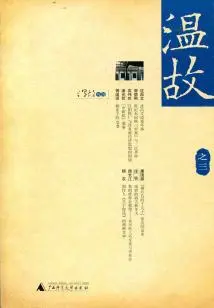
Reviewing the Past (part 3)
History温故(之三)
Editor-in-chief Liu Ruilin
Human beings have always lived in the shadow of history. This projection is neither a gift from God nor the work of God, but comes from the important feature that distinguishes humans from animals-memory. The projection of history is both far and near, as far away as the vague footsteps of primitive ancestors heading toward civilization, and as far away as what happened just yesterday. The flow of time, day and night, not only takes away everything that has happened, but also everything that is happening and is about to happen, and merges everything into the projection of history. The first person to realize the value of this projection was none other than our sage teacher Confucius. His old saying, "Review the past and learn the new", although it is as simple as words, is like enlightenment. History is not only the destination of human activities, but also the source of wisdom for the future. When it comes to the relationship between history and reality, the British writer Orwell's expression is more straightforward. He said: Whoever controls history controls the present.
Human beings have always lived in the shadow of history. This projection is neither a gift from God nor the work of God, but comes from the important feature that distinguishes humans from animals-memory. The projection of history is both far and near, as far away as the vague footsteps of primitive ancestors heading toward civilization, and as far away as what happened just yesterday. The flow of time, day and night, not only takes away everything that has happened, but also everything that is happening and is about to happen, and merges everything into the projection of history. The first person to realize the value of this projection was none other than our sage teacher Confucius. His old saying, "Review the past and learn the new", although it is as simple as words, is like enlightenment. History is not only the destination of human activities, but also the source of wisdom for the future. When it comes to the relationship between history and reality, the British writer Orwell's expression is more straightforward. He said: Whoever controls history controls the present.
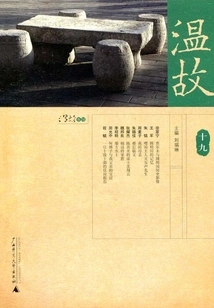
Review the Past (19)
History温故(十九)
Editor-in-chief Liu Ruilin
"Reviewing the Past" is a kind of historical and cultural reading material published one after another. Reminiscing and examining the past from today's perspective, and providing a reference for current survival and future development, is the so-called "reviewing the past to learn the new." The content generally includes the following three aspects: recalling the past living conditions of mankind, examining and reflecting on history, and reviewing historical and cultural relics and legacy texts.
"Reviewing the Past" is a kind of historical and cultural reading material published one after another. Reminiscing and examining the past from today's perspective, and providing a reference for current survival and future development, is the so-called "reviewing the past to learn the new." The content generally includes the following three aspects: recalling the past living conditions of mankind, examining and reflecting on history, and reviewing historical and cultural relics and legacy texts.
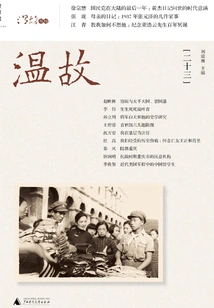
温故(二十三)
Editor-in-chief Liu Ruilin
This book is a historical and cultural reading. It recalls and examines the past from today's perspective, and provides a reference for current survival and future development. This is the so-called "reviewing the past and learning the new". Among them, the article "The Last Year of the Kuomintang in Mainland China - The Significance of the Times of the Publishment of Huang Jie's Diary" published Huang Jie's work diary in March 1949, which truly reproduced the chaotic situation of the Kuomintang's change of dynasties before the fall of power in the mainland. It provided another perspective for historians and general readers to understand this period of history, and is a very precious document for the study of modern Chinese history.
This book is a historical and cultural reading. It recalls and examines the past from today's perspective, and provides a reference for current survival and future development. This is the so-called "reviewing the past and learning the new". Among them, the article "The Last Year of the Kuomintang in Mainland China - The Significance of the Times of the Publishment of Huang Jie's Diary" published Huang Jie's work diary in March 1949, which truly reproduced the chaotic situation of the Kuomintang's change of dynasties before the fall of power in the mainland. It provided another perspective for historians and general readers to understand this period of history, and is a very precious document for the study of modern Chinese history.
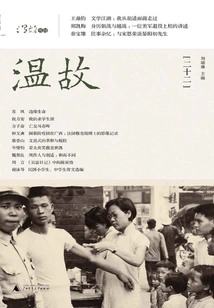
温故(二十二)
Editor-in-chief Liu Ruilin
This book is a historical and cultural reading. It recalls and examines the past from today's perspective, and provides a reference for current survival and future development. This is the so-called "reviewing the past and learning the new". Among them, "Memoirs of the Literary Rivers and Lakes" rediscovers the history of Taiwan in the 1950s, "Selected Compositions of Primary and Middle School Students in the Republic of China" shows the language proficiency of that year, and "Image Records of a French Medical Doctor" records the customs of Guangxi in the 1930s, etc., With unique perspectives.
This book is a historical and cultural reading. It recalls and examines the past from today's perspective, and provides a reference for current survival and future development. This is the so-called "reviewing the past and learning the new". Among them, "Memoirs of the Literary Rivers and Lakes" rediscovers the history of Taiwan in the 1950s, "Selected Compositions of Primary and Middle School Students in the Republic of China" shows the language proficiency of that year, and "Image Records of a French Medical Doctor" records the customs of Guangxi in the 1930s, etc., With unique perspectives.
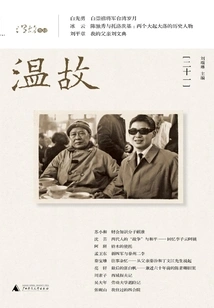
Review the Past (21)
History温故(二十一)
Editor-in-chief Liu Ruilin
"Reviewing the Past", the annual rings of China - looking back at China from today. Since its establishment in 2004, "Reviewing the Past" has included Yu Yingshi, Bai Xianyong, Zhang Yihe, Yuan Weishi, Wang Xuetai, Shao Yanxiang, Shen Changwen, Cheng Chaofu, Chen Danqing, Zhang Ming, Xie Yong, Shao Jian, Fan Hong, Fu Guoyong, Wu Xingwen, Su Xiao and many other contributors. The special feature of this series is "My Father Liu Wendian", the different "madman Liu Wendian", and Bingyun's "Chen Duxiu and Trotsky", two historical figures who have experienced great ups and downs.
"Reviewing the Past", the annual rings of China - looking back at China from today. Since its establishment in 2004, "Reviewing the Past" has included Yu Yingshi, Bai Xianyong, Zhang Yihe, Yuan Weishi, Wang Xuetai, Shao Yanxiang, Shen Changwen, Cheng Chaofu, Chen Danqing, Zhang Ming, Xie Yong, Shao Jian, Fan Hong, Fu Guoyong, Wu Xingwen, Su Xiao and many other contributors. The special feature of this series is "My Father Liu Wendian", the different "madman Liu Wendian", and Bingyun's "Chen Duxiu and Trotsky", two historical figures who have experienced great ups and downs.
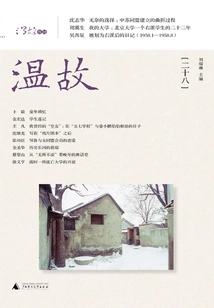
温故(二十八)
Editor-in-chief Liu Ruilin
In the first volume of "Reviewing the Past" released in 2014, the "Image" column published nearly forty representative works of Mr. Shen Jiguang's photographs of old Beijing and old objects since the 1980s, with accompanying text written after the "Fragment Picture Book", telling the author's journey of photography over the years and the writing process of "Nostalgia for Beijing" and "Three Thousand Stories".
In the first volume of "Reviewing the Past" released in 2014, the "Image" column published nearly forty representative works of Mr. Shen Jiguang's photographs of old Beijing and old objects since the 1980s, with accompanying text written after the "Fragment Picture Book", telling the author's journey of photography over the years and the writing process of "Nostalgia for Beijing" and "Three Thousand Stories".
Review the Past (15)
History温故(十五)
Editor-in-chief Liu Ruilin
This book is a kind of historical and cultural reading material published one after another. It records the life, death and archives of a small person, recalls and examines the past from today's perspective, and provides a reference for current survival and future development. We need to review the past because we are forgetful. Learning something new from the past is the purpose of reviewing the past. From "Reviewing the Past", careful readers can understand what kind of review we need.
This book is a kind of historical and cultural reading material published one after another. It records the life, death and archives of a small person, recalls and examines the past from today's perspective, and provides a reference for current survival and future development. We need to review the past because we are forgetful. Learning something new from the past is the purpose of reviewing the past. From "Reviewing the Past", careful readers can understand what kind of review we need.
Review the Past (11)
History温故(十一)
Editor-in-chief Liu Ruilin
This book is a kind of historical and cultural reading material published one after another. It records the life, death and archives of a small person, recalls and examines the past from today's perspective, and provides a reference for current survival and future development. We need to review the past because we are forgetful. Learning something new from the past is the purpose of reviewing the past. From "Reviewing the Past", careful readers can understand what kind of review we need.
This book is a kind of historical and cultural reading material published one after another. It records the life, death and archives of a small person, recalls and examines the past from today's perspective, and provides a reference for current survival and future development. We need to review the past because we are forgetful. Learning something new from the past is the purpose of reviewing the past. From "Reviewing the Past", careful readers can understand what kind of review we need.
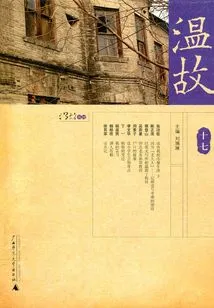
Review the Past (seventeen)
History温故(十七)
Editor-in-chief Liu Ruilin
"Reviewing the Past" is a kind of historical and cultural reading material published one after another. Reminiscing and examining the past from today's perspective, and providing a reference for current survival and future development, is the so-called "reviewing the past to learn the new." The content generally includes the following three aspects: recalling the past living conditions of mankind; examining and reflecting on history; and reviewing historical and cultural relics and legacy texts.
"Reviewing the Past" is a kind of historical and cultural reading material published one after another. Reminiscing and examining the past from today's perspective, and providing a reference for current survival and future development, is the so-called "reviewing the past to learn the new." The content generally includes the following three aspects: recalling the past living conditions of mankind; examining and reflecting on history; and reviewing historical and cultural relics and legacy texts.
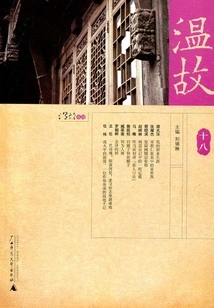
Review the Past (18)
History温故(十八)
Editor-in-chief Liu Ruilin
"Reviewing the Past" is a kind of historical and cultural reading material published one after another. Reminiscing and examining the past from today's perspective, and providing a reference for current survival and future development, is the so-called "reviewing the past to learn the new." The content generally includes the following three aspects: recalling the past living conditions of mankind, examining and reflecting on history, and reviewing historical and cultural relics and legacy texts.
"Reviewing the Past" is a kind of historical and cultural reading material published one after another. Reminiscing and examining the past from today's perspective, and providing a reference for current survival and future development, is the so-called "reviewing the past to learn the new." The content generally includes the following three aspects: recalling the past living conditions of mankind, examining and reflecting on history, and reviewing historical and cultural relics and legacy texts.
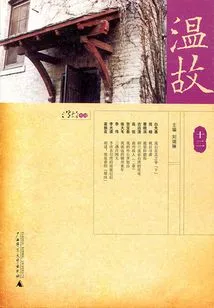
Review the Past (12)
History温故(十二)
Editor-in-chief Liu Ruilin
This book is a kind of historical and cultural reading material published one after another. It records the life, death and archives of a small person, recalls and examines the past from today's perspective, and provides a reference for current survival and future development. We need to review the past because we are forgetful. Learning something new from the past is the purpose of reviewing the past. From "Reviewing the Past", careful readers can understand what kind of review we need.
This book is a kind of historical and cultural reading material published one after another. It records the life, death and archives of a small person, recalls and examines the past from today's perspective, and provides a reference for current survival and future development. We need to review the past because we are forgetful. Learning something new from the past is the purpose of reviewing the past. From "Reviewing the Past", careful readers can understand what kind of review we need.
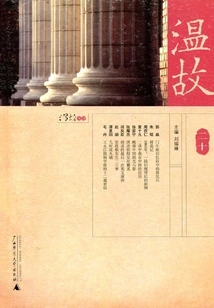
Review the Past (20)
History温故(二十)
Editor-in-chief Liu Ruilin
"Reviewing the Past" is a kind of historical and cultural reading material published one after another. Reminiscing and examining the past from today's perspective, and providing a reference for current survival and future development, is the so-called "reviewing the past to learn the new." The content generally includes the following three aspects: recalling the past living conditions of mankind, examining and reflecting on history, and reviewing historical and cultural relics and legacy texts.
"Reviewing the Past" is a kind of historical and cultural reading material published one after another. Reminiscing and examining the past from today's perspective, and providing a reference for current survival and future development, is the so-called "reviewing the past to learn the new." The content generally includes the following three aspects: recalling the past living conditions of mankind, examining and reflecting on history, and reviewing historical and cultural relics and legacy texts.