Library
Browse and search books
27 novels found
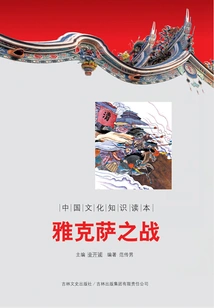
Battle of Yaksa
Military雅克萨之战
Editor-in-chief Jin Kaicheng
From the 24th to the 27th year of Emperor Kangxi of the Qing Dynasty (1685-1688), the Chinese army conducted two encirclement and annihilation battles against the invading Russian army in order to regain the territory of Yaksa. It was the first self-defense counterattack between China and Russia. "Chinese Cultural Knowledge Reader: The Battle of Yaksa" introduces the relevant content of the Battle of Yaksa in the form of beautiful and vivid words, concise and popular language, and pictures and texts.
From the 24th to the 27th year of Emperor Kangxi of the Qing Dynasty (1685-1688), the Chinese army conducted two encirclement and annihilation battles against the invading Russian army in order to regain the territory of Yaksa. It was the first self-defense counterattack between China and Russia. "Chinese Cultural Knowledge Reader: The Battle of Yaksa" introduces the relevant content of the Battle of Yaksa in the form of beautiful and vivid words, concise and popular language, and pictures and texts.
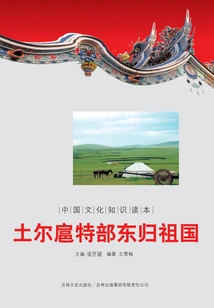
土尔扈特部东归祖国
Editor-in-chief Jin Kaicheng
The beautiful and vivid text, concise and popular language, and rich illustrations in "Torgut Returns to the Motherland" comprehensively display to readers the key points of knowledge such as material culture, institutional culture, behavioral culture, and spiritual culture in Chinese culture. Bits and pieces of cultural knowledge are like stars, forming the splendid sky of Chinese culture. It can make a modest contribution to carrying forward China's five thousand years of excellent traditional culture, strengthening the unity of all ethnic groups, and building a socialist harmonious society.
The beautiful and vivid text, concise and popular language, and rich illustrations in "Torgut Returns to the Motherland" comprehensively display to readers the key points of knowledge such as material culture, institutional culture, behavioral culture, and spiritual culture in Chinese culture. Bits and pieces of cultural knowledge are like stars, forming the splendid sky of Chinese culture. It can make a modest contribution to carrying forward China's five thousand years of excellent traditional culture, strengthening the unity of all ethnic groups, and building a socialist harmonious society.
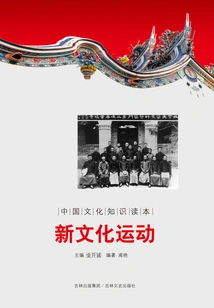
New Culture Movement
History新文化运动
Editor-in-chief Jin Kaicheng
This book "New Culture Movement" was edited by Jin Kaicheng and edited by Fu Yan: The New Culture Movement was an unprecedented movement of ideological emancipation and enlightenment, which opened the way for the spread of Marxism in China. The New Culture Movement after the May 4th Movement became an ideological movement to promote Marxism and various socialist schools, transforming the old democratic cultural movement into a new democratic cultural movement guided by Marxist theory.
This book "New Culture Movement" was edited by Jin Kaicheng and edited by Fu Yan: The New Culture Movement was an unprecedented movement of ideological emancipation and enlightenment, which opened the way for the spread of Marxism in China. The New Culture Movement after the May 4th Movement became an ideological movement to promote Marxism and various socialist schools, transforming the old democratic cultural movement into a new democratic cultural movement guided by Marxist theory.
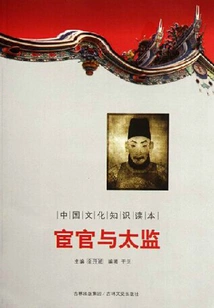
Eunuchs and Eunuchs
History宦官与太监
Editor-in-chief Jin Kaicheng
"Chinese Cultural Knowledge Reader: Eunuchs and Eunuchs" explains the concept of eunuchs and eunuchs, which is difficult for people to distinguish. "Chinese Cultural Knowledge Reader: Eunuchs and Eunuchs" starts with the good and bad eunuchs and eunuchs around rulers in the past dynasties, and praises and affirms the eunuchs and eunuchs who promoted the prosperity of the dynasty and dedicated themselves to the rulers. He also attacked and criticized those who caused trouble for the government and the country and the people, and profoundly pointed out that this unique group of characters in China was dominated by the rulers of the feudal dynasty, restricted by the social environment and history at that time, and was more of an inevitable result of historical development.
"Chinese Cultural Knowledge Reader: Eunuchs and Eunuchs" explains the concept of eunuchs and eunuchs, which is difficult for people to distinguish. "Chinese Cultural Knowledge Reader: Eunuchs and Eunuchs" starts with the good and bad eunuchs and eunuchs around rulers in the past dynasties, and praises and affirms the eunuchs and eunuchs who promoted the prosperity of the dynasty and dedicated themselves to the rulers. He also attacked and criticized those who caused trouble for the government and the country and the people, and profoundly pointed out that this unique group of characters in China was dominated by the rulers of the feudal dynasty, restricted by the social environment and history at that time, and was more of an inevitable result of historical development.
King Wu Destroyed Shang
History武王灭商
Editor-in-chief Jin Kaicheng
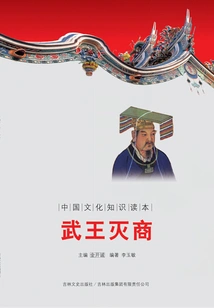
In 1046 BC, King Wu of Zhou marched to Muye, seventy miles away from Chaoge, and held a swearing-in meeting. He listed many crimes of King Zhou of Shang and encouraged the army to fight a decisive battle with King Zhou of Shang. At this time, King Zhou of Shang stopped singing, dancing and feasting, and discussed countermeasures with the noble ministers. At this time, the main force of King Zhou's army was still in other areas and could not be transferred back for a while, so he had to arm a large number of slaves and captured southeastern barbarians, and gathered 170,000 people to march towards Muye. However, as soon as these King Zhou's troops met the Zhou army, they turned their spearhead and led the Zhou army to attack King Zhou. As a result, King Zhou was defeated and fled back to Chaoge overnight. Seeing that the situation was over, he had no choice but to board the Lutai and set himself on fire. After King Wu of Zhou completely occupied the Shang capital, he declared the demise of the Shang Dynasty. "Chinese Cultural Knowledge Reader: King Wu's Destroy of Shang" introduces the relevant content of King Wu's destruction of Shang in the form of beautiful and vivid words, concise and popular language, and pictures and texts.
In 1046 BC, King Wu of Zhou marched to Muye, seventy miles away from Chaoge, and held a swearing-in meeting. He listed many crimes of King Zhou of Shang and encouraged the army to fight a decisive battle with King Zhou of Shang. At this time, King Zhou of Shang stopped singing, dancing and feasting, and discussed countermeasures with the noble ministers. At this time, the main force of King Zhou's army was still in other areas and could not be transferred back for a while, so he had to arm a large number of slaves and captured southeastern barbarians, and gathered 170,000 people to march towards Muye. However, as soon as these King Zhou's troops met the Zhou army, they turned their spearhead and led the Zhou army to attack King Zhou. As a result, King Zhou was defeated and fled back to Chaoge overnight. Seeing that the situation was over, he had no choice but to board the Lutai and set himself on fire. After King Wu of Zhou completely occupied the Shang capital, he declared the demise of the Shang Dynasty. "Chinese Cultural Knowledge Reader: King Wu's Destroy of Shang" introduces the relevant content of King Wu's destruction of Shang in the form of beautiful and vivid words, concise and popular language, and pictures and texts.
Pan Geng Moved the Capital
History盘庚迁都
Editor-in-chief Jin Kaicheng
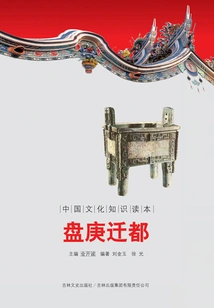
After the death of Yangjia, the nineteenth king of the Shang Dynasty, his younger brother Pan Geng succeeded to the throne. In order to get rid of the chaos and consolidate the power of the slave country, Pan Geng decided to move the capital to Yin (now Anyang, Henan). Although this decision was strongly opposed by some big slave owners and nobles, Pan Geng finally broke through all the obstacles of the big slave owners and nobles and successfully moved the capital. This is the famous "Pangeng Capital Move" in history.
After the death of Yangjia, the nineteenth king of the Shang Dynasty, his younger brother Pan Geng succeeded to the throne. In order to get rid of the chaos and consolidate the power of the slave country, Pan Geng decided to move the capital to Yin (now Anyang, Henan). Although this decision was strongly opposed by some big slave owners and nobles, Pan Geng finally broke through all the obstacles of the big slave owners and nobles and successfully moved the capital. This is the famous "Pangeng Capital Move" in history.
Story Novel
Literature话本小说
Editor-in-chief Jin Kaicheng
The main content of "Huaben Novels" is divided into chapters such as an overview of Huaben Novels, Song Dynasty Huaben Novels, and their influence on later literature. "Hua" had a meaning in ancient times of "story". This meaning was already popular in the Sui Dynasty, and was used in the Tang, Song, Yuan and Ming dynasties.
The main content of "Huaben Novels" is divided into chapters such as an overview of Huaben Novels, Song Dynasty Huaben Novels, and their influence on later literature. "Hua" had a meaning in ancient times of "story". This meaning was already popular in the Sui Dynasty, and was used in the Tang, Song, Yuan and Ming dynasties.
纳兰容若与饮水词
Editor-in-chief Jin Kaicheng
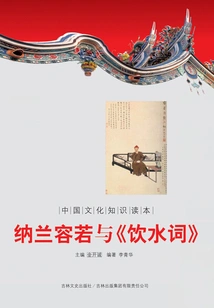
"Nalan Rongruo and Yu" is one of the series of "Chinese Cultural Knowledge Readers". It introduces the relevant contents of Nalan Rongruo and "Drinking Water Ci" in the form of beautiful and vivid words, concise and popular language, and pictures and texts.
"Nalan Rongruo and Yu" is one of the series of "Chinese Cultural Knowledge Readers". It introduces the relevant contents of Nalan Rongruo and "Drinking Water Ci" in the form of beautiful and vivid words, concise and popular language, and pictures and texts.
Nineteen Ancient Poems
Literature古诗十九首
Editor-in-chief Jin Kaicheng
The beautiful and vivid words, concise and popular language, and pictures and texts in "Chinese Culture Knowledge Reader - The Forefather of Five Characters through the Ages: Nineteen Ancient Poems" comprehensively display to readers the key points of knowledge such as material culture, institutional culture, behavioral culture, and spiritual culture in Chinese culture.
The beautiful and vivid words, concise and popular language, and pictures and texts in "Chinese Culture Knowledge Reader - The Forefather of Five Characters through the Ages: Nineteen Ancient Poems" comprehensively display to readers the key points of knowledge such as material culture, institutional culture, behavioral culture, and spiritual culture in Chinese culture.
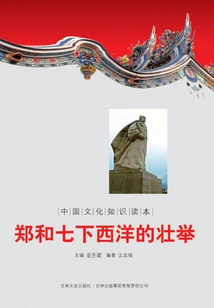
郑和七下西洋的壮举
Editor-in-chief Jin Kaicheng
"Chinese Cultural Knowledge Reader: Zheng He's Seven Voyages to the West" introduces Zheng He's great achievements, the background of Zheng He's voyages to the West, the purpose of Zheng He's voyages to the West, and the course of Zheng He's voyages to the West. The beautiful and vivid text, concise and popular language, and rich illustrations in "Zheng He's Seven Voyages to the West" comprehensively display to readers the key points of knowledge such as material culture, institutional culture, behavioral culture, and spiritual culture in Chinese culture.
"Chinese Cultural Knowledge Reader: Zheng He's Seven Voyages to the West" introduces Zheng He's great achievements, the background of Zheng He's voyages to the West, the purpose of Zheng He's voyages to the West, and the course of Zheng He's voyages to the West. The beautiful and vivid text, concise and popular language, and rich illustrations in "Zheng He's Seven Voyages to the West" comprehensively display to readers the key points of knowledge such as material culture, institutional culture, behavioral culture, and spiritual culture in Chinese culture.
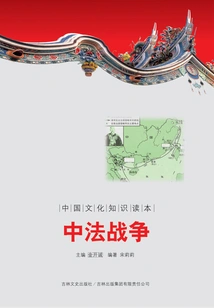
Sino-french War
History中法战争
Editor-in-chief Jin Kaicheng
In 1840, the British opened the door to the Qing Empire with strong ships and cannons. Since then, imperialist countries have followed suit, and the land of China has been filled with smoke. In December 1883, the French army launched an attack on the Qing army stationed in Beiqi, Vietnam, and the Sino-French War officially broke out. The Sino-French war is a lingering pain in China's modern history, leaving behind all kinds of helplessness and regret for future generations. "The Sino-French War" edited by Song Lili is one of the "Chinese Cultural Knowledge Readers" series. It tells the whole process of the Sino-French War in the late Qing Dynasty with pictures and texts. "The Sino-French War" has beautiful and vivid writing, concise and popular language, and is suitable for a wide range of readers.
In 1840, the British opened the door to the Qing Empire with strong ships and cannons. Since then, imperialist countries have followed suit, and the land of China has been filled with smoke. In December 1883, the French army launched an attack on the Qing army stationed in Beiqi, Vietnam, and the Sino-French War officially broke out. The Sino-French war is a lingering pain in China's modern history, leaving behind all kinds of helplessness and regret for future generations. "The Sino-French War" edited by Song Lili is one of the "Chinese Cultural Knowledge Readers" series. It tells the whole process of the Sino-French War in the late Qing Dynasty with pictures and texts. "The Sino-French War" has beautiful and vivid writing, concise and popular language, and is suitable for a wide range of readers.
Shang Tang Destroyed Xia
History商汤灭夏
Editor-in-chief Jin Kaicheng
The Xia Dynasty ruled for about four hundred years. By the 16th century BC, the country's power was declining and the country began to collapse. After Xia Jie, the last monarch of the Xia Dynasty, came to the throne, his rule became even more brutal. The Shang tribe developed rapidly due to animal husbandry. By the end of the Xia Dynasty, when Tang became the leader, it had become a powerful tribe. Shang Tang saw that Xia Jie was very corrupt and determined to destroy the Xia Dynasty. At this time, Xia had already rebelled against relatives, but Shang Tang was well-led, so Xia Jie's army was quickly defeated, and Jie was exiled. As a result, the Xia Dynasty was replaced by the newly established Shang Dynasty. "Chinese Cultural Knowledge Reader: Shang Tang's Extermination of Xia" introduces the relevant content of Shang Tang's extermination of Xia in the form of beautiful and vivid words, concise and popular language, and pictures and texts.
The Xia Dynasty ruled for about four hundred years. By the 16th century BC, the country's power was declining and the country began to collapse. After Xia Jie, the last monarch of the Xia Dynasty, came to the throne, his rule became even more brutal. The Shang tribe developed rapidly due to animal husbandry. By the end of the Xia Dynasty, when Tang became the leader, it had become a powerful tribe. Shang Tang saw that Xia Jie was very corrupt and determined to destroy the Xia Dynasty. At this time, Xia had already rebelled against relatives, but Shang Tang was well-led, so Xia Jie's army was quickly defeated, and Jie was exiled. As a result, the Xia Dynasty was replaced by the newly established Shang Dynasty. "Chinese Cultural Knowledge Reader: Shang Tang's Extermination of Xia" introduces the relevant content of Shang Tang's extermination of Xia in the form of beautiful and vivid words, concise and popular language, and pictures and texts.
Opium War
History鸦片战争
Editor-in-chief Jin Kaicheng
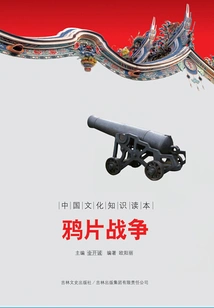
The Opium War from 1840 to 1842 was a turning point for feudal China to become semi-colonial and semi-feudal. In the 1770s, Britain began to import opium into China in large quantities. From June 3 to 25, 1839, Lin Zexu destroyed more than 2.37 Million kilograms of opium seized in public at Humen Beach. The British government quickly made the decision to send troops to China. On June 28, 1840, the first Opium War officially broke out. The Opium War marked the beginning of China's modern history. From then on, the Chinese people faced more complex and tortuous struggles. "Chinese Cultural Knowledge Reader: The Opium War" introduces the relevant content of the Opium War in the form of beautiful and vivid words, concise and popular language, and pictures and texts.
The Opium War from 1840 to 1842 was a turning point for feudal China to become semi-colonial and semi-feudal. In the 1770s, Britain began to import opium into China in large quantities. From June 3 to 25, 1839, Lin Zexu destroyed more than 2.37 Million kilograms of opium seized in public at Humen Beach. The British government quickly made the decision to send troops to China. On June 28, 1840, the first Opium War officially broke out. The Opium War marked the beginning of China's modern history. From then on, the Chinese people faced more complex and tortuous struggles. "Chinese Cultural Knowledge Reader: The Opium War" introduces the relevant content of the Opium War in the form of beautiful and vivid words, concise and popular language, and pictures and texts.
Rebellion of San Francisco
History三藩之乱
Editor-in-chief Jin Kaicheng
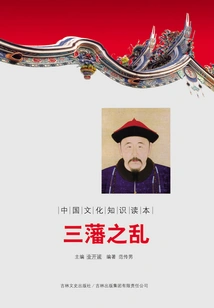
"San Francisco" is the collective name for three vassal kings with different surnames: Geng Zhongming (Geng Jingzhong), Shang Kexi, and Wu Sangui in the early Qing Dynasty. The issue of the Three Feudatories is a major topic in the study of Qing history and Manchu history, involving many aspects such as the relationship between the Manchus and Hans, the central and local governments, and the Central Plains and frontiers. "Chinese Cultural Knowledge Reader: The San Francisco Rebellion" brings history vividly to readers, and conducts in-depth analysis of representative figures such as Wu Sangui, Kong Youde, Geng Zhongming, and Shang Kexi; it also clarifies the nature of the ethnic minorities' occupation of the Central Plains, the national oppression policy of the Manchu aristocrats, and the historical evaluation of relevant figures.
"San Francisco" is the collective name for three vassal kings with different surnames: Geng Zhongming (Geng Jingzhong), Shang Kexi, and Wu Sangui in the early Qing Dynasty. The issue of the Three Feudatories is a major topic in the study of Qing history and Manchu history, involving many aspects such as the relationship between the Manchus and Hans, the central and local governments, and the Central Plains and frontiers. "Chinese Cultural Knowledge Reader: The San Francisco Rebellion" brings history vividly to readers, and conducts in-depth analysis of representative figures such as Wu Sangui, Kong Youde, Geng Zhongming, and Shang Kexi; it also clarifies the nature of the ethnic minorities' occupation of the Central Plains, the national oppression policy of the Manchu aristocrats, and the historical evaluation of relevant figures.
Taiping Rebellion
History太平天国运动
Editor-in-chief Jin Kaicheng
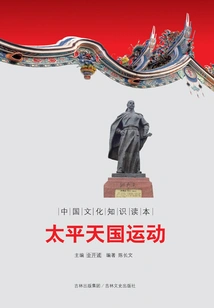
"The Taiping Rebellion" not only deeply excavates and organizes the achievements of China's excellent traditional culture, but also integrates social development and injects the spirit of the times. The book's beautiful and vivid text, concise and popular language, and the form of pictures and texts comprehensively display to readers the key points of knowledge such as material culture, institutional culture, behavioral culture, and spiritual culture in Chinese culture. Bits and pieces of cultural knowledge are like stars, forming the splendid sky of Chinese culture.
"The Taiping Rebellion" not only deeply excavates and organizes the achievements of China's excellent traditional culture, but also integrates social development and injects the spirit of the times. The book's beautiful and vivid text, concise and popular language, and the form of pictures and texts comprehensively display to readers the key points of knowledge such as material culture, institutional culture, behavioral culture, and spiritual culture in Chinese culture. Bits and pieces of cultural knowledge are like stars, forming the splendid sky of Chinese culture.
Sun Tzu and Military Thought
History孙子与兵家思想
Editor-in-chief Jin Kaicheng
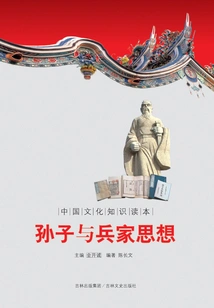
The beautiful and vivid words, concise and popular language, and pictures and texts in "Sun Tzu and Military Thought" comprehensively display to readers the key points of knowledge such as material culture, institutional culture, behavioral culture, and spiritual culture in Chinese culture.
The beautiful and vivid words, concise and popular language, and pictures and texts in "Sun Tzu and Military Thought" comprehensively display to readers the key points of knowledge such as material culture, institutional culture, behavioral culture, and spiritual culture in Chinese culture.
战国七雄的纷争
Editor-in-chief Jin Kaicheng
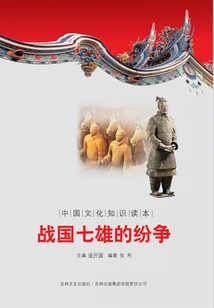
The Seven Heroes of the Warring States Period is the collective name for the seven powerful vassal states during the Warring States Period in ancient China. Countless wars during the Spring and Autumn Period and the Warring States Period greatly reduced the number of vassal states. By the late Warring States period, only seven powerful vassal states remained, namely Qi, Chu, Han, Zhao, Wei, Yan, and Qin, collectively known as the "Seven Heroes of the Warring States Period."
The Seven Heroes of the Warring States Period is the collective name for the seven powerful vassal states during the Warring States Period in ancient China. Countless wars during the Spring and Autumn Period and the Warring States Period greatly reduced the number of vassal states. By the late Warring States period, only seven powerful vassal states remained, namely Qi, Chu, Han, Zhao, Wei, Yan, and Qin, collectively known as the "Seven Heroes of the Warring States Period."
Reform Movement of 1898
History戊戌变法
Editor-in-chief Jin Kaicheng
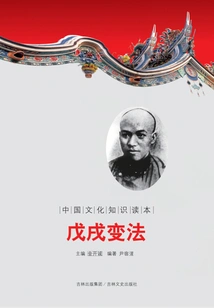
The beautiful and vivid words, concise and popular language, and pictures and texts in "The Reform Movement of 1898" comprehensively display to readers the key points of knowledge such as material culture, institutional culture, behavioral culture, and spiritual culture in Chinese culture.
The beautiful and vivid words, concise and popular language, and pictures and texts in "The Reform Movement of 1898" comprehensively display to readers the key points of knowledge such as material culture, institutional culture, behavioral culture, and spiritual culture in Chinese culture.
奇书《山海经》
Editor-in-chief Jin Kaicheng
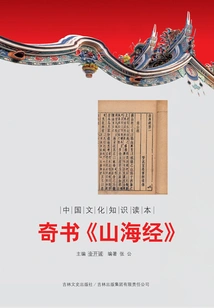
"The Classic of Mountains and Seas" is an ancient pre-Qin book and the oldest geography book rich in myths and legends. It mainly describes ancient geography, products, myths, witchcraft, religion, etc., And also includes ancient history, medicine, folk customs, ethnicity, etc. In addition, "The Classic of Mountains and Seas" also records some strange events in the form of running accounts, about which there is still considerable controversy. The most representative myths and fables include Kuafu chasing the sun, Nuwa mending the sky, Jingwei filling the sea, Gun and Yu controlling the floods, etc.
"The Classic of Mountains and Seas" is an ancient pre-Qin book and the oldest geography book rich in myths and legends. It mainly describes ancient geography, products, myths, witchcraft, religion, etc., And also includes ancient history, medicine, folk customs, ethnicity, etc. In addition, "The Classic of Mountains and Seas" also records some strange events in the form of running accounts, about which there is still considerable controversy. The most representative myths and fables include Kuafu chasing the sun, Nuwa mending the sky, Jingwei filling the sea, Gun and Yu controlling the floods, etc.
云梦睡虎地秦简的发现
Editor-in-chief Jin Kaicheng
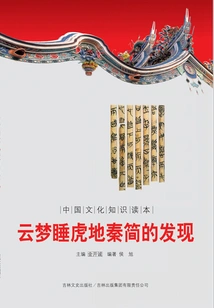
The beautiful and vivid words, concise and popular language, and pictures and texts in "Chinese Culture Knowledge Reader: The Discovery of the Tai Bamboo Slips in Yunmengsuihudi" comprehensively display to readers the key points of knowledge such as material culture, institutional culture, behavioral culture, and spiritual culture in Chinese culture.
The beautiful and vivid words, concise and popular language, and pictures and texts in "Chinese Culture Knowledge Reader: The Discovery of the Tai Bamboo Slips in Yunmengsuihudi" comprehensively display to readers the key points of knowledge such as material culture, institutional culture, behavioral culture, and spiritual culture in Chinese culture.
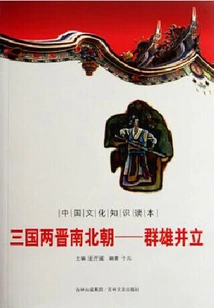
三国两晋南北朝:群雄并立
Editor-in-chief Jin Kaicheng
This "Chinese Cultural Knowledge Reader·Three Kingdoms, Two Jins, Southern and Northern Dynasties: Heroes Stand Together" The Three Kingdoms is the historical period between the Eastern Han Dynasty and the Western Jin Dynasty in Chinese history. During this period, the world was divided into three parts, like a three-legged tripartite, with three regimes: Cao Wei, Shu Han, and Soochow. The Jin Dynasty was divided into two periods: the Western Jin Dynasty and the Eastern Jin Dynasty. In the first year of Taishi, Sima Yan replaced Cao Wei and proclaimed himself emperor. The country was named Jin, and its capital was Luoyang. It was called the Western Jin Dynasty in history. In the first year of Jianwu, Sima Rui reestablished the Jin Dynasty in Jianye, which was known as the Eastern Jin Dynasty in history. After the fall of the Eastern Jin Dynasty, four dynasties emerged in the south: Song, Qi, Liang, and Chen. Together with the Northern Wei, Eastern Wei, Western Wei, Northern Qi, and Northern Zhou in the north, they were collectively called the Southern and Northern Dynasties.
This "Chinese Cultural Knowledge Reader·Three Kingdoms, Two Jins, Southern and Northern Dynasties: Heroes Stand Together" The Three Kingdoms is the historical period between the Eastern Han Dynasty and the Western Jin Dynasty in Chinese history. During this period, the world was divided into three parts, like a three-legged tripartite, with three regimes: Cao Wei, Shu Han, and Soochow. The Jin Dynasty was divided into two periods: the Western Jin Dynasty and the Eastern Jin Dynasty. In the first year of Taishi, Sima Yan replaced Cao Wei and proclaimed himself emperor. The country was named Jin, and its capital was Luoyang. It was called the Western Jin Dynasty in history. In the first year of Jianwu, Sima Rui reestablished the Jin Dynasty in Jianye, which was known as the Eastern Jin Dynasty in history. After the fall of the Eastern Jin Dynasty, four dynasties emerged in the south: Song, Qi, Liang, and Chen. Together with the Northern Wei, Eastern Wei, Western Wei, Northern Qi, and Northern Zhou in the north, they were collectively called the Southern and Northern Dynasties.
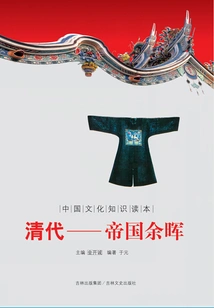
清代:帝国余晖
Editor-in-chief Jin Kaicheng
The Qing Dynasty was a feudal dynasty established by the Jurchen people. It was the second period in Chinese history after the Yuan Dynasty when an ethnic minority, the Manchu, ruled China. It was one of the great dynasties that unified the country in Chinese history, and was also the last feudal dynasty in Chinese history. The population of the Qing Dynasty was also the highest among all feudal dynasties, reaching more than 400 million at the end of the Qing Dynasty. In the early Qing Dynasty, in order to ease class conflicts, policies were implemented to reward land reclamation and reduce or exempt taxes, which led to social and economic development in the inland and frontier areas. By the middle of the 18th century, the feudal economy had developed to a new peak, known in history as the "Kang-Qian Gu Era". "Chinese Cultural Knowledge Reader Qing Dynasty: The Afterglow of the Empire" is suitable for general reading.
The Qing Dynasty was a feudal dynasty established by the Jurchen people. It was the second period in Chinese history after the Yuan Dynasty when an ethnic minority, the Manchu, ruled China. It was one of the great dynasties that unified the country in Chinese history, and was also the last feudal dynasty in Chinese history. The population of the Qing Dynasty was also the highest among all feudal dynasties, reaching more than 400 million at the end of the Qing Dynasty. In the early Qing Dynasty, in order to ease class conflicts, policies were implemented to reward land reclamation and reduce or exempt taxes, which led to social and economic development in the inland and frontier areas. By the middle of the 18th century, the feudal economy had developed to a new peak, known in history as the "Kang-Qian Gu Era". "Chinese Cultural Knowledge Reader Qing Dynasty: The Afterglow of the Empire" is suitable for general reading.
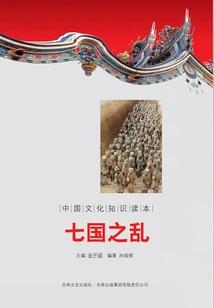
Seven Kingdoms Rebellion
History七国之乱
Editor-in-chief Jin Kaicheng
The main content of "The Rebellion of the Seven Kingdoms" is divided into chapters such as the Rebellion of the Seven Kingdoms, Empress Lu's dictatorship, and Wen Jing's rule. The occurrence of the Seven Kingdoms Rebellion was not accidental. It was influenced by the economy in the early Han Dynasty. It can be said that it was the shortcomings of the feudal system of Liu Bang, the emperor of the Han Dynasty, and the product of the dictatorship of Empress Lu and the reforms of Emperor Wenjing. The process of the Seven Kingdoms Rebellion was extremely complicated. At the same time, many great historical changes took place during this period, leaving behind countless lamentable stories.
The main content of "The Rebellion of the Seven Kingdoms" is divided into chapters such as the Rebellion of the Seven Kingdoms, Empress Lu's dictatorship, and Wen Jing's rule. The occurrence of the Seven Kingdoms Rebellion was not accidental. It was influenced by the economy in the early Han Dynasty. It can be said that it was the shortcomings of the feudal system of Liu Bang, the emperor of the Han Dynasty, and the product of the dictatorship of Empress Lu and the reforms of Emperor Wenjing. The process of the Seven Kingdoms Rebellion was extremely complicated. At the same time, many great historical changes took place during this period, leaving behind countless lamentable stories.
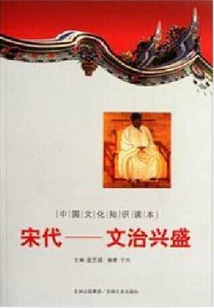
宋代:文治兴盛
Editor-in-chief Jin Kaicheng
The main content of "Song Dynasty - The Rise of Civilization and Governance" is divided into chapters such as the creation of a generation of civilized governance, father and son defending the city, and three generations of ancestors and grandchildren. The Song Dynasty was founded by Zhao Kuangyin and his younger brother Zhao Guangyi.
The main content of "Song Dynasty - The Rise of Civilization and Governance" is divided into chapters such as the creation of a generation of civilized governance, father and son defending the city, and three generations of ancestors and grandchildren. The Song Dynasty was founded by Zhao Kuangyin and his younger brother Zhao Guangyi.
清末四大谴责小说
Editor-in-chief Jin Kaicheng
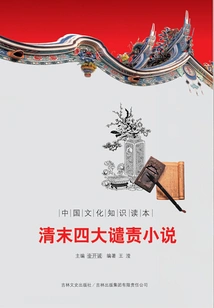
The beautiful and vivid text, concise and popular language, and rich illustrations in "History of Ancient Chinese Literature: Four Condemnation Novels in the Late Qing Dynasty" comprehensively display to readers the key points of knowledge such as material culture, institutional culture, behavioral culture, and spiritual culture in Chinese culture. Bits and pieces of cultural knowledge are like stars, forming the splendid sky of Chinese culture. It can make a modest contribution to carrying forward China's five thousand years of excellent traditional culture, strengthening the unity of all ethnic groups, and building a socialist harmonious society.
The beautiful and vivid text, concise and popular language, and rich illustrations in "History of Ancient Chinese Literature: Four Condemnation Novels in the Late Qing Dynasty" comprehensively display to readers the key points of knowledge such as material culture, institutional culture, behavioral culture, and spiritual culture in Chinese culture. Bits and pieces of cultural knowledge are like stars, forming the splendid sky of Chinese culture. It can make a modest contribution to carrying forward China's five thousand years of excellent traditional culture, strengthening the unity of all ethnic groups, and building a socialist harmonious society.
齐国故城临淄
Editor-in-chief Jin Kaicheng
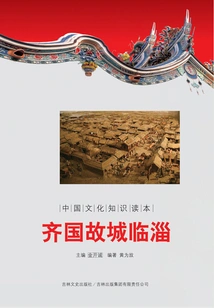
The beautiful and vivid text, concise and popular language, and rich illustrations in "Linzi, the Ancient City of Qi" fully display to readers the key points of knowledge such as material culture, institutional culture, behavioral culture, and spiritual culture in Chinese culture.
The beautiful and vivid text, concise and popular language, and rich illustrations in "Linzi, the Ancient City of Qi" fully display to readers the key points of knowledge such as material culture, institutional culture, behavioral culture, and spiritual culture in Chinese culture.
Humen Destroys Cigarettes
History虎门销烟
Editor-in-chief Jin Kaicheng
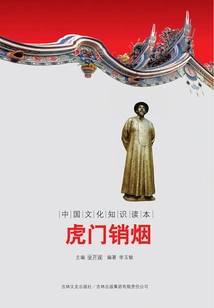
"The Smoking of Opium in Humen" edited by Li Yumin is one of the series of books, which introduces the relevant contents of the Smoking of Opium in Humen. The beautiful and vivid words, concise and popular language, and pictures and texts in "Stopping the Opium at Humen" comprehensively display to readers the key points of knowledge such as material culture, institutional culture, behavioral culture, and spiritual culture in Chinese culture. Bits and pieces of cultural knowledge are like stars, forming the splendid sky of Chinese culture. It can make a modest contribution to carrying forward China's five thousand years of excellent traditional culture, strengthening the unity of all ethnic groups, and building a socialist harmonious society.
"The Smoking of Opium in Humen" edited by Li Yumin is one of the series of books, which introduces the relevant contents of the Smoking of Opium in Humen. The beautiful and vivid words, concise and popular language, and pictures and texts in "Stopping the Opium at Humen" comprehensively display to readers the key points of knowledge such as material culture, institutional culture, behavioral culture, and spiritual culture in Chinese culture. Bits and pieces of cultural knowledge are like stars, forming the splendid sky of Chinese culture. It can make a modest contribution to carrying forward China's five thousand years of excellent traditional culture, strengthening the unity of all ethnic groups, and building a socialist harmonious society.