Library
Browse and search books
10 novels found
中外文论(2017年第2期)
Editor-in-chief Gao Jianping
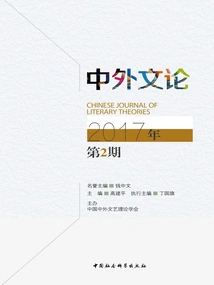
The content of this issue is divided into 6 columns. The "Basic Theoretical Research" column is based on the study of Chinese literary theory and reflects on the Chinese travel of Western literary theory. It not only thinks about issues from the perspective of macro-disciplinary construction or long-term literary history, but also uses specific literary theorists as examples to clarify the various influences of their Chinese travel. The "Western Literary Theory Research" column takes into account the different literary theory traditions of Europe and the United States. It not only pays attention to Western Marxist literary theory, but also focuses on cutting-edge ideas in media and symbols. The "Research on Ancient Literary Theory" column focuses on the study of ancient literary theory. The papers in this issue are not only based on people, but also grasp the thoughts of individual literary theorists, such as Shi Tao's "respect for acceptance" theory, Liang Qichao's poetic view, Ye Xie's poetic view, etc., And also study stylistic issues. "Cultural Studies" focuses on current hot topics in cultural research, such as cultural industries, games, and national identity issues. The "Film Research" column focuses on film appreciation, covering both domestically produced films and Hollywood blockbusters. The "Literature Reading" column starts from specific literary works to elucidate thoughts. The study of Japanese literary works is a highlight of this issue. "Selected Translations" is a new column in this issue. Three translations are selected, covering a wide range of topics and being of high quality, making them worth reading.
The content of this issue is divided into 6 columns. The "Basic Theoretical Research" column is based on the study of Chinese literary theory and reflects on the Chinese travel of Western literary theory. It not only thinks about issues from the perspective of macro-disciplinary construction or long-term literary history, but also uses specific literary theorists as examples to clarify the various influences of their Chinese travel. The "Western Literary Theory Research" column takes into account the different literary theory traditions of Europe and the United States. It not only pays attention to Western Marxist literary theory, but also focuses on cutting-edge ideas in media and symbols. The "Research on Ancient Literary Theory" column focuses on the study of ancient literary theory. The papers in this issue are not only based on people, but also grasp the thoughts of individual literary theorists, such as Shi Tao's "respect for acceptance" theory, Liang Qichao's poetic view, Ye Xie's poetic view, etc., And also study stylistic issues. "Cultural Studies" focuses on current hot topics in cultural research, such as cultural industries, games, and national identity issues. The "Film Research" column focuses on film appreciation, covering both domestically produced films and Hollywood blockbusters. The "Literature Reading" column starts from specific literary works to elucidate thoughts. The study of Japanese literary works is a highlight of this issue. "Selected Translations" is a new column in this issue. Three translations are selected, covering a wide range of topics and being of high quality, making them worth reading.
中外文论(2019年第2期)
Editor-in-chief Gao Jianping
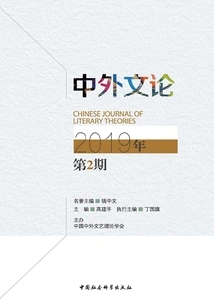
The content of this issue is divided into 5 columns. The first column is: "Contemporary Theory and Criticism", which explores issues such as non-fiction historical writing, gaps in theatrical performances, and complaint culture. This column includes not only theoretical criticism of traditional media works, but also attention to new media and popular culture. It is hoped that it can be based on the current situation and use theory to intervene in literary and artistic creation activities in the new era. The second column is: "Chinese Literary Theory", which includes a set of ancient literary theory monographs ""The Romance of the Three Kingdoms" and Chinese Narratology", which reveals the essence of Chinese classical narrative theory through close reading and theoretical analysis of classic works. In addition, this column also contains articles discussing modern Chinese literary theory, such as the analysis of Mao Dun's "social and national life" theory, etc. The third column: "Western Literary Theory" includes a group of thematic papers "Study of Aristotle's Original Classics", focusing on theoretical classics such as "Poetics" and in-depth exploration of the axial categories of Western literary theory such as mimesis, "catasis", and "plot center theory". In addition, this column also contains research papers on modern Western theorists such as Roland Barthes, T. J. Clark, and Emerson. The fourth column is: "Selected Translations", which translates Michel Foucault's "Problems of Method" and Predrag Secowacki's "Tolstoy on Non-Possession and Non-Violence". The fifth column is: "Book Review", which reviews and discusses "Baudelaire: From Urban Experience to Poetic Experience" and new developments in urban aesthetics research.
The content of this issue is divided into 5 columns. The first column is: "Contemporary Theory and Criticism", which explores issues such as non-fiction historical writing, gaps in theatrical performances, and complaint culture. This column includes not only theoretical criticism of traditional media works, but also attention to new media and popular culture. It is hoped that it can be based on the current situation and use theory to intervene in literary and artistic creation activities in the new era. The second column is: "Chinese Literary Theory", which includes a set of ancient literary theory monographs ""The Romance of the Three Kingdoms" and Chinese Narratology", which reveals the essence of Chinese classical narrative theory through close reading and theoretical analysis of classic works. In addition, this column also contains articles discussing modern Chinese literary theory, such as the analysis of Mao Dun's "social and national life" theory, etc. The third column: "Western Literary Theory" includes a group of thematic papers "Study of Aristotle's Original Classics", focusing on theoretical classics such as "Poetics" and in-depth exploration of the axial categories of Western literary theory such as mimesis, "catasis", and "plot center theory". In addition, this column also contains research papers on modern Western theorists such as Roland Barthes, T. J. Clark, and Emerson. The fourth column is: "Selected Translations", which translates Michel Foucault's "Problems of Method" and Predrag Secowacki's "Tolstoy on Non-Possession and Non-Violence". The fifth column is: "Book Review", which reviews and discusses "Baudelaire: From Urban Experience to Poetic Experience" and new developments in urban aesthetics research.
中外文论(2018年第1期)
Editor-in-chief Gao Jianping
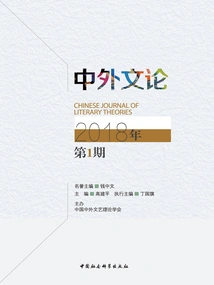
"Chinese and Foreign Literary Theory (Issue 2018)" is divided into six columns. "Research on Chinese Literary Theory" focuses on the discussion of literary and artistic theories of famous modern and contemporary Chinese literary and artistic theorists. The column "Research on Western Literary Theory" has a balanced focus: it includes special studies on characters, as well as an overview of issues in the history of literary theory and a review of literary theory research. "Research on Ancient Literary Theory" displays and discusses specific and detailed issues in ancient literary theory from multiple perspectives such as taking people as the guideline and problem as the guideline. "Selected Translations" contains a full selection of the translations of the lectures on Aristotle's poetry by the famous aesthetic and art theorist Carroll, to demonstrate the importance that contemporary art researchers attach to and carry forward the tradition of classical poetry.
"Chinese and Foreign Literary Theory (Issue 2018)" is divided into six columns. "Research on Chinese Literary Theory" focuses on the discussion of literary and artistic theories of famous modern and contemporary Chinese literary and artistic theorists. The column "Research on Western Literary Theory" has a balanced focus: it includes special studies on characters, as well as an overview of issues in the history of literary theory and a review of literary theory research. "Research on Ancient Literary Theory" displays and discusses specific and detailed issues in ancient literary theory from multiple perspectives such as taking people as the guideline and problem as the guideline. "Selected Translations" contains a full selection of the translations of the lectures on Aristotle's poetry by the famous aesthetic and art theorist Carroll, to demonstrate the importance that contemporary art researchers attach to and carry forward the tradition of classical poetry.
当代中国文艺理论研究:1949—2019(全二卷)
Editor-in-chief Gao Jianping
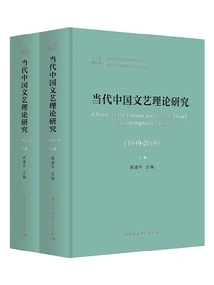
In the seventy years since the founding of the People's Republic of China, literary and artistic theory has played an extremely important role in the social and cultural life of the Chinese people in different historical periods. From the influence of some literary and artistic debates on the political trends of the time in the early days of the founding of the People's Republic of China, to the situation in which literature and art entered the core area of the ideological and cultural field during the "Cultural Revolution", to the great significance of literature and art in promoting ideological transformation in the early days of reform and opening up, to the role of literature and art research in the construction of contemporary society and culture in the first decade of the new century, this book has carefully studied everything. The characteristic of this book is that the author does not focus mainly on the description of the historical process of the seventy years, but uses the issues as the outline and selects the central issues of the literary and art debates in the past seventy years for special discussions. He strives to use the theory to bring history and to see the history, and goes deep into the internal affairs of these debates to sort out the data and put forward his own opinions. Therefore, this book not only records the history of literary theory over the past seventy years, but more importantly, learns the new by reviewing the past and puts forward constructive opinions and ideas for the construction of new literary theory in the new era.
In the seventy years since the founding of the People's Republic of China, literary and artistic theory has played an extremely important role in the social and cultural life of the Chinese people in different historical periods. From the influence of some literary and artistic debates on the political trends of the time in the early days of the founding of the People's Republic of China, to the situation in which literature and art entered the core area of the ideological and cultural field during the "Cultural Revolution", to the great significance of literature and art in promoting ideological transformation in the early days of reform and opening up, to the role of literature and art research in the construction of contemporary society and culture in the first decade of the new century, this book has carefully studied everything. The characteristic of this book is that the author does not focus mainly on the description of the historical process of the seventy years, but uses the issues as the outline and selects the central issues of the literary and art debates in the past seventy years for special discussions. He strives to use the theory to bring history and to see the history, and goes deep into the internal affairs of these debates to sort out the data and put forward his own opinions. Therefore, this book not only records the history of literary theory over the past seventy years, but more importantly, learns the new by reviewing the past and puts forward constructive opinions and ideas for the construction of new literary theory in the new era.
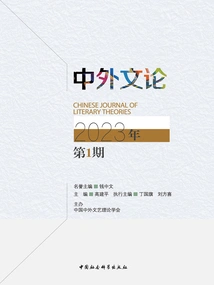
中外文论(2023年第1期)
Editor-in-chief Gao Jianping
Today, China is facing major changes unseen in a century. Chinese contemporary literature and art are also developing in response to the changes in the world structure. Under this background, new literary and artistic phenomena, literary methods, literary and artistic trends, etc. Have been born. Today, researchers of literary and art theory must not only face new situations, new problems, and new insights in the development of literature and art, but also explore new expressions, new directions, and new forms in the construction of literary and art theoretical discourse systems. Today, as the Chinese nation moves towards its second centenary goal, the development of my country's literary and artistic theory is facing better development opportunities, and Chinese literary and artistic theoretical discourse has also gained more global space in the context of the "post-theoretical era". This book will discuss exclusive interviews with directors, Western literary theory, the construction of Chinese literary theory, modern and contemporary Chinese literary theory, ancient Chinese literary theory, and translations.
Today, China is facing major changes unseen in a century. Chinese contemporary literature and art are also developing in response to the changes in the world structure. Under this background, new literary and artistic phenomena, literary methods, literary and artistic trends, etc. Have been born. Today, researchers of literary and art theory must not only face new situations, new problems, and new insights in the development of literature and art, but also explore new expressions, new directions, and new forms in the construction of literary and art theoretical discourse systems. Today, as the Chinese nation moves towards its second centenary goal, the development of my country's literary and artistic theory is facing better development opportunities, and Chinese literary and artistic theoretical discourse has also gained more global space in the context of the "post-theoretical era". This book will discuss exclusive interviews with directors, Western literary theory, the construction of Chinese literary theory, modern and contemporary Chinese literary theory, ancient Chinese literary theory, and translations.
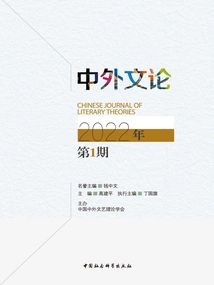
中外文论(2022年第1期)
Editor-in-chief Gao Jianping
"Chinese and Foreign Literary Theory" mainly collects conference exchange papers submitted by scholars participating in the annual meeting of the society. It also accepts regular contributions from members and domestic and foreign scholars engaged in literary theory research, including academic papers, translations, reviews, book reviews, and valuable research materials. This book contains five parts: research on the Sinicization of Western literary theory, Eastern and Western cross-cultural aesthetics, research on basic Western literary theory, poetics and humanities, and translation, plus two appendices.
"Chinese and Foreign Literary Theory" mainly collects conference exchange papers submitted by scholars participating in the annual meeting of the society. It also accepts regular contributions from members and domestic and foreign scholars engaged in literary theory research, including academic papers, translations, reviews, book reviews, and valuable research materials. This book contains five parts: research on the Sinicization of Western literary theory, Eastern and Western cross-cultural aesthetics, research on basic Western literary theory, poetics and humanities, and translation, plus two appendices.
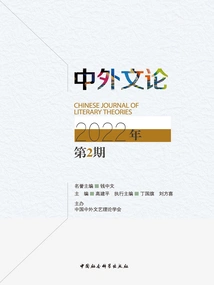
中外文论(2022年第2期)
Editor-in-chief Gao Jianping
This book includes regular columns such as interviews with famous writers, Chinese literary theory, Western literary theory, and work criticism, as well as a special topic "Sound and Image: Cross-Media Literary Theory." The famous interview column will present the reflections of three famous scholars in the field of literature and art, Zhang Jing, Zhang Liqun, and Xing Jianchang, on basic issues in the construction of aesthetics and poetics, the overall view of Chinese literary criticism, and literary theory and knowledge. The Chinese Literary Theory column includes research on issues such as the rise of Chinese characters in poetry, Zhu Xi's theory of "plainness", and the literary thoughts of the translators in the late Qing Dynasty.
This book includes regular columns such as interviews with famous writers, Chinese literary theory, Western literary theory, and work criticism, as well as a special topic "Sound and Image: Cross-Media Literary Theory." The famous interview column will present the reflections of three famous scholars in the field of literature and art, Zhang Jing, Zhang Liqun, and Xing Jianchang, on basic issues in the construction of aesthetics and poetics, the overall view of Chinese literary criticism, and literary theory and knowledge. The Chinese Literary Theory column includes research on issues such as the rise of Chinese characters in poetry, Zhu Xi's theory of "plainness", and the literary thoughts of the translators in the late Qing Dynasty.
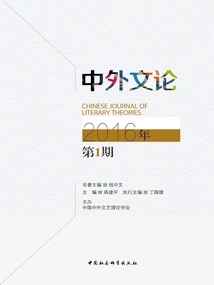
中外文论(2016年第1期)
Editor-in-chief Gao Jianping
Under the general title of "Literary Theory and Criticism Facing the Times", this book collects 50 research papers on seven special topics, including "Basic Theory of Literature", "Ancient Chinese Literary Theory", "Comparison of Western Literary Theory and Chinese and Foreign Literary Theory", "Western Marxist Literary Theory", "Culture and New Media Ecocriticism", "Literary Criticism Research and Work Analysis", "Literature and Art Research", and 2 "Addresses", totaling more than 530,000 words. The papers included now were selected from more than 80 articles through careful reading. These research papers focus on problem awareness, emphasize academicity, reality, and orientation. They have conducted in-depth thinking on important issues in the current field of literary and art theory in our country, and conducted in-depth research on some theoretical issues in literature, art and culture in the form of thematic theory. Many of the authors of the paper are famous domestic scholars in related fields. This collection of academic articles also has a special topic of "Literature and Art Research", and selects three latest research results by foreign scholars, which plays an important role in the exchange and dialogue between my country's research in related fields and foreign research.
Under the general title of "Literary Theory and Criticism Facing the Times", this book collects 50 research papers on seven special topics, including "Basic Theory of Literature", "Ancient Chinese Literary Theory", "Comparison of Western Literary Theory and Chinese and Foreign Literary Theory", "Western Marxist Literary Theory", "Culture and New Media Ecocriticism", "Literary Criticism Research and Work Analysis", "Literature and Art Research", and 2 "Addresses", totaling more than 530,000 words. The papers included now were selected from more than 80 articles through careful reading. These research papers focus on problem awareness, emphasize academicity, reality, and orientation. They have conducted in-depth thinking on important issues in the current field of literary and art theory in our country, and conducted in-depth research on some theoretical issues in literature, art and culture in the form of thematic theory. Many of the authors of the paper are famous domestic scholars in related fields. This collection of academic articles also has a special topic of "Literature and Art Research", and selects three latest research results by foreign scholars, which plays an important role in the exchange and dialogue between my country's research in related fields and foreign research.
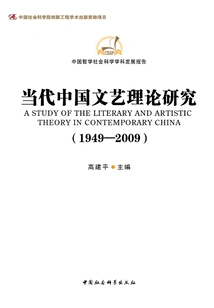
当代中国文艺理论研究(1949-2009)
Editor-in-chief Gao Jianping
Over the past sixty years since the founding of New China, literary theory has played an extremely important role in the social and cultural life of the Chinese people in different historical periods. From the influence of some literary and artistic controversies on the political trends of the time in the early years of the founding of the People's Republic of China, to the situation in which literature and art entered the core area of the ideological and cultural field during the "Cultural Revolution", to the great significance of literature and art in promoting the transformation of ritual forms in the early days of reform and opening up, to the role of literature and art research in the construction of contemporary society and culture in the first decade of the new century, this book has conducted careful research.
Over the past sixty years since the founding of New China, literary theory has played an extremely important role in the social and cultural life of the Chinese people in different historical periods. From the influence of some literary and artistic controversies on the political trends of the time in the early years of the founding of the People's Republic of China, to the situation in which literature and art entered the core area of the ideological and cultural field during the "Cultural Revolution", to the great significance of literature and art in promoting the transformation of ritual forms in the early days of reform and opening up, to the role of literature and art research in the construction of contemporary society and culture in the first decade of the new century, this book has conducted careful research.
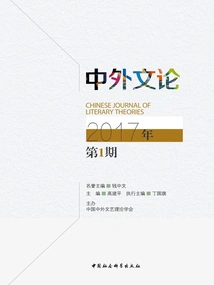
中外文论(2017年第1期)
Editor-in-chief Gao Jianping
"Chinese and Foreign Literary Theory (Issue 2017)" is divided into six columns. "Research on Famous Artists' Theories" focuses on the research on literary and artistic theories of famous modern and contemporary Chinese literary and artistic theorists. The articles in this issue mainly focus on the four theorists Chen Duxiu, Fang Dongmei, Liang Zongdai and Zhu Guangqian, covering issues such as their literary theory, poetic theory and cultural personality. The "Basic Theory of Literary and Art" column mainly focuses on the multi-perspective display of important issues in contemporary literary theory, mainly involving the generalization of typical theory, the discussion of the keyword "change" in literary theory, and the study of autobiographical narrative models. "Research on Ancient Literary Theory" continues its consistent focus: first, discussion centered on propositions, such as the modern reinterpretation of the proposition "Poetry Expresses Chi"; second, research centered on historical issues of criticism; third, analysis of theoretical forms based on characters; fourth, discussion at the methodological level. The "Research on Western Literary Theory" column focuses equally on: first, thematic research on characters; second, the review of issues in the history of literary theory. The third is a review of literary theory research. This issue publishes two reviews of the current status of Western decadent research and Abrams research. "Film Studies" focuses on current focus issues in film aesthetics, such as the intellectual significance of film, "technical" issues in film aesthetics, postmodern ideas in VR film and television narratives, etc. The "Literature Reading" column continues the mode of text reading and appreciation.
"Chinese and Foreign Literary Theory (Issue 2017)" is divided into six columns. "Research on Famous Artists' Theories" focuses on the research on literary and artistic theories of famous modern and contemporary Chinese literary and artistic theorists. The articles in this issue mainly focus on the four theorists Chen Duxiu, Fang Dongmei, Liang Zongdai and Zhu Guangqian, covering issues such as their literary theory, poetic theory and cultural personality. The "Basic Theory of Literary and Art" column mainly focuses on the multi-perspective display of important issues in contemporary literary theory, mainly involving the generalization of typical theory, the discussion of the keyword "change" in literary theory, and the study of autobiographical narrative models. "Research on Ancient Literary Theory" continues its consistent focus: first, discussion centered on propositions, such as the modern reinterpretation of the proposition "Poetry Expresses Chi"; second, research centered on historical issues of criticism; third, analysis of theoretical forms based on characters; fourth, discussion at the methodological level. The "Research on Western Literary Theory" column focuses equally on: first, thematic research on characters; second, the review of issues in the history of literary theory. The third is a review of literary theory research. This issue publishes two reviews of the current status of Western decadent research and Abrams research. "Film Studies" focuses on current focus issues in film aesthetics, such as the intellectual significance of film, "technical" issues in film aesthetics, postmodern ideas in VR film and television narratives, etc. The "Literature Reading" column continues the mode of text reading and appreciation.