Library
Browse and search books
7 novels found
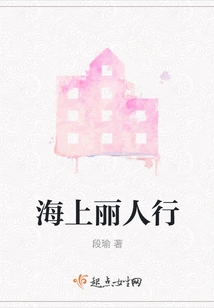
Beauty on the Sea
Slice of Life海上丽人行
Duan Yu
Prosperous sea city, mighty river Four urban beauties Gathering under the same roof in Bungalow No. 18 The glamorous and unrestrained An Qi, the simple and motivated Qiu Xiaoya The gentle and capable Chen Jiahui, the wise and unrestrained Jiang Feng When all kinds of problems in life, such as love, work, dreams, etc., Come like a storm ........ Do they choose to face it soberly or go with the flow? Choose to move forward bravely or retreat timidly?
Prosperous sea city, mighty river Four urban beauties Gathering under the same roof in Bungalow No. 18 The glamorous and unrestrained An Qi, the simple and motivated Qiu Xiaoya The gentle and capable Chen Jiahui, the wise and unrestrained Jiang Feng When all kinds of problems in life, such as love, work, dreams, etc., Come like a storm ........ Do they choose to face it soberly or go with the flow? Choose to move forward bravely or retreat timidly?
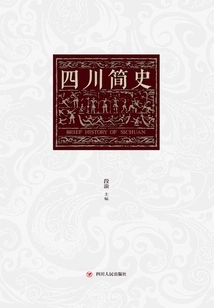
A Brief History of Sichuan
History四川简史
Duan Yu
Sichuan was called Bashu in ancient times, or Shu for short. Sichuan is located in the hinterland of southwest China and at the hub of the upper reaches of the Yangtze River. It has a vast territory and numerous ethnic groups. It has been known as "a natural treasure with abundant resources and outstanding people" since ancient times. Although it is far away from the Central Plains, its historical evolution pace is generally consistent with that of the Central Plains. In most historical periods, Sichuan has enjoyed political clarity, economic development, and cultural prosperity, and has always been regarded as the strategic rear area of the motherland. Therefore, the fertile fields of Shu are thousands of miles away, and they are called land and sea. When there is a drought, water will be diverted to infiltrate it, and when it rains, the water gates will be blocked. Therefore, it is recorded that "floods and droughts follow people, and they don't know about famine." There are no famine years, and the world calls it Tianfu.
Sichuan was called Bashu in ancient times, or Shu for short. Sichuan is located in the hinterland of southwest China and at the hub of the upper reaches of the Yangtze River. It has a vast territory and numerous ethnic groups. It has been known as "a natural treasure with abundant resources and outstanding people" since ancient times. Although it is far away from the Central Plains, its historical evolution pace is generally consistent with that of the Central Plains. In most historical periods, Sichuan has enjoyed political clarity, economic development, and cultural prosperity, and has always been regarded as the strategic rear area of the motherland. Therefore, the fertile fields of Shu are thousands of miles away, and they are called land and sea. When there is a drought, water will be diverted to infiltrate it, and when it rains, the water gates will be blocked. Therefore, it is recorded that "floods and droughts follow people, and they don't know about famine." There are no famine years, and the world calls it Tianfu.
Can I escape? An invisible net covers my world Can I escape?
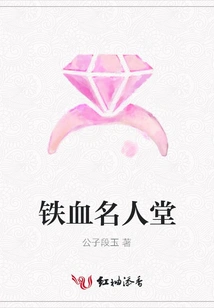
Jagged Hall of Fame
Modern Romance铁血名人堂
Duan Yu
In the middle of the Ming Dynasty, all the vassals of the Fusang Kingdom in Japan arose together, and the heroes competed with each other. General Kirigakure Raizo took the opportunity to take control of the shogunate. He went on a killing spree under the pretext of eradicating those who rebelled against the party and being loyal to the emperor, in an attempt to wipe out all those hostile forces. For a time, a bloody storm enveloped the Fuso Islands. In this unprecedented and tragic massacre, some of the defeated feudal lords were forced to go into exile outside the territory. They either stayed on one side and waited for an opportunity to return to their country, or they lived anonymously and endured humiliation. There was another group of noble-born royal family members who were exiled because they refused to succumb to Kirigakure's lustful power. With the support of many dead men, they lurked in the Middle-earth, where they recruited party members, prepared soldiers, and gathered the exiled feudal lords under their command. They paid heavy sums of money to bribe powerful traitors in the DPRK and had other agendas... A catastrophe that almost reshaped the fate of the country quietly began -
In the middle of the Ming Dynasty, all the vassals of the Fusang Kingdom in Japan arose together, and the heroes competed with each other. General Kirigakure Raizo took the opportunity to take control of the shogunate. He went on a killing spree under the pretext of eradicating those who rebelled against the party and being loyal to the emperor, in an attempt to wipe out all those hostile forces. For a time, a bloody storm enveloped the Fuso Islands. In this unprecedented and tragic massacre, some of the defeated feudal lords were forced to go into exile outside the territory. They either stayed on one side and waited for an opportunity to return to their country, or they lived anonymously and endured humiliation. There was another group of noble-born royal family members who were exiled because they refused to succumb to Kirigakure's lustful power. With the support of many dead men, they lurked in the Middle-earth, where they recruited party members, prepared soldiers, and gathered the exiled feudal lords under their command. They paid heavy sums of money to bribe powerful traitors in the DPRK and had other agendas... A catastrophe that almost reshaped the fate of the country quietly began -
Chuhe's Dream
Short Fiction楚河惊梦
Duan Yu
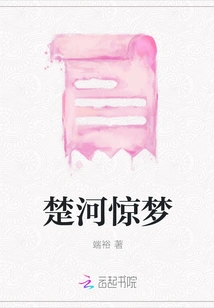
The author was inspired by the book "The Temple of the Golden Pavilion" and adapted the story on a cruise ship. In this story, the author created a touching love story with sad and beautiful writing, like a soothing flower blooming in the dark quagmire. When all the past disappears like a dream awakening, how should we deal with it?
The author was inspired by the book "The Temple of the Golden Pavilion" and adapted the story on a cruise ship. In this story, the author created a touching love story with sad and beautiful writing, like a soothing flower blooming in the dark quagmire. When all the past disappears like a dream awakening, how should we deal with it?
System default
Discover Sanxingdui
History发现三星堆
Duan Yu
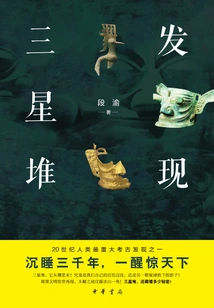
This book is a popular reading that scientifically and systematically reflects the research results of the Sanxingdui culture, the ancient civilization center of the upper reaches of the Yangtze River. The book is printed in four colors and contains more than 600 color pictures. It shows the connotation of Sanxingdui civilization in a simple and easy-to-understand way with both pictures and text. The book discusses in detail the economic aspects of Sanxingdui civilization such as agriculture, handicrafts, cities, transportation, trade and other aspects from Sanxingdui: the reappearance of civilization, theocracy and civilization, the operating system of theocratic government, ancient Shu civilization, Xia and Shang civilization and the civilization in the middle reaches of the Yangtze River, ancient Shu civilization and ancient Eurasian civilization, and the Southern Silk Road: ancient Sino-Indian transportation and the spread of Chinese silk to the west. It also conducts a comparative study of Sanxingdui civilization and civilizations in the Central Plains and other regions, as well as ancient civilizations in West Asia. This book expresses profound academic research results in easy-to-understand language. It is both academically advanced and popular. It comprehensively and systematically introduces the mysterious ancient Shu civilization in a scientific and intellectual way of expression, and provides interesting scientific explanations for various unsolved mysteries surrounding the Sanxingdui civilization.
This book is a popular reading that scientifically and systematically reflects the research results of the Sanxingdui culture, the ancient civilization center of the upper reaches of the Yangtze River. The book is printed in four colors and contains more than 600 color pictures. It shows the connotation of Sanxingdui civilization in a simple and easy-to-understand way with both pictures and text. The book discusses in detail the economic aspects of Sanxingdui civilization such as agriculture, handicrafts, cities, transportation, trade and other aspects from Sanxingdui: the reappearance of civilization, theocracy and civilization, the operating system of theocratic government, ancient Shu civilization, Xia and Shang civilization and the civilization in the middle reaches of the Yangtze River, ancient Shu civilization and ancient Eurasian civilization, and the Southern Silk Road: ancient Sino-Indian transportation and the spread of Chinese silk to the west. It also conducts a comparative study of Sanxingdui civilization and civilizations in the Central Plains and other regions, as well as ancient civilizations in West Asia. This book expresses profound academic research results in easy-to-understand language. It is both academically advanced and popular. It comprehensively and systematically introduces the mysterious ancient Shu civilization in a scientific and intellectual way of expression, and provides interesting scientific explanations for various unsolved mysteries surrounding the Sanxingdui civilization.