Library
Browse and search books
1 novel found
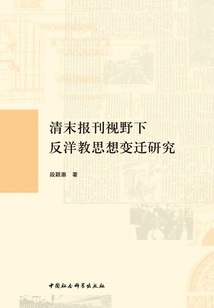
清末报刊视野下反洋教思想变迁研究
Duan Yinghui
From the perspective of modern newspapers and periodicals, and the advancement of historical processes, this book conducts an in-depth and comprehensive study of the ideological understanding behind the anti-foreign religion movement and the negotiation of teaching plans in the late Qing Dynasty, as well as its communication methods and effects. It strives to reveal the root causes of the anti-foreign religion movement from its upsurge to its gradual decline from the perspective of ideological history. The focus is on the transformation process of anti-religious thoughts from "emotional" to "rational" as shown in Chinese people's understanding of lesson plans and anti-religious attitudes. In the context of modernization, we explore the national psychology and goal demands contained in the rational turn to anti-religious ideas, in order to demonstrate the influence and role of the spread and leadership of elite ideas on civil society movements. This book combines history and communication studies, divides the staged changes in ideological changes into phases, unifies individual newspapers and newspaper groups, and focuses on the transformation of ideological cognition and communication methods. It systematically explores the changes in anti-religious ideas from the perspective of newspapers and periodicals and its significance to the modernization movement in the late Qing Dynasty.
From the perspective of modern newspapers and periodicals, and the advancement of historical processes, this book conducts an in-depth and comprehensive study of the ideological understanding behind the anti-foreign religion movement and the negotiation of teaching plans in the late Qing Dynasty, as well as its communication methods and effects. It strives to reveal the root causes of the anti-foreign religion movement from its upsurge to its gradual decline from the perspective of ideological history. The focus is on the transformation process of anti-religious thoughts from "emotional" to "rational" as shown in Chinese people's understanding of lesson plans and anti-religious attitudes. In the context of modernization, we explore the national psychology and goal demands contained in the rational turn to anti-religious ideas, in order to demonstrate the influence and role of the spread and leadership of elite ideas on civil society movements. This book combines history and communication studies, divides the staged changes in ideological changes into phases, unifies individual newspapers and newspaper groups, and focuses on the transformation of ideological cognition and communication methods. It systematically explores the changes in anti-religious ideas from the perspective of newspapers and periodicals and its significance to the modernization movement in the late Qing Dynasty.