Library
Browse and search books
3 novels found
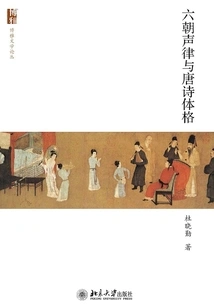
六朝声律与唐诗体格
Du Xiaoqin
The Six Dynasties, Sui and Tang dynasties were important periods for the formation and development of Chinese classical poetry's rhythm. This book combines the investigation of poetic rhythm with historical factual research. First, it conducts a detailed examination of some theoretical issues in the formation of Yongming's theory of rhythm, correcting some biases in the academic circles. It also focuses on the important stage of the single-sentence rhythmization of five-character poems - the background of the emergence of Datong rhythm and the changing trajectory of the rhyme structure of single-sentence five-character poems. Secondly, this book also has many achievements in tracing the origin and analysis of Tang poetry styles. For example, it explains the connotation of "Qiliang style" poetry in the Tang Dynasty from both the artistic style and metrical characteristics of poetry, and compares the similarities and differences between the "Qiliang style" in the Tang Dynasty and the "Yongming style" in the Qi Liang Dynasty in terms of body and rhythm; discusses the relationship between the changes in the concept of poetry style in the Tang Dynasty and the migration of political trends; focusing on the old Japanese manuscript "Bai's Collected Works", it analyzes the concepts of "archaic style poetry", "ancient tune poetry", "new Yuefu" and "ge poetry" in the Tang Dynasty. This book is the research result of the National Social Science Foundation project "Establishment of the Rhythm Database of Ancient Chinese Poetry and Research on the Rhythmic Process of Medieval and Modern Poetry" undertaken by the author (Grant No.: 04BZW022, completed, appraisal grade: excellent) and the Ministry of Education Social Science Fund Project "Research on Rhythm Issues in Tang Poetry" (Grant No.: 13YJA751010, under research). It embodies the current new breakthroughs in the study of the rhythm of the Six Dynasties and the poetry style of the Tang Dynasty.
The Six Dynasties, Sui and Tang dynasties were important periods for the formation and development of Chinese classical poetry's rhythm. This book combines the investigation of poetic rhythm with historical factual research. First, it conducts a detailed examination of some theoretical issues in the formation of Yongming's theory of rhythm, correcting some biases in the academic circles. It also focuses on the important stage of the single-sentence rhythmization of five-character poems - the background of the emergence of Datong rhythm and the changing trajectory of the rhyme structure of single-sentence five-character poems. Secondly, this book also has many achievements in tracing the origin and analysis of Tang poetry styles. For example, it explains the connotation of "Qiliang style" poetry in the Tang Dynasty from both the artistic style and metrical characteristics of poetry, and compares the similarities and differences between the "Qiliang style" in the Tang Dynasty and the "Yongming style" in the Qi Liang Dynasty in terms of body and rhythm; discusses the relationship between the changes in the concept of poetry style in the Tang Dynasty and the migration of political trends; focusing on the old Japanese manuscript "Bai's Collected Works", it analyzes the concepts of "archaic style poetry", "ancient tune poetry", "new Yuefu" and "ge poetry" in the Tang Dynasty. This book is the research result of the National Social Science Foundation project "Establishment of the Rhythm Database of Ancient Chinese Poetry and Research on the Rhythmic Process of Medieval and Modern Poetry" undertaken by the author (Grant No.: 04BZW022, completed, appraisal grade: excellent) and the Ministry of Education Social Science Fund Project "Research on Rhythm Issues in Tang Poetry" (Grant No.: 13YJA751010, under research). It embodies the current new breakthroughs in the study of the rhythm of the Six Dynasties and the poetry style of the Tang Dynasty.
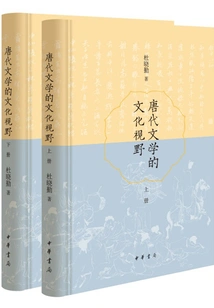
唐代文学的文化视野(全二册)
Du Xiaoqin
The literature of the Tang Dynasty, especially Tang poetry, can be called the most brilliant pearl in the treasure house of Chinese classical literature and art. To study the reasons why Tang poetry achieved such superb artistic achievements, in addition to in-depth analysis of the artistic mechanism of the development of Chinese classical poetry from the Han, Wei and Six Dynasties to the Sui and Tang Dynasties, it is also inseparable from the investigation of the cultural soil, era atmosphere and spiritual charm in which Tang poetry thrives. This book focuses on the above issues and approaches them from multiple angles such as politics, thought, and culture. It not only provides an overall reflection on the formation and connotation of the poetry spirit of the Tang Dynasty, but also provides a specific explanation of the artistic thoughts of representative figures such as Du Fu, Yuan Zhen, Bai Juyi, and Liu Zongyuan. It also has an international cultural perspective and conducts a detailed examination of the international exchange activities of Tang poetry in different fields, including the Silk Road and the East Asian Chinese Character Cultural Circle. It reflects the author's decades of thinking about the development history of Tang Dynasty literature from a social and cultural perspective.
The literature of the Tang Dynasty, especially Tang poetry, can be called the most brilliant pearl in the treasure house of Chinese classical literature and art. To study the reasons why Tang poetry achieved such superb artistic achievements, in addition to in-depth analysis of the artistic mechanism of the development of Chinese classical poetry from the Han, Wei and Six Dynasties to the Sui and Tang Dynasties, it is also inseparable from the investigation of the cultural soil, era atmosphere and spiritual charm in which Tang poetry thrives. This book focuses on the above issues and approaches them from multiple angles such as politics, thought, and culture. It not only provides an overall reflection on the formation and connotation of the poetry spirit of the Tang Dynasty, but also provides a specific explanation of the artistic thoughts of representative figures such as Du Fu, Yuan Zhen, Bai Juyi, and Liu Zongyuan. It also has an international cultural perspective and conducts a detailed examination of the international exchange activities of Tang poetry in different fields, including the Silk Road and the East Asian Chinese Character Cultural Circle. It reflects the author's decades of thinking about the development history of Tang Dynasty literature from a social and cultural perspective.
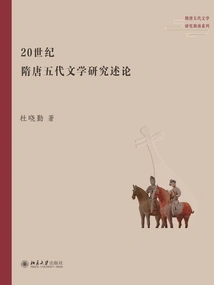
A Review of the Study of Sui, Tang and Five Dynasties Literature in the 20th Century (two Volumes)
Literature20世纪隋唐五代文学研究述论(全二册)
Du Xiaoqin
In the 20th century, the study of literature in the Sui, Tang and Five Dynasties underwent tremendous changes and developed rapidly, showing a trend of gradually expanding the scope of topics, constantly updating research methods, and significantly expanding the depth of research. During this period, a huge number of research results emerged, and there were many original ideas. It is an academic foundation that cannot be bypassed when engaging in research in this field today. This book reviews the academic achievements in the field of literary studies of the Sui, Tang and Five Dynasties in the 20th century from multiple dimensions, including the study of the dynasty literary history of the Sui Dynasty, the early Tang, the prosperous Tang, the middle Tang, the late Tang and the Five Dynasties, as well as the research on Wang Wei, Meng Haoran, Li Bai, Du Fu, and Bai Juyi. It is a systematic review and a relatively comprehensive summary of the research results in this field in the twentieth century. This book can guide researchers who are new to this field or a certain direction in reading, and it can also help them see clearly the ability of various academic viewpoints to withstand the test of time, and improve their discernment and judgment of academic value.
In the 20th century, the study of literature in the Sui, Tang and Five Dynasties underwent tremendous changes and developed rapidly, showing a trend of gradually expanding the scope of topics, constantly updating research methods, and significantly expanding the depth of research. During this period, a huge number of research results emerged, and there were many original ideas. It is an academic foundation that cannot be bypassed when engaging in research in this field today. This book reviews the academic achievements in the field of literary studies of the Sui, Tang and Five Dynasties in the 20th century from multiple dimensions, including the study of the dynasty literary history of the Sui Dynasty, the early Tang, the prosperous Tang, the middle Tang, the late Tang and the Five Dynasties, as well as the research on Wang Wei, Meng Haoran, Li Bai, Du Fu, and Bai Juyi. It is a systematic review and a relatively comprehensive summary of the research results in this field in the twentieth century. This book can guide researchers who are new to this field or a certain direction in reading, and it can also help them see clearly the ability of various academic viewpoints to withstand the test of time, and improve their discernment and judgment of academic value.