Library
Browse and search books
2 novels found
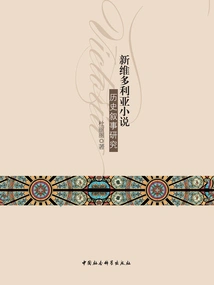
新维多利亚小说历史叙事研究
Du Lili
Neo-Victorian novels refer to the postmodern historical novels that emerged in the 1960s with the historical turn of contemporary British novels, with the Victorian period as the background and reconstruction object. Based on the conceptual definition and characteristics of neo-Victorian novels, this book explores the historical imagination and narrative reconstruction of the Victorian period by contemporary writers from three levels: metahistorical romance narrative mode, spatialized narrative time, and polyphonic narrative voice. The spatiality and hybridity in the narrative form of the neo-Victorian novel, the contradiction and uncertainty in the ideology, and the grotesqueness of ghost writing in the aesthetic style make it the most representative literary style of British postmodernism.
Neo-Victorian novels refer to the postmodern historical novels that emerged in the 1960s with the historical turn of contemporary British novels, with the Victorian period as the background and reconstruction object. Based on the conceptual definition and characteristics of neo-Victorian novels, this book explores the historical imagination and narrative reconstruction of the Victorian period by contemporary writers from three levels: metahistorical romance narrative mode, spatialized narrative time, and polyphonic narrative voice. The spatiality and hybridity in the narrative form of the neo-Victorian novel, the contradiction and uncertainty in the ideology, and the grotesqueness of ghost writing in the aesthetic style make it the most representative literary style of British postmodernism.
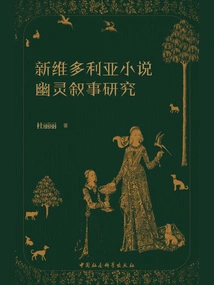
新维多利亚小说幽灵叙事研究
Du Lili
From the theoretical perspective of ghost criticism, this book explains the narrative characteristics of contemporary British neo-Victorian novels from four aspects. First, in terms of language, neo-Victorian novels employ ventriloquism, appropriate words and objects from the Victorian era, and strive to reproduce historical truth in dialogues and negotiations with the ghosts of their predecessors. Secondly, in terms of text, neo-Victorian novels break the linear narrative and make the text a spatial place where ghosts wander, in order to represent the paradox of ghosts transcending presence and absence. Thirdly, thematically, neo-Victorian novels focus on reproducing the trauma of the "other kind of Victorians", revealing how these traumas continue to haunt future generations in the form of ghosts. Finally, it discusses how neo-Victorian novels follow and develop the "female Gothic" theme in Victorian novels, analyzes the reasons for the return of mad women, ghosts, female mediums, etc. In the contemporary context, and reveals the significance of ghost writing in reconstructing the female literary tradition.
From the theoretical perspective of ghost criticism, this book explains the narrative characteristics of contemporary British neo-Victorian novels from four aspects. First, in terms of language, neo-Victorian novels employ ventriloquism, appropriate words and objects from the Victorian era, and strive to reproduce historical truth in dialogues and negotiations with the ghosts of their predecessors. Secondly, in terms of text, neo-Victorian novels break the linear narrative and make the text a spatial place where ghosts wander, in order to represent the paradox of ghosts transcending presence and absence. Thirdly, thematically, neo-Victorian novels focus on reproducing the trauma of the "other kind of Victorians", revealing how these traumas continue to haunt future generations in the form of ghosts. Finally, it discusses how neo-Victorian novels follow and develop the "female Gothic" theme in Victorian novels, analyzes the reasons for the return of mad women, ghosts, female mediums, etc. In the contemporary context, and reveals the significance of ghost writing in reconstructing the female literary tradition.