Library
Browse and search books
8 novels found
大话西游:西游记奇葩阅读指南
Donglang
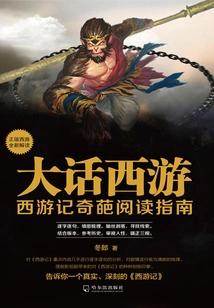
This is a deconstruction of the famous work "Journey to the West". Readers who are interested in this classic may wish to read it. The work is imaginative and full of imagination, revealing six unknown "mysteries" that make people wonder: it reveals that the author of "Journey to the West" is not the well-known Wu Cheng'en, but more likely the great eunuch Feng Bao of the Ming Dynasty. It reveals the mystery of the version. In the Journey to the West, Tang Seng and his disciples are not familiar at all, but a different and subversive performance. It reveals the mystery of the connotation. The seemingly independent stories of the Nine-Nine-Eighty-One Dilemma actually have precise logical connections, aiming to explain destiny to the world. It reveals the mystery of the plot, and the unusual plot in the book is actually a political story full of satire. It reveals the mystery of the characters. It is Tang Monk who cares about trivial matters, but it is Sun Wukong who deeply understands Buddhism. The latter's growth is the core of Journey to the West. Finally, the mystery of the background is revealed - the various struggles between heavenly officials, Buddha and Taoism, casting a lingering shadow on the story of Journey to the West. After reading this book, readers will have a hearty and enlightened feeling. By following the classics, but not being superstitious about them, and treating them rationally and with a normal heart, we will eventually understand, love and spread the essence of our culture better.
This is a deconstruction of the famous work "Journey to the West". Readers who are interested in this classic may wish to read it. The work is imaginative and full of imagination, revealing six unknown "mysteries" that make people wonder: it reveals that the author of "Journey to the West" is not the well-known Wu Cheng'en, but more likely the great eunuch Feng Bao of the Ming Dynasty. It reveals the mystery of the version. In the Journey to the West, Tang Seng and his disciples are not familiar at all, but a different and subversive performance. It reveals the mystery of the connotation. The seemingly independent stories of the Nine-Nine-Eighty-One Dilemma actually have precise logical connections, aiming to explain destiny to the world. It reveals the mystery of the plot, and the unusual plot in the book is actually a political story full of satire. It reveals the mystery of the characters. It is Tang Monk who cares about trivial matters, but it is Sun Wukong who deeply understands Buddhism. The latter's growth is the core of Journey to the West. Finally, the mystery of the background is revealed - the various struggles between heavenly officials, Buddha and Taoism, casting a lingering shadow on the story of Journey to the West. After reading this book, readers will have a hearty and enlightened feeling. By following the classics, but not being superstitious about them, and treating them rationally and with a normal heart, we will eventually understand, love and spread the essence of our culture better.
Sha Jie Xing
Xianxia沙界行
Donglang
Zhou Yu believes that he is the most special one in the world and unique. Since I came here inexplicably, the world will definitely change because of me!
Zhou Yu believes that he is the most special one in the world and unique. Since I came here inexplicably, the world will definitely change because of me!
Wenqing of the Tang Dynasty
Literature大唐文青
Donglang
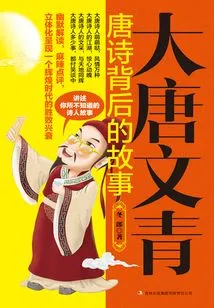
This book uses humorous writing style and uses the poets' works as the starting point to describe the character and deeds of some poets in the early and prosperous Tang Dynasty. Behind every poem, there is a story and a life. For the first time, these "literary youths" from more than a thousand years ago are shown to us in flesh and blood. Some of these poets were arrogant, such as Chen Ziang; some were murderers, such as Wang Bo; some had complicated emotional relationships, such as Wang Wei; some had ill-fated lives, such as Du Fu; some were fake rich people, such as Li Bai... Their various lives constituted one splendid section after another in the history of Chinese literature and art, leaving us with countless popular chapters.
This book uses humorous writing style and uses the poets' works as the starting point to describe the character and deeds of some poets in the early and prosperous Tang Dynasty. Behind every poem, there is a story and a life. For the first time, these "literary youths" from more than a thousand years ago are shown to us in flesh and blood. Some of these poets were arrogant, such as Chen Ziang; some were murderers, such as Wang Bo; some had complicated emotional relationships, such as Wang Wei; some had ill-fated lives, such as Du Fu; some were fake rich people, such as Li Bai... Their various lives constituted one splendid section after another in the history of Chinese literature and art, leaving us with countless popular chapters.
战匈奴之建元新政
Donglang
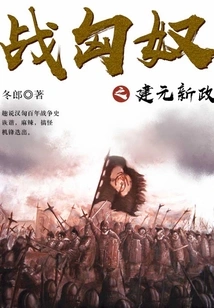
This book is a documentary about the centuries-old war between the Han Dynasty and the Xiongnu. More than 2,000 years ago, when Maodun Chanyu unified the Mongolian plateau, which had been in turmoil and division since the ape-man era, and established the arrogant Hun Empire, the Central Plains once again fell into war and division. As the emperors of the Western Han Dynasty conquered the east and west, and by the time of Emperor Wu of the Han Dynasty, the territory of the Han Dynasty expanded unprecedentedly, and a C-shaped strategy of encircling the Xiongnu emerged. After experiencing countless twists and turns and victories, the Han Dynasty slowly returned to its former peace. After Emperor Zhao's training, Emperor Xuan conducted an unprecedented cavalry raid, which led to large-scale famine in the Huns, and the Huns were completely reduced to a weak country. The Xiongnu were divided and internal fighting continued. Finally, Hu Hanxie Shanyu of the Southern Xiongnu went to Chang'an in person to see Emperor Xuan and bowed his head as vassal. The Han Dynasty began to station troops in the territory of the Xiongnu, and the Zhizhi Chanyu of the Northern Xiongnu led his troops to move westward. At this point, the Western Han Dynasty completely eliminated the northern threat of the Xiongnu. It lasted for more than 160 years from the time when Maodun Chanyu unified the northern grasslands to when Huhanxie Chanyu paid tribute and became a minister. With spicy and humorous writing and a rigorous and prudent attitude, the author recreates the peak showdown between the Han Empire and the Xiongnu Empire that were established in the ruins more than 2,000 years ago. This book is not only a work of history, but also a large-scale record of the Hundred Years' War with "experimental archeology". This book is actually the second part of the history of the Han-Hungarian war. It mainly tells the story of the back-and-forth between the Han and Hungarians with the rise of the wolf clan, with no distinction between superior and inferior.
This book is a documentary about the centuries-old war between the Han Dynasty and the Xiongnu. More than 2,000 years ago, when Maodun Chanyu unified the Mongolian plateau, which had been in turmoil and division since the ape-man era, and established the arrogant Hun Empire, the Central Plains once again fell into war and division. As the emperors of the Western Han Dynasty conquered the east and west, and by the time of Emperor Wu of the Han Dynasty, the territory of the Han Dynasty expanded unprecedentedly, and a C-shaped strategy of encircling the Xiongnu emerged. After experiencing countless twists and turns and victories, the Han Dynasty slowly returned to its former peace. After Emperor Zhao's training, Emperor Xuan conducted an unprecedented cavalry raid, which led to large-scale famine in the Huns, and the Huns were completely reduced to a weak country. The Xiongnu were divided and internal fighting continued. Finally, Hu Hanxie Shanyu of the Southern Xiongnu went to Chang'an in person to see Emperor Xuan and bowed his head as vassal. The Han Dynasty began to station troops in the territory of the Xiongnu, and the Zhizhi Chanyu of the Northern Xiongnu led his troops to move westward. At this point, the Western Han Dynasty completely eliminated the northern threat of the Xiongnu. It lasted for more than 160 years from the time when Maodun Chanyu unified the northern grasslands to when Huhanxie Chanyu paid tribute and became a minister. With spicy and humorous writing and a rigorous and prudent attitude, the author recreates the peak showdown between the Han Empire and the Xiongnu Empire that were established in the ruins more than 2,000 years ago. This book is not only a work of history, but also a large-scale record of the Hundred Years' War with "experimental archeology". This book is actually the second part of the history of the Han-Hungarian war. It mainly tells the story of the back-and-forth between the Han and Hungarians with the rise of the wolf clan, with no distinction between superior and inferior.
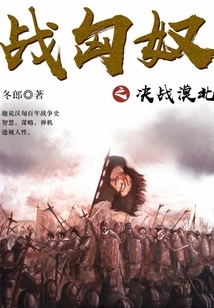
The Decisive Battle Against the Xiongnu in Mobei
General Fiction战匈奴之决战漠北
Donglang
This book is a documentary about the centuries-old war between the Han Dynasty and the Xiongnu. More than 2,000 years ago, when Maodun Chanyu unified the Mongolian plateau, which had been in turmoil and division since the ape-man era, and established the arrogant Hun Empire, the Central Plains once again fell into war and division. As the emperors of the Western Han Dynasty conquered the east and west, and by the time of Emperor Wu of the Han Dynasty, the territory of the Han Dynasty expanded unprecedentedly, and a C-shaped strategy of encircling the Xiongnu emerged. After experiencing countless twists and turns and victories, the Han Dynasty slowly returned to its former peace. After Emperor Zhao's training, Emperor Xuan conducted an unprecedented cavalry raid, which led to large-scale famine in the Huns, and the Huns were completely reduced to a weak country. The Xiongnu were divided and internal fighting continued. Finally, Hu Hanxie Shanyu of the Southern Xiongnu went to Chang'an in person to see Emperor Xuan and bowed his head as vassal. The Han Dynasty began to station troops in the territory of the Xiongnu, and the Zhizhi Chanyu of the Northern Xiongnu led his troops to move westward. At this point, the Western Han Dynasty completely eliminated the northern threat of the Xiongnu. It lasted for more than 160 years from the time when Maodun Chanyu unified the northern grasslands to when Huhanxie Chanyu paid tribute and became a minister. With spicy and humorous writing and a rigorous and prudent attitude, the author recreates the peak showdown between the Han Empire and the Xiongnu Empire that were established in the ruins more than 2,000 years ago. This book is not only a work of history, but also a large-scale record of the Hundred Years' War with "experimental archeology". This book is actually the last chapter of the history of the Han-Hungarian war, mainly telling the decline of the Xiongnu. It ended with the Han Dynasty removing the border threat.
This book is a documentary about the centuries-old war between the Han Dynasty and the Xiongnu. More than 2,000 years ago, when Maodun Chanyu unified the Mongolian plateau, which had been in turmoil and division since the ape-man era, and established the arrogant Hun Empire, the Central Plains once again fell into war and division. As the emperors of the Western Han Dynasty conquered the east and west, and by the time of Emperor Wu of the Han Dynasty, the territory of the Han Dynasty expanded unprecedentedly, and a C-shaped strategy of encircling the Xiongnu emerged. After experiencing countless twists and turns and victories, the Han Dynasty slowly returned to its former peace. After Emperor Zhao's training, Emperor Xuan conducted an unprecedented cavalry raid, which led to large-scale famine in the Huns, and the Huns were completely reduced to a weak country. The Xiongnu were divided and internal fighting continued. Finally, Hu Hanxie Shanyu of the Southern Xiongnu went to Chang'an in person to see Emperor Xuan and bowed his head as vassal. The Han Dynasty began to station troops in the territory of the Xiongnu, and the Zhizhi Chanyu of the Northern Xiongnu led his troops to move westward. At this point, the Western Han Dynasty completely eliminated the northern threat of the Xiongnu. It lasted for more than 160 years from the time when Maodun Chanyu unified the northern grasslands to when Huhanxie Chanyu paid tribute and became a minister. With spicy and humorous writing and a rigorous and prudent attitude, the author recreates the peak showdown between the Han Empire and the Xiongnu Empire that were established in the ruins more than 2,000 years ago. This book is not only a work of history, but also a large-scale record of the Hundred Years' War with "experimental archeology". This book is actually the last chapter of the history of the Han-Hungarian war, mainly telling the decline of the Xiongnu. It ended with the Han Dynasty removing the border threat.
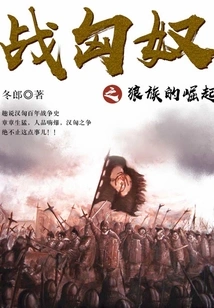
The Rise of the Wolf Clan in the Battle of the Huns
General Fiction战匈奴之狼族的崛起
Donglang
This book is a documentary about the centuries-old war between the Han Dynasty and the Xiongnu. More than 2,000 years ago, when Maodun Chanyu unified the Mongolian plateau, which had been in turmoil and division since the ape-man era, and established the arrogant Hun Empire, the Central Plains once again fell into war and division. As the emperors of the Western Han Dynasty conquered the east and west, and by the time of Emperor Wu of the Han Dynasty, the territory of the Han Dynasty expanded unprecedentedly, and a C-shaped strategy of encircling the Xiongnu emerged. After experiencing countless twists and turns and victories, the Han Dynasty slowly returned to its former peace. After Emperor Zhao's training, Emperor Xuan conducted an unprecedented cavalry raid, which led to large-scale famine in the Huns, and the Huns were completely reduced to a weak country. The Xiongnu were divided and internal fighting continued. Finally, Hu Hanxie Shanyu of the Southern Xiongnu went to Chang'an in person to see Emperor Xuan and bowed his head as vassal. The Han Dynasty began to station troops in the territory of the Xiongnu, and the Zhizhi Chanyu of the Northern Xiongnu led his troops to move westward. At this point, the Western Han Dynasty completely eliminated the northern threat of the Xiongnu. It lasted for more than 160 years from the time when Maodun Chanyu unified the northern grasslands to when Huhanxie Chanyu paid tribute and became a minister. With spicy and humorous writing and a rigorous and prudent attitude, the author recreates the peak showdown between the Han Empire and the Xiongnu Empire that were established in the ruins more than 2,000 years ago. This book is not only a work of history, but also a large-scale record of the Hundred Years' War with "experimental archeology". This book is actually the first part of the history of the Han-Hungarian war. It mainly tells the rise and growth of the steppe wolves.
This book is a documentary about the centuries-old war between the Han Dynasty and the Xiongnu. More than 2,000 years ago, when Maodun Chanyu unified the Mongolian plateau, which had been in turmoil and division since the ape-man era, and established the arrogant Hun Empire, the Central Plains once again fell into war and division. As the emperors of the Western Han Dynasty conquered the east and west, and by the time of Emperor Wu of the Han Dynasty, the territory of the Han Dynasty expanded unprecedentedly, and a C-shaped strategy of encircling the Xiongnu emerged. After experiencing countless twists and turns and victories, the Han Dynasty slowly returned to its former peace. After Emperor Zhao's training, Emperor Xuan conducted an unprecedented cavalry raid, which led to large-scale famine in the Huns, and the Huns were completely reduced to a weak country. The Xiongnu were divided and internal fighting continued. Finally, Hu Hanxie Shanyu of the Southern Xiongnu went to Chang'an in person to see Emperor Xuan and bowed his head as vassal. The Han Dynasty began to station troops in the territory of the Xiongnu, and the Zhizhi Chanyu of the Northern Xiongnu led his troops to move westward. At this point, the Western Han Dynasty completely eliminated the northern threat of the Xiongnu. It lasted for more than 160 years from the time when Maodun Chanyu unified the northern grasslands to when Huhanxie Chanyu paid tribute and became a minister. With spicy and humorous writing and a rigorous and prudent attitude, the author recreates the peak showdown between the Han Empire and the Xiongnu Empire that were established in the ruins more than 2,000 years ago. This book is not only a work of history, but also a large-scale record of the Hundred Years' War with "experimental archeology". This book is actually the first part of the history of the Han-Hungarian war. It mainly tells the rise and growth of the steppe wolves.
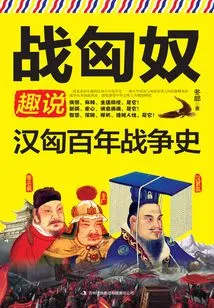
Fight Against the Huns
History战匈奴
Donglang
This book is a documentary about the centuries-old war between the Han Dynasty and the Xiongnu. More than 2,000 years ago, when Maodun Chanyu unified the Mongolian plateau, which had been in turmoil and division since the ape-man era, and established the arrogant Hun Empire, the Central Plains once again fell into war and division. As the emperors of the Western Han Dynasty conquered the east and west, and by the time of Emperor Wu of the Han Dynasty, the territory of the Han Dynasty expanded unprecedentedly, and a C-shaped strategy of encircling the Xiongnu emerged. After experiencing countless twists and turns and victories, the Han Dynasty slowly returned to its former peace. With spicy and humorous writing and a rigorous and prudent attitude, the author recreates the peak showdown between the Han Empire and the Xiongnu Empire that were established in the ruins more than 2,000 years ago.
This book is a documentary about the centuries-old war between the Han Dynasty and the Xiongnu. More than 2,000 years ago, when Maodun Chanyu unified the Mongolian plateau, which had been in turmoil and division since the ape-man era, and established the arrogant Hun Empire, the Central Plains once again fell into war and division. As the emperors of the Western Han Dynasty conquered the east and west, and by the time of Emperor Wu of the Han Dynasty, the territory of the Han Dynasty expanded unprecedentedly, and a C-shaped strategy of encircling the Xiongnu emerged. After experiencing countless twists and turns and victories, the Han Dynasty slowly returned to its former peace. With spicy and humorous writing and a rigorous and prudent attitude, the author recreates the peak showdown between the Han Empire and the Xiongnu Empire that were established in the ruins more than 2,000 years ago.
Fighting the Huns: an Interesting Account of the Centuries-old History of the Han-hungarian War
History战匈奴:趣说汉匈百年战争史
Donglang
This book is a documentary about the centuries-old war between the Han Dynasty and the Xiongnu. More than 2,000 years ago, when Maodun Chanyu unified the Mongolian plateau, which had been in turmoil and division since the ape-man era, and established the arrogant Hun Empire, the Central Plains once again fell into war and division. As the emperors of the Western Han Dynasty conquered the east and west, and by the time of Emperor Wu of the Han Dynasty, the territory of the Han Dynasty expanded unprecedentedly, and a C-shaped strategy of encircling the Xiongnu emerged. After experiencing countless twists and turns and victories, the Han Dynasty slowly returned to its former peace. After Emperor Zhao's training, Emperor Xuan conducted an unprecedented cavalry raid, which led to large-scale famine in the Huns, and the Huns were completely reduced to a weak country. The Xiongnu were divided and internal fighting continued. Finally, Hu Hanxie Shanyu of the Southern Xiongnu went to Chang'an in person to see Emperor Xuan and bowed his head as vassal.
This book is a documentary about the centuries-old war between the Han Dynasty and the Xiongnu. More than 2,000 years ago, when Maodun Chanyu unified the Mongolian plateau, which had been in turmoil and division since the ape-man era, and established the arrogant Hun Empire, the Central Plains once again fell into war and division. As the emperors of the Western Han Dynasty conquered the east and west, and by the time of Emperor Wu of the Han Dynasty, the territory of the Han Dynasty expanded unprecedentedly, and a C-shaped strategy of encircling the Xiongnu emerged. After experiencing countless twists and turns and victories, the Han Dynasty slowly returned to its former peace. After Emperor Zhao's training, Emperor Xuan conducted an unprecedented cavalry raid, which led to large-scale famine in the Huns, and the Huns were completely reduced to a weak country. The Xiongnu were divided and internal fighting continued. Finally, Hu Hanxie Shanyu of the Southern Xiongnu went to Chang'an in person to see Emperor Xuan and bowed his head as vassal.