Library
Browse and search books
2 novels found
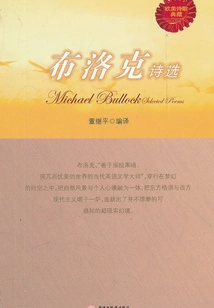
Selected Poems of Bloch
Literature布洛克诗选
Dong Jiping
Bullock's poetry works are generally short and concise, mostly around 20 lines, and there are also a large number of prose poems. In fact, several of his works have completely broken through stylistic barriers and contain novels, poems, essays, fables, etc., Which has become another focus of debate among critics. Most of his works have been translated into major European and American languages such as French, German, Italian, and Polish, as well as Eastern languages such as Japanese, Korean, Punjabi, and Arabic. This Chinese version of "Block's Selected Poems" was translated by translator Dong Jiping over a period of 17 years from 1988 to 2005. A small part of it has been published in various domestic publications and anthologies. This anthology of poems includes more than 250 masterpieces from 21 collections of poems published by Bullock during his more than 60 years of poetry writing career from 1938 to 2003.
Bullock's poetry works are generally short and concise, mostly around 20 lines, and there are also a large number of prose poems. In fact, several of his works have completely broken through stylistic barriers and contain novels, poems, essays, fables, etc., Which has become another focus of debate among critics. Most of his works have been translated into major European and American languages such as French, German, Italian, and Polish, as well as Eastern languages such as Japanese, Korean, Punjabi, and Arabic. This Chinese version of "Block's Selected Poems" was translated by translator Dong Jiping over a period of 17 years from 1988 to 2005. A small part of it has been published in various domestic publications and anthologies. This anthology of poems includes more than 250 masterpieces from 21 collections of poems published by Bullock during his more than 60 years of poetry writing career from 1938 to 2003.

Selected Poems of Bly
Literature勃莱诗选
Dong Jiping
For more than half a century, Bly has lingered in the "image of depth", nurturing the "tree trunks and flowers that suddenly sprouted up deep in the lower plains of the Midwest." In the flash of light, various ideas such as walking in the forest, meditating at night, and retreating in the countryside are like invisible "pirate ships plowing through the dark flowers." "Selected Poems of Bly (European and American Poetry Collection)" compiled by Dong Jiping includes Bly's representative poems in his creative career, with a total of nearly 200 poems. Bly's "deep image" poetics is highly critical. He opposed the poetic principles of modernism based on materialism or objectivist Western philosophy. He believed that American modernist poetry inherited American commercial culture and Puritanism traditions, and they would be a legacy to the development of the national spirit. American poetry, since its earliest days, has turned in the wrong direction-towards the outside world. In other words, American poetry has lost its center and approach, and will have to linger on objective objects.
For more than half a century, Bly has lingered in the "image of depth", nurturing the "tree trunks and flowers that suddenly sprouted up deep in the lower plains of the Midwest." In the flash of light, various ideas such as walking in the forest, meditating at night, and retreating in the countryside are like invisible "pirate ships plowing through the dark flowers." "Selected Poems of Bly (European and American Poetry Collection)" compiled by Dong Jiping includes Bly's representative poems in his creative career, with a total of nearly 200 poems. Bly's "deep image" poetics is highly critical. He opposed the poetic principles of modernism based on materialism or objectivist Western philosophy. He believed that American modernist poetry inherited American commercial culture and Puritanism traditions, and they would be a legacy to the development of the national spirit. American poetry, since its earliest days, has turned in the wrong direction-towards the outside world. In other words, American poetry has lost its center and approach, and will have to linger on objective objects.