Library
Browse and search books
2 novels found
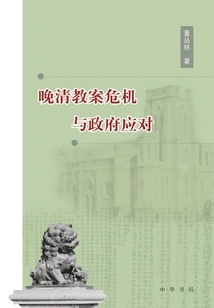
晚清教案危机与政府应对
Dong Conglin
This book is the final result of a general project of the National Social Science Fund applied by the author. It systematically studies the late Qing government's response and handling of the religious case (that is, the conflict between the Chinese people and the Christian church). This book discusses in detail the social and cultural background of the teaching plans in the late Qing Dynasty, the impact of the teaching plans on the intensification of the social and political crisis in the late Qing Dynasty, the differences in attitudes between the government and the people towards the teaching plans, and analyzes the Qing government's operational level, decision-making mechanism, disposal ability, right and wrong gains and losses, and the actual effectiveness of the policies in dealing with the teaching plans. It reflects from one aspect the situation of the late Qing government in the face of social changes and its ability and limitations in responding to crises.
This book is the final result of a general project of the National Social Science Fund applied by the author. It systematically studies the late Qing government's response and handling of the religious case (that is, the conflict between the Chinese people and the Christian church). This book discusses in detail the social and cultural background of the teaching plans in the late Qing Dynasty, the impact of the teaching plans on the intensification of the social and political crisis in the late Qing Dynasty, the differences in attitudes between the government and the people towards the teaching plans, and analyzes the Qing government's operational level, decision-making mechanism, disposal ability, right and wrong gains and losses, and the actual effectiveness of the policies in dealing with the teaching plans. It reflects from one aspect the situation of the late Qing government in the face of social changes and its ability and limitations in responding to crises.
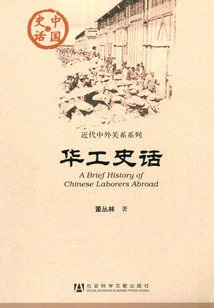
History of Chinese Workers
History华工史话
Dong Conglin
The history of overseas Chinese labor in modern China is essentially a history of the coolie trade, which is a criminal product of colonialism. Looking at its history, it first started before the Opium War with the trafficking of "piglets" Chinese workers to "Nanyang". After the Opium War, China became a semi-colonial country and its sovereignty was seriously violated. The colonialists used the treaty ports designated by unequal treaties as bases and strongholds to wildly set off a vicious tide of trafficking in Chinese laborers. They not only trafficked Chinese laborers to Southeast Asia on a large scale, but also expanded their scope to Latin America, North America and other regions. A large number of Chinese workers were trafficked overseas and lived a life of hard labor that was worse than pigs and dogs. After the end of World War I, the trafficking of Chinese laborers abroad still did not disappear, and even experienced a resurgence. By the 1930s, the situation of Chinese workers being trafficked overseas as coolies ended.
The history of overseas Chinese labor in modern China is essentially a history of the coolie trade, which is a criminal product of colonialism. Looking at its history, it first started before the Opium War with the trafficking of "piglets" Chinese workers to "Nanyang". After the Opium War, China became a semi-colonial country and its sovereignty was seriously violated. The colonialists used the treaty ports designated by unequal treaties as bases and strongholds to wildly set off a vicious tide of trafficking in Chinese laborers. They not only trafficked Chinese laborers to Southeast Asia on a large scale, but also expanded their scope to Latin America, North America and other regions. A large number of Chinese workers were trafficked overseas and lived a life of hard labor that was worse than pigs and dogs. After the end of World War I, the trafficking of Chinese laborers abroad still did not disappear, and even experienced a resurgence. By the 1930s, the situation of Chinese workers being trafficked overseas as coolies ended.