Library
Browse and search books
2 novels found

老北京人的口述历史(全二册)
Dingyizhuang
This book aims to reflect the living conditions of Beijingers in different areas through the oral accounts of old Beijingers living in different areas of Beijing, and then form a colorful and colorful history of changes in Beijing's urban life. This book is organized according to the characteristics of Beijing's circular structure and is divided into three parts: the inner city, the outer city and the suburbs. The whole book embodies the folk and personal nature of oral history, and the content covers areas that official documents have not touched, including people's social interactions, such as marriage relationships, neighbor relationships, and colleague relationships, as well as people's life interests, such as eating, drinking, playing, and aesthetic tastes.
This book aims to reflect the living conditions of Beijingers in different areas through the oral accounts of old Beijingers living in different areas of Beijing, and then form a colorful and colorful history of changes in Beijing's urban life. This book is organized according to the characteristics of Beijing's circular structure and is divided into three parts: the inner city, the outer city and the suburbs. The whole book embodies the folk and personal nature of oral history, and the content covers areas that official documents have not touched, including people's social interactions, such as marriage relationships, neighbor relationships, and colleague relationships, as well as people's life interests, such as eating, drinking, playing, and aesthetic tastes.
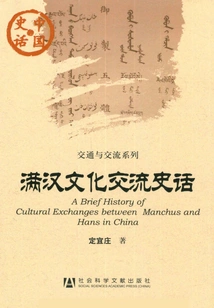
满汉文化交流史话
Dingyizhuang
The Manchus arose in Baishan and Heishui, and gradually grew stronger through intermarriage, trade, and integration with the Han and other ethnic groups. In 1644, they entered the Central Plains and established the Qing Dynasty. In order to consolidate their political power, the rulers of the Qing Dynasty vigorously promoted the "Manchu-Han family"; at the same time, in response to the rapid and widespread integration of the Manchu-Han ethnic groups, the rulers also proposed the policy of "Mandarin riding and shooting", hoping to maintain the ethnic characteristics of the Manchus amidst the great changes in society. However, the integration of nations and cultures cannot be prevented by a ban. Manchu customs, language, literature and other aspects have been greatly influenced by Han culture. In the cultural fusion, famous Manchu writers and artists such as Cao Xueqin, Nalan Xingde, and Yue Duan also emerged, leaving a profound mark in the history of Chinese literature and art. The Revolution of 1911 overthrew the rule of the Qing Dynasty, and the development of the Manchus entered a new historical stage. Especially after the founding of New China, the Manchus were able to develop as an independent nation as never before.
The Manchus arose in Baishan and Heishui, and gradually grew stronger through intermarriage, trade, and integration with the Han and other ethnic groups. In 1644, they entered the Central Plains and established the Qing Dynasty. In order to consolidate their political power, the rulers of the Qing Dynasty vigorously promoted the "Manchu-Han family"; at the same time, in response to the rapid and widespread integration of the Manchu-Han ethnic groups, the rulers also proposed the policy of "Mandarin riding and shooting", hoping to maintain the ethnic characteristics of the Manchus amidst the great changes in society. However, the integration of nations and cultures cannot be prevented by a ban. Manchu customs, language, literature and other aspects have been greatly influenced by Han culture. In the cultural fusion, famous Manchu writers and artists such as Cao Xueqin, Nalan Xingde, and Yue Duan also emerged, leaving a profound mark in the history of Chinese literature and art. The Revolution of 1911 overthrew the rule of the Qing Dynasty, and the development of the Manchus entered a new historical stage. Especially after the founding of New China, the Manchus were able to develop as an independent nation as never before.