Library
Browse and search books
1 novel found
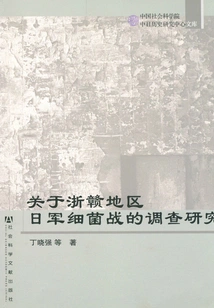
关于浙赣地区日军细菌战的调查研究
Ding Xiaoqiang
In the 1930s and 1940s, the Japanese army launched a full-scale war of aggression against China and carried out germ warfare during the war. Its crimes were heinous. But after the war, he avoided trial because of U. S. Intervention. The author of "Investigation and Research on the Japanese Army's Bacteriological Warfare in the Zhejiang-Jiangxi Region" conducted long-term investigations and research on the Japanese Army's bacteriological warfare materials in Ningbo, Wenzhou, Quzhou, Lishui, Yushan and other places in the Zhejiang-Jiangxi region, and obtained a large number of first-hand information such as the oral experiences of the victims and the facts of the disaster. Using the facts and data of the germ warfare launched by the Japanese army, which caused various disease outbreaks and disasters to the local people, it comprehensively exposed the despicable crimes against humanity committed by the Japanese army in the Zhejiang and Jiangxi regions, and shattered the vehement denials of the Japanese militarists and right-wing forces.
In the 1930s and 1940s, the Japanese army launched a full-scale war of aggression against China and carried out germ warfare during the war. Its crimes were heinous. But after the war, he avoided trial because of U. S. Intervention. The author of "Investigation and Research on the Japanese Army's Bacteriological Warfare in the Zhejiang-Jiangxi Region" conducted long-term investigations and research on the Japanese Army's bacteriological warfare materials in Ningbo, Wenzhou, Quzhou, Lishui, Yushan and other places in the Zhejiang-Jiangxi region, and obtained a large number of first-hand information such as the oral experiences of the victims and the facts of the disaster. Using the facts and data of the germ warfare launched by the Japanese army, which caused various disease outbreaks and disasters to the local people, it comprehensively exposed the despicable crimes against humanity committed by the Japanese army in the Zhejiang and Jiangxi regions, and shattered the vehement denials of the Japanese militarists and right-wing forces.