Library
Browse and search books
31 novels found
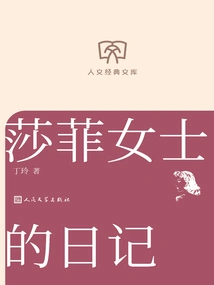
Ms. Sophie's Diary
General Fiction莎菲女士的日记
Ding Ling
"Ms. Shafei's Diary" is a novella written by Ding Ling in 1928. In the form of a diary, it shows the mental dilemma and emotional struggle of Shafei, an intellectual woman after the May Fourth Movement. The story focuses on Shafei's life in Peiping. She suffers from lung disease but has a passionate heart. She hates the hypocrisy and repression of society, and is caught in contradictions in the emotional world: she resents the cowardly and selfish brother Wei who blindly pleases but cannot bear to reject him completely; she is attracted by the appearance of the handsome but ruthless foreign student Ling Jishi, but falls into deeper pain after seeing the emptiness of his soul. The diary is full of Sophie's self-analysis and shouting. She boldly revealed her desire for love, freedom and self-worth, but she felt lonely and confused because of the gap between ideal and reality. With delicate psychological description, the work profoundly depicts the spiritual dilemma faced by women in the May Fourth period after breaking through the shackles of feudalism. It has become a classic in the history of modern Chinese literature that shows women's awakening and struggle. It can still make readers feel the difficulty and courage of women in that era in pursuing independent personality.
"Ms. Shafei's Diary" is a novella written by Ding Ling in 1928. In the form of a diary, it shows the mental dilemma and emotional struggle of Shafei, an intellectual woman after the May Fourth Movement. The story focuses on Shafei's life in Peiping. She suffers from lung disease but has a passionate heart. She hates the hypocrisy and repression of society, and is caught in contradictions in the emotional world: she resents the cowardly and selfish brother Wei who blindly pleases but cannot bear to reject him completely; she is attracted by the appearance of the handsome but ruthless foreign student Ling Jishi, but falls into deeper pain after seeing the emptiness of his soul. The diary is full of Sophie's self-analysis and shouting. She boldly revealed her desire for love, freedom and self-worth, but she felt lonely and confused because of the gap between ideal and reality. With delicate psychological description, the work profoundly depicts the spiritual dilemma faced by women in the May Fourth period after breaking through the shackles of feudalism. It has become a classic in the history of modern Chinese literature that shows women's awakening and struggle. It can still make readers feel the difficulty and courage of women in that era in pursuing independent personality.
Ding Ling's Complete Works (8)
Literature丁玲全集(8)
Ding Ling
The complete collection is a comprehensive summary of Ding Ling's literary creation throughout her life. It contains 4.3 Million words of novels, plays, poems, essays, reviews, essays, speeches, memoirs, and essays written by her over the past sixty years, divided into twelve volumes. The first and second volumes are novels, the third volume is short stories, the fourth volume is short stories, poems, and plays, the fifth and sixth volumes are prose and essays, the seventh and eighth volumes are prose and miscellaneous thoughts, the ninth volume is preface and comments, the tenth volume is memoirs, the eleventh volume is family letters and diaries, and the twelfth volume is letters and chronology. A considerable number of letters and diaries in the collection were searched and published publicly for the first time.
The complete collection is a comprehensive summary of Ding Ling's literary creation throughout her life. It contains 4.3 Million words of novels, plays, poems, essays, reviews, essays, speeches, memoirs, and essays written by her over the past sixty years, divided into twelve volumes. The first and second volumes are novels, the third volume is short stories, the fourth volume is short stories, poems, and plays, the fifth and sixth volumes are prose and essays, the seventh and eighth volumes are prose and miscellaneous thoughts, the ninth volume is preface and comments, the tenth volume is memoirs, the eleventh volume is family letters and diaries, and the twelfth volume is letters and chronology. A considerable number of letters and diaries in the collection were searched and published publicly for the first time.
Ding Ling's Complete Works (2)
Literature丁玲全集(2)
Ding Ling
The complete collection is a comprehensive summary of Ding Ling's literary creation throughout her life. It contains 4.3 Million words of novels, plays, poems, essays, reviews, essays, speeches, memoirs, and essays written by her over the past sixty years, divided into twelve volumes. The first and second volumes are novels, the third volume is short stories, the fourth volume is short stories, poems, and plays, the fifth and sixth volumes are prose and essays, the seventh and eighth volumes are prose and miscellaneous thoughts, the ninth volume is preface and comments, the tenth volume is memoirs, the eleventh volume is family letters and diaries, and the twelfth volume is letters and chronology. A considerable number of letters and diaries in the collection were searched and published publicly for the first time.
The complete collection is a comprehensive summary of Ding Ling's literary creation throughout her life. It contains 4.3 Million words of novels, plays, poems, essays, reviews, essays, speeches, memoirs, and essays written by her over the past sixty years, divided into twelve volumes. The first and second volumes are novels, the third volume is short stories, the fourth volume is short stories, poems, and plays, the fifth and sixth volumes are prose and essays, the seventh and eighth volumes are prose and miscellaneous thoughts, the ninth volume is preface and comments, the tenth volume is memoirs, the eleventh volume is family letters and diaries, and the twelfth volume is letters and chronology. A considerable number of letters and diaries in the collection were searched and published publicly for the first time.
Ding Ling's Complete Works (3)
Literature丁玲全集(3)
Ding Ling
The complete collection is a comprehensive summary of Ding Ling's literary creation throughout her life. It contains 4.3 Million words of novels, plays, poems, essays, reviews, essays, speeches, memoirs, and essays written by her over the past sixty years, divided into twelve volumes. The first and second volumes are novels, the third volume is short stories, the fourth volume is short stories, poems, and plays, the fifth and sixth volumes are prose and essays, the seventh and eighth volumes are prose and miscellaneous thoughts, the ninth volume is preface and comments, the tenth volume is memoirs, the eleventh volume is family letters and diaries, and the twelfth volume is letters and chronology. A considerable number of letters and diaries in the collection were searched and published publicly for the first time.
The complete collection is a comprehensive summary of Ding Ling's literary creation throughout her life. It contains 4.3 Million words of novels, plays, poems, essays, reviews, essays, speeches, memoirs, and essays written by her over the past sixty years, divided into twelve volumes. The first and second volumes are novels, the third volume is short stories, the fourth volume is short stories, poems, and plays, the fifth and sixth volumes are prose and essays, the seventh and eighth volumes are prose and miscellaneous thoughts, the ninth volume is preface and comments, the tenth volume is memoirs, the eleventh volume is family letters and diaries, and the twelfth volume is letters and chronology. A considerable number of letters and diaries in the collection were searched and published publicly for the first time.
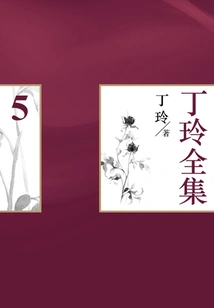
Ding Ling's Complete Works (5)
Literature丁玲全集(5)
Ding Ling
The complete collection is a comprehensive summary of Ding Ling's literary creation throughout her life. It contains 4.3 Million words of novels, plays, poems, essays, reviews, essays, speeches, memoirs, and essays written by her over the past sixty years, divided into twelve volumes. The first and second volumes are novels, the third volume is short stories, the fourth volume is short stories, poems, and plays, the fifth and sixth volumes are prose and essays, the seventh and eighth volumes are prose and miscellaneous thoughts, the ninth volume is preface and comments, the tenth volume is memoirs, the eleventh volume is family letters and diaries, and the twelfth volume is letters and chronology. A considerable number of letters and diaries in the collection were searched and published publicly for the first time.
The complete collection is a comprehensive summary of Ding Ling's literary creation throughout her life. It contains 4.3 Million words of novels, plays, poems, essays, reviews, essays, speeches, memoirs, and essays written by her over the past sixty years, divided into twelve volumes. The first and second volumes are novels, the third volume is short stories, the fourth volume is short stories, poems, and plays, the fifth and sixth volumes are prose and essays, the seventh and eighth volumes are prose and miscellaneous thoughts, the ninth volume is preface and comments, the tenth volume is memoirs, the eleventh volume is family letters and diaries, and the twelfth volume is letters and chronology. A considerable number of letters and diaries in the collection were searched and published publicly for the first time.
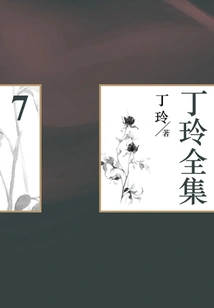
Ding Ling's Complete Works (7)
Literature丁玲全集(7)
Ding Ling
The complete collection is a comprehensive summary of Ding Ling's literary creation throughout her life. It contains 4.3 Million words of novels, plays, poems, essays, reviews, essays, speeches, memoirs, and essays written by her over the past sixty years, divided into twelve volumes. The first and second volumes are novels, the third volume is short stories, the fourth volume is short stories, poems, and plays, the fifth and sixth volumes are prose and essays, the seventh and eighth volumes are prose and miscellaneous thoughts, the ninth volume is preface and comments, the tenth volume is memoirs, the eleventh volume is family letters and diaries, and the twelfth volume is letters and chronology. A considerable number of letters and diaries in the collection were searched and published publicly for the first time.
The complete collection is a comprehensive summary of Ding Ling's literary creation throughout her life. It contains 4.3 Million words of novels, plays, poems, essays, reviews, essays, speeches, memoirs, and essays written by her over the past sixty years, divided into twelve volumes. The first and second volumes are novels, the third volume is short stories, the fourth volume is short stories, poems, and plays, the fifth and sixth volumes are prose and essays, the seventh and eighth volumes are prose and miscellaneous thoughts, the ninth volume is preface and comments, the tenth volume is memoirs, the eleventh volume is family letters and diaries, and the twelfth volume is letters and chronology. A considerable number of letters and diaries in the collection were searched and published publicly for the first time.
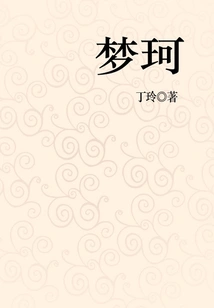
Meng Ke
Literature梦珂
Ding Ling
Ding Ling is an accomplished writer in the history of modern Chinese literature. Deeply influenced by the times, Ding Ling's creations are deeply imprinted with the "May Fourth Movement". His representative works range from "Ms. Sophie's Diary" written in the 1920s to "Du Wanxiang" written in the 1980s, all of which are praised by people. Her novels have a strong sense of criticism and are good at portraying the psychology of characters. This book collects six short stories and short stories by Ding Ling, which fully reflects the author's concern for women at the transition between the old and the new era.
Ding Ling is an accomplished writer in the history of modern Chinese literature. Deeply influenced by the times, Ding Ling's creations are deeply imprinted with the "May Fourth Movement". His representative works range from "Ms. Sophie's Diary" written in the 1920s to "Du Wanxiang" written in the 1980s, all of which are praised by people. Her novels have a strong sense of criticism and are good at portraying the psychology of characters. This book collects six short stories and short stories by Ding Ling, which fully reflects the author's concern for women at the transition between the old and the new era.
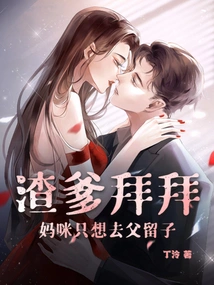
渣爹拜拜,妈咪只想去父留子
Ding Ling
[1v1, double clean, cute baby, vest, chasing his wife after divorce] Jiang Yin fell in love with Ming Shiyu for eight years just because of his shocking moment when he was 16 years old. Six years of secret love and two years of engagement. Jiang Yin's gentleness, obedience, and devotion only resulted in a divorce agreement. Just leave! Jiang Yin angrily picks up her love brain and leaves gracefully. Six years later, Jiang Yin returned to China with twins and a vest to save her mother. Punch the scheming green tea and kick the strange relatives. Just when she was having a successful career, she unexpectedly discovered that her son had suddenly become two sons, just like copying and pasting? Jiang Yin was furious when she saw Sanbao being held in her arms by her ex-husband! "A bitch actually stole my child?" Later, Jiang Yin grabbed her ex-husband's tie and pressed him on the boss's chair, "Give me my son back!" Mr. Ming, who was under control, looked at Zhang Yang Mingyan's ex-wife in front of him and chuckled, "Give it back to you, and to me too."
[1v1, double clean, cute baby, vest, chasing his wife after divorce] Jiang Yin fell in love with Ming Shiyu for eight years just because of his shocking moment when he was 16 years old. Six years of secret love and two years of engagement. Jiang Yin's gentleness, obedience, and devotion only resulted in a divorce agreement. Just leave! Jiang Yin angrily picks up her love brain and leaves gracefully. Six years later, Jiang Yin returned to China with twins and a vest to save her mother. Punch the scheming green tea and kick the strange relatives. Just when she was having a successful career, she unexpectedly discovered that her son had suddenly become two sons, just like copying and pasting? Jiang Yin was furious when she saw Sanbao being held in her arms by her ex-husband! "A bitch actually stole my child?" Later, Jiang Yin grabbed her ex-husband's tie and pressed him on the boss's chair, "Give me my son back!" Mr. Ming, who was under control, looked at Zhang Yang Mingyan's ex-wife in front of him and chuckled, "Give it back to you, and to me too."
Ding Ling's Complete Works (4)
Literature丁玲全集(4)
Ding Ling
The complete collection is a comprehensive summary of Ding Ling's literary creation throughout her life. It contains 4.3 Million words of novels, plays, poems, essays, reviews, essays, speeches, memoirs, and essays written by her over the past sixty years, divided into twelve volumes. The first and second volumes are novels, the third volume is short stories, the fourth volume is short stories, poems, and plays, the fifth and sixth volumes are prose and essays, the seventh and eighth volumes are prose and miscellaneous thoughts, the ninth volume is preface and comments, the tenth volume is memoirs, the eleventh volume is family letters and diaries, and the twelfth volume is letters and chronology. A considerable number of letters and diaries in the collection were searched and published publicly for the first time.
The complete collection is a comprehensive summary of Ding Ling's literary creation throughout her life. It contains 4.3 Million words of novels, plays, poems, essays, reviews, essays, speeches, memoirs, and essays written by her over the past sixty years, divided into twelve volumes. The first and second volumes are novels, the third volume is short stories, the fourth volume is short stories, poems, and plays, the fifth and sixth volumes are prose and essays, the seventh and eighth volumes are prose and miscellaneous thoughts, the ninth volume is preface and comments, the tenth volume is memoirs, the eleventh volume is family letters and diaries, and the twelfth volume is letters and chronology. A considerable number of letters and diaries in the collection were searched and published publicly for the first time.
I Want Simple Love
Young Adult我想要简单的爱
Ding Ling
We all want simple love. Chen Fanfan, Chen Shuo, and Wu Zhi'er, three boys and girls of the same age, all wanted to undergo a growth transformation in their youth. Different living situations also bring them different growth experiences...
We all want simple love. Chen Fanfan, Chen Shuo, and Wu Zhi'er, three boys and girls of the same age, all wanted to undergo a growth transformation in their youth. Different living situations also bring them different growth experiences...
Ding Ling's Complete Works (12)
Literature丁玲全集(12)
Ding Ling
The complete collection is a comprehensive summary of Ding Ling's literary creation throughout her life. It contains 4.3 Million words of novels, plays, poems, essays, reviews, essays, speeches, memoirs, and essays written by her over the past sixty years, divided into twelve volumes. The first and second volumes are novels, the third volume is short stories, the fourth volume is short stories, poems, and plays, the fifth and sixth volumes are prose and essays, the seventh and eighth volumes are prose and miscellaneous thoughts, the ninth volume is preface and comments, the tenth volume is memoirs, the eleventh volume is family letters and diaries, and the twelfth volume is letters and chronology. A considerable number of letters and diaries in the collection were searched and published publicly for the first time.
The complete collection is a comprehensive summary of Ding Ling's literary creation throughout her life. It contains 4.3 Million words of novels, plays, poems, essays, reviews, essays, speeches, memoirs, and essays written by her over the past sixty years, divided into twelve volumes. The first and second volumes are novels, the third volume is short stories, the fourth volume is short stories, poems, and plays, the fifth and sixth volumes are prose and essays, the seventh and eighth volumes are prose and miscellaneous thoughts, the ninth volume is preface and comments, the tenth volume is memoirs, the eleventh volume is family letters and diaries, and the twelfth volume is letters and chronology. A considerable number of letters and diaries in the collection were searched and published publicly for the first time.
The Sun Shines on the Sanggan River
General Fiction太阳照在桑干河上
Ding Ling
This book is about the land reform struggle in rural North China in 1946. The author originally planned to write three parts in the novel: struggle, dividing the land, and joining the army. What was written later was the first part, but this part has a beginning and an end in structure and is an independent book, forming a complete novel. This novel is set in Nuanshuitun by the Sanggan River. It truly and vividly reflects the sharp and complex class struggle in rural areas during the land reform. It shows the different mental states of each class and allows readers to see that Chinese farmers have embarked on a bright road under the leadership of the Communist Party. This book collects ten short stories, novels and prose works by Ding Ling.
This book is about the land reform struggle in rural North China in 1946. The author originally planned to write three parts in the novel: struggle, dividing the land, and joining the army. What was written later was the first part, but this part has a beginning and an end in structure and is an independent book, forming a complete novel. This novel is set in Nuanshuitun by the Sanggan River. It truly and vividly reflects the sharp and complex class struggle in rural areas during the land reform. It shows the different mental states of each class and allows readers to see that Chinese farmers have embarked on a bright road under the leadership of the Communist Party. This book collects ten short stories, novels and prose works by Ding Ling.
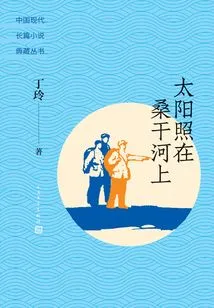
The Sun Shines on the Sanggan River
General Fiction太阳照在桑干河上
Ding Ling
"The Sun Shines on the Sanggan River" is an excellent novel reflecting the land reform movement written by Ding Ling after going deep into rural struggle life. Due to his ideological and artistic achievements, he won the second prize of the Stalin Literature Prize in 1951. The novel artistically reproduces the great struggle against the feudal land system in rural areas. It revolves around the process of the working group leading the masses to expose and fight against the bully landlord Qian Wengui. It highlights a key issue in land reform: Only by defeating the most hidden, cunning and vicious landlord landlord can land reform achieve real victory. The author has absorbed the advantages of traditional Chinese chapter novels, such as beginning and end, and concentrated plots, and combined it with his own expertise in psychological analysis and environmental description, making the whole book ups and downs, relaxing and smooth.
"The Sun Shines on the Sanggan River" is an excellent novel reflecting the land reform movement written by Ding Ling after going deep into rural struggle life. Due to his ideological and artistic achievements, he won the second prize of the Stalin Literature Prize in 1951. The novel artistically reproduces the great struggle against the feudal land system in rural areas. It revolves around the process of the working group leading the masses to expose and fight against the bully landlord Qian Wengui. It highlights a key issue in land reform: Only by defeating the most hidden, cunning and vicious landlord landlord can land reform achieve real victory. The author has absorbed the advantages of traditional Chinese chapter novels, such as beginning and end, and concentrated plots, and combined it with his own expertise in psychological analysis and environmental description, making the whole book ups and downs, relaxing and smooth.
Ding Ling's Complete Works (9)
Literature丁玲全集(9)
Ding Ling
The complete collection is a comprehensive summary of Ding Ling's literary creation throughout her life. It contains 4.3 Million words of novels, plays, poems, essays, reviews, essays, speeches, memoirs, and essays written by her over the past sixty years, divided into twelve volumes. The first and second volumes are novels, the third volume is short stories, the fourth volume is short stories, poems, and plays, the fifth and sixth volumes are prose and essays, the seventh and eighth volumes are prose and miscellaneous thoughts, the ninth volume is preface and comments, the tenth volume is memoirs, the eleventh volume is family letters and diaries, and the twelfth volume is letters and chronology. A considerable number of letters and diaries in the collection were searched and published publicly for the first time.
The complete collection is a comprehensive summary of Ding Ling's literary creation throughout her life. It contains 4.3 Million words of novels, plays, poems, essays, reviews, essays, speeches, memoirs, and essays written by her over the past sixty years, divided into twelve volumes. The first and second volumes are novels, the third volume is short stories, the fourth volume is short stories, poems, and plays, the fifth and sixth volumes are prose and essays, the seventh and eighth volumes are prose and miscellaneous thoughts, the ninth volume is preface and comments, the tenth volume is memoirs, the eleventh volume is family letters and diaries, and the twelfth volume is letters and chronology. A considerable number of letters and diaries in the collection were searched and published publicly for the first time.
二十一世纪中国作家怀人散文:丁玲集
Ding Ling
This is a collection of Ding Ling's essays. The book includes the author's "Meeting to Lu Xun", "Mr. Lu Xun to Me", "Remembering Xiao Hong in the Wind and Rain", "Mourning Xuefeng", "Mourning Comrade Liu Zhiming", "Hu Yepin", "Mourning Comrade Mao Dun", "Mourning Jiang Feng", "Peng De "Sketch of Memories", "The Influence of Comrade Xiang Jingyu on Me", "Comrade Qu Qiubai I Know", "Marshal, I Miss You", Recalling Comrade Pan Hannian, "Recalling the Martyr Xuan Xiafu", "Recalling Mr. Shao Lizi", "In Memory of Comrade Bozhao" and many other works.
This is a collection of Ding Ling's essays. The book includes the author's "Meeting to Lu Xun", "Mr. Lu Xun to Me", "Remembering Xiao Hong in the Wind and Rain", "Mourning Xuefeng", "Mourning Comrade Liu Zhiming", "Hu Yepin", "Mourning Comrade Mao Dun", "Mourning Jiang Feng", "Peng De "Sketch of Memories", "The Influence of Comrade Xiang Jingyu on Me", "Comrade Qu Qiubai I Know", "Marshal, I Miss You", Recalling Comrade Pan Hannian, "Recalling the Martyr Xuan Xiafu", "Recalling Mr. Shao Lizi", "In Memory of Comrade Bozhao" and many other works.
Ding Ling Ji
Literature丁玲集
Ding Ling
This collection selects the most representative novels, essays and other works written by Ding Ling from 1927 to 1982. The articles collected in this collection are arranged in the order of writing time, and the annotations are divided into title notes and text notes. The caption indicates which newspaper and periodical the article was originally published in, and the signature used when it was published. It was later compiled into anthologies. The annotations in the text are concise and concise. In order to avoid redundancy, no annotations will be added to content that will not cause reading difficulties. This collection is equipped with several pictures, including portraits of the author, photos of books and cultural relics, etc.
This collection selects the most representative novels, essays and other works written by Ding Ling from 1927 to 1982. The articles collected in this collection are arranged in the order of writing time, and the annotations are divided into title notes and text notes. The caption indicates which newspaper and periodical the article was originally published in, and the signature used when it was published. It was later compiled into anthologies. The annotations in the text are concise and concise. In order to avoid redundancy, no annotations will be added to content that will not cause reading difficulties. This collection is equipped with several pictures, including portraits of the author, photos of books and cultural relics, etc.
Ding Ling's Complete Works (11)
Literature丁玲全集(11)
Ding Ling
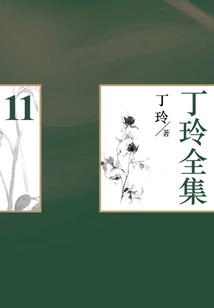
The complete collection is a comprehensive summary of Ding Ling's literary creation throughout her life. It contains 4.3 Million words of novels, plays, poems, essays, reviews, essays, speeches, memoirs, and essays written by her over the past sixty years, divided into twelve volumes. The first and second volumes are novels, the third volume is short stories, the fourth volume is short stories, poems, and plays, the fifth and sixth volumes are prose and essays, the seventh and eighth volumes are prose and miscellaneous thoughts, the ninth volume is preface and comments, the tenth volume is memoirs, the eleventh volume is family letters and diaries, and the twelfth volume is letters and chronology. A considerable number of letters and diaries in the collection were searched and published publicly for the first time.
The complete collection is a comprehensive summary of Ding Ling's literary creation throughout her life. It contains 4.3 Million words of novels, plays, poems, essays, reviews, essays, speeches, memoirs, and essays written by her over the past sixty years, divided into twelve volumes. The first and second volumes are novels, the third volume is short stories, the fourth volume is short stories, poems, and plays, the fifth and sixth volumes are prose and essays, the seventh and eighth volumes are prose and miscellaneous thoughts, the ninth volume is preface and comments, the tenth volume is memoirs, the eleventh volume is family letters and diaries, and the twelfth volume is letters and chronology. A considerable number of letters and diaries in the collection were searched and published publicly for the first time.
丁玲散文(中华散文插图珍藏本)
Ding Ling
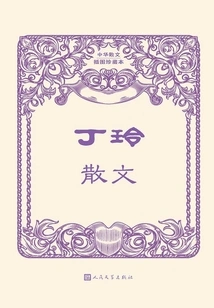
"Ding Ling's Prose" is one of the series of books in our Chinese prose collection. It contains 45 representative prose works from the famous female writer Ding Ling from her early years to her later years. It is sorted by the year of publication, focusing on the works after the author entered a new era in her later years. Including "May", "Thoughts on March 8th Festival", "Remembering Xiao Hong in the Storm", "The Cowshed" Sketch", "Mr. Lu Xun to Me", etc. Ding Ling is an indispensable figure in the history of modern Chinese literature. Her experience profoundly demonstrates the complex relationship between female intellectuals and politics, literature, culture, society and even revolution. Her experience itself is a vivid history. Her prose records, memories, scenes, and objects are fresh and bright, and have high ideological and artistic value.
"Ding Ling's Prose" is one of the series of books in our Chinese prose collection. It contains 45 representative prose works from the famous female writer Ding Ling from her early years to her later years. It is sorted by the year of publication, focusing on the works after the author entered a new era in her later years. Including "May", "Thoughts on March 8th Festival", "Remembering Xiao Hong in the Storm", "The Cowshed" Sketch", "Mr. Lu Xun to Me", etc. Ding Ling is an indispensable figure in the history of modern Chinese literature. Her experience profoundly demonstrates the complex relationship between female intellectuals and politics, literature, culture, society and even revolution. Her experience itself is a vivid history. Her prose records, memories, scenes, and objects are fresh and bright, and have high ideological and artistic value.
Ding Ling's Complete Works (1)
Literature丁玲全集(1)
Ding Ling
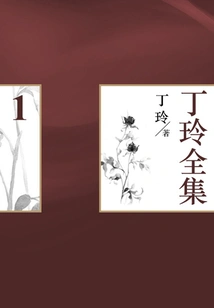
The complete collection is a comprehensive summary of Ding Ling's literary creation throughout her life. It contains 4.3 Million words of novels, plays, poems, essays, reviews, essays, speeches, memoirs, and essays written by her over the past sixty years, divided into twelve volumes. The first and second volumes are novels, the third volume is short stories, the fourth volume is short stories, poems, and plays, the fifth and sixth volumes are prose and essays, the seventh and eighth volumes are prose and miscellaneous thoughts, the ninth volume is preface and comments, the tenth volume is memoirs, the eleventh volume is family letters and diaries, and the twelfth volume is letters and chronology. A considerable number of letters and diaries in the collection were searched and published publicly for the first time.
The complete collection is a comprehensive summary of Ding Ling's literary creation throughout her life. It contains 4.3 Million words of novels, plays, poems, essays, reviews, essays, speeches, memoirs, and essays written by her over the past sixty years, divided into twelve volumes. The first and second volumes are novels, the third volume is short stories, the fourth volume is short stories, poems, and plays, the fifth and sixth volumes are prose and essays, the seventh and eighth volumes are prose and miscellaneous thoughts, the ninth volume is preface and comments, the tenth volume is memoirs, the eleventh volume is family letters and diaries, and the twelfth volume is letters and chronology. A considerable number of letters and diaries in the collection were searched and published publicly for the first time.
Ding Ling's Complete Works (10)
Literature丁玲全集(10)
Ding Ling
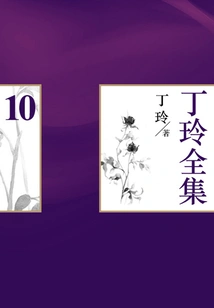
The complete collection is a comprehensive summary of Ding Ling's literary creation throughout her life. It contains 4.3 Million words of novels, plays, poems, essays, reviews, essays, speeches, memoirs, and essays written by her over the past sixty years, divided into twelve volumes. The first and second volumes are novels, the third volume is short stories, the fourth volume is short stories, poems, and plays, the fifth and sixth volumes are prose and essays, the seventh and eighth volumes are prose and miscellaneous thoughts, the ninth volume is preface and comments, the tenth volume is memoirs, the eleventh volume is family letters and diaries, and the twelfth volume is letters and chronology. A considerable number of letters and diaries in the collection were searched and published publicly for the first time.
The complete collection is a comprehensive summary of Ding Ling's literary creation throughout her life. It contains 4.3 Million words of novels, plays, poems, essays, reviews, essays, speeches, memoirs, and essays written by her over the past sixty years, divided into twelve volumes. The first and second volumes are novels, the third volume is short stories, the fourth volume is short stories, poems, and plays, the fifth and sixth volumes are prose and essays, the seventh and eighth volumes are prose and miscellaneous thoughts, the ninth volume is preface and comments, the tenth volume is memoirs, the eleventh volume is family letters and diaries, and the twelfth volume is letters and chronology. A considerable number of letters and diaries in the collection were searched and published publicly for the first time.
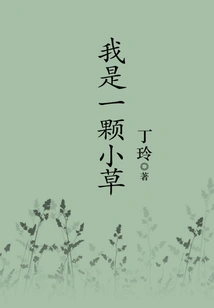
I Am a Grass
Literature我是一颗小草
Ding Ling
Like many modern writers, Ding Ling's later literary creation was dominated by prose creation. This genre is more suitable for people who have experienced vicissitudes of life to express their emotions. The language of his prose is natural, simple, vigorous and smooth. The author Ding Ling narrated her creation, her story and her deep feelings in "I am a Grass", showing Comrade Ding Ling's passionate inner world and personality charm, leaving a good impression and deep memory on the majority of literary youth. To enter Ding Ling's prose world, you must read her article "I am a Grass".
Like many modern writers, Ding Ling's later literary creation was dominated by prose creation. This genre is more suitable for people who have experienced vicissitudes of life to express their emotions. The language of his prose is natural, simple, vigorous and smooth. The author Ding Ling narrated her creation, her story and her deep feelings in "I am a Grass", showing Comrade Ding Ling's passionate inner world and personality charm, leaving a good impression and deep memory on the majority of literary youth. To enter Ding Ling's prose world, you must read her article "I am a Grass".
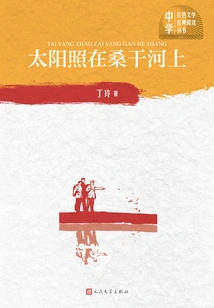
The Sun Shines on the Sanggan River
General Fiction太阳照在桑干河上
Ding Ling
The novel mainly tells the story of the great struggle against the feudal land system in rural areas. It revolves around the process of the working group leading the masses to expose and fight against the bully landlord Qian Wengui. It highlights a key issue in land reform: Only by defeating the most hidden, cunning and vicious bully landlord can land reform achieve real victory.
The novel mainly tells the story of the great struggle against the feudal land system in rural areas. It revolves around the process of the working group leading the masses to expose and fight against the bully landlord Qian Wengui. It highlights a key issue in land reform: Only by defeating the most hidden, cunning and vicious bully landlord can land reform achieve real victory.
Ding Ling's Prose
Literature丁玲散文
Ding Ling
This book is one of our Chinese Prose Collection Series. It collects the representative prose works of the famous female writer Ding Ling from her early years to her later years, focusing on the works of the author after she entered a new era in her later years. Her prose records, memories, scenes, and objects are fresh and bright, and have high ideological and artistic value. The title, number of words, and specifications are roughly the same as those of similar books in this series from our publisher.
This book is one of our Chinese Prose Collection Series. It collects the representative prose works of the famous female writer Ding Ling from her early years to her later years, focusing on the works of the author after she entered a new era in her later years. Her prose records, memories, scenes, and objects are fresh and bright, and have high ideological and artistic value. The title, number of words, and specifications are roughly the same as those of similar books in this series from our publisher.
Ding Ling's Complete Works (6)
Literature丁玲全集(6)
Ding Ling
The complete collection is a comprehensive summary of Ding Ling's literary creation throughout her life. It contains 4.3 Million words of novels, plays, poems, essays, reviews, essays, speeches, memoirs, and essays written by her over the past sixty years, divided into twelve volumes. The first and second volumes are novels, the third volume is short stories, the fourth volume is short stories, poems, and plays, the fifth and sixth volumes are prose and essays, the seventh and eighth volumes are prose and miscellaneous thoughts, the ninth volume is preface and comments, the tenth volume is memoirs, the eleventh volume is family letters and diaries, and the twelfth volume is letters and chronology. A considerable number of letters and diaries in the collection were searched and published publicly for the first time.
The complete collection is a comprehensive summary of Ding Ling's literary creation throughout her life. It contains 4.3 Million words of novels, plays, poems, essays, reviews, essays, speeches, memoirs, and essays written by her over the past sixty years, divided into twelve volumes. The first and second volumes are novels, the third volume is short stories, the fourth volume is short stories, poems, and plays, the fifth and sixth volumes are prose and essays, the seventh and eighth volumes are prose and miscellaneous thoughts, the ninth volume is preface and comments, the tenth volume is memoirs, the eleventh volume is family letters and diaries, and the twelfth volume is letters and chronology. A considerable number of letters and diaries in the collection were searched and published publicly for the first time.
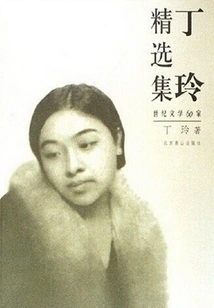
Ding Ling's Best Collection
Literature丁玲精选集
Ding Ling
The 20th century is an unusual century. The social life of the 20th century was turbulent and changed dramatically, and the Chinese literature of the 20th century was also magnificent and varied. Chinese literature in the 20th century, inherited from the 19th century and starting from the 21st century, is closely connected with social life and echoes the mood of the times. It actively forges ahead and constantly innovates itself. With its own evolution of ups and downs, openings and closings, it has written a glorious page in the five thousand years of the Chinese nation's splendid movement. This is a spiritual portrayal of an ancient nation radiating youthful vitality, and it is also a rich and colorful cultural wealth that shines brightly in the annals of history. The Chinese literature of the 20th century will surely become an important part of the cultural tradition of the Chinese nation and be passed down to future generations. The outstanding Chinese literary works of the 20th century will surely be remembered as classics by future generations.
The 20th century is an unusual century. The social life of the 20th century was turbulent and changed dramatically, and the Chinese literature of the 20th century was also magnificent and varied. Chinese literature in the 20th century, inherited from the 19th century and starting from the 21st century, is closely connected with social life and echoes the mood of the times. It actively forges ahead and constantly innovates itself. With its own evolution of ups and downs, openings and closings, it has written a glorious page in the five thousand years of the Chinese nation's splendid movement. This is a spiritual portrayal of an ancient nation radiating youthful vitality, and it is also a rich and colorful cultural wealth that shines brightly in the annals of history. The Chinese literature of the 20th century will surely become an important part of the cultural tradition of the Chinese nation and be passed down to future generations. The outstanding Chinese literary works of the 20th century will surely be remembered as classics by future generations.
Mother·in the Hospital
Youth Fiction母亲·在医院中
Ding Ling
This book is a selection of novels by writer Ding Ling. It mainly includes works such as "Mother" and "In the Hospital".
This book is a selection of novels by writer Ding Ling. It mainly includes works such as "Mother" and "In the Hospital".
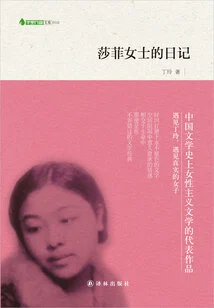
Ms. Sophie's Diary
General Fiction莎菲女士的日记
Ding Ling
This book selects five novels by Ding Ling: "Meng Ke", "Ms. Shafei's Diary", "Girl Amao", "Shanghai in the Spring of 1930" and "When I Was in Xia Village". These works mark the rise of women in a new era, and also establish her unique position in the history of modern Chinese literature. Ding Ling uses delicate emotions and words to affectionately portray the typical rebellious, depressed, and freedom-seeking intellectual women of the petty bourgeoisie after the May Fourth Movement. They have a strong sentimentalism of emptiness, depression, and despair, and they are also deeply marked by the times and society.
This book selects five novels by Ding Ling: "Meng Ke", "Ms. Shafei's Diary", "Girl Amao", "Shanghai in the Spring of 1930" and "When I Was in Xia Village". These works mark the rise of women in a new era, and also establish her unique position in the history of modern Chinese literature. Ding Ling uses delicate emotions and words to affectionately portray the typical rebellious, depressed, and freedom-seeking intellectual women of the petty bourgeoisie after the May Fourth Movement. They have a strong sentimentalism of emptiness, depression, and despair, and they are also deeply marked by the times and society.
Selected Prose by Ding Ling
Literature丁玲散文选集
Ding Ling
Throughout the ages, how many exquisite proses have shone like pearls! "Hundred Flowers Prose Series" connects them and publishes them in different volumes in different eras and by different authors, making it easier for readers to read and appreciate. "Selected Prose of Ding Ling" is one of the "Baihua Prose Series·Modern Part".
Throughout the ages, how many exquisite proses have shone like pearls! "Hundred Flowers Prose Series" connects them and publishes them in different volumes in different eras and by different authors, making it easier for readers to read and appreciate. "Selected Prose of Ding Ling" is one of the "Baihua Prose Series·Modern Part".
Ding Ling's Autobiography
Literature丁玲自述
Ding Ling
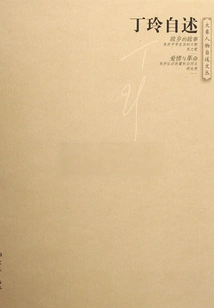
The selected articles in this book are all Ding Ling's descriptions of her life and literary creation experiences. Some of the nostalgic works describe the people who had a close relationship with her and had an important influence on her. They also leave a profile of Ding Ling in a specific period, which will help readers understand her.
The selected articles in this book are all Ding Ling's descriptions of her life and literary creation experiences. Some of the nostalgic works describe the people who had a close relationship with her and had an important influence on her. They also leave a profile of Ding Ling in a specific period, which will help readers understand her.
Meng Ke Ms. Sophie's Diary
General Fiction梦珂 莎菲女士的日记
Ding Ling
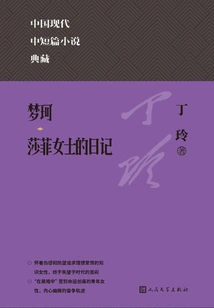
As an important female writer in modern literature, Ding Ling's writing can be divided into three periods - the early years when she debuted in the literary world, the period in the liberated areas and the period in her later years. In addition to novels and essays, Ding Ling created a large number of short and medium-sized novels during her sixty-year writing career. Among them, the 1927 diary novel "Ms. Sophie's Diary" is her most famous work. The work describes a girl with lung disease in an extremely gloomy life, pursuing ideal love with sadness and enthusiasm, and finally being disappointed. The story first demonstrated the artistic talent of this young female writer. This book selects Ding Ling's representative works of short stories and short stories, "Wei Hu", "When I Was in Xiacun", "In the Hospital", etc. Its artistic characteristics are that it does not pay too much attention to the structure and form of the novel, nor does it pursue the bizarre plot. Instead, it pays more attention to shaping the characters, analyzing the characters, and depicting the artistic conception of the characters' activities. At the same time, it pours deep emotions into the protagonist, and the brushwork is delicate and vivid, yet profound and simple.
As an important female writer in modern literature, Ding Ling's writing can be divided into three periods - the early years when she debuted in the literary world, the period in the liberated areas and the period in her later years. In addition to novels and essays, Ding Ling created a large number of short and medium-sized novels during her sixty-year writing career. Among them, the 1927 diary novel "Ms. Sophie's Diary" is her most famous work. The work describes a girl with lung disease in an extremely gloomy life, pursuing ideal love with sadness and enthusiasm, and finally being disappointed. The story first demonstrated the artistic talent of this young female writer. This book selects Ding Ling's representative works of short stories and short stories, "Wei Hu", "When I Was in Xiacun", "In the Hospital", etc. Its artistic characteristics are that it does not pay too much attention to the structure and form of the novel, nor does it pursue the bizarre plot. Instead, it pays more attention to shaping the characters, analyzing the characters, and depicting the artistic conception of the characters' activities. At the same time, it pours deep emotions into the protagonist, and the brushwork is delicate and vivid, yet profound and simple.
The Sun Shines on the Sanggan River
General Fiction太阳照在桑干河上
Ding Ling
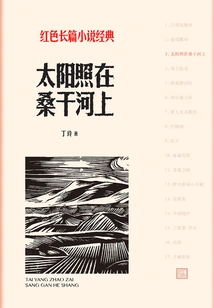
"The Sun Shines on the Sanggan River" is an excellent novel reflecting the land reform movement written by Ding Ling after going deep into rural struggle life. Due to his ideological and artistic achievements, he won the second prize of the Stalin Literature Prize in 1951. The novel artistically reproduces the great struggle against the feudal land system in rural areas. It revolves around the process of the working group leading the masses to expose and fight against the bully landlord Qian Wengui. It highlights a key issue in land reform: Only by defeating the most hidden, cunning and vicious landlord landlord can land reform achieve real victory.
"The Sun Shines on the Sanggan River" is an excellent novel reflecting the land reform movement written by Ding Ling after going deep into rural struggle life. Due to his ideological and artistic achievements, he won the second prize of the Stalin Literature Prize in 1951. The novel artistically reproduces the great struggle against the feudal land system in rural areas. It revolves around the process of the working group leading the masses to expose and fight against the bully landlord Qian Wengui. It highlights a key issue in land reform: Only by defeating the most hidden, cunning and vicious landlord landlord can land reform achieve real victory.