Library
Browse and search novels
2 novels found
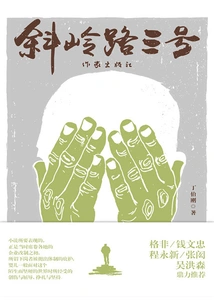
No. 3, Xieling Road
General Fiction斜岭路三号
Ding Bogang
A few years ago, Chinese society began to undergo tremendous changes. Enterprises were restructured and a wave of layoffs swept across the country. Ten or twenty years have passed now, time has changed, and everything I experienced back then has long been forgotten. But the tearing, the pain, the panic and twitching, the fluttering of the flesh in the soul can never be erased, and it is still reflected in the dreams of many people at midnight. What Ding Bogang's "No. 3 Xieling Road" wants to express is the trauma and humiliation experienced by many so-called laid-off workers when they were thrown out of the shelter of the system at the beginning of the corporate restructuring that was sweeping across the country. It shows the trauma and humiliation experienced by infants when facing this strange and hard world. It expresses the sharp, bone-gnawing physical pain and spiritual pain that countless weak individuals endured when they were helpless and struggling under the pressure of the great wheel of the times. The pain of flesh and blood before the blade, the pain of eggs before the stone. Ding Bogang, born in 1961, originally from Huaining, Anhui Province, immigrated to Xiushui County, Jiangxi Province in 1977. In magazines such as Harvest, Contemporary, Zhongshan, Shanghai Literature, and Chinese Writers, he has published the novel "Who Do I Dare to Rely on" and the novella "Heaven's Kill", "Heaven's Questions", "Pauline's Lamp", "Someone Will Return", "Sunset Low Hanging", "Two Acres of Land", "Ma Xiaokang", "Ai Peng Goes Home", etc.
A few years ago, Chinese society began to undergo tremendous changes. Enterprises were restructured and a wave of layoffs swept across the country. Ten or twenty years have passed now, time has changed, and everything I experienced back then has long been forgotten. But the tearing, the pain, the panic and twitching, the fluttering of the flesh in the soul can never be erased, and it is still reflected in the dreams of many people at midnight. What Ding Bogang's "No. 3 Xieling Road" wants to express is the trauma and humiliation experienced by many so-called laid-off workers when they were thrown out of the shelter of the system at the beginning of the corporate restructuring that was sweeping across the country. It shows the trauma and humiliation experienced by infants when facing this strange and hard world. It expresses the sharp, bone-gnawing physical pain and spiritual pain that countless weak individuals endured when they were helpless and struggling under the pressure of the great wheel of the times. The pain of flesh and blood before the blade, the pain of eggs before the stone. Ding Bogang, born in 1961, originally from Huaining, Anhui Province, immigrated to Xiushui County, Jiangxi Province in 1977. In magazines such as Harvest, Contemporary, Zhongshan, Shanghai Literature, and Chinese Writers, he has published the novel "Who Do I Dare to Rely on" and the novella "Heaven's Kill", "Heaven's Questions", "Pauline's Lamp", "Someone Will Return", "Sunset Low Hanging", "Two Acres of Land", "Ma Xiaokang", "Ai Peng Goes Home", etc.
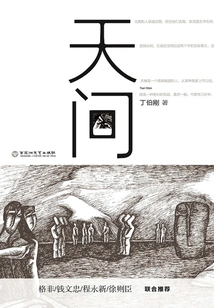
Tianwen
General Fiction天问
Ding Bogang
This book contains 5 novellas by the author Ding Bogang published in "Harvest" and other publications, including "The Lamp of the Lotus", "What's in the Heart", "Sing a Requiem", "Heaven's Kill" and "Heaven's Questions". Some of the works have attracted attention in the literary world and attracted many commentators. Most of these works torture human nature, inquire about the world, pay attention to reality and life, and explore literature to a certain extent, thus forming unique self-creation characteristics.
This book contains 5 novellas by the author Ding Bogang published in "Harvest" and other publications, including "The Lamp of the Lotus", "What's in the Heart", "Sing a Requiem", "Heaven's Kill" and "Heaven's Questions". Some of the works have attracted attention in the literary world and attracted many commentators. Most of these works torture human nature, inquire about the world, pay attention to reality and life, and explore literature to a certain extent, thus forming unique self-creation characteristics.