Library
Browse and search books
1 novel found
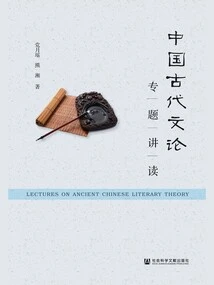
中国古代文论专题讲读
Dang Yueyao Xiong Xiang
The tentative title of this book is "Special Lectures on Ancient Chinese Literary Theory". It is a reading book on ancient Chinese literary theory for undergraduates majoring in Chinese. The focus of this book is mainly reflected in the following two aspects. First, it conducts thematic analysis around the core topics of ancient literary theory, transforms its own research results, and actively absorbs recent academic results. While being academic, it allows students (readers) to understand relevant research trends and deepen their understanding of traditional literary theory. The second is to effectively integrate the sorting out of literary theory themes and the reading of literary theory works. The selection of literary theory focuses more on the annotation of the works but less on the sorting out of theoretical ideas, while the history of literary theory focuses more on the sorting out of theoretical ideas but less on the in-depth interpretation of the works. This book integrates the analysis of classic works into the corresponding thematic context. The focus of reading literary theory works is not on the interpretation of words, but on examining the discourse composition and flow of meaning of literary theory works, that is, solving the problem of "why the author wrote this way", and then indicating a method of close reading of texts. The following is a tentative table of contents. Only part of it is currently completed, and one or two more chapters may be added later.
The tentative title of this book is "Special Lectures on Ancient Chinese Literary Theory". It is a reading book on ancient Chinese literary theory for undergraduates majoring in Chinese. The focus of this book is mainly reflected in the following two aspects. First, it conducts thematic analysis around the core topics of ancient literary theory, transforms its own research results, and actively absorbs recent academic results. While being academic, it allows students (readers) to understand relevant research trends and deepen their understanding of traditional literary theory. The second is to effectively integrate the sorting out of literary theory themes and the reading of literary theory works. The selection of literary theory focuses more on the annotation of the works but less on the sorting out of theoretical ideas, while the history of literary theory focuses more on the sorting out of theoretical ideas but less on the in-depth interpretation of the works. This book integrates the analysis of classic works into the corresponding thematic context. The focus of reading literary theory works is not on the interpretation of words, but on examining the discourse composition and flow of meaning of literary theory works, that is, solving the problem of "why the author wrote this way", and then indicating a method of close reading of texts. The following is a tentative table of contents. Only part of it is currently completed, and one or two more chapters may be added later.