Library
Browse and search books
1 novel found
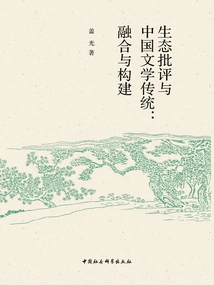
生态批评与中国文学传统:融合与构建
Cover Light
Ecocriticism organically combines ecology and literature to form a special research line on literature and life experience, perspective transformation and discourse expression. It also promotes the paradigm shift of literary research around ecological organicity, and uses complexity thinking to present the diversity of nature, ecology, life and literary activities. The Chinese literary tradition has a unique point of "Taoism", which forms the basis of ecological wisdom based on the "harmony of nature and man". It can form a good connection with ecocriticism in terms of understanding nature, creation of literary "artistic realm", poetic value, emotional connection, artistic authenticity and divine charm, etc., And can establish a multi-directional integration and fusion mechanism of organic coexistence. Optimized paths in many disciplines such as ecological culture, ecological aesthetics, anthropology, phenomenology and theory of knowledge can support, highlight and complete this "integrated" academic construction. This book consists of twelve chapters, including an introduction and conclusion, divided into theory, integration, source analysis and construction.
Ecocriticism organically combines ecology and literature to form a special research line on literature and life experience, perspective transformation and discourse expression. It also promotes the paradigm shift of literary research around ecological organicity, and uses complexity thinking to present the diversity of nature, ecology, life and literary activities. The Chinese literary tradition has a unique point of "Taoism", which forms the basis of ecological wisdom based on the "harmony of nature and man". It can form a good connection with ecocriticism in terms of understanding nature, creation of literary "artistic realm", poetic value, emotional connection, artistic authenticity and divine charm, etc., And can establish a multi-directional integration and fusion mechanism of organic coexistence. Optimized paths in many disciplines such as ecological culture, ecological aesthetics, anthropology, phenomenology and theory of knowledge can support, highlight and complete this "integrated" academic construction. This book consists of twelve chapters, including an introduction and conclusion, divided into theory, integration, source analysis and construction.