Library
Browse and search books
1 novel found
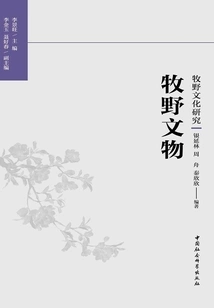
Makino Cultural Relics
History牧野文物
Compiled By Yin Yanlin, Zhou Zhou And Qin Xinxin
Xinxiang City has 20 national key cultural relics protection units announced by the State Council and 59 provincial-level cultural relics protection units. Among these cultural protection units, there are 35 ancient buildings, 16 ancient ruins, 3 ancient tombs, 14 stone carvings, and 10 modern and contemporary historical sites. Among these relics, there are the Mengzhuang ruins spanning the Peiligang Culture, Yangshao Culture, Longshan Culture, Erlitou Culture, Erligang Culture and the Shang and Zhou dynasties; there are the ruins of the capital of the Republic of China in the late Western Zhou Dynasty; in the mountainous areas of Huixian and Weihui, there is the Warring States Great Wall dating back 2,300 years ago. It is worth mentioning that in June 2014, the Grand Canal was selected as a World Heritage Site. The Grand Canal in Xinxiang City began with the Sui-Tang Grand Canal Yongji Canal built in the fourth year of Emperor Yang's reign (608). It was renamed Yuhe in the Northern Song Dynasty and Weihe in the early Ming Dynasty and has been in use ever since. Xinxiang cultural and museum institutions at all levels and other famous domestic museums also preserve a large number of Xinxiang's handed down cultural relics, which together with various cultural relics tell the history of Xinxiang. This book contains 217 fine cultural relics, which are collected in Xinxiang Museum, the Palace Museum, Henan Museum, etc., Including 65 bronzes, 47 ceramics, 13 jades, 30 paintings and calligraphy, 15 statues, 29 rubbings, 6 modern pieces, and 12 other collections. These cultural relic collections have high historical, scientific and artistic value.
Xinxiang City has 20 national key cultural relics protection units announced by the State Council and 59 provincial-level cultural relics protection units. Among these cultural protection units, there are 35 ancient buildings, 16 ancient ruins, 3 ancient tombs, 14 stone carvings, and 10 modern and contemporary historical sites. Among these relics, there are the Mengzhuang ruins spanning the Peiligang Culture, Yangshao Culture, Longshan Culture, Erlitou Culture, Erligang Culture and the Shang and Zhou dynasties; there are the ruins of the capital of the Republic of China in the late Western Zhou Dynasty; in the mountainous areas of Huixian and Weihui, there is the Warring States Great Wall dating back 2,300 years ago. It is worth mentioning that in June 2014, the Grand Canal was selected as a World Heritage Site. The Grand Canal in Xinxiang City began with the Sui-Tang Grand Canal Yongji Canal built in the fourth year of Emperor Yang's reign (608). It was renamed Yuhe in the Northern Song Dynasty and Weihe in the early Ming Dynasty and has been in use ever since. Xinxiang cultural and museum institutions at all levels and other famous domestic museums also preserve a large number of Xinxiang's handed down cultural relics, which together with various cultural relics tell the history of Xinxiang. This book contains 217 fine cultural relics, which are collected in Xinxiang Museum, the Palace Museum, Henan Museum, etc., Including 65 bronzes, 47 ceramics, 13 jades, 30 paintings and calligraphy, 15 statues, 29 rubbings, 6 modern pieces, and 12 other collections. These cultural relic collections have high historical, scientific and artistic value.