Library
Browse and search books
1 novel found
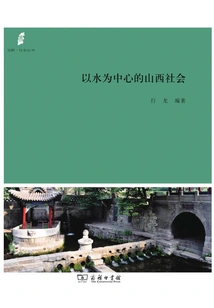
以水为中心的山西社会
Compiled By Xing Long
The social history of water conservancy is one of the most active fields in regional social history research in recent years. "Water is beneficial to all things without fighting for it." In fact, both advantages and disadvantages come with each other, and the benefits and disadvantages go hand in hand. It is better to seek advantages and avoid disadvantages. This is true whether in water-rich areas or water-scarce areas. This also reminds researchers that through "watershed" research at different spatial scales, they can effectively examine water conservancy society in the ecological environment, regard water conservancy society as the link between nature and society, and deepen the study of regional social history. This book embodies the new exploration of Shanxi's water conservancy society from the aspects of the theory of water conservancy and social history research, case studies of specific "watersheds", water conservancy and water hazards, rural areas and cities, etc. Focusing on the water resources issues in Shanxi during the historical period, the content covers theoretical methods of water conservancy and social history research, river basins and springs, lake preservation and waste, water division and competition, water rights and water cases, water conservancy and flood disasters, ritual governance systems, family sacrifices, etc., With the intention of establishing a basic research framework for "water-centered Shanxi society".
The social history of water conservancy is one of the most active fields in regional social history research in recent years. "Water is beneficial to all things without fighting for it." In fact, both advantages and disadvantages come with each other, and the benefits and disadvantages go hand in hand. It is better to seek advantages and avoid disadvantages. This is true whether in water-rich areas or water-scarce areas. This also reminds researchers that through "watershed" research at different spatial scales, they can effectively examine water conservancy society in the ecological environment, regard water conservancy society as the link between nature and society, and deepen the study of regional social history. This book embodies the new exploration of Shanxi's water conservancy society from the aspects of the theory of water conservancy and social history research, case studies of specific "watersheds", water conservancy and water hazards, rural areas and cities, etc. Focusing on the water resources issues in Shanxi during the historical period, the content covers theoretical methods of water conservancy and social history research, river basins and springs, lake preservation and waste, water division and competition, water rights and water cases, water conservancy and flood disasters, ritual governance systems, family sacrifices, etc., With the intention of establishing a basic research framework for "water-centered Shanxi society".