Library
Browse and search books
34 novels found
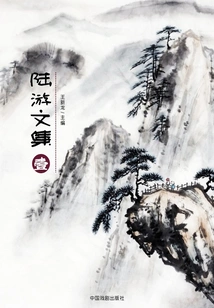
Collected Works of Lu You 1
Literature陆游文集1
Compiled By Wang Xinlong
A person who has been molded by the times and worked hard to mold the times. Through his poetry, he sends out a battle cry, which will always inspire generations of Chinese people to move forward bravely. Read the classic articles of a generation of patriotic poets and appreciate the ups and downs of official poets' lives.
A person who has been molded by the times and worked hard to mold the times. Through his poetry, he sends out a battle cry, which will always inspire generations of Chinese people to move forward bravely. Read the classic articles of a generation of patriotic poets and appreciate the ups and downs of official poets' lives.
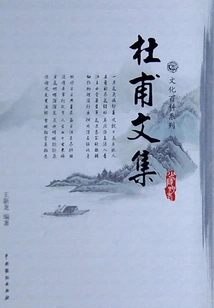
Collected Works of Du Fu 4
Literature杜甫文集4
Compiled By Wang Xinlong
It profoundly reflects the overall social picture of the Tang Dynasty for more than 20 years before and after Anshi Zhiji. Closely integrate social reality with personal life to achieve the perfect unity of ideological content and artistic form. It represents the highest achievement of Tang Dynasty poetry and shows the poet's life legend.
It profoundly reflects the overall social picture of the Tang Dynasty for more than 20 years before and after Anshi Zhiji. Closely integrate social reality with personal life to achieve the perfect unity of ideological content and artistic form. It represents the highest achievement of Tang Dynasty poetry and shows the poet's life legend.
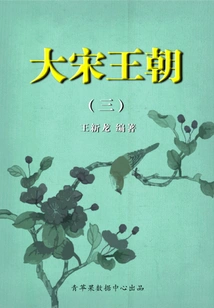
Song Dynasty 3
History大宋王朝3
Compiled By Wang Xinlong
The Song Dynasty thousands of years ago has become history, but the celebrities and sages, talented scholars, street life, and crafts and curios of the Song Dynasty still vividly remain in the cultural memory of today's Chinese people. The Song Dynasty was an economically and culturally prosperous dynasty in Chinese history. However, the two Song Dynasty regimes gradually declined under the attack of northern ethnic groups. The reasons are quite complicated, and scholars in the past dynasties have different opinions. There are also many stories about Song people in folklore, novels, and operas. Based on the Song Dynasty, this series introduces major events or phenomena such as the end of the wars in the Five Dynasties, the strengthening of centralization of power, the family law of being right-minded and restraining the military, the strategy of being at the forefront but not external, the reform of thinking about change when the situation is poor, the absurdity of the emperor, and the struggle between bureaucrats. At the same time, it re-examines the two Song Dynasties from different levels such as economy, culture, science and technology, and attempts to comprehensively show readers the beginning and end of the history of the Song Dynasty.
The Song Dynasty thousands of years ago has become history, but the celebrities and sages, talented scholars, street life, and crafts and curios of the Song Dynasty still vividly remain in the cultural memory of today's Chinese people. The Song Dynasty was an economically and culturally prosperous dynasty in Chinese history. However, the two Song Dynasty regimes gradually declined under the attack of northern ethnic groups. The reasons are quite complicated, and scholars in the past dynasties have different opinions. There are also many stories about Song people in folklore, novels, and operas. Based on the Song Dynasty, this series introduces major events or phenomena such as the end of the wars in the Five Dynasties, the strengthening of centralization of power, the family law of being right-minded and restraining the military, the strategy of being at the forefront but not external, the reform of thinking about change when the situation is poor, the absurdity of the emperor, and the struggle between bureaucrats. At the same time, it re-examines the two Song Dynasties from different levels such as economy, culture, science and technology, and attempts to comprehensively show readers the beginning and end of the history of the Song Dynasty.
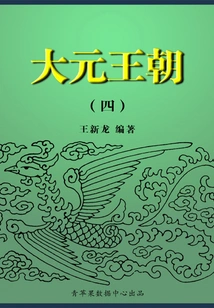
Yuan Dynasty 4
History大元王朝4
Compiled By Wang Xinlong
The Mongolian aristocrats galloping in the desert grasslands, relying on their gold and iron horses, swept thousands of miles like a tiger, and became the first ethnic minority government to dominate the Central Plains. They performed a magnificent historical drama on the vast land of East Asia, which had a significant impact on the course of Chinese history and even the history of the world. "The Yuan Dynasty" interprets the history of the Yuan Dynasty in detail with a rigorous scholarly attitude, bringing historical figures such as Genghis Khan, Kublai Khan, Emperor Shun of the Yuan Dynasty, and Yelu Chucai to life in front of today's people; it also narrates the Mongolian Army's Western Expedition, Qiu Chuji and Genghis Khan, and various historical events in the history of the Mongolian and Yuan Dynasties. It draws a wonderful historical picture of the solitary smoke in the desert and the sunset over the long river for today's people.
The Mongolian aristocrats galloping in the desert grasslands, relying on their gold and iron horses, swept thousands of miles like a tiger, and became the first ethnic minority government to dominate the Central Plains. They performed a magnificent historical drama on the vast land of East Asia, which had a significant impact on the course of Chinese history and even the history of the world. "The Yuan Dynasty" interprets the history of the Yuan Dynasty in detail with a rigorous scholarly attitude, bringing historical figures such as Genghis Khan, Kublai Khan, Emperor Shun of the Yuan Dynasty, and Yelu Chucai to life in front of today's people; it also narrates the Mongolian Army's Western Expedition, Qiu Chuji and Genghis Khan, and various historical events in the history of the Mongolian and Yuan Dynasties. It draws a wonderful historical picture of the solitary smoke in the desert and the sunset over the long river for today's people.
Qing Dynasty 4
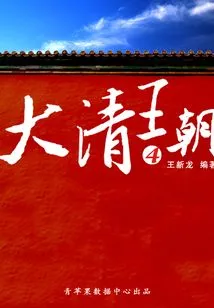
History大清王朝4
Compiled By Wang Xinlong
The Forbidden City, with its splendid palace buildings and precious cultural relics renowned both at home and abroad, is a witness to the rise and fall of a dynasty. The Qing Dynasty was like an old man staggering into the last part of his journey after a long period of time, leaving today's people with confusing scenes and lingering melancholy. Wars that changed dynasties, talented and ambitious emperors, unprecedented territories, ideological and cultural constraints, the ugliness of corrupt officials, the invasion of Western powers, the self-rescue of enlightened people, the spread of foreign cultures to the east, attempts at reform and reform, and the revolution that overthrew the imperial system. This book is to dig deep and clean up the old foundations accumulated by the three hundred years of changes in the Qing Dynasty. All of this is presented in this book. In one sentence, it comprehensively explains the Qing Dynasty and tells the story of the three hundred years of the Qing Dynasty that are full of mysteries.
The Forbidden City, with its splendid palace buildings and precious cultural relics renowned both at home and abroad, is a witness to the rise and fall of a dynasty. The Qing Dynasty was like an old man staggering into the last part of his journey after a long period of time, leaving today's people with confusing scenes and lingering melancholy. Wars that changed dynasties, talented and ambitious emperors, unprecedented territories, ideological and cultural constraints, the ugliness of corrupt officials, the invasion of Western powers, the self-rescue of enlightened people, the spread of foreign cultures to the east, attempts at reform and reform, and the revolution that overthrew the imperial system. This book is to dig deep and clean up the old foundations accumulated by the three hundred years of changes in the Qing Dynasty. All of this is presented in this book. In one sentence, it comprehensively explains the Qing Dynasty and tells the story of the three hundred years of the Qing Dynasty that are full of mysteries.
Collected Works of Du Fu 1
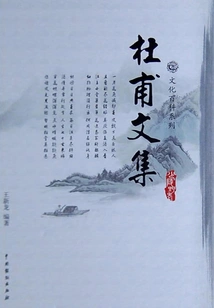
Literature杜甫文集1
Compiled By Wang Xinlong
Du Fu (712-770), courtesy name Zimei, was a great poet in the prosperous Tang Dynasty. Originally from Xiangyang, Hubei, born in Gong County, Henan. The grandson of Du Shenyi, a poet in the early Tang Dynasty. During the reign of Emperor Suzong of the Tang Dynasty, official Zuo collected the artifacts. Descendant of Shu, his friend Yan Wu recommended him to be a staff officer of Jiannan Jiedu Mansion and a member of the school's Ministry of Industry. Therefore, later generations also called him Du Shiyi and Du Gongbu.
Du Fu (712-770), courtesy name Zimei, was a great poet in the prosperous Tang Dynasty. Originally from Xiangyang, Hubei, born in Gong County, Henan. The grandson of Du Shenyi, a poet in the early Tang Dynasty. During the reign of Emperor Suzong of the Tang Dynasty, official Zuo collected the artifacts. Descendant of Shu, his friend Yan Wu recommended him to be a staff officer of Jiannan Jiedu Mansion and a member of the school's Ministry of Industry. Therefore, later generations also called him Du Shiyi and Du Gongbu.
Tang Dynasty 4
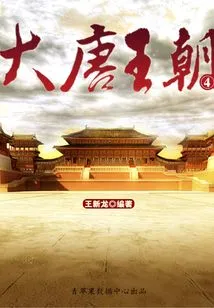
History大唐王朝4
Compiled By Wang Xinlong
In the development history of China's feudal society for more than 2,000 years, history advanced along a tortuous road and showed a wave-like trajectory. The Tang Dynasty, with its social and economic prosperity, cultural prosperity, and national power, was a recognized climax era. The Li family's father and son leapt into Jinyang, crossed the Yellow River west, captured Chang'an, and established the Tang Empire; the palace strife, open and covert attacks eventually led to the Xuanwumen Incident; Li Shimin succeeded to the throne, appointed people on their merits, made peace with Tubo, stabilized the frontiers, and initiated the rule of Zhenguan... The curtain of history has opened to illustrate the ups and downs, ups and downs of honor and disgrace in the long river of time. This book tells you about an unprecedentedly open and romantic empire, a Tang Dynasty that prospered and declined, but had eternal and lasting charm, showing a period of great achievements that Chinese descendants will always be proud of.
In the development history of China's feudal society for more than 2,000 years, history advanced along a tortuous road and showed a wave-like trajectory. The Tang Dynasty, with its social and economic prosperity, cultural prosperity, and national power, was a recognized climax era. The Li family's father and son leapt into Jinyang, crossed the Yellow River west, captured Chang'an, and established the Tang Empire; the palace strife, open and covert attacks eventually led to the Xuanwumen Incident; Li Shimin succeeded to the throne, appointed people on their merits, made peace with Tubo, stabilized the frontiers, and initiated the rule of Zhenguan... The curtain of history has opened to illustrate the ups and downs, ups and downs of honor and disgrace in the long river of time. This book tells you about an unprecedentedly open and romantic empire, a Tang Dynasty that prospered and declined, but had eternal and lasting charm, showing a period of great achievements that Chinese descendants will always be proud of.
Tang Dynasty 1
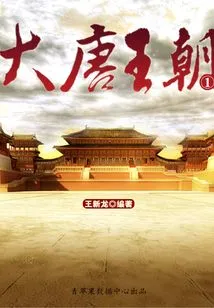
History大唐王朝1
Compiled By Wang Xinlong
In the development history of China's feudal society for more than 2,000 years, history advanced along a tortuous road and showed a wave-like trajectory. The Tang Dynasty, with its social and economic prosperity, cultural prosperity, and national power, was a recognized climax era. The Li family's father and son leapt into Jinyang, crossed the Yellow River west, captured Chang'an, and established the Tang Empire; the palace strife, open and covert attacks eventually led to the Xuanwumen Incident; Li Shimin succeeded to the throne, appointed people on their merits, made peace with Tubo, stabilized the frontiers, and initiated the rule of Zhenguan... The curtain of history has opened to illustrate the ups and downs, ups and downs of honor and disgrace in the long river of time. This book tells you about an unprecedentedly open and romantic empire, a Tang Dynasty that prospered and declined, but had eternal and lasting charm, showing a period of great achievements that Chinese descendants will always be proud of.
In the development history of China's feudal society for more than 2,000 years, history advanced along a tortuous road and showed a wave-like trajectory. The Tang Dynasty, with its social and economic prosperity, cultural prosperity, and national power, was a recognized climax era. The Li family's father and son leapt into Jinyang, crossed the Yellow River west, captured Chang'an, and established the Tang Empire; the palace strife, open and covert attacks eventually led to the Xuanwumen Incident; Li Shimin succeeded to the throne, appointed people on their merits, made peace with Tubo, stabilized the frontiers, and initiated the rule of Zhenguan... The curtain of history has opened to illustrate the ups and downs, ups and downs of honor and disgrace in the long river of time. This book tells you about an unprecedentedly open and romantic empire, a Tang Dynasty that prospered and declined, but had eternal and lasting charm, showing a period of great achievements that Chinese descendants will always be proud of.
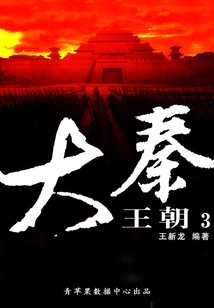
Qin Dynasty 3
History大秦王朝3
Compiled By Wang Xinlong
The Qin Dynasty arose at a time when the great powers were fiercely competing with each other, and their tolerance encapsulated the vigorous, simple, innovative and realistic spirit of that era. She advocated the rule of law, radical change, hard work in construction, and unification of political orders. After more than 160 years and six generations of leaders' unswerving pursuit, she completed the greatest dynastic revolution, established a powerful and unified dynasty, and ushered in a new era of iron civilization. But she only had fifteen years to live, and passed away like a meteor in a flash. This huge historical gap and the dramatic fate of the dynasty hide countless magical stories and the joys and sorrows of great people and celebrities. The social civilization framework woven by the dynasty and the cultural traditions it embodies still regulate our lives today and constitute a huge spiritual pillar for the Chinese nation.
The Qin Dynasty arose at a time when the great powers were fiercely competing with each other, and their tolerance encapsulated the vigorous, simple, innovative and realistic spirit of that era. She advocated the rule of law, radical change, hard work in construction, and unification of political orders. After more than 160 years and six generations of leaders' unswerving pursuit, she completed the greatest dynastic revolution, established a powerful and unified dynasty, and ushered in a new era of iron civilization. But she only had fifteen years to live, and passed away like a meteor in a flash. This huge historical gap and the dramatic fate of the dynasty hide countless magical stories and the joys and sorrows of great people and celebrities. The social civilization framework woven by the dynasty and the cultural traditions it embodies still regulate our lives today and constitute a huge spiritual pillar for the Chinese nation.
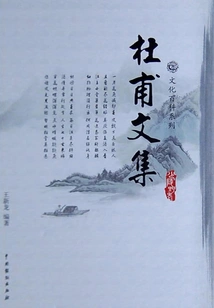
Collected Works of Du Fu 2
Literature杜甫文集2
Compiled By Wang Xinlong
Du Fu (712-770), courtesy name Zimei, was a great poet in the prosperous Tang Dynasty. Originally from Xiangyang, Hubei, born in Gong County, Henan. The grandson of Du Shenyi, a poet in the early Tang Dynasty. During the reign of Emperor Suzong of the Tang Dynasty, official Zuo collected the artifacts. Descendant of Shu, his friend Yan Wu recommended him to be a staff officer of Jiannan Jiedu Mansion and a member of the school's Ministry of Industry. Therefore, later generations also called him Du Shiyi and Du Gongbu.
Du Fu (712-770), courtesy name Zimei, was a great poet in the prosperous Tang Dynasty. Originally from Xiangyang, Hubei, born in Gong County, Henan. The grandson of Du Shenyi, a poet in the early Tang Dynasty. During the reign of Emperor Suzong of the Tang Dynasty, official Zuo collected the artifacts. Descendant of Shu, his friend Yan Wu recommended him to be a staff officer of Jiannan Jiedu Mansion and a member of the school's Ministry of Industry. Therefore, later generations also called him Du Shiyi and Du Gongbu.
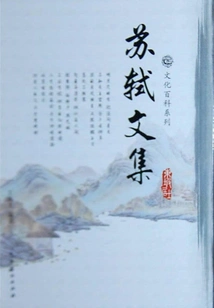
Collected Works of Su Shi 1
Literature苏轼文集1
Compiled By Wang Xinlong
The collection of Su Shi's works has been compiled in different ways throughout the ages. Roughly speaking, there are three main ways of compilation: poetry anthology, essay anthology and poetry collection.
The collection of Su Shi's works has been compiled in different ways throughout the ages. Roughly speaking, there are three main ways of compilation: poetry anthology, essay anthology and poetry collection.
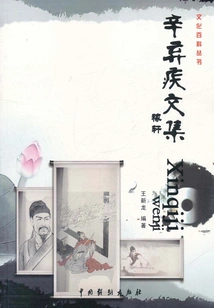
Collected Works of Xin Qiji 3
Literature辛弃疾文集3
Compiled By Wang Xinlong
With his unique heroic ambition and pride, Xin Qiji tried his best to express his words and used words as lyrics, which greatly expanded the subject matter scope of the word style and formed a melancholy and majestic main style.
With his unique heroic ambition and pride, Xin Qiji tried his best to express his words and used words as lyrics, which greatly expanded the subject matter scope of the word style and formed a melancholy and majestic main style.
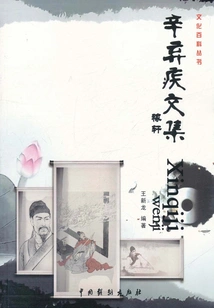
Collected Works of Xin Qiji 1
Literature辛弃疾文集1
Compiled By Wang Xinlong
With his unique heroic ambition and pride, Xin Qiji tried his best to express his words and used words as lyrics, which greatly expanded the subject matter scope of the word style and formed a melancholy and majestic main style.
With his unique heroic ambition and pride, Xin Qiji tried his best to express his words and used words as lyrics, which greatly expanded the subject matter scope of the word style and formed a melancholy and majestic main style.
Collected Works of Su Shi 3
Literature苏轼文集3
Compiled By Wang Xinlong
The collection of Su Shi's works has been compiled in different ways throughout the ages. Roughly speaking, there are three main ways of compilation: poetry anthology, essay anthology and poetry collection.
The collection of Su Shi's works has been compiled in different ways throughout the ages. Roughly speaking, there are three main ways of compilation: poetry anthology, essay anthology and poetry collection.
Collected Works of Su Shi 4
Literature苏轼文集4
Compiled By Wang Xinlong
The collection of Su Shi's works has been compiled in different ways throughout the ages. Roughly speaking, there are three main ways of compilation: poetry anthology, essay anthology and poetry collection.
The collection of Su Shi's works has been compiled in different ways throughout the ages. Roughly speaking, there are three main ways of compilation: poetry anthology, essay anthology and poetry collection.
Collected Works of Su Shi 2
Literature苏轼文集2
Compiled By Wang Xinlong
The collection of Su Shi's works has been compiled in different ways throughout the ages. Roughly speaking, there are three main ways of compilation: poetry anthology, essay anthology and poetry collection.
The collection of Su Shi's works has been compiled in different ways throughout the ages. Roughly speaking, there are three main ways of compilation: poetry anthology, essay anthology and poetry collection.
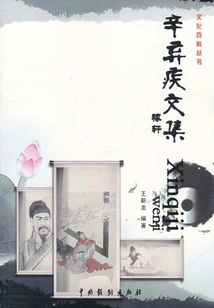
Collected Works of Xin Qiji 4
Literature辛弃疾文集4
Compiled By Wang Xinlong
With his unique heroic ambition and pride, Xin Qiji tried his best to express his words and used words as lyrics, which greatly expanded the subject matter scope of the word style and formed a melancholy and majestic main style.
With his unique heroic ambition and pride, Xin Qiji tried his best to express his words and used words as lyrics, which greatly expanded the subject matter scope of the word style and formed a melancholy and majestic main style.
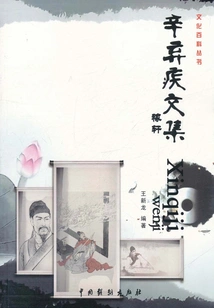
Collected Works of Xin Qiji 2
Literature辛弃疾文集2
Compiled By Wang Xinlong
With his unique heroic ambition and pride, Xin Qiji tried his best to express his words and used words as lyrics, which greatly expanded the subject matter scope of the word style and formed a melancholy and majestic main style.
With his unique heroic ambition and pride, Xin Qiji tried his best to express his words and used words as lyrics, which greatly expanded the subject matter scope of the word style and formed a melancholy and majestic main style.
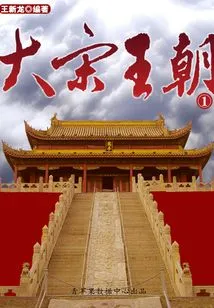
Song Dynasty 1
History大宋王朝1
Compiled By Wang Xinlong
The Song Dynasty thousands of years ago has become history, but the celebrities and sages, talented scholars, street life, and crafts and curios of the Song Dynasty still vividly remain in the cultural memory of today's Chinese people. The Song Dynasty was an economically and culturally prosperous dynasty in Chinese history. However, the two Song Dynasty regimes gradually declined under the attack of northern ethnic groups. The reasons are quite complicated, and scholars in the past dynasties have different opinions. There are also many stories about Song people in folklore, novels, and operas. Based on the Song Dynasty, this series introduces major events or phenomena such as the end of the wars in the Five Dynasties, the strengthening of centralization of power, the family law of being right-minded and restraining the military, the strategy of being at the forefront but not external, the reform of thinking about change when the situation is poor, the absurdity of the emperor, and the struggle between bureaucrats. At the same time, it re-examines the two Song Dynasties from different levels such as economy, culture, science and technology, and attempts to comprehensively show readers the beginning and end of the history of the Song Dynasty.
The Song Dynasty thousands of years ago has become history, but the celebrities and sages, talented scholars, street life, and crafts and curios of the Song Dynasty still vividly remain in the cultural memory of today's Chinese people. The Song Dynasty was an economically and culturally prosperous dynasty in Chinese history. However, the two Song Dynasty regimes gradually declined under the attack of northern ethnic groups. The reasons are quite complicated, and scholars in the past dynasties have different opinions. There are also many stories about Song people in folklore, novels, and operas. Based on the Song Dynasty, this series introduces major events or phenomena such as the end of the wars in the Five Dynasties, the strengthening of centralization of power, the family law of being right-minded and restraining the military, the strategy of being at the forefront but not external, the reform of thinking about change when the situation is poor, the absurdity of the emperor, and the struggle between bureaucrats. At the same time, it re-examines the two Song Dynasties from different levels such as economy, culture, science and technology, and attempts to comprehensively show readers the beginning and end of the history of the Song Dynasty.
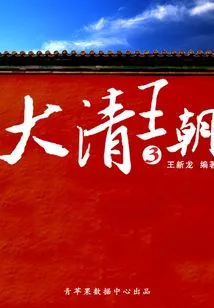
Qing Dynasty 3
History大清王朝3
Compiled By Wang Xinlong
The Forbidden City, with its splendid palace buildings and precious cultural relics renowned both at home and abroad, is a witness to the rise and fall of a dynasty. The Qing Dynasty was like an old man staggering into the last part of his journey after a long period of time, leaving today's people with confusing scenes and lingering melancholy. Wars that changed dynasties, talented and ambitious emperors, unprecedented territories, ideological and cultural constraints, the ugliness of corrupt officials, the invasion of Western powers, the self-rescue of enlightened people, the spread of foreign cultures to the east, attempts at reform and reform, and the revolution that overthrew the imperial system. This book is to dig deep and clean up the old foundations accumulated by the three hundred years of changes in the Qing Dynasty. All of this is presented in this book. In one sentence, it comprehensively explains the Qing Dynasty and tells the story of the three hundred years of the Qing Dynasty that are full of mysteries.
The Forbidden City, with its splendid palace buildings and precious cultural relics renowned both at home and abroad, is a witness to the rise and fall of a dynasty. The Qing Dynasty was like an old man staggering into the last part of his journey after a long period of time, leaving today's people with confusing scenes and lingering melancholy. Wars that changed dynasties, talented and ambitious emperors, unprecedented territories, ideological and cultural constraints, the ugliness of corrupt officials, the invasion of Western powers, the self-rescue of enlightened people, the spread of foreign cultures to the east, attempts at reform and reform, and the revolution that overthrew the imperial system. This book is to dig deep and clean up the old foundations accumulated by the three hundred years of changes in the Qing Dynasty. All of this is presented in this book. In one sentence, it comprehensively explains the Qing Dynasty and tells the story of the three hundred years of the Qing Dynasty that are full of mysteries.
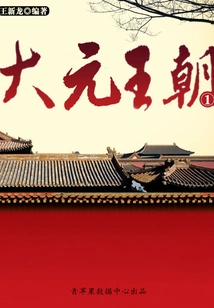
Yuan Dynasty 1
History大元王朝1
Compiled By Wang Xinlong
The Mongolian aristocrats galloping in the desert grasslands, relying on their gold and iron horses, swept thousands of miles like a tiger, and became the first ethnic minority government to dominate the Central Plains. They performed a magnificent historical drama on the vast land of East Asia, which had a significant impact on the course of Chinese history and even the history of the world. "The Yuan Dynasty" interprets the history of the Yuan Dynasty in detail with a rigorous scholarly attitude, bringing historical figures such as Genghis Khan, Kublai Khan, Emperor Shun of the Yuan Dynasty, and Yelu Chucai to life in front of today's people; it also narrates the Mongolian Army's Western Expedition, Qiu Chuji and Genghis Khan, and various historical events in the history of the Mongolian and Yuan Dynasties. It draws a wonderful historical picture of the solitary smoke in the desert and the sunset over the long river for today's people.
The Mongolian aristocrats galloping in the desert grasslands, relying on their gold and iron horses, swept thousands of miles like a tiger, and became the first ethnic minority government to dominate the Central Plains. They performed a magnificent historical drama on the vast land of East Asia, which had a significant impact on the course of Chinese history and even the history of the world. "The Yuan Dynasty" interprets the history of the Yuan Dynasty in detail with a rigorous scholarly attitude, bringing historical figures such as Genghis Khan, Kublai Khan, Emperor Shun of the Yuan Dynasty, and Yelu Chucai to life in front of today's people; it also narrates the Mongolian Army's Western Expedition, Qiu Chuji and Genghis Khan, and various historical events in the history of the Mongolian and Yuan Dynasties. It draws a wonderful historical picture of the solitary smoke in the desert and the sunset over the long river for today's people.
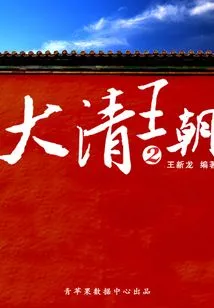
Qing Dynasty 2
History大清王朝2
Compiled By Wang Xinlong
The Forbidden City, with its splendid palace buildings and precious cultural relics renowned both at home and abroad, is a witness to the rise and fall of a dynasty. The Qing Dynasty was like an old man staggering into the last part of his journey after a long period of time, leaving today's people with confusing scenes and lingering melancholy. Wars that changed dynasties, talented and ambitious emperors, unprecedented territories, ideological and cultural constraints, the ugliness of corrupt officials, the invasion of Western powers, the self-rescue of enlightened people, the spread of foreign cultures to the east, attempts at reform and reform, and the revolution that overthrew the imperial system. This book is to dig deep and clean up the old foundations accumulated by the three hundred years of changes in the Qing Dynasty. All of this is presented in this book. In one sentence, it comprehensively explains the Qing Dynasty and tells the story of the three hundred years of the Qing Dynasty that are full of mysteries.
The Forbidden City, with its splendid palace buildings and precious cultural relics renowned both at home and abroad, is a witness to the rise and fall of a dynasty. The Qing Dynasty was like an old man staggering into the last part of his journey after a long period of time, leaving today's people with confusing scenes and lingering melancholy. Wars that changed dynasties, talented and ambitious emperors, unprecedented territories, ideological and cultural constraints, the ugliness of corrupt officials, the invasion of Western powers, the self-rescue of enlightened people, the spread of foreign cultures to the east, attempts at reform and reform, and the revolution that overthrew the imperial system. This book is to dig deep and clean up the old foundations accumulated by the three hundred years of changes in the Qing Dynasty. All of this is presented in this book. In one sentence, it comprehensively explains the Qing Dynasty and tells the story of the three hundred years of the Qing Dynasty that are full of mysteries.
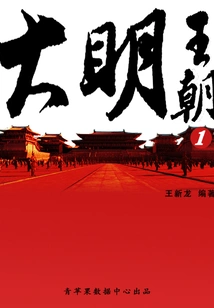
Ming Dynasty 1
History大明王朝1
Compiled By Wang Xinlong
The Ming Empire was a dynasty founded by people who herded cattle and worked as monks. It seems that the rise and fall of this dynasty was destined to be dramatic from the beginning of the story. The characters who appeared and the events that occurred during the period were also relatively unique and bizarre. Zhu Yuanzhang started from scratch. Surrounded by heroes and in a precarious situation, he sized up the situation and worked step by step. He created the foundation of the Ming Dynasty in only fifteen years. However, by the time of Emperor Chongzhen, the city was full of war, and the emperor and his ministers abandoned each other, which makes people sigh! This book sifts out a large number of plots that have not been paid attention to by historical historians from the vast amount of written historical materials, and reinterprets the story of the evolution of Zhengshuo and the change of society, which can be said to be an easy task. It attempts to show readers a realistic picture of the history of the Ming Dynasty with beautiful writing and detailed historical materials, and tell you a real Ming Dynasty.
The Ming Empire was a dynasty founded by people who herded cattle and worked as monks. It seems that the rise and fall of this dynasty was destined to be dramatic from the beginning of the story. The characters who appeared and the events that occurred during the period were also relatively unique and bizarre. Zhu Yuanzhang started from scratch. Surrounded by heroes and in a precarious situation, he sized up the situation and worked step by step. He created the foundation of the Ming Dynasty in only fifteen years. However, by the time of Emperor Chongzhen, the city was full of war, and the emperor and his ministers abandoned each other, which makes people sigh! This book sifts out a large number of plots that have not been paid attention to by historical historians from the vast amount of written historical materials, and reinterprets the story of the evolution of Zhengshuo and the change of society, which can be said to be an easy task. It attempts to show readers a realistic picture of the history of the Ming Dynasty with beautiful writing and detailed historical materials, and tell you a real Ming Dynasty.
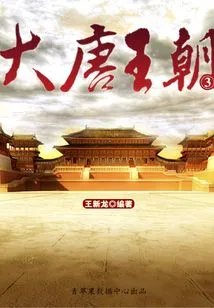
Tang Dynasty 3
History大唐王朝3
Compiled By Wang Xinlong
In the development history of China's feudal society for more than 2,000 years, history advanced along a tortuous road and showed a wave-like trajectory. The Tang Dynasty, with its social and economic prosperity, cultural prosperity, and national power, was a recognized climax era. The Li family's father and son leapt into Jinyang, crossed the Yellow River west, captured Chang'an, and established the Tang Empire; the palace strife, open and covert attacks eventually led to the Xuanwumen Incident; Li Shimin succeeded to the throne, appointed people on their merits, made peace with Tubo, stabilized the frontiers, and initiated the rule of Zhenguan... The curtain of history has opened to illustrate the ups and downs, ups and downs of honor and disgrace in the long river of time. This book tells you about an unprecedentedly open and romantic empire, a Tang Dynasty that prospered and declined, but had eternal and lasting charm, showing a period of great achievements that Chinese descendants will always be proud of.
In the development history of China's feudal society for more than 2,000 years, history advanced along a tortuous road and showed a wave-like trajectory. The Tang Dynasty, with its social and economic prosperity, cultural prosperity, and national power, was a recognized climax era. The Li family's father and son leapt into Jinyang, crossed the Yellow River west, captured Chang'an, and established the Tang Empire; the palace strife, open and covert attacks eventually led to the Xuanwumen Incident; Li Shimin succeeded to the throne, appointed people on their merits, made peace with Tubo, stabilized the frontiers, and initiated the rule of Zhenguan... The curtain of history has opened to illustrate the ups and downs, ups and downs of honor and disgrace in the long river of time. This book tells you about an unprecedentedly open and romantic empire, a Tang Dynasty that prospered and declined, but had eternal and lasting charm, showing a period of great achievements that Chinese descendants will always be proud of.
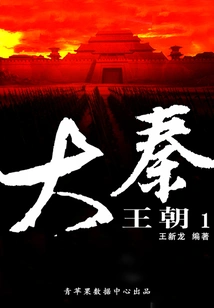
Qin Dynasty 1
History大秦王朝1
Compiled By Wang Xinlong
The Qin Dynasty arose at a time when the great powers were fiercely competing with each other, and their tolerance encapsulated the vigorous, simple, innovative and realistic spirit of that era. She advocated the rule of law, radical change, hard work in construction, and unification of political orders. After more than 160 years and six generations of leaders' unswerving pursuit, she completed the greatest dynastic revolution, established a powerful and unified dynasty, and ushered in a new era of iron civilization. But she only had fifteen years to live, and passed away like a meteor in a flash. This huge historical gap and the dramatic fate of the dynasty hide countless magical stories and the joys and sorrows of great people and celebrities. The social civilization framework woven by the dynasty and the cultural traditions it embodies still regulate our lives today and constitute a huge spiritual pillar for the Chinese nation.
The Qin Dynasty arose at a time when the great powers were fiercely competing with each other, and their tolerance encapsulated the vigorous, simple, innovative and realistic spirit of that era. She advocated the rule of law, radical change, hard work in construction, and unification of political orders. After more than 160 years and six generations of leaders' unswerving pursuit, she completed the greatest dynastic revolution, established a powerful and unified dynasty, and ushered in a new era of iron civilization. But she only had fifteen years to live, and passed away like a meteor in a flash. This huge historical gap and the dramatic fate of the dynasty hide countless magical stories and the joys and sorrows of great people and celebrities. The social civilization framework woven by the dynasty and the cultural traditions it embodies still regulate our lives today and constitute a huge spiritual pillar for the Chinese nation.
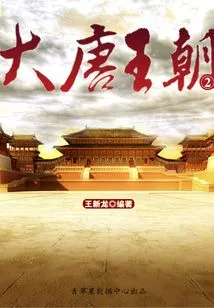
Tang Dynasty 2
History大唐王朝2
Compiled By Wang Xinlong
In the development history of China's feudal society for more than 2,000 years, history advanced along a tortuous road and showed a wave-like trajectory. The Tang Dynasty, with its social and economic prosperity, cultural prosperity, and national power, was a recognized climax era. The Li family's father and son leapt into Jinyang, crossed the Yellow River west, captured Chang'an, and established the Tang Empire; the palace strife, open and covert attacks eventually led to the Xuanwumen Incident; Li Shimin succeeded to the throne, appointed people on their merits, made peace with Tubo, stabilized the frontiers, and initiated the rule of Zhenguan... The curtain of history has opened to illustrate the ups and downs, ups and downs of honor and disgrace in the long river of time. This book tells you about an unprecedentedly open and romantic empire, a Tang Dynasty that prospered and declined, but had eternal and lasting charm, showing a period of great achievements that Chinese descendants will always be proud of.
In the development history of China's feudal society for more than 2,000 years, history advanced along a tortuous road and showed a wave-like trajectory. The Tang Dynasty, with its social and economic prosperity, cultural prosperity, and national power, was a recognized climax era. The Li family's father and son leapt into Jinyang, crossed the Yellow River west, captured Chang'an, and established the Tang Empire; the palace strife, open and covert attacks eventually led to the Xuanwumen Incident; Li Shimin succeeded to the throne, appointed people on their merits, made peace with Tubo, stabilized the frontiers, and initiated the rule of Zhenguan... The curtain of history has opened to illustrate the ups and downs, ups and downs of honor and disgrace in the long river of time. This book tells you about an unprecedentedly open and romantic empire, a Tang Dynasty that prospered and declined, but had eternal and lasting charm, showing a period of great achievements that Chinese descendants will always be proud of.
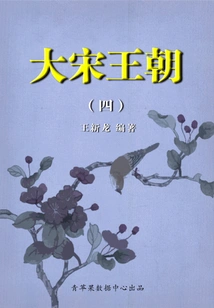
Song Dynasty 4
History大宋王朝4
Compiled By Wang Xinlong
The Song Dynasty thousands of years ago has become history, but the celebrities and sages, talented scholars, street life, and crafts and curios of the Song Dynasty still vividly remain in the cultural memory of today's Chinese people. The Song Dynasty was an economically and culturally prosperous dynasty in Chinese history. However, the two Song Dynasty regimes gradually declined under the attack of northern ethnic groups. The reasons are quite complicated, and scholars in the past dynasties have different opinions. There are also many stories about Song people in folklore, novels, and operas. Based on the Song Dynasty, this series introduces major events or phenomena such as the end of the wars in the Five Dynasties, the strengthening of centralization of power, the family law of being right-minded and restraining the military, the strategy of being at the forefront but not external, the reform of thinking about change when the situation is poor, the absurdity of the emperor, and the struggle between bureaucrats. At the same time, it re-examines the two Song Dynasties from different levels such as economy, culture, science and technology, and attempts to comprehensively show readers the beginning and end of the history of the Song Dynasty.
The Song Dynasty thousands of years ago has become history, but the celebrities and sages, talented scholars, street life, and crafts and curios of the Song Dynasty still vividly remain in the cultural memory of today's Chinese people. The Song Dynasty was an economically and culturally prosperous dynasty in Chinese history. However, the two Song Dynasty regimes gradually declined under the attack of northern ethnic groups. The reasons are quite complicated, and scholars in the past dynasties have different opinions. There are also many stories about Song people in folklore, novels, and operas. Based on the Song Dynasty, this series introduces major events or phenomena such as the end of the wars in the Five Dynasties, the strengthening of centralization of power, the family law of being right-minded and restraining the military, the strategy of being at the forefront but not external, the reform of thinking about change when the situation is poor, the absurdity of the emperor, and the struggle between bureaucrats. At the same time, it re-examines the two Song Dynasties from different levels such as economy, culture, science and technology, and attempts to comprehensively show readers the beginning and end of the history of the Song Dynasty.
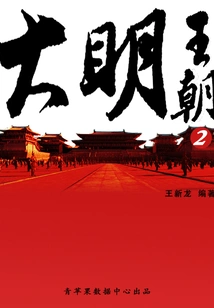
Ming Dynasty 2
History大明王朝2
Compiled By Wang Xinlong
The Ming Empire was a dynasty founded by people who herded cattle and worked as monks. It seems that the rise and fall of this dynasty was destined to be dramatic from the beginning of the story. The characters who appeared and the events that occurred during the period were also relatively unique and bizarre. Zhu Yuanzhang started from scratch. Surrounded by heroes and in a precarious situation, he sized up the situation and worked step by step. He created the foundation of the Ming Dynasty in only fifteen years. However, by the time of Emperor Chongzhen, the city was full of war, and the emperor and his ministers abandoned each other, which makes people sigh! This book sifts out a large number of plots that have not been paid attention to by historical historians from the vast amount of written historical materials, and reinterprets the story of the evolution of Zhengshuo and the change of society, which can be said to be an easy task. It attempts to show readers a realistic picture of the history of the Ming Dynasty with beautiful writing and detailed historical materials, and tell you a real Ming Dynasty.
The Ming Empire was a dynasty founded by people who herded cattle and worked as monks. It seems that the rise and fall of this dynasty was destined to be dramatic from the beginning of the story. The characters who appeared and the events that occurred during the period were also relatively unique and bizarre. Zhu Yuanzhang started from scratch. Surrounded by heroes and in a precarious situation, he sized up the situation and worked step by step. He created the foundation of the Ming Dynasty in only fifteen years. However, by the time of Emperor Chongzhen, the city was full of war, and the emperor and his ministers abandoned each other, which makes people sigh! This book sifts out a large number of plots that have not been paid attention to by historical historians from the vast amount of written historical materials, and reinterprets the story of the evolution of Zhengshuo and the change of society, which can be said to be an easy task. It attempts to show readers a realistic picture of the history of the Ming Dynasty with beautiful writing and detailed historical materials, and tell you a real Ming Dynasty.
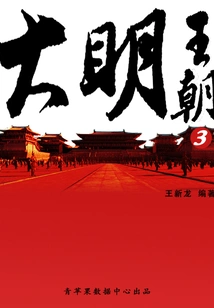
Ming Dynasty 3
History大明王朝3
Compiled By Wang Xinlong
The Ming Empire was a dynasty founded by people who herded cattle and worked as monks. It seems that the rise and fall of this dynasty was destined to be dramatic from the beginning of the story. The characters who appeared and the events that occurred during the period were also relatively unique and bizarre. Zhu Yuanzhang started from scratch. Surrounded by heroes and in a precarious situation, he sized up the situation and worked step by step. He created the foundation of the Ming Dynasty in only fifteen years. However, by the time of Emperor Chongzhen, the city was full of war, and the emperor and his ministers abandoned each other, which makes people sigh! This book sifts out a large number of plots that have not been paid attention to by historical historians from the vast amount of written historical materials, and reinterprets the story of the evolution of Zhengshuo and the change of society, which can be said to be an easy task. It attempts to show readers a realistic picture of the history of the Ming Dynasty with beautiful writing and detailed historical materials, and tell you a real Ming Dynasty.
The Ming Empire was a dynasty founded by people who herded cattle and worked as monks. It seems that the rise and fall of this dynasty was destined to be dramatic from the beginning of the story. The characters who appeared and the events that occurred during the period were also relatively unique and bizarre. Zhu Yuanzhang started from scratch. Surrounded by heroes and in a precarious situation, he sized up the situation and worked step by step. He created the foundation of the Ming Dynasty in only fifteen years. However, by the time of Emperor Chongzhen, the city was full of war, and the emperor and his ministers abandoned each other, which makes people sigh! This book sifts out a large number of plots that have not been paid attention to by historical historians from the vast amount of written historical materials, and reinterprets the story of the evolution of Zhengshuo and the change of society, which can be said to be an easy task. It attempts to show readers a realistic picture of the history of the Ming Dynasty with beautiful writing and detailed historical materials, and tell you a real Ming Dynasty.
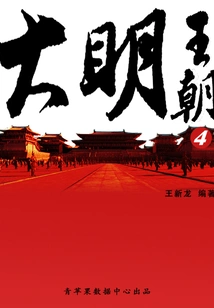
Ming Dynasty 4
History大明王朝4
Compiled By Wang Xinlong
The Ming Empire was a dynasty founded by people who herded cattle and worked as monks. It seems that the rise and fall of this dynasty was destined to be dramatic from the beginning of the story. The characters who appeared and the events that occurred during the period were also relatively unique and bizarre. Zhu Yuanzhang started from scratch. Surrounded by heroes and in a precarious situation, he sized up the situation and worked step by step. He created the foundation of the Ming Dynasty in only fifteen years. However, by the time of Emperor Chongzhen, the city was full of war, and the emperor and his ministers abandoned each other, which makes people sigh! This book sifts out a large number of plots that have not been paid attention to by historical historians from the vast amount of written historical materials, and reinterprets the story of the evolution of Zhengshuo and the change of society, which can be said to be an easy task. It attempts to show readers a realistic picture of the history of the Ming Dynasty with beautiful writing and detailed historical materials, and tell you a real Ming Dynasty.
The Ming Empire was a dynasty founded by people who herded cattle and worked as monks. It seems that the rise and fall of this dynasty was destined to be dramatic from the beginning of the story. The characters who appeared and the events that occurred during the period were also relatively unique and bizarre. Zhu Yuanzhang started from scratch. Surrounded by heroes and in a precarious situation, he sized up the situation and worked step by step. He created the foundation of the Ming Dynasty in only fifteen years. However, by the time of Emperor Chongzhen, the city was full of war, and the emperor and his ministers abandoned each other, which makes people sigh! This book sifts out a large number of plots that have not been paid attention to by historical historians from the vast amount of written historical materials, and reinterprets the story of the evolution of Zhengshuo and the change of society, which can be said to be an easy task. It attempts to show readers a realistic picture of the history of the Ming Dynasty with beautiful writing and detailed historical materials, and tell you a real Ming Dynasty.
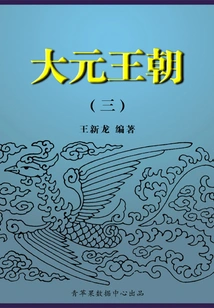
Yuan Dynasty 3
History大元王朝3
Compiled By Wang Xinlong
The Mongolian aristocrats galloping in the desert grasslands, relying on their gold and iron horses, swept thousands of miles like a tiger, and became the first ethnic minority government to dominate the Central Plains. They performed a magnificent historical drama on the vast land of East Asia, which had a significant impact on the course of Chinese history and even the history of the world. "The Yuan Dynasty" interprets the history of the Yuan Dynasty in detail with a rigorous scholarly attitude, bringing historical figures such as Genghis Khan, Kublai Khan, Emperor Shun of the Yuan Dynasty, and Yelu Chucai to life in front of today's people; it also narrates the Mongolian Army's Western Expedition, Qiu Chuji and Genghis Khan, and various historical events in the history of the Mongolian and Yuan Dynasties. It draws a wonderful historical picture of the solitary smoke in the desert and the sunset over the long river for today's people.
The Mongolian aristocrats galloping in the desert grasslands, relying on their gold and iron horses, swept thousands of miles like a tiger, and became the first ethnic minority government to dominate the Central Plains. They performed a magnificent historical drama on the vast land of East Asia, which had a significant impact on the course of Chinese history and even the history of the world. "The Yuan Dynasty" interprets the history of the Yuan Dynasty in detail with a rigorous scholarly attitude, bringing historical figures such as Genghis Khan, Kublai Khan, Emperor Shun of the Yuan Dynasty, and Yelu Chucai to life in front of today's people; it also narrates the Mongolian Army's Western Expedition, Qiu Chuji and Genghis Khan, and various historical events in the history of the Mongolian and Yuan Dynasties. It draws a wonderful historical picture of the solitary smoke in the desert and the sunset over the long river for today's people.
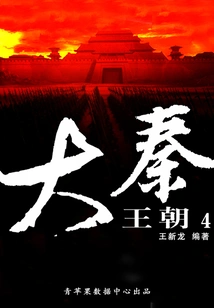
Daqin Dynasty 4
History大秦王朝4
Compiled By Wang Xinlong
The Qin Dynasty arose at a time when the great powers were fiercely competing with each other, and their tolerance encapsulated the vigorous, simple, innovative and realistic spirit of that era. She advocated the rule of law, radical change, hard work in construction, and unification of political orders. After more than 160 years and six generations of leaders' unswerving pursuit, she completed the greatest dynastic revolution, established a powerful and unified dynasty, and ushered in a new era of iron civilization. But she only had fifteen years to live, and passed away like a meteor in a flash. This huge historical gap and the dramatic fate of the dynasty hide countless magical stories and the joys and sorrows of great people and celebrities. The social civilization framework woven by the dynasty and the cultural traditions it embodies still regulate our lives today and constitute a huge spiritual pillar for the Chinese nation.
The Qin Dynasty arose at a time when the great powers were fiercely competing with each other, and their tolerance encapsulated the vigorous, simple, innovative and realistic spirit of that era. She advocated the rule of law, radical change, hard work in construction, and unification of political orders. After more than 160 years and six generations of leaders' unswerving pursuit, she completed the greatest dynastic revolution, established a powerful and unified dynasty, and ushered in a new era of iron civilization. But she only had fifteen years to live, and passed away like a meteor in a flash. This huge historical gap and the dramatic fate of the dynasty hide countless magical stories and the joys and sorrows of great people and celebrities. The social civilization framework woven by the dynasty and the cultural traditions it embodies still regulate our lives today and constitute a huge spiritual pillar for the Chinese nation.
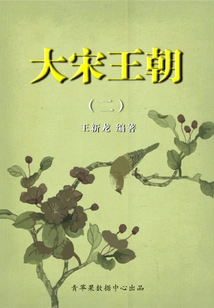
Song Dynasty 2
History大宋王朝2
Compiled By Wang Xinlong
The Song Dynasty thousands of years ago has become history, but the celebrities and sages, talented scholars, street life, and crafts and curios of the Song Dynasty still vividly remain in the cultural memory of today's Chinese people. The Song Dynasty was an economically and culturally prosperous dynasty in Chinese history. However, the two Song Dynasty regimes gradually declined under the attack of northern ethnic groups. The reasons are quite complicated, and scholars in the past dynasties have different opinions. There are also many stories about Song people in folklore, novels, and operas. Based on the Song Dynasty, this series introduces major events or phenomena such as the end of the wars in the Five Dynasties, the strengthening of centralization of power, the family law of being right-minded and restraining the military, the strategy of being at the forefront but not external, the reform of thinking about change when the situation is poor, the absurdity of the emperor, and the struggle between bureaucrats. At the same time, it re-examines the two Song Dynasties from different levels such as economy, culture, science and technology, and attempts to comprehensively show readers the beginning and end of the history of the Song Dynasty.
The Song Dynasty thousands of years ago has become history, but the celebrities and sages, talented scholars, street life, and crafts and curios of the Song Dynasty still vividly remain in the cultural memory of today's Chinese people. The Song Dynasty was an economically and culturally prosperous dynasty in Chinese history. However, the two Song Dynasty regimes gradually declined under the attack of northern ethnic groups. The reasons are quite complicated, and scholars in the past dynasties have different opinions. There are also many stories about Song people in folklore, novels, and operas. Based on the Song Dynasty, this series introduces major events or phenomena such as the end of the wars in the Five Dynasties, the strengthening of centralization of power, the family law of being right-minded and restraining the military, the strategy of being at the forefront but not external, the reform of thinking about change when the situation is poor, the absurdity of the emperor, and the struggle between bureaucrats. At the same time, it re-examines the two Song Dynasties from different levels such as economy, culture, science and technology, and attempts to comprehensively show readers the beginning and end of the history of the Song Dynasty.
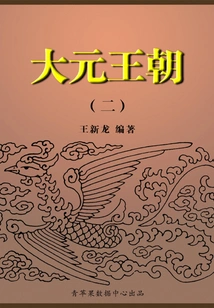
Yuan Dynasty 2
History大元王朝2
Compiled By Wang Xinlong
The Mongolian aristocrats galloping in the desert grasslands, relying on their gold and iron horses, swept thousands of miles like a tiger, and became the first ethnic minority government to dominate the Central Plains. They performed a magnificent historical drama on the vast land of East Asia, which had a significant impact on the course of Chinese history and even the history of the world. "The Yuan Dynasty" interprets the history of the Yuan Dynasty in detail with a rigorous scholarly attitude, bringing historical figures such as Genghis Khan, Kublai Khan, Emperor Shun of the Yuan Dynasty, and Yelu Chucai to life in front of today's people; it also narrates the Mongolian Army's Western Expedition, Qiu Chuji and Genghis Khan, and various historical events in the history of the Mongolian and Yuan Dynasties. It draws a wonderful historical picture of the solitary smoke in the desert and the sunset over the long river for today's people.
The Mongolian aristocrats galloping in the desert grasslands, relying on their gold and iron horses, swept thousands of miles like a tiger, and became the first ethnic minority government to dominate the Central Plains. They performed a magnificent historical drama on the vast land of East Asia, which had a significant impact on the course of Chinese history and even the history of the world. "The Yuan Dynasty" interprets the history of the Yuan Dynasty in detail with a rigorous scholarly attitude, bringing historical figures such as Genghis Khan, Kublai Khan, Emperor Shun of the Yuan Dynasty, and Yelu Chucai to life in front of today's people; it also narrates the Mongolian Army's Western Expedition, Qiu Chuji and Genghis Khan, and various historical events in the history of the Mongolian and Yuan Dynasties. It draws a wonderful historical picture of the solitary smoke in the desert and the sunset over the long river for today's people.