Library
Browse and search books
1 novel found
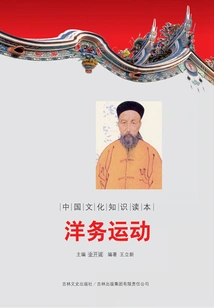
Westernization Movement
History洋务运动
Compiled By Wang Lixin
The Westernization Movement, also known as the Self-Strengthening Movement, refers to the reform movement of "learning from the skills of the barbarians to strengthen ourselves" launched across the country from 1861 (beginning at the end of the Xianfeng decade) to 1894 by the Westernization faction within the Qing government. After the two Opium Wars, the ruling class of the Qing government was divided between the "Westernizationists" and the "Conservatives" over how to resolve a series of internal and external troubles. The Westernizationists advocated the use of government-run, government-supervised and commercial-run, government-business joint ventures, etc. To develop new industries and enhance national strength in order to maintain the feudal rule of the Qing government. It also laid a certain foundation for China to enter modernization. "Chinese Cultural Knowledge Reader: The Westernization Movement" uses fresh language and solid historical materials to explain the ins and outs of the Westernization Movement concisely and yet importantly. The book is full of moving details of historical events and characters, restoring the historical scenes at that time, giving people a strong sense of being on the scene.
The Westernization Movement, also known as the Self-Strengthening Movement, refers to the reform movement of "learning from the skills of the barbarians to strengthen ourselves" launched across the country from 1861 (beginning at the end of the Xianfeng decade) to 1894 by the Westernization faction within the Qing government. After the two Opium Wars, the ruling class of the Qing government was divided between the "Westernizationists" and the "Conservatives" over how to resolve a series of internal and external troubles. The Westernizationists advocated the use of government-run, government-supervised and commercial-run, government-business joint ventures, etc. To develop new industries and enhance national strength in order to maintain the feudal rule of the Qing government. It also laid a certain foundation for China to enter modernization. "Chinese Cultural Knowledge Reader: The Westernization Movement" uses fresh language and solid historical materials to explain the ins and outs of the Westernization Movement concisely and yet importantly. The book is full of moving details of historical events and characters, restoring the historical scenes at that time, giving people a strong sense of being on the scene.