Library
Browse and search books
20 novels found

启蒙运动(美国国家地理全球史)
Compiled By The National Geographic Society
The Enlightenment was a political and cultural movement that aimed at radically reforming the ideological structures of the ancien régime. Thinkers such as Rousseau, Voltaire, and Kant held high the banner of reason and further liberated people's minds. Various new ideas emerged one after another, until the "Declaration of Human Rights" at the end of the century. This book combs the historical clues of the development of the Enlightenment and the theoretical logic of the brilliant thinkers and schools of this period, and observes how they shaped the modern world. In addition, this book explains the profound impact that European expansion had on other parts of the world during this period, such as the American Revolutionary War. The history of Europe in the 18th century is like a world history.
The Enlightenment was a political and cultural movement that aimed at radically reforming the ideological structures of the ancien régime. Thinkers such as Rousseau, Voltaire, and Kant held high the banner of reason and further liberated people's minds. Various new ideas emerged one after another, until the "Declaration of Human Rights" at the end of the century. This book combs the historical clues of the development of the Enlightenment and the theoretical logic of the brilliant thinkers and schools of this period, and observes how they shaped the modern world. In addition, this book explains the profound impact that European expansion had on other parts of the world during this period, such as the American Revolutionary War. The history of Europe in the 18th century is like a world history.
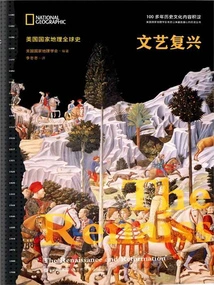
文艺复兴(美国国家地理全球史)
Compiled By The National Geographic Society
This book is one of the "National Geographic Global History of the United States" produced by the National Geographic Society. It focuses on the Renaissance and the Reformation in modern Europe. Comprehensive use of written records, historical maps, historical relics, and paintings and sculptures collected by major museums vividly and three-dimensionally reproduces the background of constant wars, plagues, and famines in Europe in the late Middle Ages. Humanists and church reformers broke through the shackles of disorder and chaos, carried out the Renaissance and the Reformation, creatively destroyed the Middle Ages, created a new European power structure, economic and cultural outlook, and opened the most glorious period in European history.
This book is one of the "National Geographic Global History of the United States" produced by the National Geographic Society. It focuses on the Renaissance and the Reformation in modern Europe. Comprehensive use of written records, historical maps, historical relics, and paintings and sculptures collected by major museums vividly and three-dimensionally reproduces the background of constant wars, plagues, and famines in Europe in the late Middle Ages. Humanists and church reformers broke through the shackles of disorder and chaos, carried out the Renaissance and the Reformation, creatively destroyed the Middle Ages, created a new European power structure, economic and cultural outlook, and opened the most glorious period in European history.
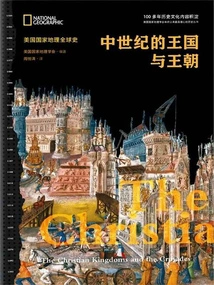
中世纪的王国与王朝(美国国家地理全球史)
Compiled By The National Geographic Society
"Kingdoms and Dynasties in the Middle Ages" combs through the changes in the middle ages and the changes in European kingdoms, including how the outer borders of Europe were determined, the consolidation of the monarchy and the restriction of the power of the feudal nobility, the origin of dynastic states and the continuous emergence of outstanding monarchs in various kingdoms (such as Philip Augustus of France and Saint Louis, England (Henry II of England and Richard the Lion-Hearted, as well as Alfonso VIII and Fernando III of Castile), involving the establishment of comprehensive universities, the prevalence of Romanesque art style, the development of urban life and guilds, etc., Which details and clearly presents the important and profound impact of medieval culture on the development of European kingdoms.
"Kingdoms and Dynasties in the Middle Ages" combs through the changes in the middle ages and the changes in European kingdoms, including how the outer borders of Europe were determined, the consolidation of the monarchy and the restriction of the power of the feudal nobility, the origin of dynastic states and the continuous emergence of outstanding monarchs in various kingdoms (such as Philip Augustus of France and Saint Louis, England (Henry II of England and Richard the Lion-Hearted, as well as Alfonso VIII and Fernando III of Castile), involving the establishment of comprehensive universities, the prevalence of Romanesque art style, the development of urban life and guilds, etc., Which details and clearly presents the important and profound impact of medieval culture on the development of European kingdoms.
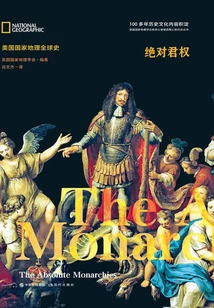
绝对君权(美国国家地理全球史)
Compiled By The National Geographic Society
The huge historical energy of the Renaissance and the Reformation was rapidly transmitted to the great changes and reshaping of Europe's political system and the balance of power in various countries in the 17th century. The most important feature is the establishment of European absolute monarchy and the formation of European nation-states. Europe has entered a new stage of modern history. The content of this book includes insider interpretations of the Thirty Years' War, the decline of the Holy Roman Empire, the British Glorious Revolution, the rise of the Kingdom of Prussia, and other key events that affected the course of European history, as well as detailed characterizations of figures who shine in the annals of history, such as the Sun King Louis XIV, King Gustavus II of Sweden, and Lord Protector Cromwell.
The huge historical energy of the Renaissance and the Reformation was rapidly transmitted to the great changes and reshaping of Europe's political system and the balance of power in various countries in the 17th century. The most important feature is the establishment of European absolute monarchy and the formation of European nation-states. Europe has entered a new stage of modern history. The content of this book includes insider interpretations of the Thirty Years' War, the decline of the Holy Roman Empire, the British Glorious Revolution, the rise of the Kingdom of Prussia, and other key events that affected the course of European history, as well as detailed characterizations of figures who shine in the annals of history, such as the Sun King Louis XIV, King Gustavus II of Sweden, and Lord Protector Cromwell.
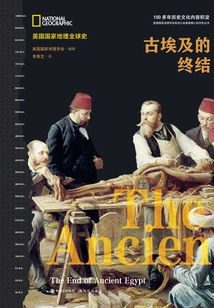
The End of Ancient Egypt
History古埃及的终结
Compiled By The National Geographic Society
This book is the third part of the trilogy "The Rise and Fall of Ancient Egypt" ("The First Pharaoh", "The Egyptian Empire" and "The End of Ancient Egypt") in the National Geographic Global History Series. It presents the history of ancient Egypt after the New Kingdom until the death of Cleopatra VII. During this period, Egypt experienced frequent dynasty changes and suffered from internal strife and foreign invasion. Ancient Egyptian civilization faced collisions and integration with Assyrian civilization, Neo-Babylonian civilization, Jewish civilization, Persian civilization, Greek civilization, and Roman civilization. Based on archaeological discoveries, this book comprehensively uses documentary records, historical relics, unearthed cultural relics, historical maps, restoration drawings, and anatomical drawings to vividly and three-dimensionally reproduce Egypt's political and military, economic and social, ideological and artistic, and religious and cultural conflicts during this period.
This book is the third part of the trilogy "The Rise and Fall of Ancient Egypt" ("The First Pharaoh", "The Egyptian Empire" and "The End of Ancient Egypt") in the National Geographic Global History Series. It presents the history of ancient Egypt after the New Kingdom until the death of Cleopatra VII. During this period, Egypt experienced frequent dynasty changes and suffered from internal strife and foreign invasion. Ancient Egyptian civilization faced collisions and integration with Assyrian civilization, Neo-Babylonian civilization, Jewish civilization, Persian civilization, Greek civilization, and Roman civilization. Based on archaeological discoveries, this book comprehensively uses documentary records, historical relics, unearthed cultural relics, historical maps, restoration drawings, and anatomical drawings to vividly and three-dimensionally reproduce Egypt's political and military, economic and social, ideological and artistic, and religious and cultural conflicts during this period.
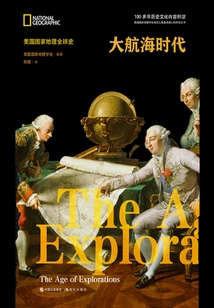
大航海时代(美国国家地理全球史)
Compiled By The National Geographic Society
The Age of Discovery was not only a profound revolution in geographical knowledge and navigation technology, but also a colorful page in the development of natural science. It was also a new era in the history of the development of human society. The explorations carried out by Westerners overturned the world order established by Easterners, making the flow of goods, people, ideas and technology on a global scale unstoppable. This book uses rich historical materials and clearly explains how mankind created an era of great voyages. How the great voyages drove the development of human history and allowed mankind to truly enter the era of globalization. It also analyzes the source of the power of Westerners' expansion.
The Age of Discovery was not only a profound revolution in geographical knowledge and navigation technology, but also a colorful page in the development of natural science. It was also a new era in the history of the development of human society. The explorations carried out by Westerners overturned the world order established by Easterners, making the flow of goods, people, ideas and technology on a global scale unstoppable. This book uses rich historical materials and clearly explains how mankind created an era of great voyages. How the great voyages drove the development of human history and allowed mankind to truly enter the era of globalization. It also analyzes the source of the power of Westerners' expansion.
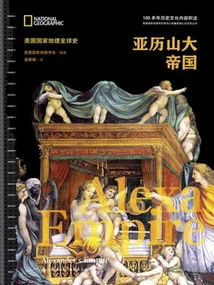
亚历山大帝国(美国国家地理全球史)
Compiled By The National Geographic Society
"Alexander's Empire" accurately reproduces Alexander the Great's life, great historical achievements, and how the empire fell apart during the conquests of his successors through the deeds and achievements of Alexander the Great. It involves the development, changes and power changes during the Alexander Empire and the Hellenistic Kingdom, as well as the achievements created by his successors. The New Kingdom, along with Alexander's education, army, and the city of Alexandria and the Kingdom of Pergamon, meticulously, richly and clearly presents the historical rise and fall of the world empire that spanned Europe, Asia and Africa at that time, and how the rich, turbulent and dramatic era was shaped by great figures who ended in tragedy.
"Alexander's Empire" accurately reproduces Alexander the Great's life, great historical achievements, and how the empire fell apart during the conquests of his successors through the deeds and achievements of Alexander the Great. It involves the development, changes and power changes during the Alexander Empire and the Hellenistic Kingdom, as well as the achievements created by his successors. The New Kingdom, along with Alexander's education, army, and the city of Alexandria and the Kingdom of Pergamon, meticulously, richly and clearly presents the historical rise and fall of the world empire that spanned Europe, Asia and Africa at that time, and how the rich, turbulent and dramatic era was shaped by great figures who ended in tragedy.
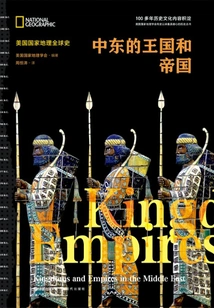
中东的王国和帝国
Compiled By The National Geographic Society
The Middle East is located in the core area of the Asian, African and European continents. It has been a politically fragmented region since ancient times, coveted and controlled by major powers. However, its political weakness has allowed culture to flourish. Its language, culture and religious traditions still have an impact on Western culture. It still plays a vital geopolitical significance today. This book reviews the history of the Middle East from 1200 BC to 300 BC. It tells the historical context and the splendid and magnificent civilization of the Kingdom of Israel, the Kingdom of Judea, the Phoenician city-states, the Kingdom of Aramaic, the Kingdom of Lydia, the Neo-Assyrian Empire, the Neo-Babylonian Empire... And finally the rise of the Persian Empire.
The Middle East is located in the core area of the Asian, African and European continents. It has been a politically fragmented region since ancient times, coveted and controlled by major powers. However, its political weakness has allowed culture to flourish. Its language, culture and religious traditions still have an impact on Western culture. It still plays a vital geopolitical significance today. This book reviews the history of the Middle East from 1200 BC to 300 BC. It tells the historical context and the splendid and magnificent civilization of the Kingdom of Israel, the Kingdom of Judea, the Phoenician city-states, the Kingdom of Aramaic, the Kingdom of Lydia, the Neo-Assyrian Empire, the Neo-Babylonian Empire... And finally the rise of the Persian Empire.
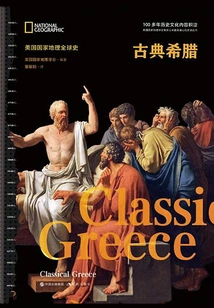
古典希腊(美国国家地理全球史)
Compiled By The National Geographic Society
This book uses rich archaeological discoveries, classical documents, restored pictures... To restore the 5th century BC, a glorious era in the history of ancient Greece with a hundred flowers blooming - the classical Greek period. The principles of classical aesthetics, logic and rational thinking, the social ethics of living together and resolving conflicts, the concept of equality before the law, the ideological foundation of democracy and participatory politics, individualism, humanism, scientific methods and principles, these basic concepts that laid the foundation for Western and even world cultural and political fields were all formed during this period. Even today, when new technologies are in full swing, Westerners are still Greek at heart.
This book uses rich archaeological discoveries, classical documents, restored pictures... To restore the 5th century BC, a glorious era in the history of ancient Greece with a hundred flowers blooming - the classical Greek period. The principles of classical aesthetics, logic and rational thinking, the social ethics of living together and resolving conflicts, the concept of equality before the law, the ideological foundation of democracy and participatory politics, individualism, humanism, scientific methods and principles, these basic concepts that laid the foundation for Western and even world cultural and political fields were all formed during this period. Even today, when new technologies are in full swing, Westerners are still Greek at heart.
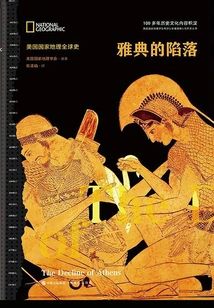
雅典的陷落(美国国家地理全球史)
Compiled By The National Geographic Society
This book focuses on the decline and end of the classical era of ancient Greece. Comprehensive use of written records, historical maps, cultural relics, restored models, and especially the collection of paintings, sculptures and other artworks collected in major museums around the world that reflect the historical style of this period, and using rich and reliable historical materials to vividly reproduce the struggle and replacement of Greek hegemony in the late classical era, especially the Peloponnesian War and the chaos and collapse it brought. The defeat of Athens directly led to the demise of the city-state system and ancient Greek civilization from its heyday. This book also features special topics such as medicine, sculpture art, and civic education in ancient Greece.
This book focuses on the decline and end of the classical era of ancient Greece. Comprehensive use of written records, historical maps, cultural relics, restored models, and especially the collection of paintings, sculptures and other artworks collected in major museums around the world that reflect the historical style of this period, and using rich and reliable historical materials to vividly reproduce the struggle and replacement of Greek hegemony in the late classical era, especially the Peloponnesian War and the chaos and collapse it brought. The defeat of Athens directly led to the demise of the city-state system and ancient Greek civilization from its heyday. This book also features special topics such as medicine, sculpture art, and civic education in ancient Greece.
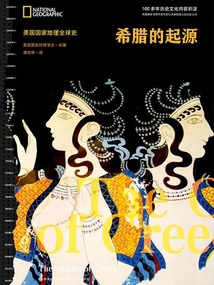
希腊的起源(美国国家地理全球史)
Compiled By The National Geographic Society
For a long time, ancient Greek civilization was full of poetic magnificence and mystery, just like Athena emerging from the head of Zeus fully armed. But with the emergence of the remains of the Cretan and Mycenaean civilizations, the origin of this ancient Western culture has truly become traceable. This book uses a wealth of archaeological discoveries, classical documents, architecture, and various authentic cultural relics, restored drawings, maps, paintings, and sculptures to restore the historical clues of ancient Greek civilization from the Bronze Age to the Archaic Period. It focuses on the ancient city of Troy, the ancient Olympic Games, the genealogy of Greek mythology, and the two overlords of the Greek city-states-Athens and Sparta.
For a long time, ancient Greek civilization was full of poetic magnificence and mystery, just like Athena emerging from the head of Zeus fully armed. But with the emergence of the remains of the Cretan and Mycenaean civilizations, the origin of this ancient Western culture has truly become traceable. This book uses a wealth of archaeological discoveries, classical documents, architecture, and various authentic cultural relics, restored drawings, maps, paintings, and sculptures to restore the historical clues of ancient Greek civilization from the Bronze Age to the Archaic Period. It focuses on the ancient city of Troy, the ancient Olympic Games, the genealogy of Greek mythology, and the two overlords of the Greek city-states-Athens and Sparta.
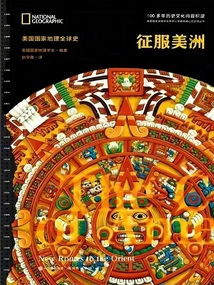
征服美洲(美国国家地理全球史)
Compiled By The National Geographic Society
This book discusses how the discovery and conquest of the Americas by Europeans changed the face of the Americas, Europe, and even the world from a broad historical perspective. Panoramicly restores the European conquest and colonization of American Indians, as well as the collision, collision and genocide of civilizations in the process; restores the disintegration of the economic, social and cultural structures of Native Americans from a sociological perspective and rich historical details. It also fully explains the rise of Spain, the first global colonial empire. At the same time, it comprehensively reproduces the magnificence, fantasy and unsolved mysteries of the Mayan and other American civilizations with rich archaeological discoveries, classical documents, architecture and various authentic cultural relics, restored pictures and maps.
This book discusses how the discovery and conquest of the Americas by Europeans changed the face of the Americas, Europe, and even the world from a broad historical perspective. Panoramicly restores the European conquest and colonization of American Indians, as well as the collision, collision and genocide of civilizations in the process; restores the disintegration of the economic, social and cultural structures of Native Americans from a sociological perspective and rich historical details. It also fully explains the rise of Spain, the first global colonial empire. At the same time, it comprehensively reproduces the magnificence, fantasy and unsolved mysteries of the Mayan and other American civilizations with rich archaeological discoveries, classical documents, architecture and various authentic cultural relics, restored pictures and maps.

古希腊文明2500年(全4册)
Compiled By The National Geographic Society
It presents the 2,500-year development history of ancient Greek civilization in a panoramic manner, salvages the glorious and mysterious fragments of ancient Greek civilization in detail, and interprets the enlightenment of the rise and fall of ancient Greek civilization. "The Origin of Greece": For a long time, ancient Greek civilization was full of poetic magnificence and mystery, just like Athena emerging from the head of Zeus fully armed. But with the emergence of the remains of the Cretan and Mycenaean civilizations, the origin of this ancient Western culture has truly become traceable. This book restores the historical clues of ancient Greek civilization from the Bronze Age to the Archaic Period. "Classical Greece": The principles of classical aesthetics, logic and rational thinking, the social ethics of living together and resolving conflicts, the concept of equality before the law, the ideological basis of democracy and participatory politics, the methods and principles of individualism, humanism, and science. These ideas that laid the foundation for Western and even world culture, politics, and other fields were all formed in the classical Greek period. Even today, when new technologies are in full swing, Europeans are still Greek at heart. "The Fall of Athens": This book uses rich and reliable historical materials to vividly reproduce the struggle and replacement of Greek hegemony in the late classical era, especially the Peloponnesian War and the chaos and collapse it brought about. The defeat of Athens directly led to the decline of the city-state system and ancient Greek civilization from its peak. "Alexander's Empire": Through the development, changes and power changes during the Alexander Empire and the Hellenistic Kingdom, this book details, richly and clearly presents the historical rise and fall of the world-wide empire across Europe, Asia and Africa at that time, and how the rich, turbulent and dramatic era was influenced by those great figures who ended in tragedy. At the same time, Alexander's expedition not only established a vast empire around the world, but also spread Greek culture to the conquered areas, profoundly changing the style of the ancient world and Greece in the classical period, and causing Greek culture to experience a new golden stage.
It presents the 2,500-year development history of ancient Greek civilization in a panoramic manner, salvages the glorious and mysterious fragments of ancient Greek civilization in detail, and interprets the enlightenment of the rise and fall of ancient Greek civilization. "The Origin of Greece": For a long time, ancient Greek civilization was full of poetic magnificence and mystery, just like Athena emerging from the head of Zeus fully armed. But with the emergence of the remains of the Cretan and Mycenaean civilizations, the origin of this ancient Western culture has truly become traceable. This book restores the historical clues of ancient Greek civilization from the Bronze Age to the Archaic Period. "Classical Greece": The principles of classical aesthetics, logic and rational thinking, the social ethics of living together and resolving conflicts, the concept of equality before the law, the ideological basis of democracy and participatory politics, the methods and principles of individualism, humanism, and science. These ideas that laid the foundation for Western and even world culture, politics, and other fields were all formed in the classical Greek period. Even today, when new technologies are in full swing, Europeans are still Greek at heart. "The Fall of Athens": This book uses rich and reliable historical materials to vividly reproduce the struggle and replacement of Greek hegemony in the late classical era, especially the Peloponnesian War and the chaos and collapse it brought about. The defeat of Athens directly led to the decline of the city-state system and ancient Greek civilization from its peak. "Alexander's Empire": Through the development, changes and power changes during the Alexander Empire and the Hellenistic Kingdom, this book details, richly and clearly presents the historical rise and fall of the world-wide empire across Europe, Asia and Africa at that time, and how the rich, turbulent and dramatic era was influenced by those great figures who ended in tragedy. At the same time, Alexander's expedition not only established a vast empire around the world, but also spread Greek culture to the conquered areas, profoundly changing the style of the ancient world and Greece in the classical period, and causing Greek culture to experience a new golden stage.
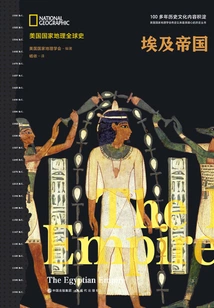
Egyptian Empire
History埃及帝国
Compiled By The National Geographic Society
This book is the second part of the trilogy "The Rise and Fall of Ancient Egypt" ("The First Pharaoh", "The Egyptian Empire" and "The End of Ancient Egypt") in the National Geographic Global History Series. After Egypt expelled the invading Hyksos, Egypt opened a new chapter: the New Kingdom. This book provides a comprehensive look at this heyday of ancient Egyptian history, when Egypt was one of the most powerful countries in the eastern Mediterranean. During this period, a large number of famous pharaohs emerged in history. For example, the famous female pharaoh Hatshepsut, the great conqueror and statesman Amenophis III, Akhenaten who initiated the reform of monotheism, the pharaoh Tutankhamun who is famous for the massive amount of funerary objects and wealth unearthed in his tomb, and the long-lived emperor Ramses II in the history of Egypt. He has also become the most famous pharaoh in the history of Egypt.
This book is the second part of the trilogy "The Rise and Fall of Ancient Egypt" ("The First Pharaoh", "The Egyptian Empire" and "The End of Ancient Egypt") in the National Geographic Global History Series. After Egypt expelled the invading Hyksos, Egypt opened a new chapter: the New Kingdom. This book provides a comprehensive look at this heyday of ancient Egyptian history, when Egypt was one of the most powerful countries in the eastern Mediterranean. During this period, a large number of famous pharaohs emerged in history. For example, the famous female pharaoh Hatshepsut, the great conqueror and statesman Amenophis III, Akhenaten who initiated the reform of monotheism, the pharaoh Tutankhamun who is famous for the massive amount of funerary objects and wealth unearthed in his tomb, and the long-lived emperor Ramses II in the history of Egypt. He has also become the most famous pharaoh in the history of Egypt.
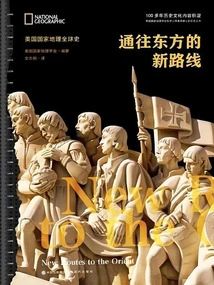
通往东方的新路线(美国国家地理全球史)
Compiled By The National Geographic Society
The mysterious East has always had an irresistible attraction to the West. The encounter between the Far East and Western Europe is not only a historical drama, but also a driving force for historical evolution. The huge imperial order spanning Europe and Asia established by the Mongol Empire once rejuvenated the Silk Road. However, with the rise of the Ottoman Empire, the traditional trade routes between the East and the West were cut off. This stimulated Europeans to find new routes, which contributed to the subsequent geographical discovery and even the Western hegemony of the world. From the perspective of the exploration of Western Europeans to the East and the collision of exchanges between the East and the West, this book restores the extraordinary appearance of the entire world history from the 13th to the 15th century, and tells the historical context of the subversion of the world structure caused by the transformation of trade routes.
The mysterious East has always had an irresistible attraction to the West. The encounter between the Far East and Western Europe is not only a historical drama, but also a driving force for historical evolution. The huge imperial order spanning Europe and Asia established by the Mongol Empire once rejuvenated the Silk Road. However, with the rise of the Ottoman Empire, the traditional trade routes between the East and the West were cut off. This stimulated Europeans to find new routes, which contributed to the subsequent geographical discovery and even the Western hegemony of the world. From the perspective of the exploration of Western Europeans to the East and the collision of exchanges between the East and the West, this book restores the extraordinary appearance of the entire world history from the 13th to the 15th century, and tells the historical context of the subversion of the world structure caused by the transformation of trade routes.
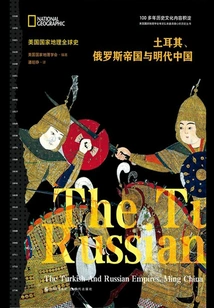
土耳其、俄罗斯帝国与明代中国
Compiled By The National Geographic Society
After the decline of the Mongol Empire, the three great empires of the East began to rise. The Turkish Ottoman Empire was another chapter in the history of the Islamic world opened up by the conversion of Asians to Islam; the Russian Empire inherited both European and Asian political traditions; and the Ming Empire, whose authoritarian political system would determine many of the characteristics of modern China. This book uses a historical perspective that transcends Eurocentrism to conduct a horizontal comparison of these three empires from the 15th to the 17th century. They provide a grand comparative perspective under the governance model of multilingual and multiethnic countries, thereby exploring another dynamic force and variables that shape the modern world.
After the decline of the Mongol Empire, the three great empires of the East began to rise. The Turkish Ottoman Empire was another chapter in the history of the Islamic world opened up by the conversion of Asians to Islam; the Russian Empire inherited both European and Asian political traditions; and the Ming Empire, whose authoritarian political system would determine many of the characteristics of modern China. This book uses a historical perspective that transcends Eurocentrism to conduct a horizontal comparison of these three empires from the 15th to the 17th century. They provide a grand comparative perspective under the governance model of multilingual and multiethnic countries, thereby exploring another dynamic force and variables that shape the modern world.
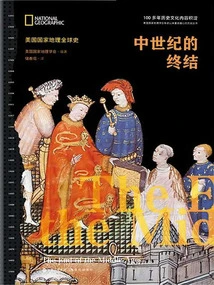
中世纪的终结(美国国家地理全球史)
Compiled By The National Geographic Society
This book uses a wealth of archaeological discoveries, classical documents, historical pictures, maps and other materials to restore the late Middle Ages, a period of transformation of European society. Europe experienced many crises during this period. The Black Death caused a sharp decline in population and put agriculture into crisis; the financial market was turbulent; the Hundred Years War between Britain and France was turbulent; protest movements were prevalent... The crisis also spread to Central and Eastern Europe, and even the Byzantine Empire. At the same time, during this period, the state machinery was strengthened, the royal power became increasingly powerful, the military construction became professional, and trade expanded. Europe gradually emerged from the fog of the Middle Ages, and the seeds of the Renaissance and the Reformation began to sprout.
This book uses a wealth of archaeological discoveries, classical documents, historical pictures, maps and other materials to restore the late Middle Ages, a period of transformation of European society. Europe experienced many crises during this period. The Black Death caused a sharp decline in population and put agriculture into crisis; the financial market was turbulent; the Hundred Years War between Britain and France was turbulent; protest movements were prevalent... The crisis also spread to Central and Eastern Europe, and even the Byzantine Empire. At the same time, during this period, the state machinery was strengthened, the royal power became increasingly powerful, the military construction became professional, and trade expanded. Europe gradually emerged from the fog of the Middle Ages, and the seeds of the Renaissance and the Reformation began to sprout.
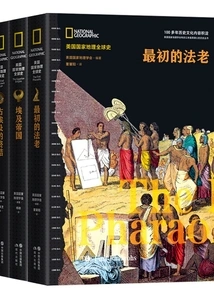
古埃及兴亡史(全三册)
Compiled By The National Geographic Society
"National Geographic Global History" - The Rise and Fall of Ancient Egypt, presents the clues of the historical evolution of ancient Egypt in a panoramic manner, and salvages the strange fragments of ancient Egypt's civilization in detail. "The Original Pharaoh": combs the history of the Early Dynasty, Old Kingdom and Middle Kingdom of ancient Egypt, covering the Pharaohs from the Zeroth Dynasty to the Seventeenth Dynasty of ancient Egypt, the development of the Nile Valley civilization, the changes of dynasties and power changes, and foreign kings. Based on archaeological discoveries and academic research, it presents the development of ancient Egyptian history in a detailed, rich and clear way and reveals many mysteries. "Egyptian Empire": tells the story of the heyday of ancient Egyptian history - the New Kingdom period (18th-20th Dynasty). A group of world-famous pharaohs emerged - the famous female pharaoh Hatshepsut, the great conqueror and outstanding politician Amenophis III, Akhenaten who initiated the reform of monotheism, Pharaoh Tutankhamun who was famous for the burial objects and wealth discovered in his tomb that shocked the world, and the long-lived emperor Ramses II in the history of Egypt. He also became the most famous pharaoh in the history of Egypt. "The End of Ancient Egypt": tells the history of Egypt from the end of the New Dynasty to the end of the Ptolemaic Dynasty. The ancient Egyptian civilization has suffered from internal strife and foreign invasion for thousands of years. The traditional civilization has been challenged by the Assyrian, Neo-Babylonian, Jewish, Persian, Greek and Roman civilizations. Although ancient Egypt has lost its glory, it still has endless charm until the death of Cleopatra VII.
"National Geographic Global History" - The Rise and Fall of Ancient Egypt, presents the clues of the historical evolution of ancient Egypt in a panoramic manner, and salvages the strange fragments of ancient Egypt's civilization in detail. "The Original Pharaoh": combs the history of the Early Dynasty, Old Kingdom and Middle Kingdom of ancient Egypt, covering the Pharaohs from the Zeroth Dynasty to the Seventeenth Dynasty of ancient Egypt, the development of the Nile Valley civilization, the changes of dynasties and power changes, and foreign kings. Based on archaeological discoveries and academic research, it presents the development of ancient Egyptian history in a detailed, rich and clear way and reveals many mysteries. "Egyptian Empire": tells the story of the heyday of ancient Egyptian history - the New Kingdom period (18th-20th Dynasty). A group of world-famous pharaohs emerged - the famous female pharaoh Hatshepsut, the great conqueror and outstanding politician Amenophis III, Akhenaten who initiated the reform of monotheism, Pharaoh Tutankhamun who was famous for the burial objects and wealth discovered in his tomb that shocked the world, and the long-lived emperor Ramses II in the history of Egypt. He also became the most famous pharaoh in the history of Egypt. "The End of Ancient Egypt": tells the history of Egypt from the end of the New Dynasty to the end of the Ptolemaic Dynasty. The ancient Egyptian civilization has suffered from internal strife and foreign invasion for thousands of years. The traditional civilization has been challenged by the Assyrian, Neo-Babylonian, Jewish, Persian, Greek and Roman civilizations. Although ancient Egypt has lost its glory, it still has endless charm until the death of Cleopatra VII.
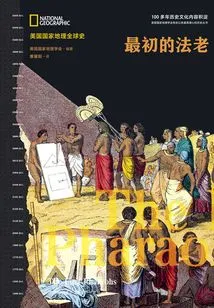
The Original Pharaoh
History最初的法老
Compiled By The National Geographic Society
This book is the first of the trilogy "The Rise and Fall of Ancient Egypt" ("The First Pharaoh", "The Egyptian Empire" and "The End of Ancient Egypt") in the National Geographic Global History Series. This book combs the history of the Early Dynasty, Old Kingdom and Middle Kingdom of ancient Egypt, covering the pharaohs from the 0th Dynasty to the 17th Dynasty of ancient Egypt, the development of the Nile Valley civilization, the changes of dynasties and power changes, and foreign kings, as well as the construction of the pyramids and the making of mummies, the daily life of the ancient Egyptians and the many gods in the Egyptian temples. Based on archaeological discoveries and academic research, it presents the development of ancient Egypt's history in a detailed, rich and clear way and reveals many strange mysteries.
This book is the first of the trilogy "The Rise and Fall of Ancient Egypt" ("The First Pharaoh", "The Egyptian Empire" and "The End of Ancient Egypt") in the National Geographic Global History Series. This book combs the history of the Early Dynasty, Old Kingdom and Middle Kingdom of ancient Egypt, covering the pharaohs from the 0th Dynasty to the 17th Dynasty of ancient Egypt, the development of the Nile Valley civilization, the changes of dynasties and power changes, and foreign kings, as well as the construction of the pyramids and the making of mummies, the daily life of the ancient Egyptians and the many gods in the Egyptian temples. Based on archaeological discoveries and academic research, it presents the development of ancient Egypt's history in a detailed, rich and clear way and reveals many strange mysteries.
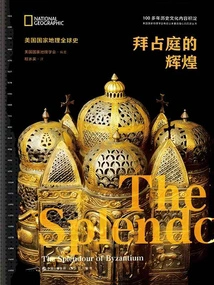
拜占庭的辉煌(美国国家地理全球史)
Compiled By The National Geographic Society
The Western world had a deep-seated prejudice against Byzantium, associating it with decadence, vulgarity, or luxury. But in fact, the Byzantine Empire for a time successfully reconquered Western Europe, fought against the Persians, Slavs, and Ottomans, developed commercial relations with Scandinavia and China, favored extraordinary scientific and artistic advancements, and perpetuated Greco-Latin culture, thereby promoting the Renaissance in Europe. This book strives to use rich archaeological documents, cultural relics, pictures of historical sites and other materials and rigorous research to restore the thousand-year glory of this mysterious empire.
The Western world had a deep-seated prejudice against Byzantium, associating it with decadence, vulgarity, or luxury. But in fact, the Byzantine Empire for a time successfully reconquered Western Europe, fought against the Persians, Slavs, and Ottomans, developed commercial relations with Scandinavia and China, favored extraordinary scientific and artistic advancements, and perpetuated Greco-Latin culture, thereby promoting the Renaissance in Europe. This book strives to use rich archaeological documents, cultural relics, pictures of historical sites and other materials and rigorous research to restore the thousand-year glory of this mysterious empire.