Library
Browse and search books
4 novels found
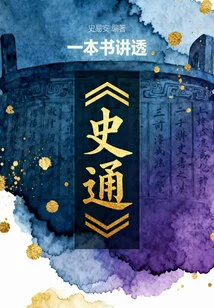
一本书讲透《史通》
Compiled By Shi Yian
This book provides an in-depth analysis of the famous historical work "Shi Tong" by Liu Zhiji, a historian of the Tang Dynasty, and reveals his outstanding contributions in historical theory, historical criticism and historical methodology. Liu Zhiji examined the historical books of previous generations with a critical spirit, and proposed the theory of "six schools of thought", the theory of "three talents of history" and the method of "straight writing" and "curved writing". He believed that Liu Zhiji not only systematically sorted out the origin and style of history, but also deeply discussed the principles and methods of compilation of history books, which had a profound impact on later historiography. At the same time, through the analysis of the historical works of Zheng Qiao and Zhang Xuecheng, the influence of Liu Zhiji's "Shi Tong" on later historical research is demonstrated.
This book provides an in-depth analysis of the famous historical work "Shi Tong" by Liu Zhiji, a historian of the Tang Dynasty, and reveals his outstanding contributions in historical theory, historical criticism and historical methodology. Liu Zhiji examined the historical books of previous generations with a critical spirit, and proposed the theory of "six schools of thought", the theory of "three talents of history" and the method of "straight writing" and "curved writing". He believed that Liu Zhiji not only systematically sorted out the origin and style of history, but also deeply discussed the principles and methods of compilation of history books, which had a profound impact on later historiography. At the same time, through the analysis of the historical works of Zheng Qiao and Zhang Xuecheng, the influence of Liu Zhiji's "Shi Tong" on later historical research is demonstrated.
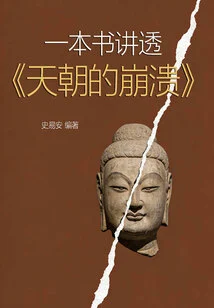
一本书讲透《天朝的崩溃》
Compiled By Shi Yian
Through detailed historical materials and in-depth analysis, this book explores the impact of the Opium War on the Qing Dynasty and the underlying reasons behind it. Interpreted Mao Haijian's use of rich historical materials to explore the Qing Dynasty's decadence and backwardness in military, political, economic and other aspects, as well as its incompetence and stubbornness in the face of Western impact. The book not only analyzes the specific process and results of the war, but also deeply explores the mentality and decision-making process of Emperor Daoguang and Qing officials, showing the inevitability and tragedy of the collapse of the "Celestial Dynasty" and sounding the alarm for us in the contemporary era.
Through detailed historical materials and in-depth analysis, this book explores the impact of the Opium War on the Qing Dynasty and the underlying reasons behind it. Interpreted Mao Haijian's use of rich historical materials to explore the Qing Dynasty's decadence and backwardness in military, political, economic and other aspects, as well as its incompetence and stubbornness in the face of Western impact. The book not only analyzes the specific process and results of the war, but also deeply explores the mentality and decision-making process of Emperor Daoguang and Qing officials, showing the inevitability and tragedy of the collapse of the "Celestial Dynasty" and sounding the alarm for us in the contemporary era.
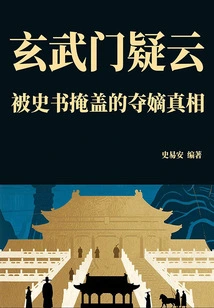
玄武门疑云:被史书掩盖的夺嫡真相
Compiled By Shi Yian
The Xuanwumen Incident was the bloodiest event in the history of the Tang Dynasty. History is written by the victors, but is that really the truth? Is Li Shimin, the "Eternal Emperor", completely flawless? Is Prince Li Jiancheng really as miserable as recorded in historical records? This book will take you back to those turbulent years and clear away the historical fog wrapped up in layers of power and lies... From the founding brothers fighting side by side to the secret battles in the palace with numerous factions; from the well-designed frame-up to the bloody dawn of swords and swords. We will delve into the concealed truth of the inheritance and restore a more real and complex chess game of human nature and power.
The Xuanwumen Incident was the bloodiest event in the history of the Tang Dynasty. History is written by the victors, but is that really the truth? Is Li Shimin, the "Eternal Emperor", completely flawless? Is Prince Li Jiancheng really as miserable as recorded in historical records? This book will take you back to those turbulent years and clear away the historical fog wrapped up in layers of power and lies... From the founding brothers fighting side by side to the secret battles in the palace with numerous factions; from the well-designed frame-up to the bloody dawn of swords and swords. We will delve into the concealed truth of the inheritance and restore a more real and complex chess game of human nature and power.
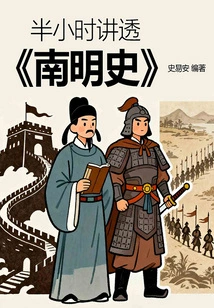
半小时讲透《南明史》
Compiled By Shi Yian
This book takes "History of the Southern Ming Dynasty" as its core, breaks the "harsh mirror" effect of traditional historical views, and reconstructs the rise and fall of the Southern Ming Dynasty in the twenty years from 1644 to 1664 based on detailed historical research. The interpretation is based on the background of the late Ming and early Qing dynasties, subverting the stereotyped perception of "loyal ministers vs. Rogue bandits", and restoring the transformation of peasant armed forces such as the Dashun Army and Daxi Army from "gravediggers of the Ming Dynasty" to the main force against the Qing Dynasty. The core focuses on the main line of "internal strife leading to death", analyzing key internal conflicts such as the struggle for the support of the Hongguang Dynasty, the orthodoxy between Longwu and King Lu, the fratricide between Shaowu and Yongli, the strategic mismatch between Li Dingguo and Zheng Chenggong, and the rebellion of Sun Kewang. At the same time, it focuses on the highlights and tragic moments of Li Dingguo's "two defeats to become a king" and the final struggle of the thirteen Kuidong families, revealing that the South Ming Dynasty died not because of the Qing army's strength, but because of internal factional strife and selfish desires. The interpretation also emphasizes historical contingency, criticizes historical determinism, and ultimately settles on the eternal warning of unity and cohesion, showing multiple perspectives and profound reflections on this period of history.
This book takes "History of the Southern Ming Dynasty" as its core, breaks the "harsh mirror" effect of traditional historical views, and reconstructs the rise and fall of the Southern Ming Dynasty in the twenty years from 1644 to 1664 based on detailed historical research. The interpretation is based on the background of the late Ming and early Qing dynasties, subverting the stereotyped perception of "loyal ministers vs. Rogue bandits", and restoring the transformation of peasant armed forces such as the Dashun Army and Daxi Army from "gravediggers of the Ming Dynasty" to the main force against the Qing Dynasty. The core focuses on the main line of "internal strife leading to death", analyzing key internal conflicts such as the struggle for the support of the Hongguang Dynasty, the orthodoxy between Longwu and King Lu, the fratricide between Shaowu and Yongli, the strategic mismatch between Li Dingguo and Zheng Chenggong, and the rebellion of Sun Kewang. At the same time, it focuses on the highlights and tragic moments of Li Dingguo's "two defeats to become a king" and the final struggle of the thirteen Kuidong families, revealing that the South Ming Dynasty died not because of the Qing army's strength, but because of internal factional strife and selfish desires. The interpretation also emphasizes historical contingency, criticizes historical determinism, and ultimately settles on the eternal warning of unity and cohesion, showing multiple perspectives and profound reflections on this period of history.