Library
Browse and search books
1 novel found
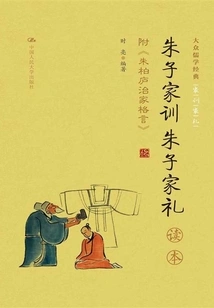
《朱子家训 朱子家礼》读本 附录:朱柏庐治家格言(大众儒学经典)
Compiled By Shi Liang
Family mottos are a form of warning and restraint given by ancient people to family members and future generations. Family mottos from past dynasties often explain the way of life in a concise and catchy way, admonishing good and forbidding evil. The full text of "Zhu Xi's Family Instructions" is only more than 300 words, but every word is a masterpiece. The reason why "Zhu Zi's Family Rites" is called "Family Rites" does not mean that the content and scope of use of these etiquette norms are limited to the Zhu family and descendants. Zhu Zi's original intention was to provide a basic family etiquette model for the people of the Song Dynasty. "Zhu Xi's Family Rites" has a profound influence. From the Southern Song Dynasty through the Yuan, Ming and Qing Dynasties and the Republic of China, the influence of "Zhu Xi's Family Rites" can still be discerned in the customs and habits of various places in the Han culture area. The "family" in "family rituals" mainly has three meanings: first, the content of these rituals is mainly limited to family affairs; second, the main applicable objects of these rituals are family members; and the third meaning is relative to the country, which means that these rituals are not national rituals established or recognized by the country (or the court), but are very close to what is called "folk" in modern times. The reading book "Zhu Xi's Family Instructions and Zhu Xi's Family Rites" is divided into original text, annotations, translations, interpretations, etc., And provides a new interpretation of "Zhu Xi's Family Instructions" and "Zhu Xi's Family Rites". The appendix of this book contains "Mottoes for Managing a Family" written by Zhu Yongchun (known as Bailu), a famous Neo-Confucian scholar and educator in the late Ming and early Qing dynasties.
Family mottos are a form of warning and restraint given by ancient people to family members and future generations. Family mottos from past dynasties often explain the way of life in a concise and catchy way, admonishing good and forbidding evil. The full text of "Zhu Xi's Family Instructions" is only more than 300 words, but every word is a masterpiece. The reason why "Zhu Zi's Family Rites" is called "Family Rites" does not mean that the content and scope of use of these etiquette norms are limited to the Zhu family and descendants. Zhu Zi's original intention was to provide a basic family etiquette model for the people of the Song Dynasty. "Zhu Xi's Family Rites" has a profound influence. From the Southern Song Dynasty through the Yuan, Ming and Qing Dynasties and the Republic of China, the influence of "Zhu Xi's Family Rites" can still be discerned in the customs and habits of various places in the Han culture area. The "family" in "family rituals" mainly has three meanings: first, the content of these rituals is mainly limited to family affairs; second, the main applicable objects of these rituals are family members; and the third meaning is relative to the country, which means that these rituals are not national rituals established or recognized by the country (or the court), but are very close to what is called "folk" in modern times. The reading book "Zhu Xi's Family Instructions and Zhu Xi's Family Rites" is divided into original text, annotations, translations, interpretations, etc., And provides a new interpretation of "Zhu Xi's Family Instructions" and "Zhu Xi's Family Rites". The appendix of this book contains "Mottoes for Managing a Family" written by Zhu Yongchun (known as Bailu), a famous Neo-Confucian scholar and educator in the late Ming and early Qing dynasties.