Library
Browse and search books
27 novels found
Romance of Modern Chinese History: the Long March
General Fiction中国现代史演义:万里长征
Compiled By Pan Qiangen
In the middle of winter, the mountains, fields and villages are immersed in a quiet cold, immersed in dazzling light and pale blue shadows. The ground seemed frozen to death, and even the air was icy. In the midwinter of 1932, Chiang Kai-shek ordered the Jiangxi-Guangdong-Fujian Border Region "Bandit Suppression" General Headquarters to organize the Kuomintang troops to conduct the fourth large-scale "encirclement and suppression" against the Central Soviet Area and the Red Front Army commanded by Zhu De and Zhou Enlai.
In the middle of winter, the mountains, fields and villages are immersed in a quiet cold, immersed in dazzling light and pale blue shadows. The ground seemed frozen to death, and even the air was icy. In the midwinter of 1932, Chiang Kai-shek ordered the Jiangxi-Guangdong-Fujian Border Region "Bandit Suppression" General Headquarters to organize the Kuomintang troops to conduct the fourth large-scale "encirclement and suppression" against the Central Soviet Area and the Red Front Army commanded by Zhu De and Zhou Enlai.
Romance of Modern Chinese History: Liberation of Tibet
General Fiction中国现代史演义:西藏解放
Compiled By Pan Qiangen
On May 23, 1951, the plenipotentiary representatives of the Central People's Government and the plenipotentiary representatives of the Tibetan local government signed the "Agreement between the Central People's Government and the Tibetan Local Government on Measures for the Peaceful Liberation of Tibet" (referred to as the "Seventeen-Article Agreement") in Beijing, declaring the peaceful liberation of Tibet.
On May 23, 1951, the plenipotentiary representatives of the Central People's Government and the plenipotentiary representatives of the Tibetan local government signed the "Agreement between the Central People's Government and the Tibetan Local Government on Measures for the Peaceful Liberation of Tibet" (referred to as the "Seventeen-Article Agreement") in Beijing, declaring the peaceful liberation of Tibet.
Romance of Modern Chinese History: Zunyi Conference
General Fiction中国现代史演义:遵义会议
Compiled By Pan Qiangen
The Zunyi Conference is an important meeting in the history of the Communist Party of China. It ended the rule of Wang Ming's "Left" adventurism in the Party Central Committee, established the correct leadership of the new Party Central Committee with Mao Zedong as the core, and established Mao Zedong's leadership position in the Red Army and the Party Central Committee. At the critical juncture of the party's life and death, he saved the party, saved the Red Army, and saved the Chinese revolution. The Red Army was able to survive in the most dangerous situation, successfully completed the Long March, and created a new situation in the Anti-Japanese War. It proves that the Chinese Communist Party is fully capable of solving its own complex internal problems independently, and is a sign that the Chinese Communist Party has grown from infancy to maturity.
The Zunyi Conference is an important meeting in the history of the Communist Party of China. It ended the rule of Wang Ming's "Left" adventurism in the Party Central Committee, established the correct leadership of the new Party Central Committee with Mao Zedong as the core, and established Mao Zedong's leadership position in the Red Army and the Party Central Committee. At the critical juncture of the party's life and death, he saved the party, saved the Red Army, and saved the Chinese revolution. The Red Army was able to survive in the most dangerous situation, successfully completed the Long March, and created a new situation in the Anti-Japanese War. It proves that the Chinese Communist Party is fully capable of solving its own complex internal problems independently, and is a sign that the Chinese Communist Party has grown from infancy to maturity.
中国现代史演义:阵前起义
Compiled By Pan Qiangen
From August 1945 to September 1949, the second stage of the civil war between the Kuomintang and the Communist Party was called the Liberation War by the Chinese Communist Party. The outcome of the war was the establishment of the People's Republic of China by the Communist Party of China in Beijing on October 1, 1949, and the government of the Republic of China withdrew to Taiwan after its defeat in mainland China in 1949.
From August 1945 to September 1949, the second stage of the civil war between the Kuomintang and the Communist Party was called the Liberation War by the Chinese Communist Party. The outcome of the war was the establishment of the People's Republic of China by the Communist Party of China in Beijing on October 1, 1949, and the government of the Republic of China withdrew to Taiwan after its defeat in mainland China in 1949.
Romance of Modern Chinese History: Defending Yan'an
General Fiction中国现代史演义:保卫延安
Compiled By Pan Qiangen
Yan'an, known as Yanzhou in ancient times, is located in the northern part of Shaanxi Province, in the middle reaches of the Yellow River. It has always been the political, economic, cultural and military center of northern Shaanxi. Yan'an is the end point of the Red Army's Long March and the base of the Communist Party of China from 1935 to 1948, so it is regarded as the "Holy Land of Revolution." This book reproduces the historical reality of the war period in chapters.
Yan'an, known as Yanzhou in ancient times, is located in the northern part of Shaanxi Province, in the middle reaches of the Yellow River. It has always been the political, economic, cultural and military center of northern Shaanxi. Yan'an is the end point of the Red Army's Long March and the base of the Communist Party of China from 1935 to 1948, so it is regarded as the "Holy Land of Revolution." This book reproduces the historical reality of the war period in chapters.
Romance of Modern Chinese History: the May 4th Movement
General Fiction中国现代史演义:五四运动
Compiled By Pan Qiangen
The May 4th Movement was a patriotic movement of the Chinese people that broke out in Beijing on May 4, 1919, to completely oppose imperialism and feudalism. The May 4th Movement was the end of China's old democratic revolution and the beginning of the new democratic revolution. The May 4th Movement was an epoch-making event in the history of the Chinese revolution and a turning point from China's old democratic revolution to the new democratic revolution. The May 4th Movement promoted the spread of Marxism in China and its integration with the workers' movement, thereby preparing the conditions for the establishment of the Communist Party of China ideologically and cadres.
The May 4th Movement was a patriotic movement of the Chinese people that broke out in Beijing on May 4, 1919, to completely oppose imperialism and feudalism. The May 4th Movement was the end of China's old democratic revolution and the beginning of the new democratic revolution. The May 4th Movement was an epoch-making event in the history of the Chinese revolution and a turning point from China's old democratic revolution to the new democratic revolution. The May 4th Movement promoted the spread of Marxism in China and its integration with the workers' movement, thereby preparing the conditions for the establishment of the Communist Party of China ideologically and cadres.
中国现代史演义:平型关大捷
Compiled By Pan Qiangen
The Great Victory at Pingxingguan refers to the battle in which the 115th Division of the Eighth Route Army ambushed the 21st Brigade of the Japanese 5th Division near Pingxingguan on September 25, 1937 during the Anti-Japanese War and wiped out more than 1,000 people. This was the first complete victory achieved by China since the beginning of the war between China and Japan. This victory broke the myth that the Japanese army was invincible, inspired the hearts of the country, and strengthened the people's belief that they would win the war of resistance. At the same time, through this battle, the Eighth Route Army further clarified that the only correct strategic policy is to carry out "independent mountain guerrilla warfare".
The Great Victory at Pingxingguan refers to the battle in which the 115th Division of the Eighth Route Army ambushed the 21st Brigade of the Japanese 5th Division near Pingxingguan on September 25, 1937 during the Anti-Japanese War and wiped out more than 1,000 people. This was the first complete victory achieved by China since the beginning of the war between China and Japan. This victory broke the myth that the Japanese army was invincible, inspired the hearts of the country, and strengthened the people's belief that they would win the war of resistance. At the same time, through this battle, the Eighth Route Army further clarified that the only correct strategic policy is to carry out "independent mountain guerrilla warfare".
中国现代史演义:张自忠殉国
Compiled By Pan Qiangen
Zhang Zizhong (1891.8.11-1940.5.16), Courtesy name Xinchen, Han nationality, was born in Tangyuan Village, Linqing, Shandong Province. He died for his country while serving as a lieutenant general in the Army of the Republic of China. After his death, he was posthumously awarded the rank of Second Class General of the Army. He was also the highest general of the Allied Powers to die in World War II.
Zhang Zizhong (1891.8.11-1940.5.16), Courtesy name Xinchen, Han nationality, was born in Tangyuan Village, Linqing, Shandong Province. He died for his country while serving as a lieutenant general in the Army of the Republic of China. After his death, he was posthumously awarded the rank of Second Class General of the Army. He was also the highest general of the Allied Powers to die in World War II.
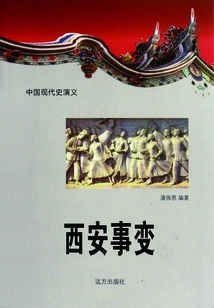
Romance of Modern Chinese History: Xi'an Incident
General Fiction中国现代史演义:西安事变
Compiled By Pan Qiangen
Xi'an Incident, also known as the "Double Twelve Incident". In order to persuade Chiang Kai-shek to change the established national policy of "reconciling foreign affairs before settling domestic affairs", stop the civil war and unite to resist Japan. Zhang Xueliang and Yang Hucheng launched a mutiny in Huaqingchi, Xi'an, and detained Chiang Zhongzheng, then chairman of the Military Commission of the National Government and commander-in-chief of the Northwest Bandit Suppression. They were known as the "Xi'an Military Remonstrance" at the time. Under the leadership of the Central Committee of the Communist Party of China and Comrade Zhou Enlai, Chiang Kai-shek was finally released after accepting the proposition of "stop suppressing the Communist Party and resisting Japan together." This forced the Nationalist Government to abandon the basic national policy of "reconciling internal affairs before resisting foreign aggression" and formally established the Anti-Japanese United Front.
Xi'an Incident, also known as the "Double Twelve Incident". In order to persuade Chiang Kai-shek to change the established national policy of "reconciling foreign affairs before settling domestic affairs", stop the civil war and unite to resist Japan. Zhang Xueliang and Yang Hucheng launched a mutiny in Huaqingchi, Xi'an, and detained Chiang Zhongzheng, then chairman of the Military Commission of the National Government and commander-in-chief of the Northwest Bandit Suppression. They were known as the "Xi'an Military Remonstrance" at the time. Under the leadership of the Central Committee of the Communist Party of China and Comrade Zhou Enlai, Chiang Kai-shek was finally released after accepting the proposition of "stop suppressing the Communist Party and resisting Japan together." This forced the Nationalist Government to abandon the basic national policy of "reconciling internal affairs before resisting foreign aggression" and formally established the Anti-Japanese United Front.
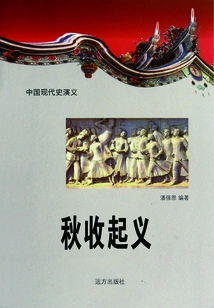
Romance of Modern Chinese History: Autumn Harvest Uprising
General Fiction中国现代史演义:秋收起义
Compiled By Pan Qiangen
The Autumn Harvest Uprising was an armed uprising held by the Workers' and Peasants' Revolutionary Army (the Red Army) led by Mao Zedong in eastern Hunan and western Jiangxi on September 9, 1927. It was another famous armed uprising led by the Communist Party of China after the Nanchang Uprising. The outbreak of the Autumn Harvest Uprising marked the beginning of the independent leadership of the armed struggle by the Communist Party, which was a milestone. Finally, Comrade Mao Zedong led the Autumn Harvest Uprising troops to Jinggangshan, opened up the first rural revolutionary base, and found the correct path for the Chinese revolution. From then on, the Chinese Communist Party grew from small to large, from weak to strong, and finally won the final victory of the Chinese revolution.
The Autumn Harvest Uprising was an armed uprising held by the Workers' and Peasants' Revolutionary Army (the Red Army) led by Mao Zedong in eastern Hunan and western Jiangxi on September 9, 1927. It was another famous armed uprising led by the Communist Party of China after the Nanchang Uprising. The outbreak of the Autumn Harvest Uprising marked the beginning of the independent leadership of the armed struggle by the Communist Party, which was a milestone. Finally, Comrade Mao Zedong led the Autumn Harvest Uprising troops to Jinggangshan, opened up the first rural revolutionary base, and found the correct path for the Chinese revolution. From then on, the Chinese Communist Party grew from small to large, from weak to strong, and finally won the final victory of the Chinese revolution.
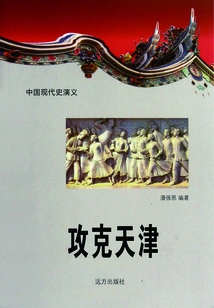
Romance of Modern Chinese History: Conquering Tianjin
General Fiction中国现代史演义:攻克天津
Compiled By Pan Qiangen
The Battle of Tianjin was an important part of the Battle of Pingjin and the most important battle in the Liberation War. The Chinese People's Liberation Army launched a general offensive at 10 a. M. On January 14. After 29 hours of fierce fighting, it wiped out more than 130,000 enemies and successfully occupied Tianjin.
The Battle of Tianjin was an important part of the Battle of Pingjin and the most important battle in the Liberation War. The Chinese People's Liberation Army launched a general offensive at 10 a. M. On January 14. After 29 hours of fierce fighting, it wiped out more than 130,000 enemies and successfully occupied Tianjin.
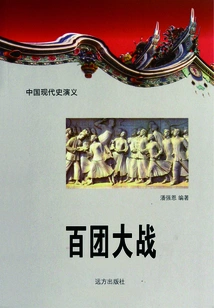
Romance of Modern Chinese History: the Hundred Regiments War
General Fiction中国现代史演义:百团大战
Compiled By Pan Qiangen
The Hundred Regiments War was the largest and longest-lasting battle in North China between the New Fourth Army, the Eighth Route Army under the leadership of the Communist Party of China, and the Japanese Army during the Chinese Anti-Japanese War. Under the unified command of the headquarters, the Shanxi-Chahar-Hebei Military Region and the 120th and 129th Divisions of the Eighth Route Army launched a campaign focusing on attacking the Zhengtai Railway (Shijiazhuang to Taiyuan). On the third day of the campaign, 105 regiments of the Eighth Route Army participated in the battle, so the Chinese called it the "Battle of One Hundred Regiments."
The Hundred Regiments War was the largest and longest-lasting battle in North China between the New Fourth Army, the Eighth Route Army under the leadership of the Communist Party of China, and the Japanese Army during the Chinese Anti-Japanese War. Under the unified command of the headquarters, the Shanxi-Chahar-Hebei Military Region and the 120th and 129th Divisions of the Eighth Route Army launched a campaign focusing on attacking the Zhengtai Railway (Shijiazhuang to Taiyuan). On the third day of the campaign, 105 regiments of the Eighth Route Army participated in the battle, so the Chinese called it the "Battle of One Hundred Regiments."
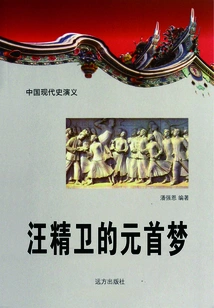
中国现代史演义:汪精卫的元首梦
Compiled By Pan Qiangen
Wang Zhaoming (May 4, 1883 - November 10, 1944), whose courtesy name was Jixin and whose pen name was Jingwei, was often called "Wang Jingwei" in history. He once plotted to assassinate the Qing regent Zaifeng and went to France to study during Yuan Shikai's reign. After returning to China, in 1919, under the leadership of Sun Yat-sen, he founded the magazine "Construction" in Shanghai. In 1921, Sun became the Extraordinary President in Guangzhou, and Wang served as the Guangdong Provincial Education Chairman, Guangdong Government Advisor, and the General Councilor the following year. During the Anti-Japanese War, he defected to Japan and became a traitor.
Wang Zhaoming (May 4, 1883 - November 10, 1944), whose courtesy name was Jixin and whose pen name was Jingwei, was often called "Wang Jingwei" in history. He once plotted to assassinate the Qing regent Zaifeng and went to France to study during Yuan Shikai's reign. After returning to China, in 1919, under the leadership of Sun Yat-sen, he founded the magazine "Construction" in Shanghai. In 1921, Sun became the Extraordinary President in Guangzhou, and Wang served as the Guangdong Provincial Education Chairman, Guangdong Government Advisor, and the General Councilor the following year. During the Anti-Japanese War, he defected to Japan and became a traitor.
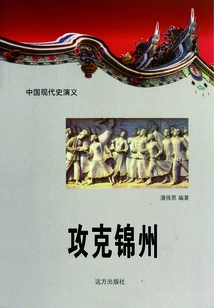
Romance of Modern Chinese History: Conquering Jinzhou
General Fiction中国现代史演义:攻克锦州
Compiled By Pan Qiangen
The Jinzhou Campaign was the first stage of the Liaoshen Campaign in October 1948. The main force of the Northeast Field Army of the People's Liberation Army fought against the Kuomintang troops defending Jinzhou, Liaoning Province. The Battle of Jinzhou was a battle between the Chinese People's Liberation Army and the National Revolutionary Army in the civil war between the Kuomintang and the Communist Party. It was one of the decisive battles in the Northeast and an integral part of the Liaoshen Campaign. Now follow this book to visit the scene of the Jinzhou Battle!
The Jinzhou Campaign was the first stage of the Liaoshen Campaign in October 1948. The main force of the Northeast Field Army of the People's Liberation Army fought against the Kuomintang troops defending Jinzhou, Liaoning Province. The Battle of Jinzhou was a battle between the Chinese People's Liberation Army and the National Revolutionary Army in the civil war between the Kuomintang and the Communist Party. It was one of the decisive battles in the Northeast and an integral part of the Liaoshen Campaign. Now follow this book to visit the scene of the Jinzhou Battle!
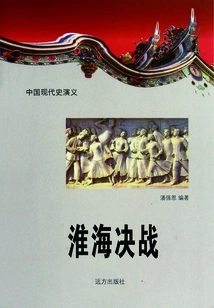
中国现代史演义:淮海决战
Compiled By Pan Qiangen
The Battle of Huaihai was the second strategic offensive campaign conducted by the East China and Central Plains Field Army of the Chinese People's Liberation Army against the Kuomintang Army during the War of Liberation in a vast area centered on Xuzhou, starting from Haizhou in the east, Shangqiu in the west, Lincheng (now Xuecheng, Zaozhuang City) in the north, and reaching the Huaihe River in the south. The Huaihai Campaign was also the battle in which the People's Liberation Army suffered the heaviest sacrifices, wiped out the largest number of enemies, had the greatest political impact, and had the most complex war style among the three major battles.
The Battle of Huaihai was the second strategic offensive campaign conducted by the East China and Central Plains Field Army of the Chinese People's Liberation Army against the Kuomintang Army during the War of Liberation in a vast area centered on Xuzhou, starting from Haizhou in the east, Shangqiu in the west, Lincheng (now Xuecheng, Zaozhuang City) in the north, and reaching the Huaihe River in the south. The Huaihai Campaign was also the battle in which the People's Liberation Army suffered the heaviest sacrifices, wiped out the largest number of enemies, had the greatest political impact, and had the most complex war style among the three major battles.
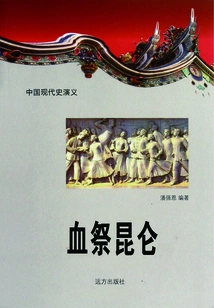
Romance of Modern Chinese History: Blood Sacrifice to Kunlun
General Fiction中国现代史演义:血祭昆仑
Compiled By Pan Qiangen
The Battle of Kunlun Pass, which broke out in Binyang County, Guangxi in December 1939, was the result of a head-to-head confrontation between the Chinese National Government's decision to launch a counterattack and the Japanese invading military authorities' "Operation No. 1" Plan. It was actually the core battle of the entire Guangxi Battle.
The Battle of Kunlun Pass, which broke out in Binyang County, Guangxi in December 1939, was the result of a head-to-head confrontation between the Chinese National Government's decision to launch a counterattack and the Japanese invading military authorities' "Operation No. 1" Plan. It was actually the core battle of the entire Guangxi Battle.
Romance of Modern Chinese History: Battle of Songhu
General Fiction中国现代史演义:淞沪会战
Compiled By Pan Qiangen
The Battle of Songhu was a battle fought by the Chinese army against the Japanese invasion of Shanghai from August 13 to November 12, 1937. It is also known as the "August 13th Battle of Songhu". This battle was the first important battle in China's Anti-Japanese War. It was also the largest and most brutal battle in the Anti-Japanese War.
The Battle of Songhu was a battle fought by the Chinese army against the Japanese invasion of Shanghai from August 13 to November 12, 1937. It is also known as the "August 13th Battle of Songhu". This battle was the first important battle in China's Anti-Japanese War. It was also the largest and most brutal battle in the Anti-Japanese War.
中国现代史演义:孙中山平叛
Compiled By Pan Qiangen
"Sun Yat-sen Counters the Rebellion" is one of the series of "The Romance of Modern Chinese History": "The Romance of Modern Chinese History" describes in the form of a novel from the Revolution of 1911 when Sun Yat-sen founded the Republic to today's current situation of the two sides of the Taiwan Strait longing for reunification. It vividly displays the stormy waves caused by the historical giants Sun Yat-sen, Chiang Kai-shek, Mao Zedong, and Deng Xiaoping in the century-old Chinese history.
"Sun Yat-sen Counters the Rebellion" is one of the series of "The Romance of Modern Chinese History": "The Romance of Modern Chinese History" describes in the form of a novel from the Revolution of 1911 when Sun Yat-sen founded the Republic to today's current situation of the two sides of the Taiwan Strait longing for reunification. It vividly displays the stormy waves caused by the historical giants Sun Yat-sen, Chiang Kai-shek, Mao Zedong, and Deng Xiaoping in the century-old Chinese history.
中国现代史演义:蒋介石选择内战
Compiled By Pan Qiangen
After the victory of the Anti-Japanese War, in order to strive for peace and avoid civil war, with the persistence and struggle of the Communist Party of China, the Kuomintang and the Communist Party formally signed an armistice agreement on January 10, 1946. The Chinese Communist Party strictly implemented this agreement, but the Kuomintang showed no sincerity in the armistice. When the armistice order was issued, it continued to mobilize troops to attack the liberated areas. After Chiang Kai-shek completed preparations for the civil war, he single-handedly tore up the armistice agreement and the CPPCC resolutions, regardless of the Chinese people's desire for peace. On June 26, 1946, the Kuomintang besieged the Central Plains Liberated Area with 300,000 troops and launched an all-out attack on the liberated area. The civil war forced on the Chinese people broke out.
After the victory of the Anti-Japanese War, in order to strive for peace and avoid civil war, with the persistence and struggle of the Communist Party of China, the Kuomintang and the Communist Party formally signed an armistice agreement on January 10, 1946. The Chinese Communist Party strictly implemented this agreement, but the Kuomintang showed no sincerity in the armistice. When the armistice order was issued, it continued to mobilize troops to attack the liberated areas. After Chiang Kai-shek completed preparations for the civil war, he single-handedly tore up the armistice agreement and the CPPCC resolutions, regardless of the Chinese people's desire for peace. On June 26, 1946, the Kuomintang besieged the Central Plains Liberated Area with 300,000 troops and launched an all-out attack on the liberated area. The civil war forced on the Chinese people broke out.
Romance of Modern Chinese History: Chongqing Negotiations
General Fiction中国现代史演义:重庆谈判
Compiled By Pan Qiangen
The Chongqing Negotiations refer to a negotiation held in Chongqing, China, from August 29 to October 10, 1945, between the National Government of the Republic of China under the leadership of the Chinese Kuomintang and the Communist Party of China to avoid civil war and strive for peace.
The Chongqing Negotiations refer to a negotiation held in Chongqing, China, from August 29 to October 10, 1945, between the National Government of the Republic of China under the leadership of the Chinese Kuomintang and the Communist Party of China to avoid civil war and strive for peace.
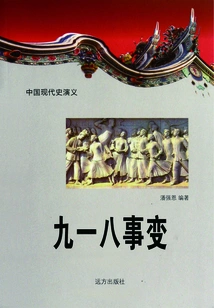
Romance of Modern Chinese History: September 18th Incident
General Fiction中国现代史演义:九一八事变
Compiled By Pan Qiangen
On the evening of September 18, 1931, the Japanese Kwantung Army entrenched in Northeast China carried out a carefully planned plot to blow up the tracks of the South Manchuria Railway near Liutiao Lake in Shenyang, and blamed the Chinese army. This is known as the "Wicker Lake Incident." The Japanese army used this as an excuse to suddenly launch an attack on the Chinese army stationed at Shenyang North Camp. As the Northeast Army implemented the "non-resistance policy", the Japanese army captured Beida Camp that night and occupied the entire Shenyang City the next day. The Japanese army continued to attack the vast areas of Liaoning, Jilin and Heilongjiang. In just over four months, the entire Northeast China of 1.28 Million square kilometers, equivalent to 3.5 Times Japan's territory, fell. This was the "September 18th Incident" that shocked China and the world.
On the evening of September 18, 1931, the Japanese Kwantung Army entrenched in Northeast China carried out a carefully planned plot to blow up the tracks of the South Manchuria Railway near Liutiao Lake in Shenyang, and blamed the Chinese army. This is known as the "Wicker Lake Incident." The Japanese army used this as an excuse to suddenly launch an attack on the Chinese army stationed at Shenyang North Camp. As the Northeast Army implemented the "non-resistance policy", the Japanese army captured Beida Camp that night and occupied the entire Shenyang City the next day. The Japanese army continued to attack the vast areas of Liaoning, Jilin and Heilongjiang. In just over four months, the entire Northeast China of 1.28 Million square kilometers, equivalent to 3.5 Times Japan's territory, fell. This was the "September 18th Incident" that shocked China and the world.
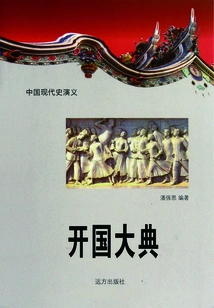
Romance of Modern Chinese History: the Founding Ceremony of the People's Republic of China
General Fiction中国现代史演义:开国大典
Compiled By Pan Qiangen
The founding ceremony of the People's Republic of China was the founding ceremony of the Central People's Government of the People's Republic of China held grandly in Tiananmen Square in Beijing on October 1, 1949. The Chairman, Vice Chairman and members of the Central People's Government took their seats, and the band played the national anthem "March of the Volunteers". Chairman Mao Zedong announced: "The Central People's Government of the People's Republic of China has been established today." And personally raised the first five-star red flag. Then a grand military parade and mass march were held. The establishment of the People's Republic of China also means that the development of the Chinese nation has opened a new historical era.
The founding ceremony of the People's Republic of China was the founding ceremony of the Central People's Government of the People's Republic of China held grandly in Tiananmen Square in Beijing on October 1, 1949. The Chairman, Vice Chairman and members of the Central People's Government took their seats, and the band played the national anthem "March of the Volunteers". Chairman Mao Zedong announced: "The Central People's Government of the People's Republic of China has been established today." And personally raised the first five-star red flag. Then a grand military parade and mass march were held. The establishment of the People's Republic of China also means that the development of the Chinese nation has opened a new historical era.
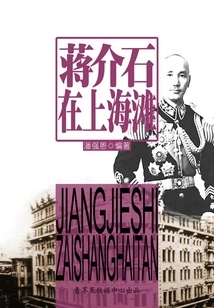
中国现代史演义 蒋介石在上海滩
Compiled By Pan Qiangen
"Chiang Kai-shek on the Bund" is one of the series of "Romance of Modern Chinese History". The whole book describes Chiang Kai-shek's stormy waves in Shanghai in the history of China in the form of a novel.
"Chiang Kai-shek on the Bund" is one of the series of "Romance of Modern Chinese History". The whole book describes Chiang Kai-shek's stormy waves in Shanghai in the history of China in the form of a novel.
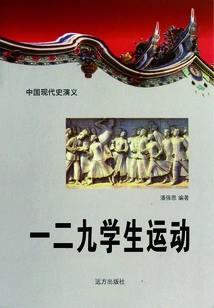
Romance of Modern Chinese History: 129 Student Movement
General Fiction中国现代史演义:一二九学生运动
Compiled By Pan Qiangen
The December 9th Movement, also known as the December 9th Anti-Japanese and National Salvation Movement. On December 9, 1935, thousands of college and middle school students in Peiping (Beijing) held an anti-Japanese and national salvation demonstration under the leadership of the Communist Party of China. They opposed North China's autonomy, resisted Japanese imperialism, and demanded the preservation of the integrity of China's territory, setting off a new upsurge in the country's resistance to Japan and national salvation.
The December 9th Movement, also known as the December 9th Anti-Japanese and National Salvation Movement. On December 9, 1935, thousands of college and middle school students in Peiping (Beijing) held an anti-Japanese and national salvation demonstration under the leadership of the Communist Party of China. They opposed North China's autonomy, resisted Japanese imperialism, and demanded the preservation of the integrity of China's territory, setting off a new upsurge in the country's resistance to Japan and national salvation.
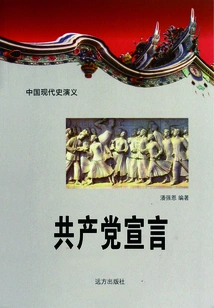
Romance of Modern Chinese History: the Communist Manifesto
General Fiction中国现代史演义:共产党宣言
Compiled By Pan Qiangen
Human art is almost symbiotic with human civilization, with a long history and a long history. Art history research should provide some answers for people who want to understand and explore the secrets of art. It should describe and show the trajectory of mankind's unremitting artistic pursuits in the long history. But more importantly, it should lead people to a fascinating field and show the long march of art in the long history of mankind.
Human art is almost symbiotic with human civilization, with a long history and a long history. Art history research should provide some answers for people who want to understand and explore the secrets of art. It should describe and show the trajectory of mankind's unremitting artistic pursuits in the long history. But more importantly, it should lead people to a fascinating field and show the long march of art in the long history of mankind.
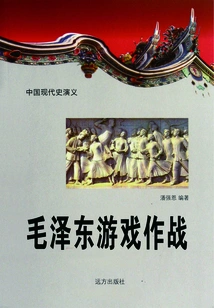
Romance of Modern Chinese History: Mao Zedong Game Combat
General Fiction中国现代史演义:毛泽东游戏作战
Compiled By Pan Qiangen
After the "April 12" massacre, the southern provinces also began to massacre communists. At this time Zhou Enlai also went underground. He was ordered by the Party Central Committee to notify Deng Yingchao to come to Shanghai. From then on, he paid attention to the missing person notices in the "News" every day. On May 2, he immediately saw a notice in the newspaper looking for "Wu Hao". "Ah! It's Xiaochao here!" He quickly found Deng Yingchao according to the address on the notice. The couple reunited during the crisis, and both of them were very happy. Zhou Enlai asked with concern: "Where is the child?" Deng Yingchao said nothing, covering her face with her hands, tears streaming down her fingers. Deng's mother Yang Zhende took him aside and said sadly: "It was difficult to deliver and the baby died. Unfortunately, it's still a boy!" After Zhou Enlai heard this, he was so sad that he cried. Seeing that Deng Yingchao was weak, he first found a hospital for her to stay in.
After the "April 12" massacre, the southern provinces also began to massacre communists. At this time Zhou Enlai also went underground. He was ordered by the Party Central Committee to notify Deng Yingchao to come to Shanghai. From then on, he paid attention to the missing person notices in the "News" every day. On May 2, he immediately saw a notice in the newspaper looking for "Wu Hao". "Ah! It's Xiaochao here!" He quickly found Deng Yingchao according to the address on the notice. The couple reunited during the crisis, and both of them were very happy. Zhou Enlai asked with concern: "Where is the child?" Deng Yingchao said nothing, covering her face with her hands, tears streaming down her fingers. Deng's mother Yang Zhende took him aside and said sadly: "It was difficult to deliver and the baby died. Unfortunately, it's still a boy!" After Zhou Enlai heard this, he was so sad that he cried. Seeing that Deng Yingchao was weak, he first found a hospital for her to stay in.
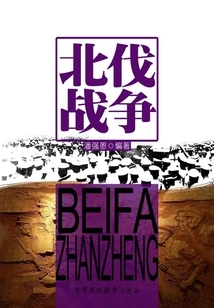
中国现代史演义 北伐战争
Compiled By Pan Qiangen
The Northern Expedition of the National Revolutionary Army was a unification war launched by the National Government under the leadership of the Chinese Kuomintang with the National Revolutionary Army as the main force from 1926 to 1927. Because the war process was carried out from south to north, it was often referred to as the "Northern Expedition" or the "Northern Expedition".
The Northern Expedition of the National Revolutionary Army was a unification war launched by the National Government under the leadership of the Chinese Kuomintang with the National Revolutionary Army as the main force from 1926 to 1927. Because the war process was carried out from south to north, it was often referred to as the "Northern Expedition" or the "Northern Expedition".