Library
Browse and search books
1 novel found
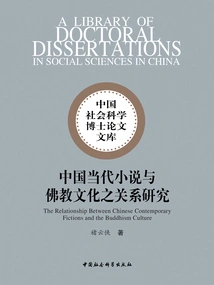
中国当代小说与佛教文化之关系研究
Chu Yunxia
With "the relationship between contemporary Chinese novels and Buddhist culture" as the core, this book aims to place Chinese novel texts since 1949 in the context of the development of the relationship with Buddhist culture, and examine how Buddhist story prototypes, basic concepts, and discourse expressions shape the ontology of the story and the spiritual connotation of the novel; its significance in the creation of the narrative style, time and space structure of contemporary Chinese novels; and the generation and exploration of specific images, artistic conceptions, and language expressions. By sorting out the relationship between contemporary Chinese novels and Buddhist culture in diachronic and synchronic dimensions, it breaks through previous evidence-based research and case studies of writers' works, and deepens and expands this research dimension that has not yet been fully developed. It not only explores the opening up of the aesthetic paradigm of contemporary Chinese novels by Buddhist culture as a part of traditional Chinese culture, but also further considers anthropological propositions such as the sacred and secular, the ultimate concern of literature, and the possibility of Chinese literature dialogue with the world on a metaphysical level.
With "the relationship between contemporary Chinese novels and Buddhist culture" as the core, this book aims to place Chinese novel texts since 1949 in the context of the development of the relationship with Buddhist culture, and examine how Buddhist story prototypes, basic concepts, and discourse expressions shape the ontology of the story and the spiritual connotation of the novel; its significance in the creation of the narrative style, time and space structure of contemporary Chinese novels; and the generation and exploration of specific images, artistic conceptions, and language expressions. By sorting out the relationship between contemporary Chinese novels and Buddhist culture in diachronic and synchronic dimensions, it breaks through previous evidence-based research and case studies of writers' works, and deepens and expands this research dimension that has not yet been fully developed. It not only explores the opening up of the aesthetic paradigm of contemporary Chinese novels by Buddhist culture as a part of traditional Chinese culture, but also further considers anthropological propositions such as the sacred and secular, the ultimate concern of literature, and the possibility of Chinese literature dialogue with the world on a metaphysical level.