Library
Browse and search books
2 novels found
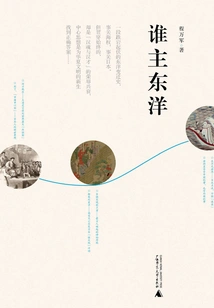
Who Rules the East?
History谁主东洋
Cheng Wanjun
The great rejuvenation of a nation ultimately depends on the rebirth of civilization; becoming the center of civilization in a region or even the world is the highest symbol of a nation's rise. When the former glory of a nation turns into history, its civilization system must also decline first. In the two thousand years AD, the Han and Tang Empires of China, the Roman Empire, the British Empire, the French Republic, Japan, and the United States of America took turns playing the leading roles of civilization on the historical stage of the Eastern and Western world. However, just as the most beautiful moment of a flower heralds its impending withering, the flower of civilization seems to follow some mysterious season to bloom and wither. When tracing the evolution of the world's main civilizations, we can see the mysterious trajectory of "the center of civilization moving".
The great rejuvenation of a nation ultimately depends on the rebirth of civilization; becoming the center of civilization in a region or even the world is the highest symbol of a nation's rise. When the former glory of a nation turns into history, its civilization system must also decline first. In the two thousand years AD, the Han and Tang Empires of China, the Roman Empire, the British Empire, the French Republic, Japan, and the United States of America took turns playing the leading roles of civilization on the historical stage of the Eastern and Western world. However, just as the most beautiful moment of a flower heralds its impending withering, the flower of civilization seems to follow some mysterious season to bloom and wither. When tracing the evolution of the world's main civilizations, we can see the mysterious trajectory of "the center of civilization moving".
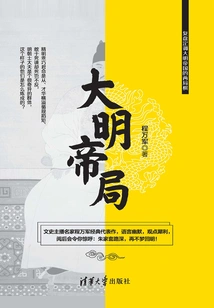
Ming Dynasty
History大明帝局
Cheng Wanjun
Smart and well-behaved, they obey the emperor's orders, are talented and follow the rules, dare to give advice but refuse to rebel even to the death. The scholar-bureaucrats of the Ming Dynasty were a very strange group. How did they become like this? The Ming Dynasty Game attempts to give an in-depth answer by telling the story of the second emperor of the Ming Dynasty who secretly set up two major chess games and his "criminal experience" of two abandoned pieces. These two abandoned sons were the two favorites of Zhu Yuanzhang and his son, and they were two iconic figures that connected the past and the future. One was the last prime minister Hu Weiyong, and the other was the founding assistant Xie Jin. At the same time, they were also representatives of two types of traditional scholar-bureaucrats in China. Reading through this book will not only allow readers to gain a glimpse of the domestication and transformation of scholars in the Hongwu and Yongle dynasties, and understand the inside story of the Ming Dynasty's "masters were respected and their ministers humbled", but also the root causes of reverse elimination politics in which Chinese scholars lost their ambition and individuality after the Ming Dynasty, and were reduced from state ministers to retainers, and the overall dualization (enslavement, rigidity) occurred.
Smart and well-behaved, they obey the emperor's orders, are talented and follow the rules, dare to give advice but refuse to rebel even to the death. The scholar-bureaucrats of the Ming Dynasty were a very strange group. How did they become like this? The Ming Dynasty Game attempts to give an in-depth answer by telling the story of the second emperor of the Ming Dynasty who secretly set up two major chess games and his "criminal experience" of two abandoned pieces. These two abandoned sons were the two favorites of Zhu Yuanzhang and his son, and they were two iconic figures that connected the past and the future. One was the last prime minister Hu Weiyong, and the other was the founding assistant Xie Jin. At the same time, they were also representatives of two types of traditional scholar-bureaucrats in China. Reading through this book will not only allow readers to gain a glimpse of the domestication and transformation of scholars in the Hongwu and Yongle dynasties, and understand the inside story of the Ming Dynasty's "masters were respected and their ministers humbled", but also the root causes of reverse elimination politics in which Chinese scholars lost their ambition and individuality after the Ming Dynasty, and were reduced from state ministers to retainers, and the overall dualization (enslavement, rigidity) occurred.