Library
Browse and search books
3 novels found
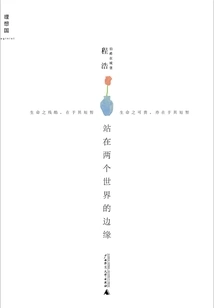
Standing on the Edge of Two Worlds
Literature站在两个世界的边缘
Cheng Hao
Cheng Hao's collection of writings. "The truly awesome ones are not the deeds that can be boasted casually, but the ordinary people who still keep smiling in difficult situations." After Cheng Hao's death, his mother compiled his manuscripts, totaling 440,000 words; in addition to essays, there are novels, diaries, poems, and even a cover letter to Youmi. Com and a letter to the writer Qijing Nian. These words were all written two or three years before Cheng Hao's death. At this time, Cheng Hao weighed less than 30 kilograms and his body was severely deformed. He clicked every word. His tolerance for fate and rumination on life shock everyone. Dongdong Qiang said that compared with him, most of us live too frivolously.
Cheng Hao's collection of writings. "The truly awesome ones are not the deeds that can be boasted casually, but the ordinary people who still keep smiling in difficult situations." After Cheng Hao's death, his mother compiled his manuscripts, totaling 440,000 words; in addition to essays, there are novels, diaries, poems, and even a cover letter to Youmi. Com and a letter to the writer Qijing Nian. These words were all written two or three years before Cheng Hao's death. At this time, Cheng Hao weighed less than 30 kilograms and his body was severely deformed. He clicked every word. His tolerance for fate and rumination on life shock everyone. Dongdong Qiang said that compared with him, most of us live too frivolously.
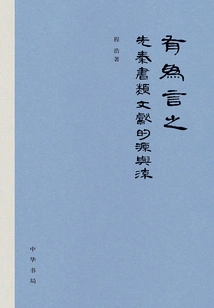
有为言之:先秦“书”类文献的源与流(精装)
Cheng Hao
The "book" discussed in this book is a type of document formed by the remarks made by monarchs and ministers in the course of administration. Its genre is mainly written notes, and its content is mostly "records of political affairs." The circulation of "books" in the pre-Qin period was in the form of "categories", and the titles and texts were not fixed. The "Shangshu" and "Yi Zhoushu" we see now are compiled from selected editions of a certain "book" type document from the Pre-Qin period that were passed down to the Han Dynasty. Therefore, they cannot cover all the "books" in the Pre-Qin period, and some of them are difficult to fall into the category of "books". The handed down "Shang Shu" and "Yi Zhou Shu" were probably passed down from the Confucian anthology. As for the "book" in the Tsinghua bamboo slips, it is likely to be influenced by the "book" in the Mohist biography. The selected editions of "Books" not only differ in their titles, but their texts are also constantly evolving. This includes both the natural evolution caused by the scattering of the leaflets during the circulation of documents, and also the subjective changes made by later generations out of avoidance of taboos, rhymes, and convergence ideas. As official learning moved downward during the Eastern Zhou Dynasty, individual popular "book" documents were gradually collected and compiled by folk scholars into selected editions for preaching or teaching. Due to the influence of region, family and accidental factors, the selection of articles in various anthologies is also different. Combining the information provided by the "book" documents in Tsinghua bamboo slips and the relevant records in ancient books, it can be roughly restored that the "book" was continuously organized and processed by historians on the records and archives, and was continuously expanded and formed into chapters through the process of dissemination.
The "book" discussed in this book is a type of document formed by the remarks made by monarchs and ministers in the course of administration. Its genre is mainly written notes, and its content is mostly "records of political affairs." The circulation of "books" in the pre-Qin period was in the form of "categories", and the titles and texts were not fixed. The "Shangshu" and "Yi Zhoushu" we see now are compiled from selected editions of a certain "book" type document from the Pre-Qin period that were passed down to the Han Dynasty. Therefore, they cannot cover all the "books" in the Pre-Qin period, and some of them are difficult to fall into the category of "books". The handed down "Shang Shu" and "Yi Zhou Shu" were probably passed down from the Confucian anthology. As for the "book" in the Tsinghua bamboo slips, it is likely to be influenced by the "book" in the Mohist biography. The selected editions of "Books" not only differ in their titles, but their texts are also constantly evolving. This includes both the natural evolution caused by the scattering of the leaflets during the circulation of documents, and also the subjective changes made by later generations out of avoidance of taboos, rhymes, and convergence ideas. As official learning moved downward during the Eastern Zhou Dynasty, individual popular "book" documents were gradually collected and compiled by folk scholars into selected editions for preaching or teaching. Due to the influence of region, family and accidental factors, the selection of articles in various anthologies is also different. Combining the information provided by the "book" documents in Tsinghua bamboo slips and the relevant records in ancient books, it can be roughly restored that the "book" was continuously organized and processed by historians on the records and archives, and was continuously expanded and formed into chapters through the process of dissemination.
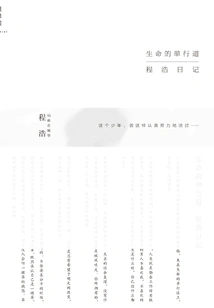
生命的单行道:程浩日记
Cheng Hao
Cheng Hao's life diary: This young man once lived so seriously and hard... After Cheng Hao passed away, among the texts his mother compiled for him, there was a diary with more than 100,000 words. The diary was written after a near-death situation in 2009, recording Cheng Hao's life from the ages of sixteen to twenty. There are few trivial matters and trivial matters in life in the diary, but mostly ruminations and reflections on life and the world. It records countless passages and times that stirred his heart. There are young Werther-like troubles, feelings about human nature, ridicule of fate, and harsh spurs on himself... He has grown and matured rapidly in a few years. This book contains this part of the story almost as it originally appeared, hoping to present a complete imprint of life.
Cheng Hao's life diary: This young man once lived so seriously and hard... After Cheng Hao passed away, among the texts his mother compiled for him, there was a diary with more than 100,000 words. The diary was written after a near-death situation in 2009, recording Cheng Hao's life from the ages of sixteen to twenty. There are few trivial matters and trivial matters in life in the diary, but mostly ruminations and reflections on life and the world. It records countless passages and times that stirred his heart. There are young Werther-like troubles, feelings about human nature, ridicule of fate, and harsh spurs on himself... He has grown and matured rapidly in a few years. This book contains this part of the story almost as it originally appeared, hoping to present a complete imprint of life.