Library
Browse and search books
1 novel found
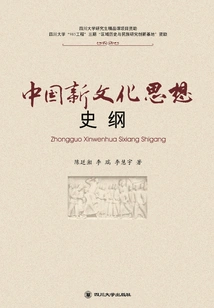
中国新文化思想史纲
Chen Tingxiang Li Rui Li Huiyu
This book serves as a textbook for graduate students at Sichuan University. The main content is: After the Opium War in 1840, faced with the great social changes brought about by modern industrial culture that have not been seen in thousands of years, generations of advanced groups of the Chinese nation made choices about contemporary history in their respective eras. The Westernizationists chose pure economic reform, the reform leaders chose political reform and constitutional monarchy, the revolutionaries chose democracy and republic, and the advanced intellectuals of the New Culture Movement chose the comprehensive absorption of Western culture and the comprehensive criticism of local culture. Since the May 4th New Culture Movement, the comprehensive embrace of Western social theories has broken the previous basic choice pattern, and a situation has emerged in which various social ideals coexist. After the May 4th Movement, after a certain period of differentiation and reorganization, many ideological schools were formed. However, among them, there are both theoretical systems and ideal social plans. It seems that only five major schools have expressed their intention to choose the future society. Namely (1) Nationalist faction. It advocates building a powerful nation-state based on the bourgeois nationalist theoretical system that gives up personal freedom and practices the morality of nation supremacy and state supremacy. (2) Rural social revivalists. It advocates the comprehensive revival of China's inherent agricultural civilization and the emergence of a new type of country from the high development of agricultural civilization. (3) Liberals. It advocates following the example of Western democracies and building a modern industrialized China based on individualistic social relations. (4) Cultural conciliationist faction (the Kuomintang in the Chiang Kai-shek era). It advocates the establishment of a modern country characterized by industrialization on the basis of traditional concept culture. (5) New Democracy. It advocates building China's modern industrialized society on the basis of Marxist theory and moving towards an ideal communist society. History ultimately chose the New Democratic Thought of the Communist Party of China and founded the People's Republic of China along this ideological system. This book provides a comprehensive analysis and exposition of the thoughts of each of the above periods. Finally, we came to the conclusion that without the Communist Party, there would be no new China, and only socialism can save China. This book has great publishing value.
This book serves as a textbook for graduate students at Sichuan University. The main content is: After the Opium War in 1840, faced with the great social changes brought about by modern industrial culture that have not been seen in thousands of years, generations of advanced groups of the Chinese nation made choices about contemporary history in their respective eras. The Westernizationists chose pure economic reform, the reform leaders chose political reform and constitutional monarchy, the revolutionaries chose democracy and republic, and the advanced intellectuals of the New Culture Movement chose the comprehensive absorption of Western culture and the comprehensive criticism of local culture. Since the May 4th New Culture Movement, the comprehensive embrace of Western social theories has broken the previous basic choice pattern, and a situation has emerged in which various social ideals coexist. After the May 4th Movement, after a certain period of differentiation and reorganization, many ideological schools were formed. However, among them, there are both theoretical systems and ideal social plans. It seems that only five major schools have expressed their intention to choose the future society. Namely (1) Nationalist faction. It advocates building a powerful nation-state based on the bourgeois nationalist theoretical system that gives up personal freedom and practices the morality of nation supremacy and state supremacy. (2) Rural social revivalists. It advocates the comprehensive revival of China's inherent agricultural civilization and the emergence of a new type of country from the high development of agricultural civilization. (3) Liberals. It advocates following the example of Western democracies and building a modern industrialized China based on individualistic social relations. (4) Cultural conciliationist faction (the Kuomintang in the Chiang Kai-shek era). It advocates the establishment of a modern country characterized by industrialization on the basis of traditional concept culture. (5) New Democracy. It advocates building China's modern industrialized society on the basis of Marxist theory and moving towards an ideal communist society. History ultimately chose the New Democratic Thought of the Communist Party of China and founded the People's Republic of China along this ideological system. This book provides a comprehensive analysis and exposition of the thoughts of each of the above periods. Finally, we came to the conclusion that without the Communist Party, there would be no new China, and only socialism can save China. This book has great publishing value.