Library
Browse and search books
4 novels found
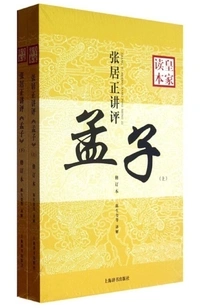
张居正讲评《孟子》皇家读本(修订本)(全二册)
Chen Shengxi Et Al.
"Zhang Juzheng Comments on the Royal Reader of Mencius (Revised Edition)" mainly comments on the book "Mencius" written by Mencius. There are seven chapters of "Mencius" handed down from generation to generation, which are one of the Confucian classics. This book is a sermon written by Zhang Juzheng, a great scholar (prime minister) during the Wanli period of the Ming Dynasty, in collaboration with lecturers from the Hanlin Academy, explaining the "Four Books" to Emperor Wanli. After revision, the manuscript was submitted to the emperor for reading in the palace. The original book was written in the most popular vernacular of the Ming Dynasty. In addition to the new punctuation of the full text, the editor also included annotations, translations, etc., Making it more profound and easy to understand. At the same time, this set of books also incorporates the summary and reform thoughts of the great statesman Zhang Juzheng and others on the lessons of rise and fall in history, and also puts forward many unique insights on many major historical issues. It is a good introductory Chinese studies book.
"Zhang Juzheng Comments on the Royal Reader of Mencius (Revised Edition)" mainly comments on the book "Mencius" written by Mencius. There are seven chapters of "Mencius" handed down from generation to generation, which are one of the Confucian classics. This book is a sermon written by Zhang Juzheng, a great scholar (prime minister) during the Wanli period of the Ming Dynasty, in collaboration with lecturers from the Hanlin Academy, explaining the "Four Books" to Emperor Wanli. After revision, the manuscript was submitted to the emperor for reading in the palace. The original book was written in the most popular vernacular of the Ming Dynasty. In addition to the new punctuation of the full text, the editor also included annotations, translations, etc., Making it more profound and easy to understand. At the same time, this set of books also incorporates the summary and reform thoughts of the great statesman Zhang Juzheng and others on the lessons of rise and fall in history, and also puts forward many unique insights on many major historical issues. It is a good introductory Chinese studies book.
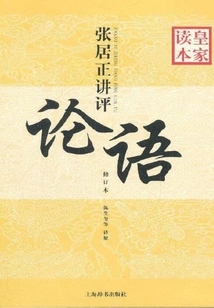
Zhang Juzheng's Commentary on the Royal Reader of "the Analects of Confucius" (revised Edition)
Literature张居正讲评《论语》皇家读本(修订本)
Chen Shengxi Et Al.
"The Analects of Confucius" is a collection of Confucius' remarks. It was compiled by his brother after his death. It is a representative work among the "Four Books" of ancient Chinese traditional culture. It has been a common and must-read book for scholars since the Qin and Han Dynasties. It has been the mainstream consciousness of society, especially after the Song and Yuan Dynasties, and it has been a required subject for imperial examinations. This imperial reading of the "Four Books" was a sermon delivered by Zhang Juzheng, a great scholar (prime minister), and a lecturer from the Hanlin Academy during the Wanli period of the Ming Dynasty to explain the "Four Books" to Emperor Wanli. After revision, the original manuscript was submitted to the emperor for reading in the palace. It was written in the most popular vernacular of the Ming Dynasty. In addition to the new punctuation throughout the text, the editor also included annotations, translations, etc., Making it more profound and easy to understand. It is a good introductory Chinese studies textbook.
"The Analects of Confucius" is a collection of Confucius' remarks. It was compiled by his brother after his death. It is a representative work among the "Four Books" of ancient Chinese traditional culture. It has been a common and must-read book for scholars since the Qin and Han Dynasties. It has been the mainstream consciousness of society, especially after the Song and Yuan Dynasties, and it has been a required subject for imperial examinations. This imperial reading of the "Four Books" was a sermon delivered by Zhang Juzheng, a great scholar (prime minister), and a lecturer from the Hanlin Academy during the Wanli period of the Ming Dynasty to explain the "Four Books" to Emperor Wanli. After revision, the original manuscript was submitted to the emperor for reading in the palace. It was written in the most popular vernacular of the Ming Dynasty. In addition to the new punctuation throughout the text, the editor also included annotations, translations, etc., Making it more profound and easy to understand. It is a good introductory Chinese studies textbook.
张居正讲评《尚书》皇家读本(修订本)(全二册)
Chen Shengxi Et Al.
"Shangshu", also known as "Shu Jing", is a classic work in ancient Chinese historical documents. The content of "Shangshu" includes the pre-Qin period of my country, from the abdication of Yao and Shun to the Xia, Shang and Zhou dynasties, from more than 4,000 to more than 2,000 years ago, some emperors' instructions, commandments, edicts and orders, as well as records of discussions between monarchs and ministers on governance, as well as a collection of documents such as prayers to gods and heaven. This book is a sermon written by Zhang Juzheng, a great scholar (prime minister) during the Wanli period of the Ming Dynasty, in collaboration with lecturers from the Hanlin Academy, explaining the "Four Books" to Emperor Wanli. After revision, the manuscript was submitted to the emperor for reading in the palace. The original book was written in the most popular vernacular of the Ming Dynasty. In addition to the new punctuation of the full text, the editor also included annotations, translations, etc., Making it more profound and easy to understand. The translation is a translation of the original text of "Shangshu" into modern vernacular, and strives to be faithful to the meaning of the original text, so that readers with a moderate level of education can read it. It is a good introductory Chinese studies textbook.
"Shangshu", also known as "Shu Jing", is a classic work in ancient Chinese historical documents. The content of "Shangshu" includes the pre-Qin period of my country, from the abdication of Yao and Shun to the Xia, Shang and Zhou dynasties, from more than 4,000 to more than 2,000 years ago, some emperors' instructions, commandments, edicts and orders, as well as records of discussions between monarchs and ministers on governance, as well as a collection of documents such as prayers to gods and heaven. This book is a sermon written by Zhang Juzheng, a great scholar (prime minister) during the Wanli period of the Ming Dynasty, in collaboration with lecturers from the Hanlin Academy, explaining the "Four Books" to Emperor Wanli. After revision, the manuscript was submitted to the emperor for reading in the palace. The original book was written in the most popular vernacular of the Ming Dynasty. In addition to the new punctuation of the full text, the editor also included annotations, translations, etc., Making it more profound and easy to understand. The translation is a translation of the original text of "Shangshu" into modern vernacular, and strives to be faithful to the meaning of the original text, so that readers with a moderate level of education can read it. It is a good introductory Chinese studies textbook.
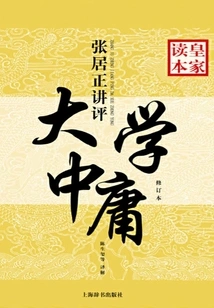
Zhang Juzheng's Commentary on the Royal Reader of "the Doctrine of the Mean" (revised Edition)
Literature张居正讲评《大学·中庸》皇家读本(修订本)
Chen Shengxi Et Al.
"Great Learning" and "The Doctrine of the Mean" are representative works among the "Four Books" of ancient Chinese traditional culture. They have been common and must-read books for scholars since the Qin and Han Dynasties. Especially after the Song and Yuan Dynasties, they have been a required subject for the imperial examination. "Zhang Juzheng's Commentary\u003C University· Doctrine of the Mean\u003E Royal Reader" is a sermon written by Zhang Juzheng, a great scholar (prime minister) during the Wanli period of the Ming Dynasty, in collaboration with lecturers from the Hanlin Academy, explaining the "Four Books" to Emperor Wanli. After revision, the manuscript was submitted to the emperor for reading in the palace. The original book was written in the most popular vernacular of the Ming Dynasty. In addition to the new punctuation of the full text, the editor also included annotations, translations, etc., Making it more profound and easy to understand. At the same time, this set of books also incorporates the summary and reform thoughts of the great statesman Zhang Juzheng and others on the lessons of rise and fall in history, and also puts forward many unique insights on many major historical issues. It is a good introductory Chinese studies book.
"Great Learning" and "The Doctrine of the Mean" are representative works among the "Four Books" of ancient Chinese traditional culture. They have been common and must-read books for scholars since the Qin and Han Dynasties. Especially after the Song and Yuan Dynasties, they have been a required subject for the imperial examination. "Zhang Juzheng's Commentary\u003C University· Doctrine of the Mean\u003E Royal Reader" is a sermon written by Zhang Juzheng, a great scholar (prime minister) during the Wanli period of the Ming Dynasty, in collaboration with lecturers from the Hanlin Academy, explaining the "Four Books" to Emperor Wanli. After revision, the manuscript was submitted to the emperor for reading in the palace. The original book was written in the most popular vernacular of the Ming Dynasty. In addition to the new punctuation of the full text, the editor also included annotations, translations, etc., Making it more profound and easy to understand. At the same time, this set of books also incorporates the summary and reform thoughts of the great statesman Zhang Juzheng and others on the lessons of rise and fall in history, and also puts forward many unique insights on many major historical issues. It is a good introductory Chinese studies book.