Library
Browse and search books
9 novels found
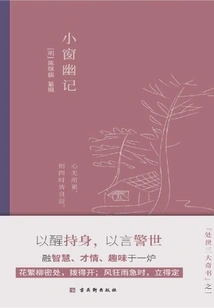
Notes on the Small Window
Literature小窗幽记
Chen Jiru
"Little Window You Ji" is a collection of clear-spoken sketches compiled by Chen Jiru in the Ming Dynasty. It is divided into twelve volumes: Xing, Qing, Qiao, Ling, Su, Jing, Yun, Qi, Qi, Hao, Fa and Qian. It explains the Chinese literati's life principles from many aspects such as self-cultivation, life, making friends, and studying. The content is extensive, rich in philosophy, the writing is neat and beautiful, and the words are concise and far-reaching. This book, together with Cai Gen Tan and Night Talk around the Furnace, is known as the three great books on self-cultivation for Chinese people. Since its publication, it has been favored by readers of all ages. It is a good philosophical book that provides an in-depth understanding of the Chinese people's wisdom in life.
"Little Window You Ji" is a collection of clear-spoken sketches compiled by Chen Jiru in the Ming Dynasty. It is divided into twelve volumes: Xing, Qing, Qiao, Ling, Su, Jing, Yun, Qi, Qi, Hao, Fa and Qian. It explains the Chinese literati's life principles from many aspects such as self-cultivation, life, making friends, and studying. The content is extensive, rich in philosophy, the writing is neat and beautiful, and the words are concise and far-reaching. This book, together with Cai Gen Tan and Night Talk around the Furnace, is known as the three great books on self-cultivation for Chinese people. Since its publication, it has been favored by readers of all ages. It is a good philosophical book that provides an in-depth understanding of the Chinese people's wisdom in life.
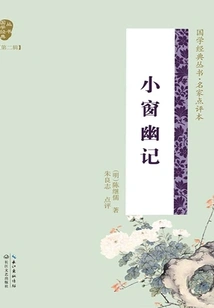
Notes on the Small Window (second Series of Chinese Classics, Commentary by Famous Writers)
Literature小窗幽记(国学经典丛书第二辑·名家点评本)
Chen Jiru
"The Notes of a Small Window" is a collection of short aphorisms written by Chen Jiru, a famous writer of the Ming Dynasty. It is divided into twelve volumes: Xing, Qing, Qiao, Ling, Su, Jing, Yun, Qi, Qi, Hao, Fa and Qian. The content mainly explains the cultivation of mind and the way to live in the world. It is a famous classical literary prose in the Ming and Qing Dynasties.
"The Notes of a Small Window" is a collection of short aphorisms written by Chen Jiru, a famous writer of the Ming Dynasty. It is divided into twelve volumes: Xing, Qing, Qiao, Ling, Su, Jing, Yun, Qi, Qi, Hao, Fa and Qian. The content mainly explains the cultivation of mind and the way to live in the world. It is a famous classical literary prose in the Ming and Qing Dynasties.
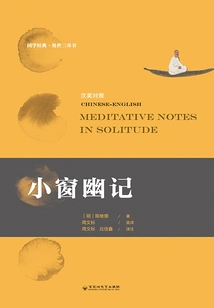
小窗幽记(汉英对照)
Chen Jiru
This is a collection of aphoristic sketches created by Chen Jiru in the Ming Dynasty. The content includes philosophy of life, art of life, aesthetic taste, etc., With a total of 194 aphorisms. The diction is elegant, short and concise, and the subject matter is rich and wide-ranging. It has the height of a temple and the interest of mountains and forests, and is all-encompassing and colorful. It shows the essence of traditional Chinese culture and the extraordinary inner world of literati, rich in poetry, Zen, wine and painting. Along with the original works, it is accompanied by Chinese annotations, modern interpretations, English annotations and English translations, making it easier for Chinese and foreign readers of all levels to understand the meaning of the text and experience the exquisiteness of Chinese classical culture.
This is a collection of aphoristic sketches created by Chen Jiru in the Ming Dynasty. The content includes philosophy of life, art of life, aesthetic taste, etc., With a total of 194 aphorisms. The diction is elegant, short and concise, and the subject matter is rich and wide-ranging. It has the height of a temple and the interest of mountains and forests, and is all-encompassing and colorful. It shows the essence of traditional Chinese culture and the extraordinary inner world of literati, rich in poetry, Zen, wine and painting. Along with the original works, it is accompanied by Chinese annotations, modern interpretations, English annotations and English translations, making it easier for Chinese and foreign readers of all levels to understand the meaning of the text and experience the exquisiteness of Chinese classical culture.
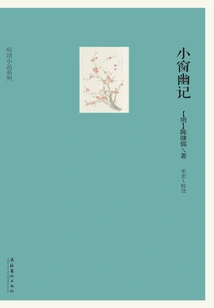
小窗幽记(明清小品文系列)
Chen Jiru
"Little Window's Secret" is a wonderful book that tells people how to cultivate their moral character and conduct themselves in society, so as to achieve perfection in both their inner world and their external relationships. The book is divided into twelve episodes: Xing, Qing, Qiao, Ling, Su, Scenery, Rhyme, Strange, Qi, Hao, Dharma and Qian. Through the form of concise and concise but profound aphorisms, it provides incisive answers and summaries to various life issues such as morality, self-cultivation, nourishing one's character, reading, studying, establishing a career, making friends, doing business, engaging in politics, and running a household. It is thought-provoking and long-lasting.
"Little Window's Secret" is a wonderful book that tells people how to cultivate their moral character and conduct themselves in society, so as to achieve perfection in both their inner world and their external relationships. The book is divided into twelve episodes: Xing, Qing, Qiao, Ling, Su, Scenery, Rhyme, Strange, Qi, Hao, Dharma and Qian. Through the form of concise and concise but profound aphorisms, it provides incisive answers and summaries to various life issues such as morality, self-cultivation, nourishing one's character, reading, studying, establishing a career, making friends, doing business, engaging in politics, and running a household. It is thought-provoking and long-lasting.
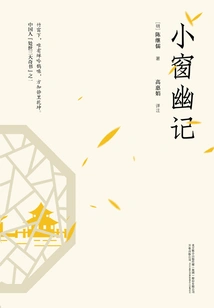
Notes on the Small Window
Literature小窗幽记
Chen Jiru
"Xiaochuang Youji" is divided into twelve volumes: Xing, Qing, Qiao, Ling, Su, Jing, Yun, Qi, Qi, Hao, Fa and Qian. They explain the principles of human conduct from the perspectives of self-cultivation, life, study, and career. The book's content covers a wide range of topics, has profound meaning, and is highly philosophical. It has been loved by readers for hundreds of years. The original text of this edition has been carefully proofread, with appropriate annotations and a comfortable layout. It is suitable for current readers to read carefully and find solace for the soul.
"Xiaochuang Youji" is divided into twelve volumes: Xing, Qing, Qiao, Ling, Su, Jing, Yun, Qi, Qi, Hao, Fa and Qian. They explain the principles of human conduct from the perspectives of self-cultivation, life, study, and career. The book's content covers a wide range of topics, has profound meaning, and is highly philosophical. It has been loved by readers for hundreds of years. The original text of this edition has been carefully proofread, with appropriate annotations and a comfortable layout. It is suitable for current readers to read carefully and find solace for the soul.
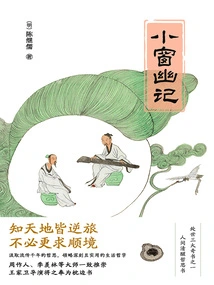
Notes on the Small Window
Literature小窗幽记
Chen Jiru
"Xiaochuang Youji" is a collection of essays compiled by Chen Jiru in the Ming Dynasty. The whole book seems to be a record of what you see, hear and think, but in fact it is a sorting out of inner feelings, writing all kinds of life, true feelings in the world and the true meaning of life. The whole book is divided into 12 volumes: Xing, Qing, Qiao, Ling, Su, Jing, Yun, Qi, Qi, Hao, Fa and Qian, which respectively explain the principles of human conduct from the perspectives of self-cultivation, life, study, and career. The content covers a wide range of topics, has profound meaning, and is very philosophical. It has been loved by readers for hundreds of years.
"Xiaochuang Youji" is a collection of essays compiled by Chen Jiru in the Ming Dynasty. The whole book seems to be a record of what you see, hear and think, but in fact it is a sorting out of inner feelings, writing all kinds of life, true feelings in the world and the true meaning of life. The whole book is divided into 12 volumes: Xing, Qing, Qiao, Ling, Su, Jing, Yun, Qi, Qi, Hao, Fa and Qian, which respectively explain the principles of human conduct from the perspectives of self-cultivation, life, study, and career. The content covers a wide range of topics, has profound meaning, and is very philosophical. It has been loved by readers for hundreds of years.
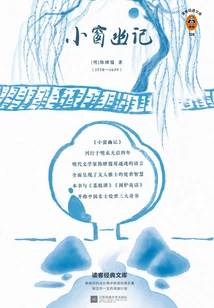
Notes on the Small Window
Literature小窗幽记
Chen Jiru
Open the reader's version of "Xiaochuang Youji" to grasp the wisdom of literati in life! The representative works of the collection of Ming and Qing sketches are based on the original edition of Wenxinzhai published in the 35th year of Emperor Qianlong's reign in the Qing Dynasty. Together with "Cai Gen Tan" and "Night Talk around the Fireplace", it is also known as the three most wonderful books on the life of Chinese celebrities! Annotations of uncommon words to clear reading difficulties! Zhou Zuoren, Ji Xianlin, Zhong Shuhe and other masters unanimously praised it. Director Wong Kar-wai regarded it as a pillow book. "Little Window Secrets" is a collection of sketches written by Chen Jiru (sometimes known as Lu Shaoheng) in the Ming Dynasty. The whole book is divided into twelve volumes: Xing, Qing, Qiao, Ling, Su, Scenery, Rhyme, Strange, Qi, Hao, Fa and Qian. It presents the ideological realm and life interest of the literati. The concise words have far-reaching goals, embodying the superb wisdom of life, and are thought-provoking.
Open the reader's version of "Xiaochuang Youji" to grasp the wisdom of literati in life! The representative works of the collection of Ming and Qing sketches are based on the original edition of Wenxinzhai published in the 35th year of Emperor Qianlong's reign in the Qing Dynasty. Together with "Cai Gen Tan" and "Night Talk around the Fireplace", it is also known as the three most wonderful books on the life of Chinese celebrities! Annotations of uncommon words to clear reading difficulties! Zhou Zuoren, Ji Xianlin, Zhong Shuhe and other masters unanimously praised it. Director Wong Kar-wai regarded it as a pillow book. "Little Window Secrets" is a collection of sketches written by Chen Jiru (sometimes known as Lu Shaoheng) in the Ming Dynasty. The whole book is divided into twelve volumes: Xing, Qing, Qiao, Ling, Su, Scenery, Rhyme, Strange, Qi, Hao, Fa and Qian. It presents the ideological realm and life interest of the literati. The concise words have far-reaching goals, embodying the superb wisdom of life, and are thought-provoking.
Notes on the Small Window
Literature小窗幽记
Chen Jiru
The author of "Little Window Secrets" is Chen Jiru. The whole book begins with awakening and ends with beauty. Although it is mixed in the dust, it has a high view of the outside world. In its criticism of the world's trend, it reveals the coldness of a philosopher. Its aphorisms are exquisite, short and exquisite, prompting caution and benefiting people's minds. Since its publication, it has spread like wildfire and attracted the attention of readers again and again. Its cultural charm is becoming more and more recognized by readers.
The author of "Little Window Secrets" is Chen Jiru. The whole book begins with awakening and ends with beauty. Although it is mixed in the dust, it has a high view of the outside world. In its criticism of the world's trend, it reveals the coldness of a philosopher. Its aphorisms are exquisite, short and exquisite, prompting caution and benefiting people's minds. Since its publication, it has spread like wildfire and attracted the attention of readers again and again. Its cultural charm is becoming more and more recognized by readers.
Notes on the Small Window
Literature小窗幽记
Chen Jiru
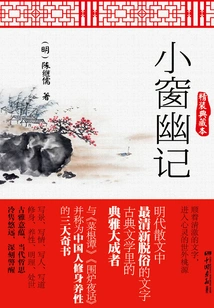
"The Story of a Small Window", a "Zuigutang Sword Sweeper", twelve volumes, short essays on aphorisms and aphorisms. The book is divided into twelve chapters: Xing, Qing, Qiao, Ling, Su, Scenery, Rhythm, Qi, Qi, Hao, Fa and Qian. The content mainly explains the importance of cultivating one's mind and dealing with the world. It expresses the Tao Ran and detached feelings of a reclusive scholar who is indifferent to fame and wealth and enjoys being in the mountains and forests. It is one of the representative works of Qingyan in the Ming Dynasty. This book, together with "Cai Gen Tan" and "Night Talk around the Furnace", are known as the three great books on self-cultivation in China. This book has been praised by professionals as "dignified, elegant and gentle, full of beauty and perfection, and full of surprises". It is said by the public that "sometimes he picks up trivial things and writes them into books, and people from far and near compete to buy and write them."
"The Story of a Small Window", a "Zuigutang Sword Sweeper", twelve volumes, short essays on aphorisms and aphorisms. The book is divided into twelve chapters: Xing, Qing, Qiao, Ling, Su, Scenery, Rhythm, Qi, Qi, Hao, Fa and Qian. The content mainly explains the importance of cultivating one's mind and dealing with the world. It expresses the Tao Ran and detached feelings of a reclusive scholar who is indifferent to fame and wealth and enjoys being in the mountains and forests. It is one of the representative works of Qingyan in the Ming Dynasty. This book, together with "Cai Gen Tan" and "Night Talk around the Furnace", are known as the three great books on self-cultivation in China. This book has been praised by professionals as "dignified, elegant and gentle, full of beauty and perfection, and full of surprises". It is said by the public that "sometimes he picks up trivial things and writes them into books, and people from far and near compete to buy and write them."