Library
Browse and search books
3 novels found
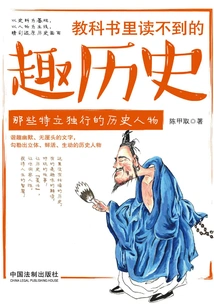
教科书里读不到的趣历史:那些特立独行的历史人物
Chen Jiaqi
This book carefully selects writers who have published in "Hundred Forums", "Literature and History Monthly", "Literature and History Expo", "Thinking and Wisdom", "Happy Chinese Studies", "Government Legal System", "Evening Post Wencui", Hong Kong's Ta Kung Pao, American "Overseas Chinese News", and "Xinmin" since 2011. There are 138 historical essays published in major newspapers across the country such as "Evening News", "Spring City Evening News" and "Examination News". They are divided into 10 series: emperors, politicians, literati, generals, celebrities, geeks, villains, madmen, beauties and beauties. The content aims to talk about history in a humorous way and make fun of the ancients. The writing language pays special attention to fun and conciseness. It uses humorous writing to briefly outline the embarrassing words and deeds of the ancients and the embarrassing things of celebrities, making people laugh and feel emotional at the same time.
This book carefully selects writers who have published in "Hundred Forums", "Literature and History Monthly", "Literature and History Expo", "Thinking and Wisdom", "Happy Chinese Studies", "Government Legal System", "Evening Post Wencui", Hong Kong's Ta Kung Pao, American "Overseas Chinese News", and "Xinmin" since 2011. There are 138 historical essays published in major newspapers across the country such as "Evening News", "Spring City Evening News" and "Examination News". They are divided into 10 series: emperors, politicians, literati, generals, celebrities, geeks, villains, madmen, beauties and beauties. The content aims to talk about history in a humorous way and make fun of the ancients. The writing language pays special attention to fun and conciseness. It uses humorous writing to briefly outline the embarrassing words and deeds of the ancients and the embarrassing things of celebrities, making people laugh and feel emotional at the same time.
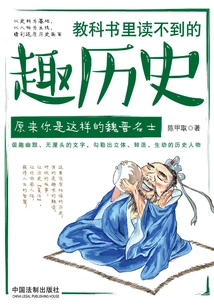
教科书里读不到的趣历史:原来你是这样的魏晋名士
Chen Jiaqi
This book carefully selects writers who have published in "Hundred Forums", "Literature and History Monthly", "Literature and History Expo", "Thinking and Wisdom", "Happy Chinese Studies", "Government and Legal System", "Evening News Essays", "Ta Kung Pao", the American "Overseas Chinese News", "Xinmin Evening News", There are 138 historical essays published in major newspapers across the country such as "Spring City Evening News" and "Examination News", divided into 10 series including emperors, politicians, literati, generals, celebrities, geeks, villains, madmen, beauties and beauties. The content aims to talk about history in a humorous way and make fun of the ancients. The writing language pays special attention to fun and conciseness. It uses humorous writing to briefly outline the embarrassing words and deeds of the ancients and the embarrassing things of celebrities, making people laugh and feel emotional at the same time.
This book carefully selects writers who have published in "Hundred Forums", "Literature and History Monthly", "Literature and History Expo", "Thinking and Wisdom", "Happy Chinese Studies", "Government and Legal System", "Evening News Essays", "Ta Kung Pao", the American "Overseas Chinese News", "Xinmin Evening News", There are 138 historical essays published in major newspapers across the country such as "Spring City Evening News" and "Examination News", divided into 10 series including emperors, politicians, literati, generals, celebrities, geeks, villains, madmen, beauties and beauties. The content aims to talk about history in a humorous way and make fun of the ancients. The writing language pays special attention to fun and conciseness. It uses humorous writing to briefly outline the embarrassing words and deeds of the ancients and the embarrassing things of celebrities, making people laugh and feel emotional at the same time.
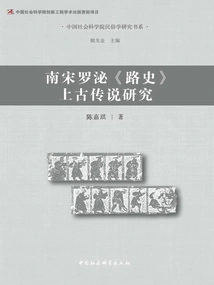
南宋罗泌《路史》上古传说研究
Chen Jiaqi
"History of the Road" is a general history of ancient times. It uses the tenth century of Wei Shu as the chronology. It believes that the world was opened to Confucius and Huolin, and a total of "two million two hundred and seventy-six thousand years" passed. Under the tenth century view of time, Luo Bi added fifty-eight ancient emperors to the imperial line of the Three Sovereigns and Five Emperors, narrating the ancient history from the creation of the world to the Xia Dynasty. The concept of ancient history behind the imperial lineage in "History of the Road" demonstrates Luo Mi's thinking on ancient history and cultural processes, and has a profound influence on the ancient history writings and mythological novels of future generations. From the perspective of literary research, Luo Mi reinterpreted the symbols of mythical characters and made them consistent with history. From the perspective of historical research, "History of the Road" constructs the development of ancient history through prophecies and Taoist historical views. It is a general cultural history recorded through the process of "historicization of myths." This book attempts to analyze the significance of the ordering of the imperial lineage in "History of the Road" and its evolution from "mythology" to "history", and then reposition the value of "History of the Road" in academic history from a more macro-historical and literary perspective.
"History of the Road" is a general history of ancient times. It uses the tenth century of Wei Shu as the chronology. It believes that the world was opened to Confucius and Huolin, and a total of "two million two hundred and seventy-six thousand years" passed. Under the tenth century view of time, Luo Bi added fifty-eight ancient emperors to the imperial line of the Three Sovereigns and Five Emperors, narrating the ancient history from the creation of the world to the Xia Dynasty. The concept of ancient history behind the imperial lineage in "History of the Road" demonstrates Luo Mi's thinking on ancient history and cultural processes, and has a profound influence on the ancient history writings and mythological novels of future generations. From the perspective of literary research, Luo Mi reinterpreted the symbols of mythical characters and made them consistent with history. From the perspective of historical research, "History of the Road" constructs the development of ancient history through prophecies and Taoist historical views. It is a general cultural history recorded through the process of "historicization of myths." This book attempts to analyze the significance of the ordering of the imperial lineage in "History of the Road" and its evolution from "mythology" to "history", and then reposition the value of "History of the Road" in academic history from a more macro-historical and literary perspective.