Library
Browse and search books
8 novels found
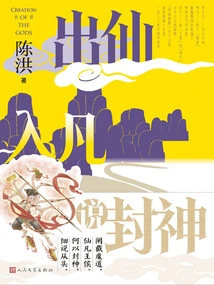
Talking About Becoming a God
Literature出仙入凡说封神
Chen Hong
"The Romance of the Gods" is one of the masterpieces of Chinese vernacular novels about gods and demons, and its influence is second only to "Journey to the West". For a long time, it has been a classical novel widely read by the public, and it is also one of the hot spots for adaptation and interpretation in film and television dramas. "The Romance of the Gods" may seem popular, but it has quite rich and complex cultural connotations. This book is based on rigorous and serious academic research and aims to explain it in a simple way. It reveals the deep and interesting connotations of "Fengshen Yanyi" and enhances readers' understanding of relevant cultural traditions. The book has sections such as overview, characters, artistic structure, communication influence, etc., And sets up a variety of topics, such as the "Fengshen List" and the folk tradition of deification, the multiple aspects of Jiang Taigong in historical documents and novels, the topic of banshee centered on Su Daji, the complex images of Nezha's "Devil Boy", "Parricide" and "Fujiang", magical artifacts in the magical world, the connection between "The Romance of the Gods" and "Journey to the West", etc. The author combines the original text and pays attention to detailed explanations. The writing style is smooth and interesting, and it is highly readable.
"The Romance of the Gods" is one of the masterpieces of Chinese vernacular novels about gods and demons, and its influence is second only to "Journey to the West". For a long time, it has been a classical novel widely read by the public, and it is also one of the hot spots for adaptation and interpretation in film and television dramas. "The Romance of the Gods" may seem popular, but it has quite rich and complex cultural connotations. This book is based on rigorous and serious academic research and aims to explain it in a simple way. It reveals the deep and interesting connotations of "Fengshen Yanyi" and enhances readers' understanding of relevant cultural traditions. The book has sections such as overview, characters, artistic structure, communication influence, etc., And sets up a variety of topics, such as the "Fengshen List" and the folk tradition of deification, the multiple aspects of Jiang Taigong in historical documents and novels, the topic of banshee centered on Su Daji, the complex images of Nezha's "Devil Boy", "Parricide" and "Fujiang", magical artifacts in the magical world, the connection between "The Romance of the Gods" and "Journey to the West", etc. The author combines the original text and pays attention to detailed explanations. The writing style is smooth and interesting, and it is highly readable.
Just Like Wen Yanan
Young Adult恰似温言安
Chen Hong
This novel is adapted from the author's youth experience to pay tribute to my passing youth.
This novel is adapted from the author's youth experience to pay tribute to my passing youth.
Brahsha Tree
Ancient Romance婆罗刹树
Chen Hong
This is a story about a dryad... He is the God of War in the heaven, and she is just a little tree demon... But he took her as his maid...
This is a story about a dryad... He is the God of War in the heaven, and she is just a little tree demon... But he took her as his maid...
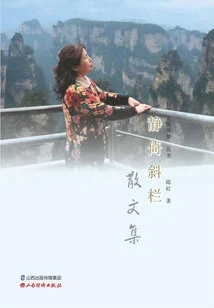
Quietly Reclining: Essays
Literature静倚斜档:散文集
Chen Hong
This book mainly uses prose writing techniques to express the author's admiration and appreciation for the beauty of life, as well as the insights and philosophical summaries gained from the life path he has traveled. The manuscripts include prose works such as memories, longing, gratitude, friendship, and nature. They briefly analyze the various situations in the world and express their longing and hope for the future. Some of the articles also involve the protection of the ecological environment.
This book mainly uses prose writing techniques to express the author's admiration and appreciation for the beauty of life, as well as the insights and philosophical summaries gained from the life path he has traveled. The manuscripts include prose works such as memories, longing, gratitude, friendship, and nature. They briefly analyze the various situations in the world and express their longing and hope for the future. Some of the articles also involve the protection of the ecological environment.
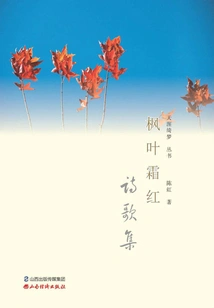
枫叶霜红:诗歌集
Chen Hong
This book mainly expresses the author's records of life in the form of poetry. It is a summary of the author's life insights and philosophy. There are memories, yearnings, and feelings of gratitude, cherishing the friendships that appear in life, recalling the grief of deceased parents, briefly analyzing various situations in the world, and expressing longing and hope for the future. The whole book is full of positive energy, explaining the love and unremitting pursuit of life.
This book mainly expresses the author's records of life in the form of poetry. It is a summary of the author's life insights and philosophy. There are memories, yearnings, and feelings of gratitude, cherishing the friendships that appear in life, recalling the grief of deceased parents, briefly analyzing various situations in the world, and expressing longing and hope for the future. The whole book is full of positive energy, explaining the love and unremitting pursuit of life.
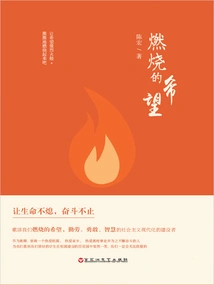
Burning Hope
Literature燃烧的希望
Chen Hong
"Burning Hope" is a collection of prose essays, divided into three volumes: "I Love My Motherland", "I Love My Hometown" and "I Love My Career". The first volume "I Love My Motherland" uses 34 works to praise the magnificent rivers and mountains of the great motherland. The second volume of "I Love My Hometown" uses 28 works to describe the four seasons of Huaibei, my hometown, or to describe the great changes in my hometown, or to miss my relatives, or to express and comprehend today's happy life. The third volume of "I Love My Career" contains a total of 25 articles, including praises for educational development and teachers, discussions on teaching, and comments on some current education phenomena.
"Burning Hope" is a collection of prose essays, divided into three volumes: "I Love My Motherland", "I Love My Hometown" and "I Love My Career". The first volume "I Love My Motherland" uses 34 works to praise the magnificent rivers and mountains of the great motherland. The second volume of "I Love My Hometown" uses 28 works to describe the four seasons of Huaibei, my hometown, or to describe the great changes in my hometown, or to miss my relatives, or to express and comprehend today's happy life. The third volume of "I Love My Career" contains a total of 25 articles, including praises for educational development and teachers, discussions on teaching, and comments on some current education phenomena.
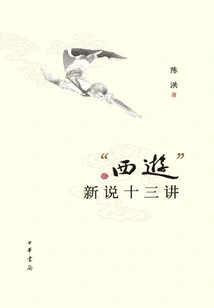
“西游”新说十三讲
Chen Hong
"Journey to the West" is a classical masterpiece with long-lasting influence and unique style. On the one hand, it is popular and simple, and contains fairy tale elements that make it suitable for readers of all ages. On the other hand, since its publication, it has been controversial, especially its unique discourse status, which has led to various interpretations. There are two fundamental problems to be solved that are closely related to the interpretation of the work: one is the theme of the work. Readers have always understood "The Uprising in Heaven" as a rebellion against the obsessive rule of Heaven, and there is even a saying that it "reflects the peasant uprising". However, this creates a logical contradiction with the plot of Wukong's conversion later in the article, especially the plot of destroying other monsters after his conversion. Nowadays, the general way to interpret this contradiction is to "divide it into two parts" and let everyone talk about it in his own way. But interpreting a long masterpiece by bypassing contradictions in this way is not a rigorous and persuasive approach after all. The other is the contradiction between the discourse system and narrative attitude of the work. The work uses a lot of inner alchemy discourse in the narrative process, and even copies a lot of Quanzhen Taoist poems and articles. However, the plot of the novel contains many arrangements that are unfavorable or even hostile to Taoism. How to explain this contradictory phenomenon? "Thirteen Lectures on New Theory" was written to solve these two problems. In recent years, the author has published a series of articles on this topic in publications such as "Literary Heritage", "Research on Ming and Qing Novels", and "Journal of Nankai University". From a macro perspective and a micro perspective, based on the new materials discovered, on the basis of the above research results, he further integrated and improved this book.
"Journey to the West" is a classical masterpiece with long-lasting influence and unique style. On the one hand, it is popular and simple, and contains fairy tale elements that make it suitable for readers of all ages. On the other hand, since its publication, it has been controversial, especially its unique discourse status, which has led to various interpretations. There are two fundamental problems to be solved that are closely related to the interpretation of the work: one is the theme of the work. Readers have always understood "The Uprising in Heaven" as a rebellion against the obsessive rule of Heaven, and there is even a saying that it "reflects the peasant uprising". However, this creates a logical contradiction with the plot of Wukong's conversion later in the article, especially the plot of destroying other monsters after his conversion. Nowadays, the general way to interpret this contradiction is to "divide it into two parts" and let everyone talk about it in his own way. But interpreting a long masterpiece by bypassing contradictions in this way is not a rigorous and persuasive approach after all. The other is the contradiction between the discourse system and narrative attitude of the work. The work uses a lot of inner alchemy discourse in the narrative process, and even copies a lot of Quanzhen Taoist poems and articles. However, the plot of the novel contains many arrangements that are unfavorable or even hostile to Taoism. How to explain this contradictory phenomenon? "Thirteen Lectures on New Theory" was written to solve these two problems. In recent years, the author has published a series of articles on this topic in publications such as "Literary Heritage", "Research on Ming and Qing Novels", and "Journal of Nankai University". From a macro perspective and a micro perspective, based on the new materials discovered, on the basis of the above research results, he further integrated and improved this book.
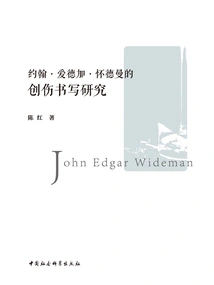
约翰·爱德加·怀德曼的创伤书写研究
Chen Hong
John Edgar Wildman (1941-) is a famous contemporary African-American writer and social critic in the United States. In more than half a century of diligent writing, he has won many awards for his exquisite style and serious thinking on contemporary issues, and is known as "one of the most outstanding and talented black male writers of our time." In his works, Wideman repeatedly writes about his own trauma and family tragedy, revisits the historical trauma of African Americans, and also focuses on the unbearable pain of domination, discrimination, and segregation that the lower classes in inner cities in the United States cannot bear in the post-civil rights era. Under the perspective of trauma theory, this book combines contemporary autobiography theory and new historicism theory to provide an in-depth analysis of Wideman's trauma writing. Wideman's work is a site of traumatic memory for African Americans, revealing the traumatic experiences and psychological realities of the dispossessed and forgotten, highlighting the healing power of storytelling. By writing about trauma, Wideman played the role of witness and social critic, demonstrating his deep concern for the plight of African Americans.
John Edgar Wildman (1941-) is a famous contemporary African-American writer and social critic in the United States. In more than half a century of diligent writing, he has won many awards for his exquisite style and serious thinking on contemporary issues, and is known as "one of the most outstanding and talented black male writers of our time." In his works, Wideman repeatedly writes about his own trauma and family tragedy, revisits the historical trauma of African Americans, and also focuses on the unbearable pain of domination, discrimination, and segregation that the lower classes in inner cities in the United States cannot bear in the post-civil rights era. Under the perspective of trauma theory, this book combines contemporary autobiography theory and new historicism theory to provide an in-depth analysis of Wideman's trauma writing. Wideman's work is a site of traumatic memory for African Americans, revealing the traumatic experiences and psychological realities of the dispossessed and forgotten, highlighting the healing power of storytelling. By writing about trauma, Wideman played the role of witness and social critic, demonstrating his deep concern for the plight of African Americans.