Library
Browse and search books
2 novels found
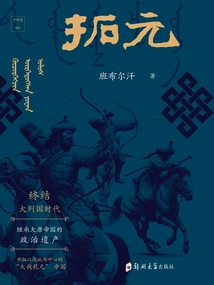
Tuoyuan
History拓元
Bambur Khan
When the Tang Dynasty declined and perished, many national governments that had originally submitted to Tian Khan began to expand their ambitions. The Central Plains regime in the Han Dynasty was divided into the Five Dynasties and Ten Kingdoms. Although partial unification was achieved through the Song Dynasty, it was difficult to restore the political territory of the prosperous Tang Dynasty. Outside of the Central Plains, the political powers in the grasslands, Western Regions, and Liaodong regions each competed for dominance, and even reversed their efforts to grant titles to the monarchs of the Central Plains. This environment continued until the Mongols settled in the Central Plains, re-conquered the four directions, and established a large empire centered on the Han Dynasty. The book is divided into eight chapters. Starting from the origin of the Mongolian people, it briefly introduces the political environment of the world at that time and the development and growth of the Mongolian people. It focuses on the creation, development and stability of the Mongol Empire of Genghis Khan and his descendants and the Yuan Empire of Kublai Khan.
When the Tang Dynasty declined and perished, many national governments that had originally submitted to Tian Khan began to expand their ambitions. The Central Plains regime in the Han Dynasty was divided into the Five Dynasties and Ten Kingdoms. Although partial unification was achieved through the Song Dynasty, it was difficult to restore the political territory of the prosperous Tang Dynasty. Outside of the Central Plains, the political powers in the grasslands, Western Regions, and Liaodong regions each competed for dominance, and even reversed their efforts to grant titles to the monarchs of the Central Plains. This environment continued until the Mongols settled in the Central Plains, re-conquered the four directions, and established a large empire centered on the Han Dynasty. The book is divided into eight chapters. Starting from the origin of the Mongolian people, it briefly introduces the political environment of the world at that time and the development and growth of the Mongolian people. It focuses on the creation, development and stability of the Mongol Empire of Genghis Khan and his descendants and the Yuan Empire of Kublai Khan.
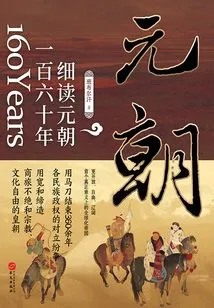
细读元朝一百六十年
Bambur Khan
In 1206, the Great Mongolian Kingdom was established. In 1271, Kuhan changed the name of his country to "Dayuan". During the Yuan Dynasty, the unified multi-ethnic country was further consolidated, and its territory exceeded that of previous dynasties. It pioneered the political system and had a profound impact on the society of the Yuan Dynasty and the subsequent Ming and Qing Dynasties and modern times. The commodity economy and overseas trade were more prosperous, and Beijing and Quanzhou became truly international metropolises. The cultural form became more secular, and freedom of religious belief made cultural exchanges more extensive. Many casual historians like to use words such as cruelty, corruption, and darkness to describe the regime established by this nomadic people. It is undeniable that the Mongol Empire conquered the East and the West with iron blood and brought war to many regions. But beyond the logic of farming culture, look at it from a broader perspective: the empire that conquered Asia and Europe, and connected the East and the West, brought the world into the true era of globalization for the first time and accelerated the process of world integration. This book comprehensively analyzes the rise and fall of the Mongol Empire from the political, military, cultural, and economic perspectives, presenting a comprehensive and three-dimensional view of the Yuan Dynasty.
In 1206, the Great Mongolian Kingdom was established. In 1271, Kuhan changed the name of his country to "Dayuan". During the Yuan Dynasty, the unified multi-ethnic country was further consolidated, and its territory exceeded that of previous dynasties. It pioneered the political system and had a profound impact on the society of the Yuan Dynasty and the subsequent Ming and Qing Dynasties and modern times. The commodity economy and overseas trade were more prosperous, and Beijing and Quanzhou became truly international metropolises. The cultural form became more secular, and freedom of religious belief made cultural exchanges more extensive. Many casual historians like to use words such as cruelty, corruption, and darkness to describe the regime established by this nomadic people. It is undeniable that the Mongol Empire conquered the East and the West with iron blood and brought war to many regions. But beyond the logic of farming culture, look at it from a broader perspective: the empire that conquered Asia and Europe, and connected the East and the West, brought the world into the true era of globalization for the first time and accelerated the process of world integration. This book comprehensively analyzes the rise and fall of the Mongol Empire from the political, military, cultural, and economic perspectives, presenting a comprehensive and three-dimensional view of the Yuan Dynasty.