Library
Browse and search books
15 novels found
八千里路云和月
Bai Xianyong
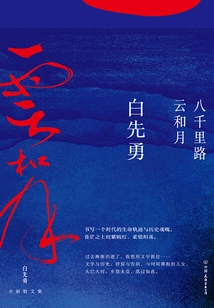
"Eight Thousand Miles of Road to Clouds and Moon" is a brand new collection of works by Bai Xianyong, a master in the literary world. It writes the life trajectory and historical soul of an era. It is the accumulation of stories over time, and it is also an unsatisfactory cultural nostalgia. The author deeply feels between the lines that these memorable people and things in his life are the wealth of life that can never be recalled, reflecting his growth experience, mental journey and aesthetic ideals. Bai Xianyong used his lifelong pen to paint a true picture of life, leading readers to gradually touch the hot mind of a writer. "Eight Thousand Miles of Road to Clouds and Moon" is like a long river of euphemism, with an endless aftertaste that can be described endlessly. In the silent words, there is abundant vitality.
"Eight Thousand Miles of Road to Clouds and Moon" is a brand new collection of works by Bai Xianyong, a master in the literary world. It writes the life trajectory and historical soul of an era. It is the accumulation of stories over time, and it is also an unsatisfactory cultural nostalgia. The author deeply feels between the lines that these memorable people and things in his life are the wealth of life that can never be recalled, reflecting his growth experience, mental journey and aesthetic ideals. Bai Xianyong used his lifelong pen to paint a true picture of life, leading readers to gradually touch the hot mind of a writer. "Eight Thousand Miles of Road to Clouds and Moon" is like a long river of euphemism, with an endless aftertaste that can be described endlessly. In the silent words, there is abundant vitality.
Naughty Son
General Fiction孽子
Bai Xianyong
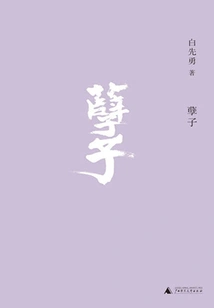
Bai Xianyong's only full-length novel "The Son of Evil" takes homosexuality as the theme. The book is divided into four chapters, namely "Exile", "In Our Kingdom", "An Le Township" and "The Journey of Those Youthful Birds". It describes a group of "evil children" who lived in Taipei in the 1960s and 1970s who were abandoned by their families and abandoned by society. Bai Xianyong wrote: "Written to the group of children who wander the streets alone in the deepest dark night with no place to turn to." The theme of the conflict between father and son is also impressive.
Bai Xianyong's only full-length novel "The Son of Evil" takes homosexuality as the theme. The book is divided into four chapters, namely "Exile", "In Our Kingdom", "An Le Township" and "The Journey of Those Youthful Birds". It describes a group of "evil children" who lived in Taipei in the 1960s and 1970s who were abandoned by their families and abandoned by society. Bai Xianyong wrote: "Written to the group of children who wander the streets alone in the deepest dark night with no place to turn to." The theme of the conflict between father and son is also impressive.
白先勇细说红楼梦(全集)
Bai Xianyong
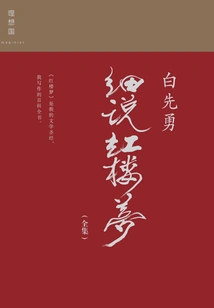
When the 80-year-old Bai Xianyong meets the 300-year-old Cao Xueqin, listen to how everyone in the Chinese world of novels interprets "The No. 1 Book in the World" and see the spiritual connection between the two eras of literary geniuses across time and space. This book is compiled from the lecture notes of Bai Xianyong's introductory general course (2014-2015) on "A Dream of Red Mansions" at National Taiwan University. "A Dream of Red Mansions" is a heavenly book with endless mysteries to explain and endless secrets to explore, but most importantly, it is a great novel after all. Bai Xianyong rectifies the source and introduces this literary classic as a novel, focusing on analyzing the "modernity" of the novel art of "A Dream of Red Mansions": mythological structure, character creation, text style, narrative techniques, use of point of view, dialogue skills, symbolic metaphors, parallel comparisons, and foreshadowing. He examines how Cao Xueqin maximizes the various elements that constitute the novel, far beyond its era, and even earlier and more avant-garde than Western modernist literature. With the artistic sensitivity of a novelist, he wiped away the dust of the classics, and restored the characters that had been neglected and misunderstood to their original personalities one by one, allowing them to bloom on the stage. In the process of reading and contemplating the art of words, it interprets the wonderful true meaning of Chinese philosophy of life and the cultural code of human society. It also extends from a great novel to talk about literature, aesthetics, philosophy, and the branches and branches of Kunqu Opera, constructing a dreamlike red mansion. Bai Xianyong took this opportunity to read carefully, carefully compared the differences between the "Gengchen version" and the "Cheng Yi version", weighed the weight and subtle meaning of every word, and was able to rediscover the long-lost beauty of the "Cheng Yi version" and "Dream of Red Mansions".
When the 80-year-old Bai Xianyong meets the 300-year-old Cao Xueqin, listen to how everyone in the Chinese world of novels interprets "The No. 1 Book in the World" and see the spiritual connection between the two eras of literary geniuses across time and space. This book is compiled from the lecture notes of Bai Xianyong's introductory general course (2014-2015) on "A Dream of Red Mansions" at National Taiwan University. "A Dream of Red Mansions" is a heavenly book with endless mysteries to explain and endless secrets to explore, but most importantly, it is a great novel after all. Bai Xianyong rectifies the source and introduces this literary classic as a novel, focusing on analyzing the "modernity" of the novel art of "A Dream of Red Mansions": mythological structure, character creation, text style, narrative techniques, use of point of view, dialogue skills, symbolic metaphors, parallel comparisons, and foreshadowing. He examines how Cao Xueqin maximizes the various elements that constitute the novel, far beyond its era, and even earlier and more avant-garde than Western modernist literature. With the artistic sensitivity of a novelist, he wiped away the dust of the classics, and restored the characters that had been neglected and misunderstood to their original personalities one by one, allowing them to bloom on the stage. In the process of reading and contemplating the art of words, it interprets the wonderful true meaning of Chinese philosophy of life and the cultural code of human society. It also extends from a great novel to talk about literature, aesthetics, philosophy, and the branches and branches of Kunqu Opera, constructing a dreamlike red mansion. Bai Xianyong took this opportunity to read carefully, carefully compared the differences between the "Gengchen version" and the "Cheng Yi version", weighed the weight and subtle meaning of every word, and was able to rediscover the long-lost beauty of the "Cheng Yi version" and "Dream of Red Mansions".
My Root Search
Literature我的寻根记
Bai Xianyong
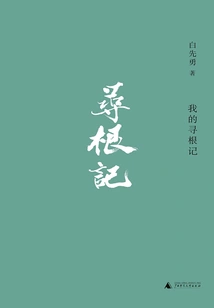
"My Search for Roots" is a highly representative collection of Bai Xianyong's classic works. It embraces a nostalgia for literature and his hometown, and displays Bai Xianyong's personal literary, artistic trajectory and life course. The works are divided into three series: the first series of novels, a total of 8 novels, including "Sister-in-law Yuqing", "Lonely Seventeen Years Old" and "Resentment of the Exalted Immortal", as well as the latest work "Silent" which won the Yu Dafu Literary Award Night", every chapter is a masterpiece; the second series of essays has a total of 9 essays, including "The Tree Is Like This", "Star Cafe" and "The Sixth Finger", etc., Which are full of nostalgia and family affection; the third series of reviews has a total of 6 essays, including "Three Chapters of Dialogue with Xi Song" and "Grand View of the Red Chamber".
"My Search for Roots" is a highly representative collection of Bai Xianyong's classic works. It embraces a nostalgia for literature and his hometown, and displays Bai Xianyong's personal literary, artistic trajectory and life course. The works are divided into three series: the first series of novels, a total of 8 novels, including "Sister-in-law Yuqing", "Lonely Seventeen Years Old" and "Resentment of the Exalted Immortal", as well as the latest work "Silent" which won the Yu Dafu Literary Award Night", every chapter is a masterpiece; the second series of essays has a total of 9 essays, including "The Tree Is Like This", "Star Cafe" and "The Sixth Finger", etc., Which are full of nostalgia and family affection; the third series of reviews has a total of 6 essays, including "Three Chapters of Dialogue with Xi Song" and "Grand View of the Red Chamber".
The Tree is Like This
Literature树犹如此
Bai Xianyong
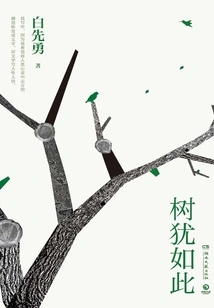
After facing the many joys and sorrows in the world, and the uncertainty of life and death, Bai Xianyong sighed: "What you have is always a fluke, impermanence is the normal state of life, and all maturity begins with loss." "I have always believed that man can defeat nature, and I often go against the odds. However, after all, human power is no match for destiny... We tried our best, but still failed miserably. "While thinking about the meaning of literature and the purpose of writing countless times, Bai Xianyong said: "Literature is the most profound and heartfelt reflection of a nation's soul. It speaks for that nation." "I write because I hope to turn the silent pain in the human heart into words and use literature to write about human nature." In this collection of essays, the author may reminisce about the past, recount his past, express his feelings, or talk about literature and art. Although he writes about personal memories, he is actually writing about history. What remains in the film of Bai Xianyong's childhood memory is the "last touch of prosperity" of Shanghai, and the long process of "the young boy leaving home and the old boy returning home" flashes back to the vicissitudes of Chinese history in the 20th century.
After facing the many joys and sorrows in the world, and the uncertainty of life and death, Bai Xianyong sighed: "What you have is always a fluke, impermanence is the normal state of life, and all maturity begins with loss." "I have always believed that man can defeat nature, and I often go against the odds. However, after all, human power is no match for destiny... We tried our best, but still failed miserably. "While thinking about the meaning of literature and the purpose of writing countless times, Bai Xianyong said: "Literature is the most profound and heartfelt reflection of a nation's soul. It speaks for that nation." "I write because I hope to turn the silent pain in the human heart into words and use literature to write about human nature." In this collection of essays, the author may reminisce about the past, recount his past, express his feelings, or talk about literature and art. Although he writes about personal memories, he is actually writing about history. What remains in the film of Bai Xianyong's childhood memory is the "last touch of prosperity" of Shanghai, and the long process of "the young boy leaving home and the old boy returning home" flashes back to the vicissitudes of Chinese history in the 20th century.
白先勇细说红楼梦(上)
Bai Xianyong
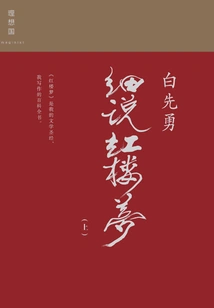
When the 80-year-old Bai Xianyong meets the 300-year-old Cao Xueqin, listen to how everyone in the Chinese world of novels interprets "The No. 1 Book in the World" and see the spiritual connection between the two eras of literary geniuses across time and space. This book is compiled from the lecture notes of Bai Xianyong's introductory general course (2014-2015) on "A Dream of Red Mansions" at National Taiwan University. "A Dream of Red Mansions" is a heavenly book with endless mysteries to explain and endless secrets to explore, but most importantly, it is a great novel after all. Bai Xianyong rectifies the source and introduces this literary classic as a novel, focusing on analyzing the "modernity" of the novel art of "A Dream of Red Mansions": mythological structure, character creation, text style, narrative techniques, use of point of view, dialogue skills, symbolic metaphors, parallel comparisons, and foreshadowing. He examines how Cao Xueqin maximizes the various elements that constitute the novel, far beyond its era, and even earlier and more avant-garde than Western modernist literature. With the artistic sensitivity of a novelist, he wiped away the dust of the classics, and restored the characters that had been neglected and misunderstood to their original personalities one by one, allowing them to bloom on the stage. In the process of reading and contemplating the art of words, it interprets the wonderful true meaning of Chinese philosophy of life and the cultural code of human society. It also extends from a great novel to talk about literature, aesthetics, philosophy, and the branches and branches of Kunqu Opera, constructing a dreamlike red mansion. Bai Xianyong took this opportunity to read carefully, carefully compared the differences between the "Gengchen version" and the "Cheng Yi version", weighed the weight and subtle meaning of every word, and was able to rediscover the long-lost beauty of the "Cheng Yi version" and "Dream of Red Mansions".
When the 80-year-old Bai Xianyong meets the 300-year-old Cao Xueqin, listen to how everyone in the Chinese world of novels interprets "The No. 1 Book in the World" and see the spiritual connection between the two eras of literary geniuses across time and space. This book is compiled from the lecture notes of Bai Xianyong's introductory general course (2014-2015) on "A Dream of Red Mansions" at National Taiwan University. "A Dream of Red Mansions" is a heavenly book with endless mysteries to explain and endless secrets to explore, but most importantly, it is a great novel after all. Bai Xianyong rectifies the source and introduces this literary classic as a novel, focusing on analyzing the "modernity" of the novel art of "A Dream of Red Mansions": mythological structure, character creation, text style, narrative techniques, use of point of view, dialogue skills, symbolic metaphors, parallel comparisons, and foreshadowing. He examines how Cao Xueqin maximizes the various elements that constitute the novel, far beyond its era, and even earlier and more avant-garde than Western modernist literature. With the artistic sensitivity of a novelist, he wiped away the dust of the classics, and restored the characters that had been neglected and misunderstood to their original personalities one by one, allowing them to bloom on the stage. In the process of reading and contemplating the art of words, it interprets the wonderful true meaning of Chinese philosophy of life and the cultural code of human society. It also extends from a great novel to talk about literature, aesthetics, philosophy, and the branches and branches of Kunqu Opera, constructing a dreamlike red mansion. Bai Xianyong took this opportunity to read carefully, carefully compared the differences between the "Gengchen version" and the "Cheng Yi version", weighed the weight and subtle meaning of every word, and was able to rediscover the long-lost beauty of the "Cheng Yi version" and "Dream of Red Mansions".
白先勇“白与红”红楼梦系列两种
Bai Xianyong
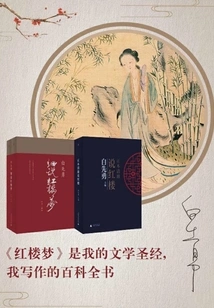
"A Dream of Red Mansions" is a heavenly book with endless mysteries to explain and endless secrets to explore, but most importantly, it is a great novel after all. Bai Xianyong rectifies the source and introduces this literary classic as a novel, focusing on analyzing the "modernity" of the novel art of "A Dream of Red Mansions": mythological structure, character creation, text style, narrative techniques, use of point of view, dialogue skills, symbolic metaphors, parallel comparisons, and foreshadowing. He examines how Cao Xueqin maximizes the various elements that constitute the novel, far beyond its era, and even earlier and more avant-garde than Western modernist literature. "A Dream of Red Mansions" was compiled to address these two major issues. It brings together some articles by Chinese scholars, experts, and writers from all over the world since Hu Shi's return, who have expressed their opinions on the authorship of the last forty chapters of "A Dream of Red Mansions" and the differences between the "Cheng Gao version" and the "Zhi version". The first volume of this elegant collection of Red Mansions, "Celebrities Say Red Mansions", is a summary of two major topics discussed in articles by famous writers (including Wang Guowei, Chen Yinke, Lin Yutang, Yu Pingbo, Xia Zhiqing, etc.); The second volume, "Celebrities Comment on Red Mansions", is a complete set of important articles by scholars and writers at all stages of Red Studies research (including Hu Shi, Gao Yang, Zhou Cezong, etc.) , As well as Yang Jiang, Wang Meng, Bai Xianyong, etc.); The third volume especially includes the "Comparative Notes between the Gengchen Edition and the Cheng Yi Edition" that Pai Xianyong taught at National Taiwan University in recent years, a total of more than 170 items, as well as the Shanghai Forum Records of the "Dream of Red Mansions" Centenary Issues: Cheng Gao's Edition and the Last Forty Chapters, written by today's Red Scholars.
"A Dream of Red Mansions" is a heavenly book with endless mysteries to explain and endless secrets to explore, but most importantly, it is a great novel after all. Bai Xianyong rectifies the source and introduces this literary classic as a novel, focusing on analyzing the "modernity" of the novel art of "A Dream of Red Mansions": mythological structure, character creation, text style, narrative techniques, use of point of view, dialogue skills, symbolic metaphors, parallel comparisons, and foreshadowing. He examines how Cao Xueqin maximizes the various elements that constitute the novel, far beyond its era, and even earlier and more avant-garde than Western modernist literature. "A Dream of Red Mansions" was compiled to address these two major issues. It brings together some articles by Chinese scholars, experts, and writers from all over the world since Hu Shi's return, who have expressed their opinions on the authorship of the last forty chapters of "A Dream of Red Mansions" and the differences between the "Cheng Gao version" and the "Zhi version". The first volume of this elegant collection of Red Mansions, "Celebrities Say Red Mansions", is a summary of two major topics discussed in articles by famous writers (including Wang Guowei, Chen Yinke, Lin Yutang, Yu Pingbo, Xia Zhiqing, etc.); The second volume, "Celebrities Comment on Red Mansions", is a complete set of important articles by scholars and writers at all stages of Red Studies research (including Hu Shi, Gao Yang, Zhou Cezong, etc.) , As well as Yang Jiang, Wang Meng, Bai Xianyong, etc.); The third volume especially includes the "Comparative Notes between the Gengchen Edition and the Cheng Yi Edition" that Pai Xianyong taught at National Taiwan University in recent years, a total of more than 170 items, as well as the Shanghai Forum Records of the "Dream of Red Mansions" Centenary Issues: Cheng Gao's Edition and the Last Forty Chapters, written by today's Red Scholars.
Literature is Immortal
Literature文学不死
Bai Xianyong
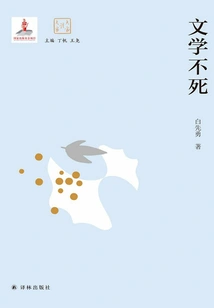
"Literature will never die" is Bai Xianyong's resounding prediction about the future of literature. This book is the crystallization of Bai Xianyong's thoughts and research after reading other literary and artistic texts: the first part starts from Hong Kong and Taiwan literature, exploring the immortal aesthetic value of contemporary literary works; the second part affectionately recalls the creative stories of literary predecessors and peers; finally, the author returns to the world of classical literature, because here is a source of living water that truly guarantees the eternity of literature.
"Literature will never die" is Bai Xianyong's resounding prediction about the future of literature. This book is the crystallization of Bai Xianyong's thoughts and research after reading other literary and artistic texts: the first part starts from Hong Kong and Taiwan literature, exploring the immortal aesthetic value of contemporary literary works; the second part affectionately recalls the creative stories of literary predecessors and peers; finally, the author returns to the world of classical literature, because here is a source of living water that truly guarantees the eternity of literature.
One Man's Renaissance
Literature一个人的文艺复兴
Bai Xianyong
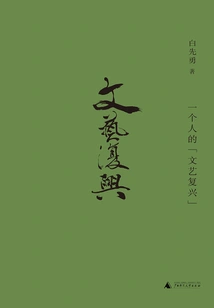
"One Person's "Renaissance"" is a collection of Bai Xianyong's essays on the occasion of the 100th anniversary of China's New Culture Movement. It mainly includes articles about literary and artistic activities. "Bai Xianyong Discussing Novels with Young Friends" talks about the experience of creating novels; "Ten Years of Hard Work is Unusual" talks about the aesthetic value of Kunqu Opera; "Saving Sister You's Virginity" talks about the pros and cons of the version of "A Dream of Red Mansions"; "Now is a Good Time for Cultural Revival" talks about the preservation and spread of cultural classics and how to revive traditional Chinese culture. The time span of these articles is from the 1970s to the present day. It can be seen that realizing our "Renaissance" has been Bai Xianyong's cherished wish for many years. Bai Xianyong once said that all my preparations are for our "Renaissance". The articles collected in this collection reflect the historical trajectory and basic features of Bai Xianyong's personal "Renaissance".
"One Person's "Renaissance"" is a collection of Bai Xianyong's essays on the occasion of the 100th anniversary of China's New Culture Movement. It mainly includes articles about literary and artistic activities. "Bai Xianyong Discussing Novels with Young Friends" talks about the experience of creating novels; "Ten Years of Hard Work is Unusual" talks about the aesthetic value of Kunqu Opera; "Saving Sister You's Virginity" talks about the pros and cons of the version of "A Dream of Red Mansions"; "Now is a Good Time for Cultural Revival" talks about the preservation and spread of cultural classics and how to revive traditional Chinese culture. The time span of these articles is from the 1970s to the present day. It can be seen that realizing our "Renaissance" has been Bai Xianyong's cherished wish for many years. Bai Xianyong once said that all my preparations are for our "Renaissance". The articles collected in this collection reflect the historical trajectory and basic features of Bai Xianyong's personal "Renaissance".
八千里路云和月
Bai Xianyong
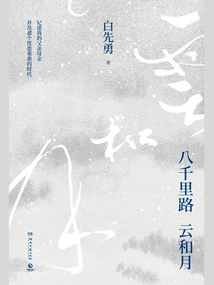
Bai Xianyong's new work! Describing my father and mother and that era of great sorrow. This is a song of life written with blood, tears and sincerity by the master of Chinese literature Pai Xianyong. He uses words to take us through the corridors of history and experience the troubled era of the Republic of China. The book specially includes photos that the author has collected for decades, restoring the true temperature of a family and preserving those figures that have not been wiped out. "Eight Thousand Miles of Road with Clouds and Moon" is a collection of Mr. Bai Xianyong's new prose works in recent years after "The Tree Is Like This". In the book, the author either reminisces about his parents, misses old friends, expresses his feelings, or discusses literature and art. Although he writes about personal memories, it is fundamentally about the vicissitudes of Chinese history in the twentieth century. The book is divided into three major parts. Part 1: Eight Thousand Miles of Road, Clouds and Moons - The feelings of family and country, describing father, mother and that troubled era; Part 2: Colorful Colors - chronicling characters, describing the friendship between teachers and friends who have been close friends for many years, including Brigitte Lin, Xia Zhiqing, Xi Song, etc.; Part 3: Suddenly Looking Back - Reading Reflections, using more than sixty years of literary accumulation to describe the in-depth understanding and perception of words. Mr. Bai Xianyong uses words to take us through the historical corridor, looking at the life story of an all-powerful old general, and clearly experiencing the troubled era of the Republic of China. His writings reveal beauty in their plainness, and deep feelings in their restraint.
Bai Xianyong's new work! Describing my father and mother and that era of great sorrow. This is a song of life written with blood, tears and sincerity by the master of Chinese literature Pai Xianyong. He uses words to take us through the corridors of history and experience the troubled era of the Republic of China. The book specially includes photos that the author has collected for decades, restoring the true temperature of a family and preserving those figures that have not been wiped out. "Eight Thousand Miles of Road with Clouds and Moon" is a collection of Mr. Bai Xianyong's new prose works in recent years after "The Tree Is Like This". In the book, the author either reminisces about his parents, misses old friends, expresses his feelings, or discusses literature and art. Although he writes about personal memories, it is fundamentally about the vicissitudes of Chinese history in the twentieth century. The book is divided into three major parts. Part 1: Eight Thousand Miles of Road, Clouds and Moons - The feelings of family and country, describing father, mother and that troubled era; Part 2: Colorful Colors - chronicling characters, describing the friendship between teachers and friends who have been close friends for many years, including Brigitte Lin, Xia Zhiqing, Xi Song, etc.; Part 3: Suddenly Looking Back - Reading Reflections, using more than sixty years of literary accumulation to describe the in-depth understanding and perception of words. Mr. Bai Xianyong uses words to take us through the historical corridor, looking at the life story of an all-powerful old general, and clearly experiencing the troubled era of the Republic of China. His writings reveal beauty in their plainness, and deep feelings in their restraint.
白先勇细说红楼梦(下)
Bai Xianyong
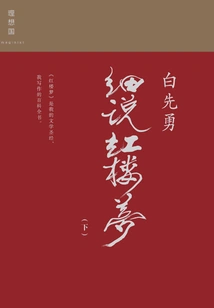
When the 80-year-old Bai Xianyong meets the 300-year-old Cao Xueqin, listen to how everyone in the Chinese world of novels interprets "The No. 1 Book in the World" and see the spiritual connection between the two eras of literary geniuses across time and space. This book is compiled from the lecture notes of Bai Xianyong's introductory general course (2014-2015) on "A Dream of Red Mansions" at National Taiwan University. "A Dream of Red Mansions" is a heavenly book with endless mysteries to explain and endless secrets to explore, but most importantly, it is a great novel after all. Bai Xianyong rectifies the source and introduces this literary classic as a novel, focusing on analyzing the "modernity" of the novel art of "A Dream of Red Mansions": mythological structure, character creation, text style, narrative techniques, use of point of view, dialogue skills, symbolic metaphors, parallel comparisons, and foreshadowing. He examines how Cao Xueqin maximizes the various elements that constitute the novel, far beyond its era, and even earlier and more avant-garde than Western modernist literature. With the artistic sensitivity of a novelist, he wiped away the dust of the classics, and restored the characters that had been neglected and misunderstood to their original personalities one by one, allowing them to bloom on the stage. In the process of reading and contemplating the art of words, it interprets the wonderful true meaning of Chinese philosophy of life and the cultural code of human society. It also extends from a great novel to talk about literature, aesthetics, philosophy, and the branches and branches of Kunqu Opera, constructing a dreamlike red mansion. Bai Xianyong took this opportunity to read carefully, carefully compared the differences between the "Gengchen version" and the "Cheng Yi version", weighed the weight and subtle meaning of every word, and was able to rediscover the long-lost beauty of the "Cheng Yi version" and "Dream of Red Mansions".
When the 80-year-old Bai Xianyong meets the 300-year-old Cao Xueqin, listen to how everyone in the Chinese world of novels interprets "The No. 1 Book in the World" and see the spiritual connection between the two eras of literary geniuses across time and space. This book is compiled from the lecture notes of Bai Xianyong's introductory general course (2014-2015) on "A Dream of Red Mansions" at National Taiwan University. "A Dream of Red Mansions" is a heavenly book with endless mysteries to explain and endless secrets to explore, but most importantly, it is a great novel after all. Bai Xianyong rectifies the source and introduces this literary classic as a novel, focusing on analyzing the "modernity" of the novel art of "A Dream of Red Mansions": mythological structure, character creation, text style, narrative techniques, use of point of view, dialogue skills, symbolic metaphors, parallel comparisons, and foreshadowing. He examines how Cao Xueqin maximizes the various elements that constitute the novel, far beyond its era, and even earlier and more avant-garde than Western modernist literature. With the artistic sensitivity of a novelist, he wiped away the dust of the classics, and restored the characters that had been neglected and misunderstood to their original personalities one by one, allowing them to bloom on the stage. In the process of reading and contemplating the art of words, it interprets the wonderful true meaning of Chinese philosophy of life and the cultural code of human society. It also extends from a great novel to talk about literature, aesthetics, philosophy, and the branches and branches of Kunqu Opera, constructing a dreamlike red mansion. Bai Xianyong took this opportunity to read carefully, carefully compared the differences between the "Gengchen version" and the "Cheng Yi version", weighed the weight and subtle meaning of every word, and was able to rediscover the long-lost beauty of the "Cheng Yi version" and "Dream of Red Mansions".
The Tree is Like This
Literature树犹如此
Bai Xianyong
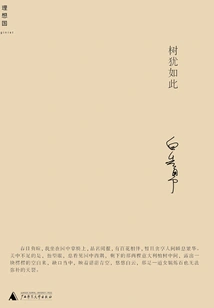
"Trees Are Like This" is a self-selected collection of Bai Xianyong's essays, which mainly includes articles in which he recalls his personal experiences and interactions with relatives and friends. Among them, "The Tree Is Like This", which commemorates a deceased friend, has been deeply painful for six years. It is called "a song of life completed with blood, tears and the purest emotions in the world." Also included are two new works about friends: "Looking for the Bodhi Tree" by the painter Xi Song on his journey to practice Buddhism, and "Practice the Bodhisattva" by Du Cong, who rescued tens of thousands of AIDS orphans. This shows what Bai Xianyong has been thinking about in recent years. Most of the works in the book were written after Bai Xianyong "knows destiny at fifty". Dong Qiao was once "surprised that he was already like an old monk who was at ease and let go, letting a fallen flower silently exude instant brilliance in his palm." Written to my friends Wang Guoxiang and my third sister Xianming, the simplicity contains magnificence and compassion for the world. Guilin, Shanghai, Nanjing, Taipei, cultural nostalgia is superimposed, making it difficult to find a place to return. In the fan magazine "Modern Literature" where he devoted his efforts and youth, Bai Xianyong used literature to make friends, and his love lasted a lifetime.
"Trees Are Like This" is a self-selected collection of Bai Xianyong's essays, which mainly includes articles in which he recalls his personal experiences and interactions with relatives and friends. Among them, "The Tree Is Like This", which commemorates a deceased friend, has been deeply painful for six years. It is called "a song of life completed with blood, tears and the purest emotions in the world." Also included are two new works about friends: "Looking for the Bodhi Tree" by the painter Xi Song on his journey to practice Buddhism, and "Practice the Bodhisattva" by Du Cong, who rescued tens of thousands of AIDS orphans. This shows what Bai Xianyong has been thinking about in recent years. Most of the works in the book were written after Bai Xianyong "knows destiny at fifty". Dong Qiao was once "surprised that he was already like an old monk who was at ease and let go, letting a fallen flower silently exude instant brilliance in his palm." Written to my friends Wang Guoxiang and my third sister Xianming, the simplicity contains magnificence and compassion for the world. Guilin, Shanghai, Nanjing, Taipei, cultural nostalgia is superimposed, making it difficult to find a place to return. In the fan magazine "Modern Literature" where he devoted his efforts and youth, Bai Xianyong used literature to make friends, and his love lasted a lifetime.
New Yorker
General Fiction纽约客
Bai Xianyong
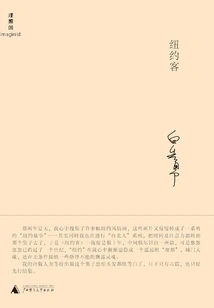
One spring in 1965, the author began writing "The Exorcist" on a table in a park along the Iowa River. At that time, the spring was warm, the ice in the Iowa River melted, and the buds and leaves in the Iowa River began to show new green. At that time, the author designated this novel as the first in the "New Yorker" series, and quoted Chen Zi'ang's "Going to Youzhou Taiwan Song" as the epigraph and postscript. Perhaps the author felt that Li Tong's final feeling of loneliness was as profound as "the longness of heaven and earth"... But a century has passed, and "New York" has gradually retreated into a distant "magic city" in the author's heart. The city gate is wide open, and it is still unconditionally accepting some wandering souls.
One spring in 1965, the author began writing "The Exorcist" on a table in a park along the Iowa River. At that time, the spring was warm, the ice in the Iowa River melted, and the buds and leaves in the Iowa River began to show new green. At that time, the author designated this novel as the first in the "New Yorker" series, and quoted Chen Zi'ang's "Going to Youzhou Taiwan Song" as the epigraph and postscript. Perhaps the author felt that Li Tong's final feeling of loneliness was as profound as "the longness of heaven and earth"... But a century has passed, and "New York" has gradually retreated into a distant "magic city" in the author's heart. The city gate is wide open, and it is still unconditionally accepting some wandering souls.
Lonely Seventeen Years Old
General Fiction寂寞的十七岁
Bai Xianyong
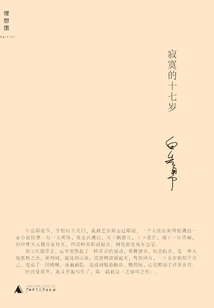
"Lonely Seventeen" contains many of Bai Xianyong's early and middle short stories. Bai Xianyong's early novels can be divided into two categories: one is novels that are more or less rewritten based on his own personal experience: "Grandma Jin," "Let's Go to Look at the Chrysanthemums", "Sister-in-law Yuqing", and "The Lonely Seventeen Years Old", which to some extent reveal the author's childhood and teenage self. The second category has a heavy fantasy component. The most obvious example is "Youth". In addition, "Thunder", "Black Rainbow", "Little Indian Spring", and "The Hand Hidden in the Pocket" are also products of fantasy to some extent. Xia Zhiqing believes that Bai Xianyong is a genius among contemporary Chinese short story novelists. Since the May Fourth Movement, there are only five or six people who can rival him in artistic achievements, from Lu Xun to Zhang Ailing.
"Lonely Seventeen" contains many of Bai Xianyong's early and middle short stories. Bai Xianyong's early novels can be divided into two categories: one is novels that are more or less rewritten based on his own personal experience: "Grandma Jin," "Let's Go to Look at the Chrysanthemums", "Sister-in-law Yuqing", and "The Lonely Seventeen Years Old", which to some extent reveal the author's childhood and teenage self. The second category has a heavy fantasy component. The most obvious example is "Youth". In addition, "Thunder", "Black Rainbow", "Little Indian Spring", and "The Hand Hidden in the Pocket" are also products of fantasy to some extent. Xia Zhiqing believes that Bai Xianyong is a genius among contemporary Chinese short story novelists. Since the May Fourth Movement, there are only five or six people who can rival him in artistic achievements, from Lu Xun to Zhang Ailing.
Taipei People
General Fiction台北人
Bai Xianyong
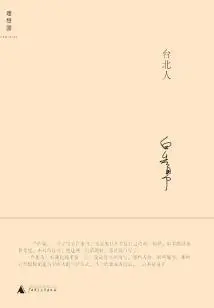
"Taipei People" by Bai Xianyong is a deeply complex work. This book consists of fourteen short stories, each with different writing techniques and different lengths. Each story can stand on its own and can be regarded as a first-class short story. But the fourteen pieces are gathered together and connected into one, and the effect suddenly increases: not only does the novel expand in scope, allowing us to see the "all living beings" in society, but more importantly, because the theme is repeated and complements each other, we can further understand the meaning of the work, and we can get a glimpse of the author's outlook on life and the universe hidden in the work.
"Taipei People" by Bai Xianyong is a deeply complex work. This book consists of fourteen short stories, each with different writing techniques and different lengths. Each story can stand on its own and can be regarded as a first-class short story. But the fourteen pieces are gathered together and connected into one, and the effect suddenly increases: not only does the novel expand in scope, allowing us to see the "all living beings" in society, but more importantly, because the theme is repeated and complements each other, we can further understand the meaning of the work, and we can get a glimpse of the author's outlook on life and the universe hidden in the work.