Library
Browse and search books
2 novels found
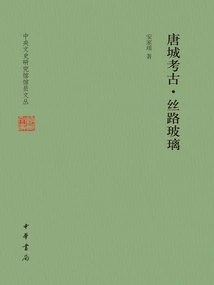
唐城考古·丝路玻璃
An Jiayao
"Tangcheng Archeology Silk Road Glass", written by An Jiayao, contains 21 of the author's main academic papers, divided into "Archaeology" and "Ancient Glass". At the end of the article are several proposals involving cultural heritage protection when the author was a member of the National Committee of the Chinese People's Political Consultative Conference. "Archaeology" contains 6 papers, most of which are the author's research experiences from the archaeological excavations of Ximing Temple, Yuanqiu, Daming Palace, and Taiye Pool in Chang'an City of the Tang Dynasty. They cover major issues related to religious temples, ritual buildings, palace buildings, etc. In the study of Chang'an City in the Sui and Tang Dynasties. "Ancient Glass" contains 15 papers. This is a research field that the author has been working on for more than 40 years. From point to surface, from micro to macro, combined with Chinese and foreign archaeological discoveries and historical documents, it summarizes the development and technological characteristics of ancient glass in my country, and proposes that "the historical east-west transportation artery is not only the Silk Road, but also the Glass Road."
"Tangcheng Archeology Silk Road Glass", written by An Jiayao, contains 21 of the author's main academic papers, divided into "Archaeology" and "Ancient Glass". At the end of the article are several proposals involving cultural heritage protection when the author was a member of the National Committee of the Chinese People's Political Consultative Conference. "Archaeology" contains 6 papers, most of which are the author's research experiences from the archaeological excavations of Ximing Temple, Yuanqiu, Daming Palace, and Taiye Pool in Chang'an City of the Tang Dynasty. They cover major issues related to religious temples, ritual buildings, palace buildings, etc. In the study of Chang'an City in the Sui and Tang Dynasties. "Ancient Glass" contains 15 papers. This is a research field that the author has been working on for more than 40 years. From point to surface, from micro to macro, combined with Chinese and foreign archaeological discoveries and historical documents, it summarizes the development and technological characteristics of ancient glass in my country, and proposes that "the historical east-west transportation artery is not only the Silk Road, but also the Glass Road."
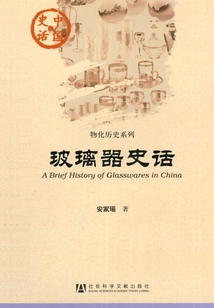
History of Glassware
History玻璃器史话
An Jiayao
Glass is one of the oldest man-made materials invented by humans with the birth of civilization. It was born in the Mesopotamia between the 25th and 23rd centuries BC and has a history of more than 4,000 years. Glass products appeared relatively late in China. The earliest unearthed glass appeared in tombs at the end of the Spring and Autumn Period and the beginning of the Warring States Period. It has a history of 2,500 years ago. Glass was once one of the most expensive materials in history. Until the 4th century BC in Western Asia, the value of glass was still on par with gold. Before the Ming Dynasty, the value of exquisite glassware was much higher than gold. At the same time, glass has been a popular trade item since its birth. People in ancient times, especially the upper class, just like today, liked novel and unique products from other places, and glassware was also one of the items they pursued. This book uses the glassware discovered by domestic archaeological discoveries in recent years as clues and combines it with documentary records to explore the occurrence and development process of ancient Chinese glass. Ancient Chinese glass is a unique style in the history of world glass. This book attempts to reflect the changes in people's aesthetics, values, and religious views in ancient Chinese society from the perspective of glassware, as well as the cultural and technological exchanges between ancient China and foreign countries.
Glass is one of the oldest man-made materials invented by humans with the birth of civilization. It was born in the Mesopotamia between the 25th and 23rd centuries BC and has a history of more than 4,000 years. Glass products appeared relatively late in China. The earliest unearthed glass appeared in tombs at the end of the Spring and Autumn Period and the beginning of the Warring States Period. It has a history of 2,500 years ago. Glass was once one of the most expensive materials in history. Until the 4th century BC in Western Asia, the value of glass was still on par with gold. Before the Ming Dynasty, the value of exquisite glassware was much higher than gold. At the same time, glass has been a popular trade item since its birth. People in ancient times, especially the upper class, just like today, liked novel and unique products from other places, and glassware was also one of the items they pursued. This book uses the glassware discovered by domestic archaeological discoveries in recent years as clues and combines it with documentary records to explore the occurrence and development process of ancient Chinese glass. Ancient Chinese glass is a unique style in the history of world glass. This book attempts to reflect the changes in people's aesthetics, values, and religious views in ancient Chinese society from the perspective of glassware, as well as the cultural and technological exchanges between ancient China and foreign countries.