Library
Browse and search books
2 novels found

The Bitter Children I Taught
Literature我教过的苦孩子
Ailing
The class crossing of poor students is a tear-jerking "hard work". A professor has tracked the poor students for nearly 20 years. In the oral form of the person involved, answer the question "Why does a poor family give birth to a noble son again?" In 1999, the university expanded its enrollment; in 2000, the university completely abolished the allocation system. Can people from poor families still change their destiny through education? The author of this book, Ai Ling, teaches at Heilongjiang Suihua College. At least one-third of the children in the school come from poor families. The author interviewed 21 graduates from 2000 to 2020, selected 56 children from poor backgrounds, and tracked their experiences and choices at key stages of life from birth to schooling, from job hunting after graduation to marriage and buying a house. How does poverty prevent them from realizing their potential more fully? What lasting psychological imprints will poverty leave, and how can we break through it? What are the differences in cognition and decision-making between people from different backgrounds? This book not only attempts to answer the above questions with the oral accounts of the persons involved, but also records their arduous crawling in the mud with emotional writing. There are no miracles, just breakthroughs one by one, accumulating certain happiness and achievements. The author calls this "struggle-and-climb effort." Almost every story touches the heart and makes people cry!
The class crossing of poor students is a tear-jerking "hard work". A professor has tracked the poor students for nearly 20 years. In the oral form of the person involved, answer the question "Why does a poor family give birth to a noble son again?" In 1999, the university expanded its enrollment; in 2000, the university completely abolished the allocation system. Can people from poor families still change their destiny through education? The author of this book, Ai Ling, teaches at Heilongjiang Suihua College. At least one-third of the children in the school come from poor families. The author interviewed 21 graduates from 2000 to 2020, selected 56 children from poor backgrounds, and tracked their experiences and choices at key stages of life from birth to schooling, from job hunting after graduation to marriage and buying a house. How does poverty prevent them from realizing their potential more fully? What lasting psychological imprints will poverty leave, and how can we break through it? What are the differences in cognition and decision-making between people from different backgrounds? This book not only attempts to answer the above questions with the oral accounts of the persons involved, but also records their arduous crawling in the mud with emotional writing. There are no miracles, just breakthroughs one by one, accumulating certain happiness and achievements. The author calls this "struggle-and-climb effort." Almost every story touches the heart and makes people cry!
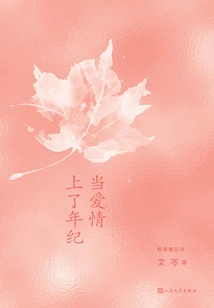
When Love Gets Old
Literature当爱情上了年纪
Ailing
What will love look like when it gets older? How should we deal with the past when it comes uninvited like a dog? Is it unsightly to see a piece of tea soaked in time for decades? This collection of essays records writer Ai Ling's unique discoveries and feelings about the world, with sincerity and warmth revealed between the lines. After walking in the world for fifty years, she has both the keenness of a middle-aged woman and the eyes of a child, which allows her to often discover the absurdity of social life and feel grateful at the same time.
What will love look like when it gets older? How should we deal with the past when it comes uninvited like a dog? Is it unsightly to see a piece of tea soaked in time for decades? This collection of essays records writer Ai Ling's unique discoveries and feelings about the world, with sincerity and warmth revealed between the lines. After walking in the world for fifty years, she has both the keenness of a middle-aged woman and the eyes of a child, which allows her to often discover the absurdity of social life and feel grateful at the same time.