Library
Browse and search books
374 novels found
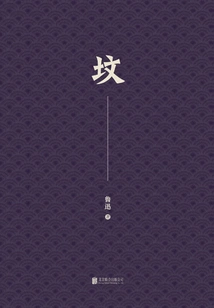
There is a Library: Grave
Literature有间文库:坟
Lu Xun
"The Grave" is a collection of essays by Lu Xun, including "On the Fall of Leifeng Pagoda", "On the Slowdown of Fairplay", "What Happened to Nora After Leaving", "On "Fuck!"", "On Cultural Partiality", "From Beard to Teeth", "Widowism" and other twenty-four articles. These essays were written between 1907 and 1925. In these essays, Lu Xun prominently used historical writing, vividly cited facts, expressed his own right and wrong, pointed out current ills, argued about the past and present, and showed his revolutionary image of fighting the old forces to the end.
"The Grave" is a collection of essays by Lu Xun, including "On the Fall of Leifeng Pagoda", "On the Slowdown of Fairplay", "What Happened to Nora After Leaving", "On "Fuck!"", "On Cultural Partiality", "From Beard to Teeth", "Widowism" and other twenty-four articles. These essays were written between 1907 and 1925. In these essays, Lu Xun prominently used historical writing, vividly cited facts, expressed his own right and wrong, pointed out current ills, argued about the past and present, and showed his revolutionary image of fighting the old forces to the end.
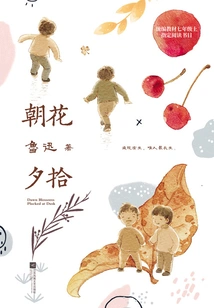
朝花夕拾
Lu Xun
This collection is a collection of Lu Xun's prose. It not only contains the complete collection of "Morning Blossoms Plucked at Dusk", but also the collection of prose poems "Wild Grass", as well as selected works of ancient and new style poems. These works carry Lu Xun's emotional experience and growth process, and are classics in modern Chinese prose.
This collection is a collection of Lu Xun's prose. It not only contains the complete collection of "Morning Blossoms Plucked at Dusk", but also the collection of prose poems "Wild Grass", as well as selected works of ancient and new style poems. These works carry Lu Xun's emotional experience and growth process, and are classics in modern Chinese prose.
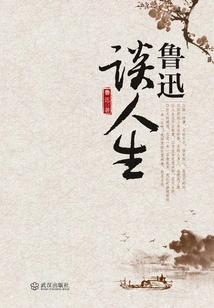
Lu Xun Talks About Life
Literature鲁迅谈人生
Lu Xun
"Lu Xun Talks about Life" selects more than 100 pieces of Lu Xun's prose, essays, letters and other works, divided into five units, comprehensively presenting the complex and grand outlook on life of a great thinker and writer. Mr. Lu Xun's diverse writing style contains his profound thinking about life and deep concern for the country and nation, embodying his full passion and innocence. These words and symbols not only served as a warning to the people at that time, but also had profound enlightenment and educational significance for future generations.
"Lu Xun Talks about Life" selects more than 100 pieces of Lu Xun's prose, essays, letters and other works, divided into five units, comprehensively presenting the complex and grand outlook on life of a great thinker and writer. Mr. Lu Xun's diverse writing style contains his profound thinking about life and deep concern for the country and nation, embodying his full passion and innocence. These words and symbols not only served as a warning to the people at that time, but also had profound enlightenment and educational significance for future generations.
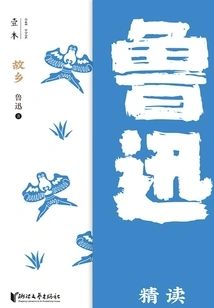
Hometown: an Intensive Reading of Lu Xun
Literature故乡:鲁迅精读
Lu Xun
This book is one of the "One Book" series. This series is a collection of masterpieces by modern and contemporary Chinese masters created for current students and young readers with the purpose of "getting to know a famous artist in one book". It breaks the boundaries of style and style, and uses a new selection form to create a new reading experience for readers: the content is informative, the reading is effective, and the form is interesting. "Hometown - Intensive Reading of Lu Xun" carefully selects Lu Xun's representative works from many works such as "The Scream", "Wandering", "New Stories", "Morning Blossoms Picked Up at Dusk", "Weeds", etc., Such as "Diary of a Madman", "Kong Yiji", "Ah Q Zheng" "Biography", "From Baicao Garden", "Ah Chang Yu", "Hope", "Have Chinese People Lost Self-Confidence", etc. The genres cover novels, prose, prose poems, essays, poems, etc. Many of their works have been selected into Chinese teaching materials for primary and secondary schools.
This book is one of the "One Book" series. This series is a collection of masterpieces by modern and contemporary Chinese masters created for current students and young readers with the purpose of "getting to know a famous artist in one book". It breaks the boundaries of style and style, and uses a new selection form to create a new reading experience for readers: the content is informative, the reading is effective, and the form is interesting. "Hometown - Intensive Reading of Lu Xun" carefully selects Lu Xun's representative works from many works such as "The Scream", "Wandering", "New Stories", "Morning Blossoms Picked Up at Dusk", "Weeds", etc., Such as "Diary of a Madman", "Kong Yiji", "Ah Q Zheng" "Biography", "From Baicao Garden", "Ah Chang Yu", "Hope", "Have Chinese People Lost Self-Confidence", etc. The genres cover novels, prose, prose poems, essays, poems, etc. Many of their works have been selected into Chinese teaching materials for primary and secondary schools.
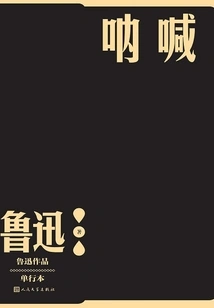
Shout
Literature呐喊
Lu Xun
"The Scream" is a collection of short stories by the modern writer Lu Xun. It includes 14 short stories written by Lu Xun from 1918 to 1922. It was first published in 1923 by Beijing Xinchao Press. The stand-alone version is a popularized reading version based on the compilation of "The Complete Works of Lu Xun". Lu Xun's works include essays, short stories, reviews, essays, and translations, which have had a profound impact on Chinese literature after the "May Fourth Movement."
"The Scream" is a collection of short stories by the modern writer Lu Xun. It includes 14 short stories written by Lu Xun from 1918 to 1922. It was first published in 1923 by Beijing Xinchao Press. The stand-alone version is a popularized reading version based on the compilation of "The Complete Works of Lu Xun". Lu Xun's works include essays, short stories, reviews, essays, and translations, which have had a profound impact on Chinese literature after the "May Fourth Movement."
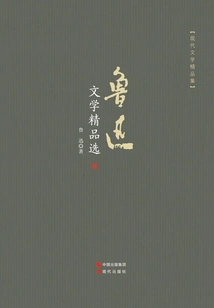
Selected Works of Lu Xun's Literature
Literature鲁迅文学精品选
Lu Xun
This book selects some of Mr. Lu Xun's classic works, including 20 classic novels including "Diary of a Madman", "Kong Yiji" and "The True Story of Ah Q", 11 prose works including "Snow" and "From Baicao Garden to Sanwei Bookstore", and some poems.
This book selects some of Mr. Lu Xun's classic works, including 20 classic novels including "Diary of a Madman", "Kong Yiji" and "The True Story of Ah Q", 11 prose works including "Snow" and "From Baicao Garden to Sanwei Bookstore", and some poems.
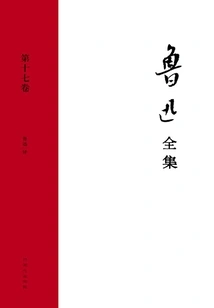
The Complete Works of Lu Xun (volume 17)
Literature鲁迅全集(第十七卷)
Lu Xun
In October 1936, Mr. Lu Xun passed away in Shanghai. Mr. Lu Xun's Memorial Committee compiled and printed the first edition of "The Complete Works of Lu Xun" after Lu Xun's death in order to "expand the influence of Lu Xun's spirit, awaken the soul of the country, and strive for light." "The Complete Works" is edited and edited by the Lu Xun Memorial Committee chaired by Cai Yuanpei. The editorial members include Cai Yuanpei, Ma Yuzao, Shen Jianshi, Mao Dun, and Zhou Zuoren. The general catalog of "The Complete Works" is based on the catalog of writings personally designated by Lu Xun, with the addition of translations, and strives to have roughly the same number of words in each volume. The whole book is roughly divided into three parts: creation, editing of ancient books, and translation. The contents of each part are arranged in chronological order. The book has a total of more than six million words and is divided into twenty volumes. It was officially published and distributed in June 1938. This publication is based on the 1938 edition of "The Complete Works of Lu Xun". During the editing process, try to retain the original style as much as possible. The content and layout of the book are the same as the original version.
In October 1936, Mr. Lu Xun passed away in Shanghai. Mr. Lu Xun's Memorial Committee compiled and printed the first edition of "The Complete Works of Lu Xun" after Lu Xun's death in order to "expand the influence of Lu Xun's spirit, awaken the soul of the country, and strive for light." "The Complete Works" is edited and edited by the Lu Xun Memorial Committee chaired by Cai Yuanpei. The editorial members include Cai Yuanpei, Ma Yuzao, Shen Jianshi, Mao Dun, and Zhou Zuoren. The general catalog of "The Complete Works" is based on the catalog of writings personally designated by Lu Xun, with the addition of translations, and strives to have roughly the same number of words in each volume. The whole book is roughly divided into three parts: creation, editing of ancient books, and translation. The contents of each part are arranged in chronological order. The book has a total of more than six million words and is divided into twenty volumes. It was officially published and distributed in June 1938. This publication is based on the 1938 edition of "The Complete Works of Lu Xun". During the editing process, try to retain the original style as much as possible. The content and layout of the book are the same as the original version.
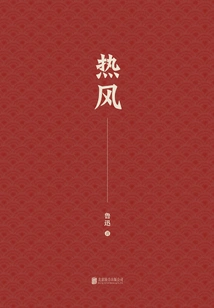
Youjian Bunko: Hot Wind
Literature有间文库:热风
Lu Xun
"Hot Wind" contains forty-one essays written by the author from 1918 to 1924. Lu Xun made some short comments in the "Reflections" of "New Youth" in the previous year. Because most of the comments he made were minor issues, they were insignificant and the reasons were mostly forgotten. But as far as the current text appears, apart from a few general comments, some of them are about supporting the si, sitting quietly, and boxing; some are about the so-called "preserving the national essence"; some are about the old bureaucrats at that time who were proud of their experience; some are about the caricatures of the Shanghai Times. I remember that at that time, "New Youth" was under attack from all sides, and Lu Xun could only deal with a small part of it.
"Hot Wind" contains forty-one essays written by the author from 1918 to 1924. Lu Xun made some short comments in the "Reflections" of "New Youth" in the previous year. Because most of the comments he made were minor issues, they were insignificant and the reasons were mostly forgotten. But as far as the current text appears, apart from a few general comments, some of them are about supporting the si, sitting quietly, and boxing; some are about the so-called "preserving the national essence"; some are about the old bureaucrats at that time who were proud of their experience; some are about the caricatures of the Shanghai Times. I remember that at that time, "New Youth" was under attack from all sides, and Lu Xun could only deal with a small part of it.
Lu Xun's Diary (three Volumes)
Literature鲁迅日记(全三册)
Lu Xun
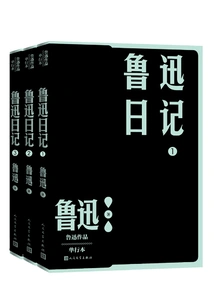
Lu Xun's Diary, a total of three volumes, contains the diary written by the author from May 5, 1912 to October 18, 1936. These diaries were not published during the author's lifetime.
Lu Xun's Diary, a total of three volumes, contains the diary written by the author from May 5, 1912 to October 18, 1936. These diaries were not published during the author's lifetime.
而已集(鲁迅作品 单行本)
Lu Xun
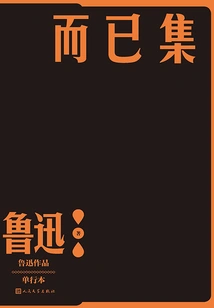
"Ji Ji Ji" contains 29 essays written by Lu Xun in 1927 and was published in 1928. Faced with the reactionary warlords' massacre of revolutionaries and progressives, Mr. Lu Xun was both resentful and powerless. "In the past six months, I have seen a lot of blood and a lot of tears, but I only have mixed feelings. The tears have dried, the blood has disappeared, and the butchers are free and easy again, some with steel knives, some with soft knives. But I only have 'mixed feelings'. When even the 'mixed feelings' have been 'put where they should go,' I can only say 'nothing more.'"
"Ji Ji Ji" contains 29 essays written by Lu Xun in 1927 and was published in 1928. Faced with the reactionary warlords' massacre of revolutionaries and progressives, Mr. Lu Xun was both resentful and powerless. "In the past six months, I have seen a lot of blood and a lot of tears, but I only have mixed feelings. The tears have dried, the blood has disappeared, and the butchers are free and easy again, some with steel knives, some with soft knives. But I only have 'mixed feelings'. When even the 'mixed feelings' have been 'put where they should go,' I can only say 'nothing more.'"
Youjian Library: Huagai Collection
Literature有间文库:华盖集
Lu Xun
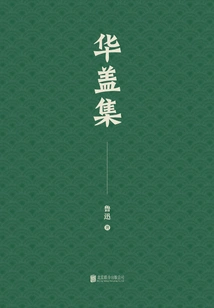
"Huagai Collection" is a collection of essays by Lu Xun. It contains thirty-one essays written by Lu Xun in 1925. It is a work that fights against feudalism and the cultural thoughts of foreign slaves and compradors. Its sharp point has shifted from extensive social criticism to fierce political struggle, and it has played a major role in awakening the people of the country.
"Huagai Collection" is a collection of essays by Lu Xun. It contains thirty-one essays written by Lu Xun in 1925. It is a work that fights against feudalism and the cultural thoughts of foreign slaves and compradors. Its sharp point has shifted from extensive social criticism to fierce political struggle, and it has played a major role in awakening the people of the country.
朝花夕拾
Lu Xun
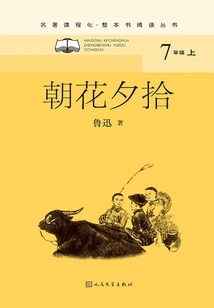
"Morning Blossoms Plucked at Dusk" is one of Mr. Lu Xun's most important prose collections and enjoys a high reputation in the history of modern Chinese prose. It contains a total of twelve works including "From Baicao Garden to Sanwei Bookstore", which describes the author's childhood life and study process in his youth, expresses his nostalgia for his former relatives, friends and teachers, and mocks the reactionary and conservative forces in the narration and discussion. This book is a beautiful prose treasure based on memories and written with skillful literary techniques. It has been loved by generations of readers, especially young readers and young readers. This time it was published in the "Course-Based Classics·Whole Book Reading Series". One book is equipped with illustrations by famous writers such as Feng Zikai, and the second book is designed by inviting famous teachers to design a curriculum-based whole book reading. The purpose is to provide necessary guidance for primary and secondary school students' reading and help children solve the problems of unwillingness to read, inability to read, and inability to read in the actual reading process.
"Morning Blossoms Plucked at Dusk" is one of Mr. Lu Xun's most important prose collections and enjoys a high reputation in the history of modern Chinese prose. It contains a total of twelve works including "From Baicao Garden to Sanwei Bookstore", which describes the author's childhood life and study process in his youth, expresses his nostalgia for his former relatives, friends and teachers, and mocks the reactionary and conservative forces in the narration and discussion. This book is a beautiful prose treasure based on memories and written with skillful literary techniques. It has been loved by generations of readers, especially young readers and young readers. This time it was published in the "Course-Based Classics·Whole Book Reading Series". One book is equipped with illustrations by famous writers such as Feng Zikai, and the second book is designed by inviting famous teachers to design a curriculum-based whole book reading. The purpose is to provide necessary guidance for primary and secondary school students' reading and help children solve the problems of unwillingness to read, inability to read, and inability to read in the actual reading process.
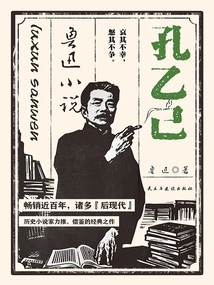
Kong Yiji
Literature孔乙己
Lu Xun
The novel describes the tragic image of Kong Yiji, who was poisoned by the decadent feudal ideas and the imperial examination system. He was mentally pedantic and insensitive, inactive in life, and impoverished. He spent his days in people's ridicule and banter, and was finally swallowed up by the feudal landlord class. The article is not long, but it profoundly exposes the poison of the imperial examination system to the spirit of intellectuals at that time and the "cannibalistic" nature of the feudal system. This book also collects two works of Lu Xun, "Huagai Collection" and "Huagai Collection Sequel".
The novel describes the tragic image of Kong Yiji, who was poisoned by the decadent feudal ideas and the imperial examination system. He was mentally pedantic and insensitive, inactive in life, and impoverished. He spent his days in people's ridicule and banter, and was finally swallowed up by the feudal landlord class. The article is not long, but it profoundly exposes the poison of the imperial examination system to the spirit of intellectuals at that time and the "cannibalistic" nature of the feudal system. This book also collects two works of Lu Xun, "Huagai Collection" and "Huagai Collection Sequel".
The Final Edition of Qiejieting's Essays
Literature且介亭杂文末编
Lu Xun
"The Final Collection of Qiejieting Essays" is a collection of essays by Lu Xun, which contains 35 essays written by Lu Xun in 1936. The single volume of "The Complete Works of Lu Xun" is a popularized reading version based on the compilation of "The Complete Works of Lu Xun". Lu Xun's works include essays, short stories, reviews, essays, and translations, which have had a profound impact on Chinese literature after the "May Fourth Movement."
"The Final Collection of Qiejieting Essays" is a collection of essays by Lu Xun, which contains 35 essays written by Lu Xun in 1936. The single volume of "The Complete Works of Lu Xun" is a popularized reading version based on the compilation of "The Complete Works of Lu Xun". Lu Xun's works include essays, short stories, reviews, essays, and translations, which have had a profound impact on Chinese literature after the "May Fourth Movement."
Selected Short Stories of Lu Xun
Literature鲁迅短篇小说选
Lu Xun
Lu Xun (1881-1936), whose original name was Zhou Zhangshou, later changed his name to Zhou Shuren, whose courtesy name was Yushan, and later changed to Hecai. "Lu Xun" was the pen name he used when he published "Diary of a Madman" in 1918. It was also his most influential pen name. He was a native of Shaoxing, Zhejiang Province. Famous writer and thinker, important participant in the May 4th New Culture Movement, and the founder of modern Chinese literature. Comrade Mao Zedong once commented: "The direction of Lu Xun is the direction of the new culture of the Chinese nation."
Lu Xun (1881-1936), whose original name was Zhou Zhangshou, later changed his name to Zhou Shuren, whose courtesy name was Yushan, and later changed to Hecai. "Lu Xun" was the pen name he used when he published "Diary of a Madman" in 1918. It was also his most influential pen name. He was a native of Shaoxing, Zhejiang Province. Famous writer and thinker, important participant in the May 4th New Culture Movement, and the founder of modern Chinese literature. Comrade Mao Zedong once commented: "The direction of Lu Xun is the direction of the new culture of the Chinese nation."
Collection Outside the Collection
Literature集外集拾遗
Lu Xun
Collected Works of Lu Xun. A total of 126 articles were collected, written between 1903 and 1936, including all works collected at that time that had not been included in various collections.
Collected Works of Lu Xun. A total of 126 articles were collected, written between 1903 and 1936, including all works collected at that time that had not been included in various collections.
There is Truth in What You Say
Literature话亦有道
Lu Xun
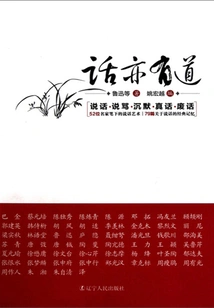
When compiling such a book, the copyright of the articles is an unavoidable issue, although we should say that we have tried our best for this: we contacted and obtained Zhou Zuoren, Tang Yue, Zhang Shenfu, Ye Shengtao, Feng Youlan, Chen Yuan, Pan Guangdan, Wang Li, Zhang Kebiao, Hu Feng, Liang Shiqiu, Nie Gannu, Qian Gechuan, Ba Jin, Shao Xun The permission and support of the descendants, relatives and copyright agents of Mei, Zhang Zhongxing, Lini, Ji Xianlin, Deng Tuo, Jin Kemu and other predecessors. What is especially rare is that senior Zhou Youguang, who is already 105 years old, asked us to "use" his article "Good at Speech" over the phone. We also wish Mr. Zhou a long and healthy life. However, there are still some copyright heirs of the authors' works that we have not been able to contact. Here, we sincerely hope that you can contact us. We have prepared the royalties and sample books. More importantly, with your contact and encouragement, the publication of such a book can be complete.
When compiling such a book, the copyright of the articles is an unavoidable issue, although we should say that we have tried our best for this: we contacted and obtained Zhou Zuoren, Tang Yue, Zhang Shenfu, Ye Shengtao, Feng Youlan, Chen Yuan, Pan Guangdan, Wang Li, Zhang Kebiao, Hu Feng, Liang Shiqiu, Nie Gannu, Qian Gechuan, Ba Jin, Shao Xun The permission and support of the descendants, relatives and copyright agents of Mei, Zhang Zhongxing, Lini, Ji Xianlin, Deng Tuo, Jin Kemu and other predecessors. What is especially rare is that senior Zhou Youguang, who is already 105 years old, asked us to "use" his article "Good at Speech" over the phone. We also wish Mr. Zhou a long and healthy life. However, there are still some copyright heirs of the authors' works that we have not been able to contact. Here, we sincerely hope that you can contact us. We have prepared the royalties and sample books. More importantly, with your contact and encouragement, the publication of such a book can be complete.
鲁迅:我以我血荐轩辕
Lu Xun
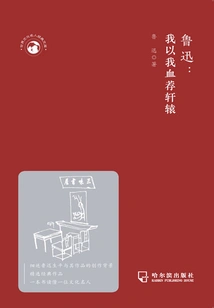
This book is a selected collection of Lu Xun's works. In addition to Lu Xun's classic essays and novels, it also contains a summary of Lu Xun's life and works as a postscript. In this way, readers can understand the essence of Lu Xun's thoughts. By substituting these essences into his sharp words, we can see the darker humorous side of Lu Xun.
This book is a selected collection of Lu Xun's works. In addition to Lu Xun's classic essays and novels, it also contains a summary of Lu Xun's life and works as a postscript. In this way, readers can understand the essence of Lu Xun's thoughts. By substituting these essences into his sharp words, we can see the darker humorous side of Lu Xun.
Complete Works of Lu Xun's Novels
Literature鲁迅小说全集
Lu Xun
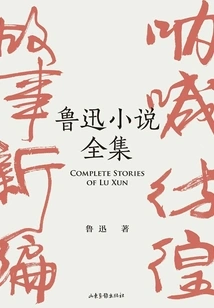
"The Complete Works of Lu Xun's Novels" contains all of Lu Xun's novels, including the novel collections "The Scream" (1923), "Wandering" (1926), "New Stories" (1936), and his debut novel "Nostalgia" published in 1913, a total of thirty-four articles. In addition, this book also includes a series of character pictures of Lu Xun's novels created by Wu Yongliang (his works were collected by Xu Guangping in the Lu Xun Museum as early as 1962), and extremely rare high-definition manuscripts of Lu Xun's novels authorized by the Lu Xun Memorial Hall.
"The Complete Works of Lu Xun's Novels" contains all of Lu Xun's novels, including the novel collections "The Scream" (1923), "Wandering" (1926), "New Stories" (1936), and his debut novel "Nostalgia" published in 1913, a total of thirty-four articles. In addition, this book also includes a series of character pictures of Lu Xun's novels created by Wu Yongliang (his works were collected by Xu Guangping in the Lu Xun Museum as early as 1962), and extremely rare high-definition manuscripts of Lu Xun's novels authorized by the Lu Xun Memorial Hall.
Wandering (illustrated Book)
Literature彷徨(插图本)
Lu Xun
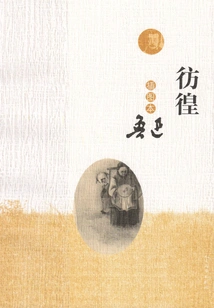
"Wandering" contains 11 novels written by Lu Xun from 1924 to 1925. It is one of the most popular collections of Lu Xun's novels in the book market. This book uses twenty-five illustrations by Zhao Ya. Because the old version has been on the market for many years, in order to adapt to market changes and enrich the book style of Lu Xun's works, we plan to redesign the cover based on the original book.
"Wandering" contains 11 novels written by Lu Xun from 1924 to 1925. It is one of the most popular collections of Lu Xun's novels in the book market. This book uses twenty-five illustrations by Zhao Ya. Because the old version has been on the market for many years, in order to adapt to market changes and enrich the book style of Lu Xun's works, we plan to redesign the cover based on the original book.
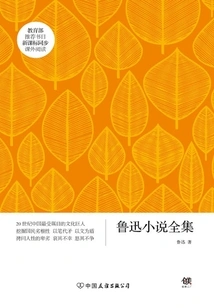
新课标:鲁迅小说全集
Lu Xun
"The Complete Works of Lu Xun's Novels" contains all of Lu Xun's novel creations, including 32 short stories and 1 novella, a total of 33 articles, which are selected from "The Scream", "Wandering" and "New Stories". These novels mostly describe the tragedies of ordinary people at the bottom of society. Lu Xun used his dagger-sharp writing style to criticize the "numb souls of the Chinese people" in the hope of warning the world. Lu Xun thus established his position in the history of modern Chinese literature.
"The Complete Works of Lu Xun's Novels" contains all of Lu Xun's novel creations, including 32 short stories and 1 novella, a total of 33 articles, which are selected from "The Scream", "Wandering" and "New Stories". These novels mostly describe the tragedies of ordinary people at the bottom of society. Lu Xun used his dagger-sharp writing style to criticize the "numb souls of the Chinese people" in the hope of warning the world. Lu Xun thus established his position in the history of modern Chinese literature.
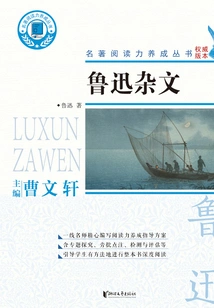
Lu Xun's Essays
Literature鲁迅杂文
Lu Xun
This book is a collection of Lu Xun's representative essays. It not only includes "Have Chinese People Lost Their Self-Confidence", "Usageism", "In Memory of Mr. Liu Hezhen" and other articles that have been selected as Chinese textbooks, but also includes dozens of classic works that young students should know and read, such as "Rediscussing the Fall of Leifeng Pagoda" and "On Fairplay Should be Suspended". Lu Xun wrote a large number of essays throughout his life. Starting from "civilization criticism and social criticism", he set up a rare monument in the history of modern Chinese thought and literature. Lu Xun's essays are good at analysis, and with their highly rigorous arguments, they can always explain the truth to the point and in depth in a limited space, so they are highly persuasive. At the same time, Lu Xun's essays are particularly good at using satire, refining and exaggerating things that are blatant, common, unsurprising, but unreasonable in society, and giving them bitter satire, making his essays very emotional and powerful, and can often kill powerful enemies. Lu Xun also often used allusions or stories of his own creation to discuss abstract principles with concrete and vivid examples.
This book is a collection of Lu Xun's representative essays. It not only includes "Have Chinese People Lost Their Self-Confidence", "Usageism", "In Memory of Mr. Liu Hezhen" and other articles that have been selected as Chinese textbooks, but also includes dozens of classic works that young students should know and read, such as "Rediscussing the Fall of Leifeng Pagoda" and "On Fairplay Should be Suspended". Lu Xun wrote a large number of essays throughout his life. Starting from "civilization criticism and social criticism", he set up a rare monument in the history of modern Chinese thought and literature. Lu Xun's essays are good at analysis, and with their highly rigorous arguments, they can always explain the truth to the point and in depth in a limited space, so they are highly persuasive. At the same time, Lu Xun's essays are particularly good at using satire, refining and exaggerating things that are blatant, common, unsurprising, but unreasonable in society, and giving them bitter satire, making his essays very emotional and powerful, and can often kill powerful enemies. Lu Xun also often used allusions or stories of his own creation to discuss abstract principles with concrete and vivid examples.
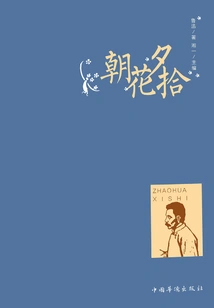
朝花夕拾
Lu Xun
"Morning Blossoms Plucked at Dusk" is a collection of essays written by Lu Xun in his creative career, including ten essays. The first five articles were written in Beijing, and the last five articles were written in Xiamen. According to Lu Xun's own words, these ten essays are "notes of memories", which relatively completely record his life experience and ideological context from childhood to youth, and vividly paint a picture of the social landscape of the late Qing Dynasty and the early Ming Dynasty.
"Morning Blossoms Plucked at Dusk" is a collection of essays written by Lu Xun in his creative career, including ten essays. The first five articles were written in Beijing, and the last five articles were written in Xiamen. According to Lu Xun's own words, these ten essays are "notes of memories", which relatively completely record his life experience and ideological context from childhood to youth, and vividly paint a picture of the social landscape of the late Qing Dynasty and the early Ming Dynasty.
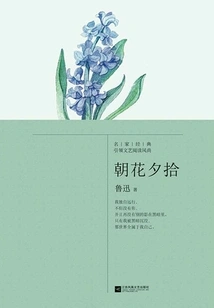
朝花夕拾
Lu Xun
This book is a collection of Mr. Lu Xun's well-known memoirs. It relatively completely records his life experience and ideological context from childhood to youth. It vividly depicts a picture of the social landscape in the late Qing Dynasty and the early Republic of China. It is an important material for studying Mr. Lu Xun's early thoughts and life. While creating some distinctive characters, it also integrates these memories into rational thinking, making it a warm and rewarding read. These works, with profound and meaningful writing style, are classics in modern Chinese prose.
This book is a collection of Mr. Lu Xun's well-known memoirs. It relatively completely records his life experience and ideological context from childhood to youth. It vividly depicts a picture of the social landscape in the late Qing Dynasty and the early Republic of China. It is an important material for studying Mr. Lu Xun's early thoughts and life. While creating some distinctive characters, it also integrates these memories into rational thinking, making it a warm and rewarding read. These works, with profound and meaningful writing style, are classics in modern Chinese prose.
朝花夕拾
Lu Xun
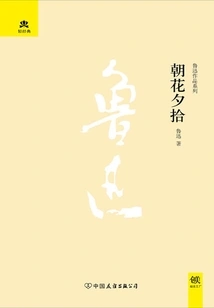
"Morning Blossoms Plucked at Dusk" is a collection of Lu Xun's retrospective essays. It is a well-known collection of essays, a must-read collection, and a collection of essays that is like a good teacher and helpful friend. Although "Morning Blossoms Plucked at Dusk" is not just written for children, it also writes many things about children, which makes it interesting to read. And as we grow older, we can always read different flavors from it. This is the charm of Lu Xun's works. This book is Lu Xun's recollection of different life experiences in his childhood, adolescence and youth.
"Morning Blossoms Plucked at Dusk" is a collection of Lu Xun's retrospective essays. It is a well-known collection of essays, a must-read collection, and a collection of essays that is like a good teacher and helpful friend. Although "Morning Blossoms Plucked at Dusk" is not just written for children, it also writes many things about children, which makes it interesting to read. And as we grow older, we can always read different flavors from it. This is the charm of Lu Xun's works. This book is Lu Xun's recollection of different life experiences in his childhood, adolescence and youth.
New Story
Literature故事新编
Lu Xun
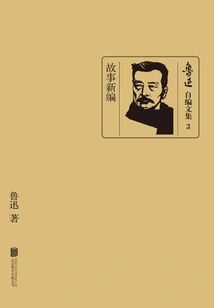
"New Stories" is a collection of short stories written by Mr. Lu Xun based on ancient myths and historical legends. It includes 8 works written by him in different periods. The language of these works adheres to Mr. Lu Xun's consistent writing style, which is humorous, tactful and satirical. Although the content of the story comes from history, it only uses a little reason. After the author touches it at will, what is displayed in front of us is a wonderful and interesting picture.
"New Stories" is a collection of short stories written by Mr. Lu Xun based on ancient myths and historical legends. It includes 8 works written by him in different periods. The language of these works adheres to Mr. Lu Xun's consistent writing style, which is humorous, tactful and satirical. Although the content of the story comes from history, it only uses a little reason. After the author touches it at will, what is displayed in front of us is a wonderful and interesting picture.
朝花夕拾
Lu Xun
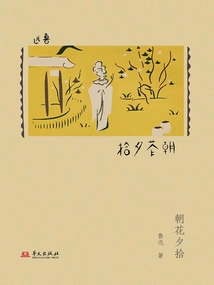
"Morning Blossoms Plucked at Dusk" is a collection of retrospective essays by Mr. Lu Xun, reviewing the unforgettable people and events in his childhood and youth. In Mr. Lu Xun's own words, "Morning Blossoms Plucked at Dusk" "was copied from memory." The book contains both childlike interest and warmth, as well as satire and criticism. It has been a best-seller ever since it was published by Weiming Publishing House in 1928. This publication is based on the first edition of Weiming Society in 1928. It follows the original text, proofreads it word for word, and strives to restore the cover of the first edition, in order to share with readers the elegance and agility of nearly a century ago and pay tribute to the classic.
"Morning Blossoms Plucked at Dusk" is a collection of retrospective essays by Mr. Lu Xun, reviewing the unforgettable people and events in his childhood and youth. In Mr. Lu Xun's own words, "Morning Blossoms Plucked at Dusk" "was copied from memory." The book contains both childlike interest and warmth, as well as satire and criticism. It has been a best-seller ever since it was published by Weiming Publishing House in 1928. This publication is based on the first edition of Weiming Society in 1928. It follows the original text, proofreads it word for word, and strives to restore the cover of the first edition, in order to share with readers the elegance and agility of nearly a century ago and pay tribute to the classic.
Collection of Lu Xun's Essays (part 2)
Literature鲁迅杂文集(下)
Lu Xun
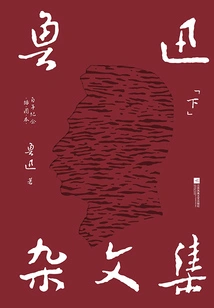
"Collected Essays of Lu Xun" is an essay in the "My Silence Is Deafening" series of selected works of Lu Xun. The selected essays in this book are edited by referring to the 1936 edition of "The Complete Works of Lu Xun" (first edition) and the November 2005 edition of "The Complete Works of Lu Xun" published by People's Literature Publishing House. In order to retain the essence of the original work to the greatest extent, the Tongjia characters and Lu Xun's customary characters throughout the book are still completely retained. Other foreign names, place names, etc. Also retain their original translations without modification. At the same time, in order to facilitate reading, necessary annotations are made on the names of people, places, works, important events, etc. In the book.
"Collected Essays of Lu Xun" is an essay in the "My Silence Is Deafening" series of selected works of Lu Xun. The selected essays in this book are edited by referring to the 1936 edition of "The Complete Works of Lu Xun" (first edition) and the November 2005 edition of "The Complete Works of Lu Xun" published by People's Literature Publishing House. In order to retain the essence of the original work to the greatest extent, the Tongjia characters and Lu Xun's customary characters throughout the book are still completely retained. Other foreign names, place names, etc. Also retain their original translations without modification. At the same time, in order to facilitate reading, necessary annotations are made on the names of people, places, works, important events, etc. In the book.
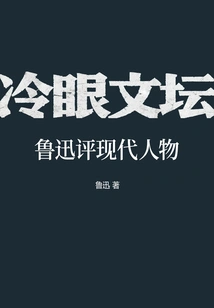
冷眼文坛:鲁迅评现代人物
Lu Xun
Lu Xun's character commentary has unique "archaeological" qualities. He is like an ideological physician holding a scalpel, always able to accurately cut through the surface of a character and get straight to the spiritual core. Regarding Sun Yat-sen, what he saw was not the deified "Father of the Nation" but the essential existence of "the eternal revolutionary"; in his commentary on Taiyan, he deplored his life path of retreating from a revolutionary to a scholar, but still regarded his "achievements in the history of revolution" as his position; regarding Cai Yuanpei, he had both a cold judgment of a "puppet" and a warm description of "nostalgia for old acquaintances." This dual style of writing that both tears away pretense and retains warmth constitutes the unique tension of Lu Xun's style of character criticism. This book specially collects Lu Xun's different evaluations of the same character, aiming to show the complex aspects of his thoughts. Readers can see not only his admiration for Chen Duxiu as the standard bearer of the New Culture Movement, but also his reservations about his political choices; both recognition of Hu Shi's academic status and more criticism of his political tendencies. These seemingly contradictory expressions exactly constitute Lu Xun's three-dimensional cognitive picture.
Lu Xun's character commentary has unique "archaeological" qualities. He is like an ideological physician holding a scalpel, always able to accurately cut through the surface of a character and get straight to the spiritual core. Regarding Sun Yat-sen, what he saw was not the deified "Father of the Nation" but the essential existence of "the eternal revolutionary"; in his commentary on Taiyan, he deplored his life path of retreating from a revolutionary to a scholar, but still regarded his "achievements in the history of revolution" as his position; regarding Cai Yuanpei, he had both a cold judgment of a "puppet" and a warm description of "nostalgia for old acquaintances." This dual style of writing that both tears away pretense and retains warmth constitutes the unique tension of Lu Xun's style of character criticism. This book specially collects Lu Xun's different evaluations of the same character, aiming to show the complex aspects of his thoughts. Readers can see not only his admiration for Chen Duxiu as the standard bearer of the New Culture Movement, but also his reservations about his political choices; both recognition of Hu Shi's academic status and more criticism of his political tendencies. These seemingly contradictory expressions exactly constitute Lu Xun's three-dimensional cognitive picture.
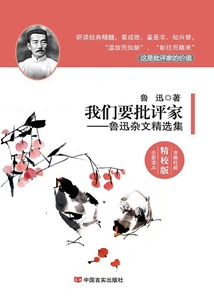
我们要批评家:鲁迅杂文精选集
Lu Xun
Essays, also called "miscellaneous feelings" or "short comments" by Lu Xun, have existed in China since ancient times, and the rise, development and prosperity of modern essays are inseparable from Lu Xun's name. The content of Lu Xun's essays is all-encompassing. In his essays, he freely described the world, described his experiences, commented on personnel affairs, and expressed his emotions. With the help of essays, he completed the mission of ideological enlightenment and resistance to reality. With his broad and profound ideological connotation and unique and perfect artistic form, he opened up a new world of essays. This book draws on the best of Lu Xun's essays, which are of great literary and ideological value.
Essays, also called "miscellaneous feelings" or "short comments" by Lu Xun, have existed in China since ancient times, and the rise, development and prosperity of modern essays are inseparable from Lu Xun's name. The content of Lu Xun's essays is all-encompassing. In his essays, he freely described the world, described his experiences, commented on personnel affairs, and expressed his emotions. With the help of essays, he completed the mission of ideological enlightenment and resistance to reality. With his broad and profound ideological connotation and unique and perfect artistic form, he opened up a new world of essays. This book draws on the best of Lu Xun's essays, which are of great literary and ideological value.
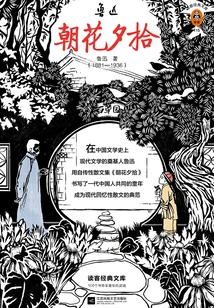
朝花夕拾
Lu Xun
A must-read for seventh-grade students in the new Chinese language curriculum, a representative work of prose by the founder of modern literature! Who hasn't been naughty and troublesome? Lu Xun was also a master at catching sparrows and crickets! In the history of Chinese literature, Lu Xun, the founder of modern literature, wrote the common childhood memories of a generation of Chinese people in his collection of autobiographical essays "Picking Up Flowers in the Morning and Dusk", which became a model of modern recall prose! The all-powerful cultural giant of the 20th century! To read Chinese literature, you have to read Lu Xun, and to read Lu Xun, you have to read "Morning Blossoms Plucked at Evening". Feel the real image of Lu Xun in "Morning Blossoms Plucked at Evening"! 1:1 Woodcut print cover. Woodcut is Lu Xun's favorite art form! 2019 Marks the 90th anniversary of Lu Xun's promotion of woodcut art! Use Lu Xun's favorite art form to create a cover that Lu Xun himself might have loved very much! Reader's Classic Library's new print collection edition of "Morning Blossoms Plucked at Dusk": (1) Complete selections! Specially included are "The Autobiography of Lu Xun", "Weeds", "Self-titled Portrait", Xiao Hong's "Memories of Mr. Lu Xun" (2) 1:1 woodcut print cover by a specially invited print artist (3) 10 original and exquisite ink-style illustrations, presenting vivid childhood memories (4) Carefully designed illustrated book of childhood items "Blooms Picked Up at Morning and Dusk". "Morning Blossoms Gathered at Dusk" is a classic prose work by Lu Xun recalling his childhood memories. It is a masterpiece of childhood in China's agricultural era and a common childhood for Chinese people: playing in mud, picking mulberries, watching centipedes, enjoying the shade under a big tree, listening to stories, eating water chestnuts, watching temple fairs... You will definitely be able to see your own childhood in "Morning Blossoms Gathered at Dusk"!
A must-read for seventh-grade students in the new Chinese language curriculum, a representative work of prose by the founder of modern literature! Who hasn't been naughty and troublesome? Lu Xun was also a master at catching sparrows and crickets! In the history of Chinese literature, Lu Xun, the founder of modern literature, wrote the common childhood memories of a generation of Chinese people in his collection of autobiographical essays "Picking Up Flowers in the Morning and Dusk", which became a model of modern recall prose! The all-powerful cultural giant of the 20th century! To read Chinese literature, you have to read Lu Xun, and to read Lu Xun, you have to read "Morning Blossoms Plucked at Evening". Feel the real image of Lu Xun in "Morning Blossoms Plucked at Evening"! 1:1 Woodcut print cover. Woodcut is Lu Xun's favorite art form! 2019 Marks the 90th anniversary of Lu Xun's promotion of woodcut art! Use Lu Xun's favorite art form to create a cover that Lu Xun himself might have loved very much! Reader's Classic Library's new print collection edition of "Morning Blossoms Plucked at Dusk": (1) Complete selections! Specially included are "The Autobiography of Lu Xun", "Weeds", "Self-titled Portrait", Xiao Hong's "Memories of Mr. Lu Xun" (2) 1:1 woodcut print cover by a specially invited print artist (3) 10 original and exquisite ink-style illustrations, presenting vivid childhood memories (4) Carefully designed illustrated book of childhood items "Blooms Picked Up at Morning and Dusk". "Morning Blossoms Gathered at Dusk" is a classic prose work by Lu Xun recalling his childhood memories. It is a masterpiece of childhood in China's agricultural era and a common childhood for Chinese people: playing in mud, picking mulberries, watching centipedes, enjoying the shade under a big tree, listening to stories, eating water chestnuts, watching temple fairs... You will definitely be able to see your own childhood in "Morning Blossoms Gathered at Dusk"!
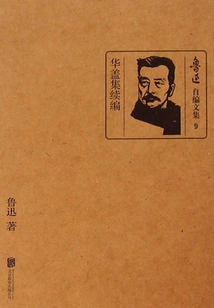
Sequel to the Huagai Collection
Literature华盖集续编
Lu Xun
In less than a full year, I have written as much mixed feelings as I did last year. Qiu Lai lives by the sea. Currently, he only sees clouds and water, and hears mostly the sound of wind and waves, almost isolated from society. If the environment hadn't changed, there probably wouldn't be any nonsense this year. When I had nothing to do under the lamp, I compiled the old manuscripts and prepared them for printing to provide to customers who wanted to read my mixed feelings.
In less than a full year, I have written as much mixed feelings as I did last year. Qiu Lai lives by the sea. Currently, he only sees clouds and water, and hears mostly the sound of wind and waves, almost isolated from society. If the environment hadn't changed, there probably wouldn't be any nonsense this year. When I had nothing to do under the lamp, I compiled the old manuscripts and prepared them for printing to provide to customers who wanted to read my mixed feelings.
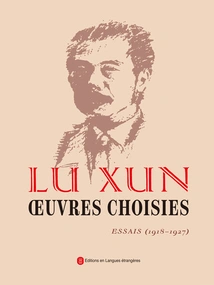
鲁迅选集·第二卷:杂文1918—1927(法文)
Lu Xun
"Selected Works of Lu Xun" (French version), a total of four volumes, selects Lu Xun's representative novels, essays, prose poems (Volume 1) and essays (Volume 2, 3, and 4) in chronological order. Essays are an important part of Lu Xun's works and have very high literary and artistic value. His essays integrate poetry and political criticism, reflecting Lu Xun's profound thoughts. The language is rich in connotation and the style is pungent and satirical, revealing the Chinese society at that time. The novels included in this book include "Diary of a Madman", "The True Story of Ah Q", the prose "Mr. Fujino", the prose poems "Autumn Night", "Passenger", etc. The collection of essays includes the famous articles "On the Fall of Leifeng Pagoda" and "In Memory of Liu Hezhen" from "Huagai Collection", "Huagai Collection Sequel" and "The Complete Collection". "Selected Works of Lu Xun" (Volume 2) collects Lu Xun's essays from 1918 to 1927.
"Selected Works of Lu Xun" (French version), a total of four volumes, selects Lu Xun's representative novels, essays, prose poems (Volume 1) and essays (Volume 2, 3, and 4) in chronological order. Essays are an important part of Lu Xun's works and have very high literary and artistic value. His essays integrate poetry and political criticism, reflecting Lu Xun's profound thoughts. The language is rich in connotation and the style is pungent and satirical, revealing the Chinese society at that time. The novels included in this book include "Diary of a Madman", "The True Story of Ah Q", the prose "Mr. Fujino", the prose poems "Autumn Night", "Passenger", etc. The collection of essays includes the famous articles "On the Fall of Leifeng Pagoda" and "In Memory of Liu Hezhen" from "Huagai Collection", "Huagai Collection Sequel" and "The Complete Collection". "Selected Works of Lu Xun" (Volume 2) collects Lu Xun's essays from 1918 to 1927.
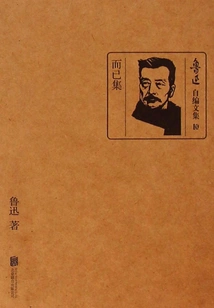
Already Collected
Literature而已集
Lu Xun
"Ji Ji Ji" is a collection of essays written by Lu Xun in 1927 and published in 1928. Faced with the reactionary warlords' massacre of revolutionaries and progressives, Mr. Lu Xun was both resentful and powerless. "In the past six months, I have seen a lot of blood and a lot of tears, but I only have mixed feelings. The tears have dried, the blood has disappeared, and the butchers are free and easy again, some with steel knives, some with soft knives. But I only have 'mixed feelings'. When even the 'mixed feelings' have been 'put where they should go,' I can only say 'nothing more.'" "Ji Ji Ji" is a collection of essays written by Lu Xun in 1927 and published in 1928. Faced with the reactionary warlords' massacre of revolutionaries and progressives, Mr. Lu Xun was both resentful and powerless. "In the past six months, I have seen a lot of blood and a lot of tears, but I only have mixed feelings. The tears have dried, the blood has disappeared, and the butchers are free and easy again, some with steel knives, some with soft knives. But I only have 'mixed feelings'. When even the 'mixed feelings' have been 'put where they should go,' I can only say 'nothing more.'"
"Ji Ji Ji" is a collection of essays written by Lu Xun in 1927 and published in 1928. Faced with the reactionary warlords' massacre of revolutionaries and progressives, Mr. Lu Xun was both resentful and powerless. "In the past six months, I have seen a lot of blood and a lot of tears, but I only have mixed feelings. The tears have dried, the blood has disappeared, and the butchers are free and easy again, some with steel knives, some with soft knives. But I only have 'mixed feelings'. When even the 'mixed feelings' have been 'put where they should go,' I can only say 'nothing more.'" "Ji Ji Ji" is a collection of essays written by Lu Xun in 1927 and published in 1928. Faced with the reactionary warlords' massacre of revolutionaries and progressives, Mr. Lu Xun was both resentful and powerless. "In the past six months, I have seen a lot of blood and a lot of tears, but I only have mixed feelings. The tears have dried, the blood has disappeared, and the butchers are free and easy again, some with steel knives, some with soft knives. But I only have 'mixed feelings'. When even the 'mixed feelings' have been 'put where they should go,' I can only say 'nothing more.'"
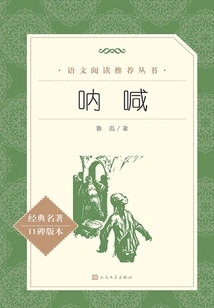
Shout
Literature呐喊
Lu Xun
"The Scream" is one of Lu Xun's most famous novel collections, including fourteen novels written from 1918 to 1922. The main ones include "Diary of a Madman", "Kong Yiji", "Medicine", "The True Story of Ah Q", "Hometown", etc. It shows the social and ideological conditions before and after the Revolution of 1911, and criticizes feudalism and national character. This time, a new edition of the new curriculum standard is published, with many illustrations by Zhao Yannian and others.
"The Scream" is one of Lu Xun's most famous novel collections, including fourteen novels written from 1918 to 1922. The main ones include "Diary of a Madman", "Kong Yiji", "Medicine", "The True Story of Ah Q", "Hometown", etc. It shows the social and ideological conditions before and after the Revolution of 1911, and criticizes feudalism and national character. This time, a new edition of the new curriculum standard is published, with many illustrations by Zhao Yannian and others.
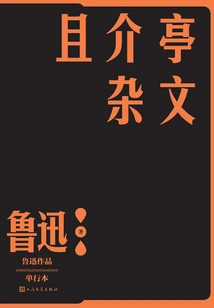
Qiejieting's Essays
Literature且介亭杂文
Lu Xun
Collected essays written in 1934 and named it "Qiejieting Essays", including 36 essays.
Collected essays written in 1934 and named it "Qiejieting Essays", including 36 essays.
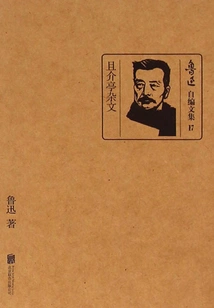
Qiejieting's Essays
Literature且介亭杂文
Lu Xun
"Qiejieting Essays" is a collection of essays by Lu Xun. This book collects thirty-six essays written by Lu Xun in 1934, including "Two or Three Things About China", "Using Doctrine", "An Eye for an Eye", "Speaking of "Face"", etc. "Qiejie" is made up of half of the word "concession", which means that only half of China's sovereignty is left. These essays are not only sophisticated in technique and rich in argumentation, but the author's application of Marxist theory has also been integrated and integrated into specific content in accordance with the characteristics of miscellany.
"Qiejieting Essays" is a collection of essays by Lu Xun. This book collects thirty-six essays written by Lu Xun in 1934, including "Two or Three Things About China", "Using Doctrine", "An Eye for an Eye", "Speaking of "Face"", etc. "Qiejie" is made up of half of the word "concession", which means that only half of China's sovereignty is left. These essays are not only sophisticated in technique and rich in argumentation, but the author's application of Marxist theory has also been integrated and integrated into specific content in accordance with the characteristics of miscellany.
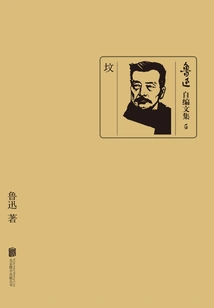
Grave
Literature坟
Lu Xun
It is compiled and selected strictly in accordance with the version chosen by Lu Xun during his lifetime, and the version is authoritative. A collection of Lu Xun's classic essays. In the essays included in "Grave", Lu Xun prominently used historical writing to vividly quote facts, express love and hate, criticize current ills, and demonstrate ancient and modern times.
It is compiled and selected strictly in accordance with the version chosen by Lu Xun during his lifetime, and the version is authoritative. A collection of Lu Xun's classic essays. In the essays included in "Grave", Lu Xun prominently used historical writing to vividly quote facts, express love and hate, criticize current ills, and demonstrate ancient and modern times.
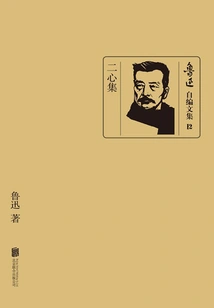
Two Hearts Collection
Literature二心集
Lu Xun
"Two Hearts Collection" is a collection of Lu Xun's essays, including thirty-seven essays written by Lu Xun from 1930 to 1931. Including "Good Governmentism", "On the Surprise of Friendships", "Bereaved" and "Capitalist's Lame Dog", "The Story of Rou Shi", "Serving the Country with Feet", etc. At the end is a translation of "Modern Film and the Property-owning Stage". "Two Hearts Collection" is a collection of Lu Xun's essays, including thirty-seven essays written by Lu Xun from 1930 to 1931. Including "Good Governmentism", "On the Surprise of Friendships", "Bereaved" and "Capitalist's Lame Dog", "The Story of Rou Shi", "Serving the Country with Feet", etc. At the end is a translation of "Modern Film and the Property-owning Stage".
"Two Hearts Collection" is a collection of Lu Xun's essays, including thirty-seven essays written by Lu Xun from 1930 to 1931. Including "Good Governmentism", "On the Surprise of Friendships", "Bereaved" and "Capitalist's Lame Dog", "The Story of Rou Shi", "Serving the Country with Feet", etc. At the end is a translation of "Modern Film and the Property-owning Stage". "Two Hearts Collection" is a collection of Lu Xun's essays, including thirty-seven essays written by Lu Xun from 1930 to 1931. Including "Good Governmentism", "On the Surprise of Friendships", "Bereaved" and "Capitalist's Lame Dog", "The Story of Rou Shi", "Serving the Country with Feet", etc. At the end is a translation of "Modern Film and the Property-owning Stage".
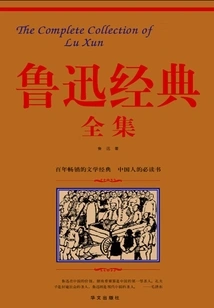
Complete Works of Lu Xun's Classics
Literature鲁迅经典全集
Lu Xun
If British literature cannot be without Shakespeare, then our nation cannot be without Lu Xun - he is the national soul of modern China.
If British literature cannot be without Shakespeare, then our nation cannot be without Lu Xun - he is the national soul of modern China.
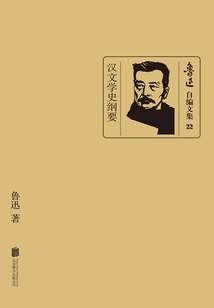
汉文学史纲要
Lu Xun
This book is a lecture notes written by Lu Xun when he was teaching the history of Chinese literature at Xiamen University in 1926. It is divided into chapters and printed one after another. The title of the book is engraved in the middle of each page. The first three chapters are "A Brief History of Chinese Literature" (or simply "History of Literature"), and the fourth to tenth chapters are all "An Outline of the History of Chinese Literature". When it was compiled into "The Complete Works of Lu Xun" and first officially published in 1938, the latter was used as the title. Since then, it has been the same in all editions, and this edition still uses it.
This book is a lecture notes written by Lu Xun when he was teaching the history of Chinese literature at Xiamen University in 1926. It is divided into chapters and printed one after another. The title of the book is engraved in the middle of each page. The first three chapters are "A Brief History of Chinese Literature" (or simply "History of Literature"), and the fourth to tenth chapters are all "An Outline of the History of Chinese Literature". When it was compiled into "The Complete Works of Lu Xun" and first officially published in 1938, the latter was used as the title. Since then, it has been the same in all editions, and this edition still uses it.
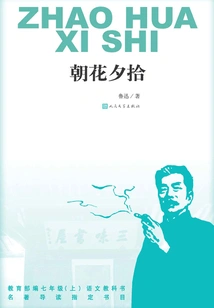
朝花夕拾
Lu Xun
This book is one of the most important collections of prose by Mr. Lu Xun and enjoys a high reputation in the history of modern Chinese prose. It contains a total of twelve works including "From Baicao Garden to Sanwei Bookstore", which describes the author's childhood life and youth study process, and expresses his nostalgia for his former relatives, friends and teachers. This book is a beautiful prose treasure based on memories and written with skillful literary techniques. It has been loved by generations of readers, especially young readers and young readers. This new edition of the new curriculum standard edition is published, with many illustrations by Feng Zikai and others, as well as several other famous works such as "Autumn Night", "Snow", and "In Memory of Liu Hezhenjun".
This book is one of the most important collections of prose by Mr. Lu Xun and enjoys a high reputation in the history of modern Chinese prose. It contains a total of twelve works including "From Baicao Garden to Sanwei Bookstore", which describes the author's childhood life and youth study process, and expresses his nostalgia for his former relatives, friends and teachers. This book is a beautiful prose treasure based on memories and written with skillful literary techniques. It has been loved by generations of readers, especially young readers and young readers. This new edition of the new curriculum standard edition is published, with many illustrations by Feng Zikai and others, as well as several other famous works such as "Autumn Night", "Snow", and "In Memory of Liu Hezhenjun".
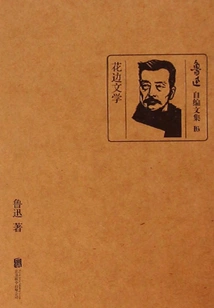
Lace Literature
Literature花边文学
Lu Xun
This book is a collection of essays written by Lu Xun in "Lace Literature" and "Pseudo Freedom Letters". "Lace Literature" contains 61 essays written by Lu Xun from January to November 1934. It was published by Shanghai Lianhua Book Company in June 1936 and reprinted in August of the same year. A total of two editions were printed during Lu Xun's lifetime. "Pseudo Free Book" contains 44 essays written by Lu Xun from January to May 1933. It was published by Shanghai Beixin Bookstore under the name of "Qingguang Bookstore" in October 1933. Lu Xun personally designed the cover. Lu Xun only printed one edition during his lifetime.
This book is a collection of essays written by Lu Xun in "Lace Literature" and "Pseudo Freedom Letters". "Lace Literature" contains 61 essays written by Lu Xun from January to November 1934. It was published by Shanghai Lianhua Book Company in June 1936 and reprinted in August of the same year. A total of two editions were printed during Lu Xun's lifetime. "Pseudo Free Book" contains 44 essays written by Lu Xun from January to May 1933. It was published by Shanghai Beixin Bookstore under the name of "Qingguang Bookstore" in October 1933. Lu Xun personally designed the cover. Lu Xun only printed one edition during his lifetime.
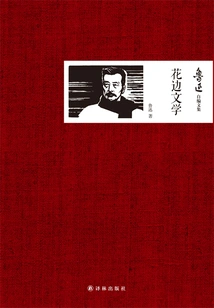
花边文学(鲁迅自编文集)
Lu Xun
"Lace Literature" is a collection of essays by Lu Xun, which contains 61 essays written by Lu Xun in 1934. Including "Women may not lie more often", "Northerners and Southerners", "The ancients were not kind", "Read a few books", "Toys", "Settling accounts", "Book reading notes", "Chinese characters and Latinization", "Three Ugly Examination Halls", "A Brief Discussion of Mei Lanfang and Others (Part 1)", etc. "Lace literature" was originally a word used by others in articles attacking Lu Xun, so Lu Xun used it to name the collection and design the cover.
"Lace Literature" is a collection of essays by Lu Xun, which contains 61 essays written by Lu Xun in 1934. Including "Women may not lie more often", "Northerners and Southerners", "The ancients were not kind", "Read a few books", "Toys", "Settling accounts", "Book reading notes", "Chinese characters and Latinization", "Three Ugly Examination Halls", "A Brief Discussion of Mei Lanfang and Others (Part 1)", etc. "Lace literature" was originally a word used by others in articles attacking Lu Xun, so Lu Xun used it to name the collection and design the cover.
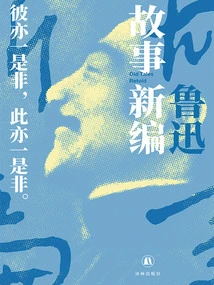
故事新编(鲁迅作品:他和他的觉醒年代)
Lu Xun
"New Stories" contains 8 novels written by Lu Xun and 1 preface. First published in 1936. The chapters include: Preface, Mending the Sky, Flying to the Moon, Managing Water, Picking Weeds, Forging Swords, Leaving Seclusion, Non-Attack, and Raising Death.
"New Stories" contains 8 novels written by Lu Xun and 1 preface. First published in 1936. The chapters include: Preface, Mending the Sky, Flying to the Moon, Managing Water, Picking Weeds, Forging Swords, Leaving Seclusion, Non-Attack, and Raising Death.
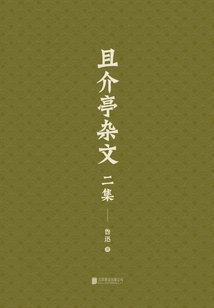
有间文库:且介亭杂文二集
Lu Xun
"Second Collection of Qiejieting Essays" consists of forty-eight essays written by the author in 1935. Lu Xun's essays absorbed the characteristics of British essays, which are short in length, hidden in the details, subtle but significant, small but big. They also drew on the "clear, simple, gorgeous, and powerful" style of Wei and Jin prose, especially inheriting the strength of Wei and Jin's articles. Miscellaneous feelings and short comments are the backbone of Lu Xun's essays, which focus on discussion and integrate the realm, image and beautiful words of poetry.
"Second Collection of Qiejieting Essays" consists of forty-eight essays written by the author in 1935. Lu Xun's essays absorbed the characteristics of British essays, which are short in length, hidden in the details, subtle but significant, small but big. They also drew on the "clear, simple, gorgeous, and powerful" style of Wei and Jin prose, especially inheriting the strength of Wei and Jin's articles. Miscellaneous feelings and short comments are the backbone of Lu Xun's essays, which focus on discussion and integrate the realm, image and beautiful words of poetry.
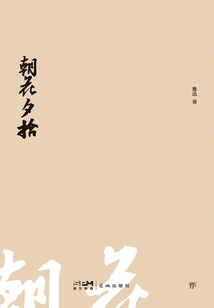
朝花夕拾
Lu Xun
"Morning Blossoms Plucked at Dusk" is a collection of reminiscence essays by Lu Xun recalling different life experiences in his childhood, adolescence and youth. As a "note of memories", this collection vividly reflects the formation of Lu Xun's character and interests. The first seven chapters reflect his childhood life in his family and private school in Shaoxing, while the last three chapters describe his experience of traveling from his hometown to Nanjing, then to Japan to study, and then back to China to teach. It reflects the difficult journey of aspiring young intellectuals in searching for light in the vast darkness of old China, despite hardships and dangers, and expresses the author's nostalgia for his former relatives, friends, and teachers.
"Morning Blossoms Plucked at Dusk" is a collection of reminiscence essays by Lu Xun recalling different life experiences in his childhood, adolescence and youth. As a "note of memories", this collection vividly reflects the formation of Lu Xun's character and interests. The first seven chapters reflect his childhood life in his family and private school in Shaoxing, while the last three chapters describe his experience of traveling from his hometown to Nanjing, then to Japan to study, and then back to China to teach. It reflects the difficult journey of aspiring young intellectuals in searching for light in the vast darkness of old China, despite hardships and dangers, and expresses the author's nostalgia for his former relatives, friends, and teachers.
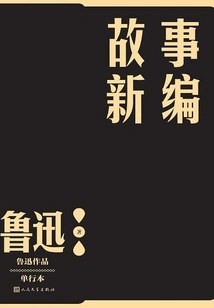
New Story
General Fiction故事新编
Lu Xun
"New Stories" is a collection of historical novels by Lu Xun, with a total of 8 articles. Mainly using mythology and Chinese history as themes, "just take a little reason and color it randomly", "intricately blend ancient and modern times", rich in imagination and quite subversive. Its contents include: mending the sky; flying to the moon; regulating water; picking weeds; forging swords, etc. Lu Xun's works include essays, short stories, reviews, essays, and translations, which have had a profound impact on Chinese literature after the "May Fourth Movement."
"New Stories" is a collection of historical novels by Lu Xun, with a total of 8 articles. Mainly using mythology and Chinese history as themes, "just take a little reason and color it randomly", "intricately blend ancient and modern times", rich in imagination and quite subversive. Its contents include: mending the sky; flying to the moon; regulating water; picking weeds; forging swords, etc. Lu Xun's works include essays, short stories, reviews, essays, and translations, which have had a profound impact on Chinese literature after the "May Fourth Movement."
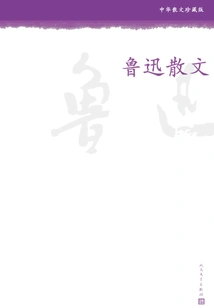
Lu Xun's Prose
Literature鲁迅散文
Lu Xun
"Chinese Prose Collector's Edition: Lu Xun's Prose" is one of the "Chinese Prose Collector's Edition" series of books. It selects more than 80 classic essays by Lu Xun, such as: "Autumn Night", "From Baicao Garden to Sanwei Bookstore", "Mr. Fujino", "On "Fair Play" Should be Suspended", etc. The selected works represent the author's style, characteristics, achievements and brilliance of prose creation in different periods. It provides a very valuable reading and appreciation model for readers, especially young readers.
"Chinese Prose Collector's Edition: Lu Xun's Prose" is one of the "Chinese Prose Collector's Edition" series of books. It selects more than 80 classic essays by Lu Xun, such as: "Autumn Night", "From Baicao Garden to Sanwei Bookstore", "Mr. Fujino", "On "Fair Play" Should be Suspended", etc. The selected works represent the author's style, characteristics, achievements and brilliance of prose creation in different periods. It provides a very valuable reading and appreciation model for readers, especially young readers.