Library
Browse and search books
374 novels found
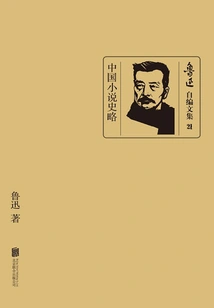
A Brief History of Chinese Novels
Literature中国小说史略
Lu Xun
This book is the first monograph on the history of Chinese novels compiled by Mr. Lu Xun. The book has a total of twenty-eight chapters, describing the occurrence, development, and evolution of ancient Chinese novels, starting from myths and legends and ending with condemnation novels in the late Qing Dynasty. This book collects a wealth of information, carefully collects and compiles it, and analyzes the thought and art of novels of all ages. It is concise and comprehensive, and its judgment is fair. It is a landmark classic work in the twentieth century.
This book is the first monograph on the history of Chinese novels compiled by Mr. Lu Xun. The book has a total of twenty-eight chapters, describing the occurrence, development, and evolution of ancient Chinese novels, starting from myths and legends and ending with condemnation novels in the late Qing Dynasty. This book collects a wealth of information, carefully collects and compiles it, and analyzes the thought and art of novels of all ages. It is concise and comprehensive, and its judgment is fair. It is a landmark classic work in the twentieth century.
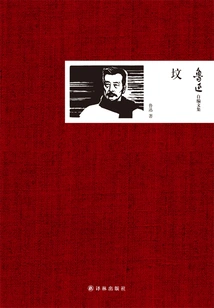
坟(鲁迅自编文集)
Lu Xun
"The Grave" is a collection of Lu Xun's essays, including "On the Fall of Leifeng Pagoda", "On the Slowdown of Fairplay", "What Happened to Nora After She Left", "On "Fuck!"", "On Cultural Partiality", "From Beard to Teeth", "Widowism" and other twenty-four articles. These essays were written between 1907 and 1925. In these essays, Lu Xun prominently used historical writing, vividly cited facts, expressed his own right and wrong, pointed out current ills, argued about the past and present, and showed his revolutionary image of fighting the old forces to the end.
"The Grave" is a collection of Lu Xun's essays, including "On the Fall of Leifeng Pagoda", "On the Slowdown of Fairplay", "What Happened to Nora After She Left", "On "Fuck!"", "On Cultural Partiality", "From Beard to Teeth", "Widowism" and other twenty-four articles. These essays were written between 1907 and 1925. In these essays, Lu Xun prominently used historical writing, vividly cited facts, expressed his own right and wrong, pointed out current ills, argued about the past and present, and showed his revolutionary image of fighting the old forces to the end.
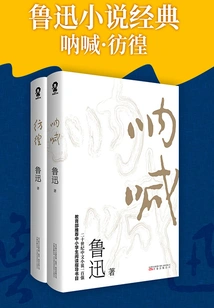
Lu Xun's Classic Novel: Scream·wandering
General Fiction鲁迅小说经典:呐喊·彷徨
Lu Xun
"The Scream" is Mr. Lu Xun's long-famous collection of novels. It is the pioneer and flagship work of modern Chinese novels. It collects fourteen novels written from 1918 to 1922, including his representative articles "Diary of a Madman", "Kong Yiji", "Medicine", "The True Story of Ah Q", "Hometown", "Social Opera", etc. "Wandering" is Mr. Lu Xun's second collection of short stories, which includes eleven short stories written between 1924 and 1925, including "Blessings", "At the Restaurant", "Happy Big Family", "Old Master Gao", "Brothers", "Sad Death", etc.
"The Scream" is Mr. Lu Xun's long-famous collection of novels. It is the pioneer and flagship work of modern Chinese novels. It collects fourteen novels written from 1918 to 1922, including his representative articles "Diary of a Madman", "Kong Yiji", "Medicine", "The True Story of Ah Q", "Hometown", "Social Opera", etc. "Wandering" is Mr. Lu Xun's second collection of short stories, which includes eleven short stories written between 1924 and 1925, including "Blessings", "At the Restaurant", "Happy Big Family", "Old Master Gao", "Brothers", "Sad Death", etc.
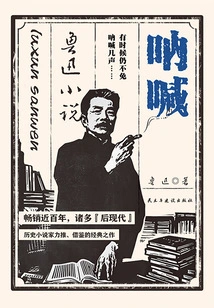
Shout
General Fiction呐喊
Lu Xun
The manuscript of this book is divided into three parts: "The Scream", "Pseudo-Freedom" and "Quasi-Feng Yue Tan (Excerpt)". Among them, "The Scream" contains 14 novels written by the author from 1918 to 1922. These novels truly depict the social life from the Revolution of 1911 to the May 4th Movement. Starting from revolutionary democracy, with the purpose of enlightenment and the spirit of humanitarianism, they reveal various deep-seated social contradictions, conduct a profound analysis and relatively complete negation of China's old system and outdated traditional concepts, and show a strong sense of worry for national survival and a strong desire for social change. "Pseudo-Freedom" contains 42 essays written by the author from January to May 1933. "Quasi Feng Yue Tan (Excerpt)" contains 8 essays written by the author in 1933.
The manuscript of this book is divided into three parts: "The Scream", "Pseudo-Freedom" and "Quasi-Feng Yue Tan (Excerpt)". Among them, "The Scream" contains 14 novels written by the author from 1918 to 1922. These novels truly depict the social life from the Revolution of 1911 to the May 4th Movement. Starting from revolutionary democracy, with the purpose of enlightenment and the spirit of humanitarianism, they reveal various deep-seated social contradictions, conduct a profound analysis and relatively complete negation of China's old system and outdated traditional concepts, and show a strong sense of worry for national survival and a strong desire for social change. "Pseudo-Freedom" contains 42 essays written by the author from January to May 1933. "Quasi Feng Yue Tan (Excerpt)" contains 8 essays written by the author in 1933.
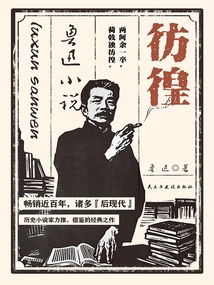
Hesitant
General Fiction彷徨
Lu Xun
"Wandering" is Lu Xun's second novel collection, which includes a total of eleven novels written from 1924 to 1925. The writing period of "Wandering" coincided with the ebb of the May Fourth Movement, and divisions occurred within the New Culture Movement camp. On the one hand, the author "felt lonely" and "desolate" because he "became a wanderer and could not form an array", but on the other hand, he "summed up past experience, looked for new comrades, and deployed new battles." "Wandering", which came out under this background, compared with his first collection of novels "The Scream", "Although the technology is better than before, the thoughts seem to be less restrained, but the will to fight is much colder." "Wandering" is full of concern for the peasants and intellectuals living under the heavy pressure of feudal forces who "sorrow for their misfortune" and "are angry for not fighting". The artistic techniques of "Wandering" are "sophisticated" - the profound and broad historical picture; the narration of the characters' fate permeated with emotions; the line drawing method of "drawing eyes" and "soul hooking", and the plump characters are of typical significance.
"Wandering" is Lu Xun's second novel collection, which includes a total of eleven novels written from 1924 to 1925. The writing period of "Wandering" coincided with the ebb of the May Fourth Movement, and divisions occurred within the New Culture Movement camp. On the one hand, the author "felt lonely" and "desolate" because he "became a wanderer and could not form an array", but on the other hand, he "summed up past experience, looked for new comrades, and deployed new battles." "Wandering", which came out under this background, compared with his first collection of novels "The Scream", "Although the technology is better than before, the thoughts seem to be less restrained, but the will to fight is much colder." "Wandering" is full of concern for the peasants and intellectuals living under the heavy pressure of feudal forces who "sorrow for their misfortune" and "are angry for not fighting". The artistic techniques of "Wandering" are "sophisticated" - the profound and broad historical picture; the narration of the characters' fate permeated with emotions; the line drawing method of "drawing eyes" and "soul hooking", and the plump characters are of typical significance.
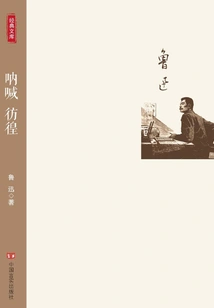
Scream and Hesitation (classic Library)
General Fiction呐喊 彷徨(经典文库)
Lu Xun
"Screaming and Wandering" collects novels written by Lu Xun from 1918 to 1925. These works truly depict the social life from the Revolution of 1911 to the May 4th period, profoundly revealing various social contradictions, and showing concern for the peasants and intellectuals living under the heavy pressure of feudal forces who "sorrow for their misfortunes but are angry but do not fight", showing a sense of worry for national survival and a strong desire for social change.
"Screaming and Wandering" collects novels written by Lu Xun from 1918 to 1925. These works truly depict the social life from the Revolution of 1911 to the May 4th period, profoundly revealing various social contradictions, and showing concern for the peasants and intellectuals living under the heavy pressure of feudal forces who "sorrow for their misfortunes but are angry but do not fight", showing a sense of worry for national survival and a strong desire for social change.
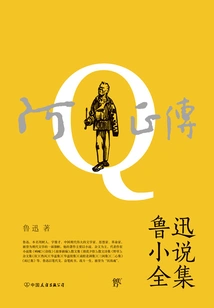
The True Story of Ah Q: the Complete Novels of Lu Xun
General Fiction阿Q正传:鲁迅小说全集
Lu Xun
"The True Story of Ah Q: The Complete Novels of Lu Xun" includes all the novels in "The Scream", "Wandering" and "New Stories", a total of 33 articles. These novels mostly describe the tragedies of ordinary people at the bottom of society. Lu Xun used his dagger-sharp writing style to criticize the "numb souls of the Chinese people", hoping to alert the world. The themes of Lu Xun's novels are mostly anti-feudal, anti-ethical, anti-tradition, and anti-superstition. He is good at creating typical images and satirizing the dark sides of characters. Most of the stories are set in his hometown. The protagonists of the novel, Ah Q, Sister Xianglin, Kong Yiji, and Runtu, are well known in China.
"The True Story of Ah Q: The Complete Novels of Lu Xun" includes all the novels in "The Scream", "Wandering" and "New Stories", a total of 33 articles. These novels mostly describe the tragedies of ordinary people at the bottom of society. Lu Xun used his dagger-sharp writing style to criticize the "numb souls of the Chinese people", hoping to alert the world. The themes of Lu Xun's novels are mostly anti-feudal, anti-ethical, anti-tradition, and anti-superstition. He is good at creating typical images and satirizing the dark sides of characters. Most of the stories are set in his hometown. The protagonists of the novel, Ah Q, Sister Xianglin, Kong Yiji, and Runtu, are well known in China.
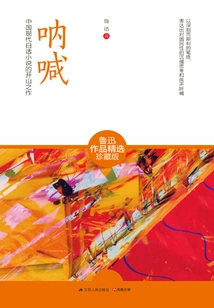
Shout
General Fiction呐喊
Lu Xun
This book contains Mr. Lu Xun's three novel collections "Scream", "Wandering" and "New Stories". "The Scream" is a collection of 14 short stories written by Lu Xun from 1918 to 1922. It vividly depicts social life from the Revolution of 1911 to the May Fourth period, reveals various deep-seated social contradictions, and shows a strong sense of worry for national survival and a strong desire for social change. "Wandering" contains 11 novels written by Lu Xun from 1924 to 1925. The vivid writing outlines each character with extremely typical significance, running through the concern for the ignorant people at that time who "sorrowed their misfortunes and were angry that they would not fight", profoundly reflecting the hesitation of an era. "New Stories" consists of 8 short stories, mainly based on ancient myths and historical legends. The stories are vivid and interesting. It is the only novel set in ancient times among Lu Xun's works.
This book contains Mr. Lu Xun's three novel collections "Scream", "Wandering" and "New Stories". "The Scream" is a collection of 14 short stories written by Lu Xun from 1918 to 1922. It vividly depicts social life from the Revolution of 1911 to the May Fourth period, reveals various deep-seated social contradictions, and shows a strong sense of worry for national survival and a strong desire for social change. "Wandering" contains 11 novels written by Lu Xun from 1924 to 1925. The vivid writing outlines each character with extremely typical significance, running through the concern for the ignorant people at that time who "sorrowed their misfortunes and were angry that they would not fight", profoundly reflecting the hesitation of an era. "New Stories" consists of 8 short stories, mainly based on ancient myths and historical legends. The stories are vivid and interesting. It is the only novel set in ancient times among Lu Xun's works.
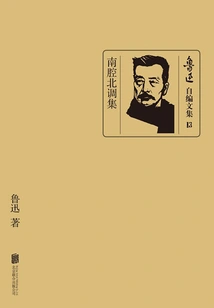
南腔北调集
Lu Xun
"Collection of Nanqiangbei Diao" is a collection of essays by Lu Xun, which contains fifty-one essays written by Lu Xun between 1927 and 1929. At that time, a scholar in Shanghai who signed his name "Meizi" attacked Lu Xun in an article "Sketches of Writers": "Lu Xun likes to speak very much, but he has a stutter, and he has a 'Southern accent and a Northern accent.'" In response, Lu Xun counterattacked: "I can't speak soft Su Bai, and I can't play a loud Beijing tune. If I don't follow the tune, I won't be popular. It's really a Southern accent." It showed that he was unwilling to follow the crowd and despised boring literati. Therefore, my husband named this collection published in March 1934 "Collection of Nanqiangbei Diao", which was a kind of self-deprecation and a mockery of Meiko.
"Collection of Nanqiangbei Diao" is a collection of essays by Lu Xun, which contains fifty-one essays written by Lu Xun between 1927 and 1929. At that time, a scholar in Shanghai who signed his name "Meizi" attacked Lu Xun in an article "Sketches of Writers": "Lu Xun likes to speak very much, but he has a stutter, and he has a 'Southern accent and a Northern accent.'" In response, Lu Xun counterattacked: "I can't speak soft Su Bai, and I can't play a loud Beijing tune. If I don't follow the tune, I won't be popular. It's really a Southern accent." It showed that he was unwilling to follow the crowd and despised boring literati. Therefore, my husband named this collection published in March 1934 "Collection of Nanqiangbei Diao", which was a kind of self-deprecation and a mockery of Meiko.
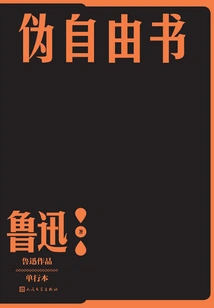
Pseudo Free Book
Literature伪自由书
Lu Xun
"Pseudo Freedom Letter" is a collection of short comments written by Lu Xun to "Freedom Talk", a supplement to Shenbao, from the end of January to mid-May 1933. 43 Articles in total. "Pseudo-Freedom" is a record of Lu Xun's political struggle and ideological criticism in a specific historical era, using essays as weapons; however, the objective laws it reveals through individual events and its exquisite Marxist thought in analyzing specific things transcend the limitations of time and space, making it a Marxist literary weapon of universal significance.
"Pseudo Freedom Letter" is a collection of short comments written by Lu Xun to "Freedom Talk", a supplement to Shenbao, from the end of January to mid-May 1933. 43 Articles in total. "Pseudo-Freedom" is a record of Lu Xun's political struggle and ideological criticism in a specific historical era, using essays as weapons; however, the objective laws it reveals through individual events and its exquisite Marxist thought in analyzing specific things transcend the limitations of time and space, making it a Marxist literary weapon of universal significance.
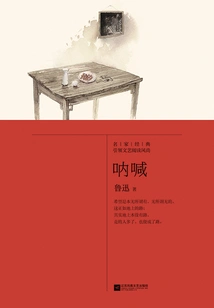
Shout
General Fiction呐喊
Lu Xun
The short story collection "The Scream" was born under the background of the May Fourth Movement and the New Culture Movement. It includes 14 short stories written by Lu Xun from 1918 to 1922, including "Diary of a Madman", "Kong Yiji" ", "Medicine", "Tomorrow", "A Little Thing", "The Story of Hair", "The Storm", "Hometown", "The True Story of Ah Q", "Dragon Boat Festival", "White Light", "Rabbit and Cat", "Duck's Comedy" and "Social Opera". Among them, "Diary of a Madman", "The True Story of Ah Q", "Kong Yiji", "Hometown", etc. Have become famous works handed down from generation to generation, with extremely high artistic value. The novel vividly and truly depicts social life from the Revolution of 1911 to the "May Fourth" period, reveals various deep-seated social contradictions, criticizes China's numb and ignorant national character, and shows a strong sense of worry for national survival and a strong desire for social change.
The short story collection "The Scream" was born under the background of the May Fourth Movement and the New Culture Movement. It includes 14 short stories written by Lu Xun from 1918 to 1922, including "Diary of a Madman", "Kong Yiji" ", "Medicine", "Tomorrow", "A Little Thing", "The Story of Hair", "The Storm", "Hometown", "The True Story of Ah Q", "Dragon Boat Festival", "White Light", "Rabbit and Cat", "Duck's Comedy" and "Social Opera". Among them, "Diary of a Madman", "The True Story of Ah Q", "Kong Yiji", "Hometown", etc. Have become famous works handed down from generation to generation, with extremely high artistic value. The novel vividly and truly depicts social life from the Revolution of 1911 to the "May Fourth" period, reveals various deep-seated social contradictions, criticizes China's numb and ignorant national character, and shows a strong sense of worry for national survival and a strong desire for social change.
古籍序跋集
Lu Xun
This book contains thirty-five prefaces and postscripts written by Lu Xun between 1912 and 1935 for ancient books he compiled or edited.
This book contains thirty-five prefaces and postscripts written by Lu Xun between 1912 and 1935 for ancient books he compiled or edited.
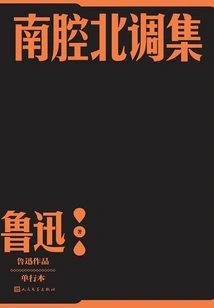
南腔北调集
Lu Xun
"Collection of Nanqiangbei Diao" is a collection of essays by Lu Xun, which contains 51 essays written between 1932 and 1933.
"Collection of Nanqiangbei Diao" is a collection of essays by Lu Xun, which contains 51 essays written between 1932 and 1933.
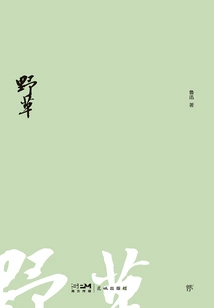
Weed
Literature野草
Lu Xun
"Wild Grass" is a collection of prose poems created by the modern writer Lu Xun. It contains 23 prose poems written between 1924 and 1926. There is an "Inscription" at the front of the book. It was first published by Beijing Beixin Book Company in July 1927. This collection of poems truly describes Lu Xun's thoughts and feelings as he continued to fight after the New Culture United Front split, but felt lonely and lonely, and explored and moved forward in hesitation. The collection of poems has diverse content, unique conception, vivid language, lyricism and musicality, successful use of symbolic techniques, and strong artistic appeal.
"Wild Grass" is a collection of prose poems created by the modern writer Lu Xun. It contains 23 prose poems written between 1924 and 1926. There is an "Inscription" at the front of the book. It was first published by Beijing Beixin Book Company in July 1927. This collection of poems truly describes Lu Xun's thoughts and feelings as he continued to fight after the New Culture United Front split, but felt lonely and lonely, and explored and moved forward in hesitation. The collection of poems has diverse content, unique conception, vivid language, lyricism and musicality, successful use of symbolic techniques, and strong artistic appeal.
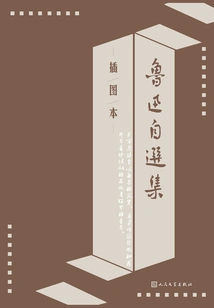
鲁迅自选集(插图本)
Lu Xun
This is Mr. Lu Xun's only self-selected collection during his lifetime, which reflects Mr. Lu Xun's evaluation and selection criteria for his works. Mr. Lu Xun compiled and selected the works based on different materials and writing methods, thus comprehensively reflecting the achievements of Mr. Lu Xun's literary creation. The 22 selected works come from five collections of his works, including "Weeds" (seven pieces), "The Scream" (five pieces), "Wandering" (five pieces), "Morning Flowers Picked at Dusk" (three pieces), and "New Stories" (two pieces). They include the well-known "Kong Yiji", "The True Story of Ah Q", "Hometown", "Sad Death", "Forging Swords", "Flying to the Moon", "Dogs, Cats and Mouse", etc. At the front of the book is the preface to "Selected Works" written by Mr. Lu Xun, which plays an irreplaceable role in understanding the essence of Lu Xun's creations throughout his life.
This is Mr. Lu Xun's only self-selected collection during his lifetime, which reflects Mr. Lu Xun's evaluation and selection criteria for his works. Mr. Lu Xun compiled and selected the works based on different materials and writing methods, thus comprehensively reflecting the achievements of Mr. Lu Xun's literary creation. The 22 selected works come from five collections of his works, including "Weeds" (seven pieces), "The Scream" (five pieces), "Wandering" (five pieces), "Morning Flowers Picked at Dusk" (three pieces), and "New Stories" (two pieces). They include the well-known "Kong Yiji", "The True Story of Ah Q", "Hometown", "Sad Death", "Forging Swords", "Flying to the Moon", "Dogs, Cats and Mouse", etc. At the front of the book is the preface to "Selected Works" written by Mr. Lu Xun, which plays an irreplaceable role in understanding the essence of Lu Xun's creations throughout his life.
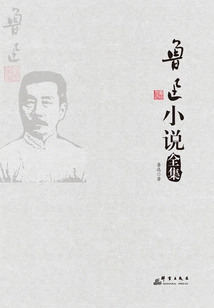
Complete Works of Lu Xun's Novels
General Fiction鲁迅小说全集
Lu Xun
Lu Xun is a representative figure of Chinese new literature. He left a large number of works throughout his life, including novels, essays, essays, letters and some academic works. "The Complete Works of Lu Xun's Novels" is the first collection of Lu Xun's classic works, which is divided into four parts: Scream, Wandering, New Stories, and Appendices. This book is rich in ideological content and is a product of the times, with high literary value and artistic realm.
Lu Xun is a representative figure of Chinese new literature. He left a large number of works throughout his life, including novels, essays, essays, letters and some academic works. "The Complete Works of Lu Xun's Novels" is the first collection of Lu Xun's classic works, which is divided into four parts: Scream, Wandering, New Stories, and Appendices. This book is rich in ideological content and is a product of the times, with high literary value and artistic realm.
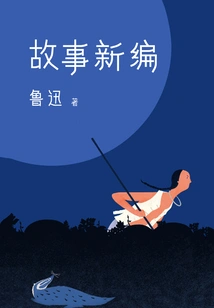
New Story
General Fiction故事新编
Lu Xun
This book is a complete collection of Mr. Lu Xun's three major short story collections: "New Stories", "Scream" and "Wandering". Opening this book, ancient myths and historical legends, in Mr. Lu Xun's writings, become flesh and blood, as if they are within reach!
This book is a complete collection of Mr. Lu Xun's three major short story collections: "New Stories", "Scream" and "Wandering". Opening this book, ancient myths and historical legends, in Mr. Lu Xun's writings, become flesh and blood, as if they are within reach!
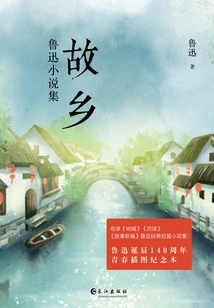
Hometown: Lu Xun's Novels (youth Customized Edition)
General Fiction故乡:鲁迅小说集(青春定制版)
Lu Xun
This book is a relatively complete collection of Mr. Lu Xun's classic novels, including the three novel collections "Scream", "Wandering" and "New Story", as well as his first novel "Nostalgia" written in classical Chinese, totaling more than 30 articles. The works in this book take ordinary social life as their themes and deeply reflect the social culture and human nature of the time. It is highly praised for its rich content, profound observations, meaningful artistic conception and concise words. Most of the stories are set in the hometown, creating many classic and unforgettable characters, such as Ah Q, Xianglin's Wife, Kong Yiji, Runtu, etc. This publication is edited and edited word by word, striving to reproduce the original style authentically! Mr. Lu Xun's novels are classics worth reading and re-reading, and they are still timeless today.
This book is a relatively complete collection of Mr. Lu Xun's classic novels, including the three novel collections "Scream", "Wandering" and "New Story", as well as his first novel "Nostalgia" written in classical Chinese, totaling more than 30 articles. The works in this book take ordinary social life as their themes and deeply reflect the social culture and human nature of the time. It is highly praised for its rich content, profound observations, meaningful artistic conception and concise words. Most of the stories are set in the hometown, creating many classic and unforgettable characters, such as Ah Q, Xianglin's Wife, Kong Yiji, Runtu, etc. This publication is edited and edited word by word, striving to reproduce the original style authentically! Mr. Lu Xun's novels are classics worth reading and re-reading, and they are still timeless today.
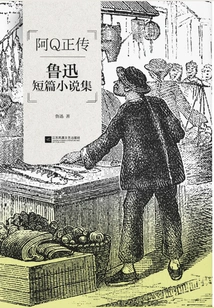
Grinding Iron Classics Volume 3: the True Story of Ah Q
General Fiction磨铁经典第3辑:阿Q正传
Lu Xun
Reading Lu Xun is reading our history and future. "The True Story of Ah Q: A Collection of Short Stories by Lu Xun" contains all the novels in "The Scream", "Wandering" and "New Stories", a total of 33 stories. These novels mostly describe the tragedies of ordinary people at the bottom of society. Lu Xun used his dagger-sharp writing style to criticize the "numb souls of the Chinese people", hoping to alert the world. The themes of Lu Xun's novels are mostly anti-feudal, anti-ethical, anti-tradition, and anti-superstition. He is good at creating typical images and satirizing the dark sides of characters. Most of the stories are set in his hometown. The protagonists of the novel, Ah Q, Sister Xianglin, Kong Yiji, and Runtu, are well known in China.
Reading Lu Xun is reading our history and future. "The True Story of Ah Q: A Collection of Short Stories by Lu Xun" contains all the novels in "The Scream", "Wandering" and "New Stories", a total of 33 stories. These novels mostly describe the tragedies of ordinary people at the bottom of society. Lu Xun used his dagger-sharp writing style to criticize the "numb souls of the Chinese people", hoping to alert the world. The themes of Lu Xun's novels are mostly anti-feudal, anti-ethical, anti-tradition, and anti-superstition. He is good at creating typical images and satirizing the dark sides of characters. Most of the stories are set in his hometown. The protagonists of the novel, Ah Q, Sister Xianglin, Kong Yiji, and Runtu, are well known in China.
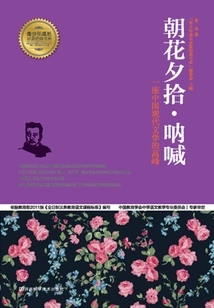
Picking up Flowers in the Morning and Evening·screaming
General Fiction朝花夕拾·呐喊
Lu Xun
"Morning Blossoms Plucked at Dusk" is composed of ten essays in total, except for "Xiaoyin" and "Postscript". The ten essays he wrote are "Memories of Memories", which relatively completely record Lu Xun's life from childhood to adolescence, from his childhood enlightenment in Sanwei Bookstore to his youth studying in Japan. Although it is a fragment of past life, it outlines a coherent and rich picture of historical life. "The Scream" truly depicts the social life before and after the "May Fourth Movement", reveals various social contradictions in depth, conducts a profound and thorough analysis and negation of the obsolescence of Chinese traditional concepts and old systems, and shows a deep sense of worry for the survival of the nation and a strong desire for social change.
"Morning Blossoms Plucked at Dusk" is composed of ten essays in total, except for "Xiaoyin" and "Postscript". The ten essays he wrote are "Memories of Memories", which relatively completely record Lu Xun's life from childhood to adolescence, from his childhood enlightenment in Sanwei Bookstore to his youth studying in Japan. Although it is a fragment of past life, it outlines a coherent and rich picture of historical life. "The Scream" truly depicts the social life before and after the "May Fourth Movement", reveals various social contradictions in depth, conducts a profound and thorough analysis and negation of the obsolescence of Chinese traditional concepts and old systems, and shows a deep sense of worry for the survival of the nation and a strong desire for social change.
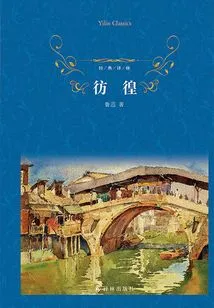
Hesitant
General Fiction彷徨
Lu Xun
"Wandering" is the second collection of novels published by Mr. Lu Xun after "The Scream". It includes 11 short stories he wrote between 1924 and 1925, including "Blessing", "At the Restaurant", "The Lonely", "Sorrow", etc.
"Wandering" is the second collection of novels published by Mr. Lu Xun after "The Scream". It includes 11 short stories he wrote between 1924 and 1925, including "Blessing", "At the Restaurant", "The Lonely", "Sorrow", etc.
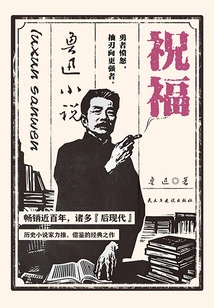
Bless
General Fiction祝福
Lu Xun
This manuscript contains two collections of Lu Xun's "Blessings" and "Jiji Ji". "Blessing" contains 11 novels written by the author from 1924 to 1925. Among them, "Blessing" is one of his masterpieces. In the 1920s, China's people, especially farmers, were increasingly impoverished. They lived a life of hunger and cold. Patriarchal concepts and feudal ethics were still a spiritual shackles weighing on the people. Therefore, in his work "Blessing", he profoundly showed the true appearance of China's rural areas during this period. "The Collection" contains 17 essays written by the author in 1927.
This manuscript contains two collections of Lu Xun's "Blessings" and "Jiji Ji". "Blessing" contains 11 novels written by the author from 1924 to 1925. Among them, "Blessing" is one of his masterpieces. In the 1920s, China's people, especially farmers, were increasingly impoverished. They lived a life of hunger and cold. Patriarchal concepts and feudal ethics were still a spiritual shackles weighing on the people. Therefore, in his work "Blessing", he profoundly showed the true appearance of China's rural areas during this period. "The Collection" contains 17 essays written by the author in 1927.
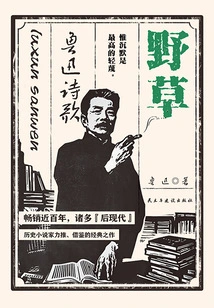
Weed
General Fiction野草
Lu Xun
This manuscript contains Lu Xun's three collections of works: Wild Grass, Erxin Collection, and Huagai Collection. "Wild Grass" is Lu Xun's only collection of prose poems. Written in 1925. The work uses subtle symbols to express the loneliness, confusion and fear of an Enlightenment thinker fighting alone under the white terror. It also expresses the disappointment and hope for the people who "live in confusion and die in a mess". The biggest feature that distinguishes this work from other works of Lu Xun is that it contains profound philosophy and contains all of Lu Xun's philosophy. The Erxin Collection contains 36 essays written by the author between 1930 and 1931, and the Sequel to the Sequel to the Huagai Collection contains seven essays written by the author between 1926 and 1927.
This manuscript contains Lu Xun's three collections of works: Wild Grass, Erxin Collection, and Huagai Collection. "Wild Grass" is Lu Xun's only collection of prose poems. Written in 1925. The work uses subtle symbols to express the loneliness, confusion and fear of an Enlightenment thinker fighting alone under the white terror. It also expresses the disappointment and hope for the people who "live in confusion and die in a mess". The biggest feature that distinguishes this work from other works of Lu Xun is that it contains profound philosophy and contains all of Lu Xun's philosophy. The Erxin Collection contains 36 essays written by the author between 1930 and 1931, and the Sequel to the Sequel to the Huagai Collection contains seven essays written by the author between 1926 and 1927.
\
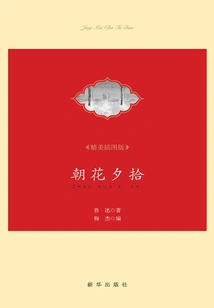
朝花夕拾
Lu Xun
"Morning Blossoms Plucked at Dusk" is Mr. Lu Xun's well-known collection of reminiscence essays. It relatively completely records his life experience and ideological context from childhood to youth. While shaping some distinctive characters, it also integrates these memories into rational thinking. It is a warm and beneficial read. "Wild Grass" is the only collection of prose poems by Mr. Lu Xun in his creative career, which contains twenty-three prose poems. According to Mr. Lu Xun, these works contain his own philosophy of life throughout his life. The whole book expresses his disappointment and resentment towards reality with tortuous and obscure symbolic techniques. The writing style is profound and timeless, and the imagery is mysterious and beautiful. It is a classic masterpiece in modern Chinese poetry. At the same time, it is also an important material for studying Mr. Lu Xun's thoughts.
"Morning Blossoms Plucked at Dusk" is Mr. Lu Xun's well-known collection of reminiscence essays. It relatively completely records his life experience and ideological context from childhood to youth. While shaping some distinctive characters, it also integrates these memories into rational thinking. It is a warm and beneficial read. "Wild Grass" is the only collection of prose poems by Mr. Lu Xun in his creative career, which contains twenty-three prose poems. According to Mr. Lu Xun, these works contain his own philosophy of life throughout his life. The whole book expresses his disappointment and resentment towards reality with tortuous and obscure symbolic techniques. The writing style is profound and timeless, and the imagery is mysterious and beautiful. It is a classic masterpiece in modern Chinese poetry. At the same time, it is also an important material for studying Mr. Lu Xun's thoughts.
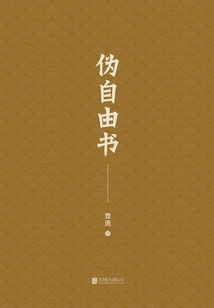
Youjian Bunko: Pseudo Free Books
Literature有间文库:伪自由书
Lu Xun
"Pseudo-Freedom" is a collection of Lu Xun's essays. It contains forty-three essays written by Lu Xun in 1933. It is a record of Lu Xun's political struggle and ideological criticism using essays as weapons at a specific historical period, including "Watching the Fight", "Talents in the Grand View Garden", "From Satire to Humor", "The Secret of Selling Your Soul", "Circle of Life of the Chinese", etc.
"Pseudo-Freedom" is a collection of Lu Xun's essays. It contains forty-three essays written by Lu Xun in 1933. It is a record of Lu Xun's political struggle and ideological criticism using essays as weapons at a specific historical period, including "Watching the Fight", "Talents in the Grand View Garden", "From Satire to Humor", "The Secret of Selling Your Soul", "Circle of Life of the Chinese", etc.
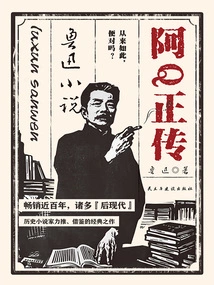
The True Story of Ah Q
Literature阿Q正传
Lu Xun
This manuscript includes Lu Xun's "The True Story of Ah Q" and "The Grave". "The True Story of Ah Q" is a novel written by Lu Xun at the end of 1921. It effectively criticized the feudal, conservative, vulgar, corrupt and other social characteristics of Chinese society at that time, and effectively revealed the life scenes of the old Chinese people and their morbidity in dire straits. "Grave" contains 23 essays written by Lu Xun from 1907 to 1925.
This manuscript includes Lu Xun's "The True Story of Ah Q" and "The Grave". "The True Story of Ah Q" is a novel written by Lu Xun at the end of 1921. It effectively criticized the feudal, conservative, vulgar, corrupt and other social characteristics of Chinese society at that time, and effectively revealed the life scenes of the old Chinese people and their morbidity in dire straits. "Grave" contains 23 essays written by Lu Xun from 1907 to 1925.
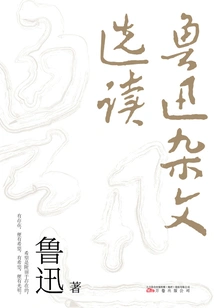
Selected Readings of Lu Xun's Essays
Literature鲁迅杂文选读
Lu Xun
The 85 selected essays in this book include 13 essay collections including Lu Xun's "Grave", "Hot Wind", "Huagai Collection", "Nanqiangbei Diao Collection", "Erxin Collection" and "Qiejieting Essays". Each collection selects classic articles, including "My View of the Fierce Spirit", "It's Not a Gossip", "Flowerless Roses", "Silent China", "Before Genius", etc. In Lu Xun's entire creative career, essays occupied a very important position both in quantity and quality. His essays are reliable, vivid and profound texts that help us understand the Chinese people, Chinese society, Chinese history and Chinese culture. It can lead readers to appreciate the lasting charm of Lu Xun's essays.
The 85 selected essays in this book include 13 essay collections including Lu Xun's "Grave", "Hot Wind", "Huagai Collection", "Nanqiangbei Diao Collection", "Erxin Collection" and "Qiejieting Essays". Each collection selects classic articles, including "My View of the Fierce Spirit", "It's Not a Gossip", "Flowerless Roses", "Silent China", "Before Genius", etc. In Lu Xun's entire creative career, essays occupied a very important position both in quantity and quality. His essays are reliable, vivid and profound texts that help us understand the Chinese people, Chinese society, Chinese history and Chinese culture. It can lead readers to appreciate the lasting charm of Lu Xun's essays.
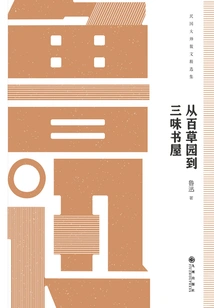
Classics Series of Masters of the Republic of China: from Baicao Garden to Sanwei Bookstore: Lu Xun
Literature民国大师经典丛书:从百草园到三味书屋:鲁迅
Lu Xun
Introduction: Lu Xun is known for his cold-faced and spear-throwing prose, but he is not only a warrior who uses his pen as a sword, but his prose also contains tenderness and tenderness. This collection is based on "The Complete Works of Lu Xun" compiled by the Lu Xun Memorial Committee and published by Shanghai Fushe in 1938. It also refers to "The Complete Works of Lu Xun" edited by Lu Xun's son Zhou Haiying, and selects 81 representative prose works of the author in various periods. Not only "For Forgetting" "Remembrance", "Usageism", "Flowerless Roses", "What Happened to Nora After She Left", "The Art of Two Clowns" and other gun-throwing articles, as well as works full of tenderness and tenderness such as "From Baicao Garden to Sanwei Bookstore", "Kite", "Autumn Night", "Hope", ""This Is Also Life"...". By reading this book, you can fully understand the author's prose style, life thoughts, and even the style of the times.
Introduction: Lu Xun is known for his cold-faced and spear-throwing prose, but he is not only a warrior who uses his pen as a sword, but his prose also contains tenderness and tenderness. This collection is based on "The Complete Works of Lu Xun" compiled by the Lu Xun Memorial Committee and published by Shanghai Fushe in 1938. It also refers to "The Complete Works of Lu Xun" edited by Lu Xun's son Zhou Haiying, and selects 81 representative prose works of the author in various periods. Not only "For Forgetting" "Remembrance", "Usageism", "Flowerless Roses", "What Happened to Nora After She Left", "The Art of Two Clowns" and other gun-throwing articles, as well as works full of tenderness and tenderness such as "From Baicao Garden to Sanwei Bookstore", "Kite", "Autumn Night", "Hope", ""This Is Also Life"...". By reading this book, you can fully understand the author's prose style, life thoughts, and even the style of the times.
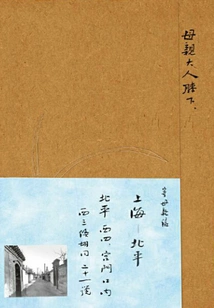
母亲大人膝下: 1932-1936 年寄母亲信
Lu Xun
This book is a letter from Lu Xun to his mother from 1932 to 1936. Lu Xun exchanged more than 200 letters with his mother, of which only 50 remain. This book completely collects and presents Lu Xun's autographed letters to his mother in their original form. The whole book allows Lu Xun to show the loving side of his children. In the letter, Lu Xun talked about family life with his mother and expressed greetings for peace. The growth, changes, words and deeds of his son Hai Ying were reported in every letter. This letter connected the intimate feelings of three generations of ancestors and grandchildren in a heart-warming way. The six letters "To the Empress" written by Hai Ying and ghostwritten by Xu Guangping were authorized by Hai Ying's son Zhou Lingfei and made public for the first time.
This book is a letter from Lu Xun to his mother from 1932 to 1936. Lu Xun exchanged more than 200 letters with his mother, of which only 50 remain. This book completely collects and presents Lu Xun's autographed letters to his mother in their original form. The whole book allows Lu Xun to show the loving side of his children. In the letter, Lu Xun talked about family life with his mother and expressed greetings for peace. The growth, changes, words and deeds of his son Hai Ying were reported in every letter. This letter connected the intimate feelings of three generations of ancestors and grandchildren in a heart-warming way. The six letters "To the Empress" written by Hai Ying and ghostwritten by Xu Guangping were authorized by Hai Ying's son Zhou Lingfei and made public for the first time.
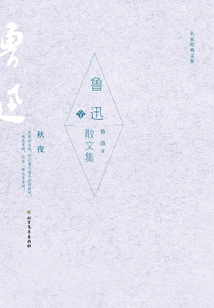
鲁迅散文集(名家经典文集)
Lu Xun
This book collects all Lu Xun's famous prose works, as well as some fine essays. It is divided into five albums according to the writing content and characteristics of the articles. These essays record Lu Xun's main experiences from childhood to youth, recall many family members, partners, relatives and friends, and present a picture of life in the late Qing Dynasty and the early Republic of China. These chapters mainly inherit the characteristics of traditional Chinese prose. The writing style is friendly, long-lasting, profound and meaningful. They are classics in modern prose. The essays included in the book describe the world, describe experiences, comment on personnel affairs, and express emotions. They embody the ideological connotation and unique perfection of Lu Xun's broad spirit, and embody the brilliance of Lu Xun's thoughts and wisdom everywhere.
This book collects all Lu Xun's famous prose works, as well as some fine essays. It is divided into five albums according to the writing content and characteristics of the articles. These essays record Lu Xun's main experiences from childhood to youth, recall many family members, partners, relatives and friends, and present a picture of life in the late Qing Dynasty and the early Republic of China. These chapters mainly inherit the characteristics of traditional Chinese prose. The writing style is friendly, long-lasting, profound and meaningful. They are classics in modern prose. The essays included in the book describe the world, describe experiences, comment on personnel affairs, and express emotions. They embody the ideological connotation and unique perfection of Lu Xun's broad spirit, and embody the brilliance of Lu Xun's thoughts and wisdom everywhere.
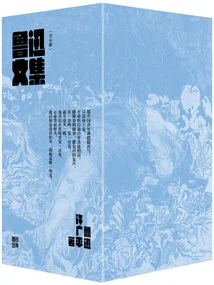
磨铁经典文库系列:鲁迅文集(全6册)
Lu Xun
The Motie Classic Library series of Lu Xun's collected works contains 6 volumes of Lu Xun's classic works, including the novels "Scream", "Wandering" and "New Stories", the essay collection "Morning Flowers Picked at Dusk", the prose poetry collection "Weeds", the letter collection "Book of Two Places" and 92 selected essays, which fully present the diverse life of Lu Xun, the founder of modern Chinese literature.
The Motie Classic Library series of Lu Xun's collected works contains 6 volumes of Lu Xun's classic works, including the novels "Scream", "Wandering" and "New Stories", the essay collection "Morning Flowers Picked at Dusk", the prose poetry collection "Weeds", the letter collection "Book of Two Places" and 92 selected essays, which fully present the diverse life of Lu Xun, the founder of modern Chinese literature.
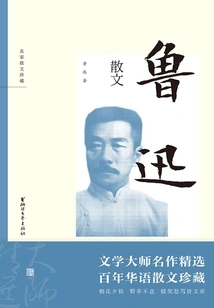
Lu Xun's Prose
Literature鲁迅散文
Lu Xun
This book carefully selects most of the articles from Mr. Lu Xun's collection of essays "Morning Blossoms Picked Up at Dusk" and "Weeds", and carefully browses through many miscellaneous essays in Mr. Lu Xun's other works. Carefully selected and compiled into this book "Lu Xun's Prose", the selected articles may recall the past, chat casually, reflect on oneself, discuss current affairs, or remember close friends. Most of them are representative works, such as "From Baicao Garden to Sanwei Bookstore", "Father's Illness", "Shadow's Farewell", "In Memory of Mr. Liu Hezhen", "Memory for Forgetting", etc. These works fully demonstrate Mr. Lu Xun's literary skills and rich life experience, and present to readers a true, wise, upright, and caring Lu Xun.
This book carefully selects most of the articles from Mr. Lu Xun's collection of essays "Morning Blossoms Picked Up at Dusk" and "Weeds", and carefully browses through many miscellaneous essays in Mr. Lu Xun's other works. Carefully selected and compiled into this book "Lu Xun's Prose", the selected articles may recall the past, chat casually, reflect on oneself, discuss current affairs, or remember close friends. Most of them are representative works, such as "From Baicao Garden to Sanwei Bookstore", "Father's Illness", "Shadow's Farewell", "In Memory of Mr. Liu Hezhen", "Memory for Forgetting", etc. These works fully demonstrate Mr. Lu Xun's literary skills and rich life experience, and present to readers a true, wise, upright, and caring Lu Xun.
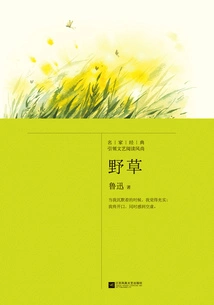
Weed
Literature野草
Lu Xun
"Wild Grass" is a collection of prose poems created by the modern writer Lu Xun. It contains 23 prose poems written between 1924 and 1926. There is an "Inscription" at the front of the book. It was first published by Beijing Beixin Book Company in July 1927 and is listed as one of the "Wuhe Series" compiled by the author.
"Wild Grass" is a collection of prose poems created by the modern writer Lu Xun. It contains 23 prose poems written between 1924 and 1926. There is an "Inscription" at the front of the book. It was first published by Beijing Beixin Book Company in July 1927 and is listed as one of the "Wuhe Series" compiled by the author.
Youjian Library: Erxinji
Literature有间文库:二心集
Lu Xun
"Two Hearts Collection" is a collection of essays by Lu Xun, which contains thirty-seven essays written by Lu Xun from 1930 to 1931. Including "Good Governmentism", "On the Surprise of Friendships", "Bereaved" and "Capitalist's Lame Dog", "The Story of Rou Shi", "Serving the Country with Feet", etc. At the end is a translation of "Modern Film and the Property-owning Stage".
"Two Hearts Collection" is a collection of essays by Lu Xun, which contains thirty-seven essays written by Lu Xun from 1930 to 1931. Including "Good Governmentism", "On the Surprise of Friendships", "Bereaved" and "Capitalist's Lame Dog", "The Story of Rou Shi", "Serving the Country with Feet", etc. At the end is a translation of "Modern Film and the Property-owning Stage".
The Complete Works of Lu Xun (volume 15)
Literature鲁迅全集(第十五卷)
Lu Xun
In October 1936, Mr. Lu Xun passed away in Shanghai. Mr. Lu Xun Memorial Committee is\
In October 1936, Mr. Lu Xun passed away in Shanghai. Mr. Lu Xun Memorial Committee is\
有间文库:南腔北调集
Lu Xun
"Collection of Nanqiangbei Diao" is a collection of essays by Lu Xun, which contains fifty-one essays written by Lu Xun between 1927 and 1929. At that time, a scholar in Shanghai signed "Meizi" attacked Lu Xun in an article "Writer's Sketches": "Lu Xun likes to speak very much, but he has a stutter, and he has a 'Southern accent and a Northern accent.'" In response, Lu Xun counterattacked: "I can't say that Su Bai is soft, I can't. "To play a loud Beijing tune, if it is not in tune or popular, it is really a southern tune and a northern tune." It shows that he is unwilling to follow the trend and despise boring literati. The title of this collection is humorous and expresses his contempt for the enemy and his uncompromising attitude. Therefore, my husband named this collection published in March 1934 "Collection of Nanqiangbei Diao", which was a kind of self-deprecation and a mockery of Meiko.
"Collection of Nanqiangbei Diao" is a collection of essays by Lu Xun, which contains fifty-one essays written by Lu Xun between 1927 and 1929. At that time, a scholar in Shanghai signed "Meizi" attacked Lu Xun in an article "Writer's Sketches": "Lu Xun likes to speak very much, but he has a stutter, and he has a 'Southern accent and a Northern accent.'" In response, Lu Xun counterattacked: "I can't say that Su Bai is soft, I can't. "To play a loud Beijing tune, if it is not in tune or popular, it is really a southern tune and a northern tune." It shows that he is unwilling to follow the trend and despise boring literati. The title of this collection is humorous and expresses his contempt for the enemy and his uncompromising attitude. Therefore, my husband named this collection published in March 1934 "Collection of Nanqiangbei Diao", which was a kind of self-deprecation and a mockery of Meiko.
Collection of Preface and Postscript
Literature文序跋集
Lu Xun
This book contains the prefaces and postscripts of each book that Lu Xun translated for himself or co-translated with others, as well as the "Translator's Notes" written when a single translation was published in newspapers and periodicals, a total of five articles.
This book contains the prefaces and postscripts of each book that Lu Xun translated for himself or co-translated with others, as well as the "Translator's Notes" written when a single translation was published in newspapers and periodicals, a total of five articles.
Lu Xun's Diary
Literature鲁迅日记
Lu Xun
"Lu Xun's Diary" contains Mr. Lu Xun's diary from 1912 to 1931, which was not published during the author's lifetime. Lu Xun's diary is rich in content, including the author's daily life and diet, correspondence, correspondence with relatives and friends, manuscript records, travel experiences, book accounts, etc. It is an important first-hand document for studying Lu Xun's life.
"Lu Xun's Diary" contains Mr. Lu Xun's diary from 1912 to 1931, which was not published during the author's lifetime. Lu Xun's diary is rich in content, including the author's daily life and diet, correspondence, correspondence with relatives and friends, manuscript records, travel experiences, book accounts, etc. It is an important first-hand document for studying Lu Xun's life.
Youjian Library: Quasi-fengyuetan
Literature有间文库:准风月谈
Lu Xun
"Quan Feng Yue Tan" is a collection of essays by Lu Xun. It contains sixty-four essays written by Lu Xun in 1933. Including "Song of the Night", "Eating White Prime Minister's Rice", "Morning Cool Chronicles", "Autumn Night Journey", "Sikuquanshu Rare Books", "The Evolution of Men", "Lessons from Movies", "About Translation (Part 1)", "Drinking Tea", "Also in Foreign Countries", etc.
"Quan Feng Yue Tan" is a collection of essays by Lu Xun. It contains sixty-four essays written by Lu Xun in 1933. Including "Song of the Night", "Eating White Prime Minister's Rice", "Morning Cool Chronicles", "Autumn Night Journey", "Sikuquanshu Rare Books", "The Evolution of Men", "Lessons from Movies", "About Translation (Part 1)", "Drinking Tea", "Also in Foreign Countries", etc.
有间文库:华盖集续编
Lu Xun
"The Sequel to the Huagai Collection" is a collection of essays by Lu Xun, which contains thirty-two essays written by Lu Xun in 1926. Including "Miscellaneous Comments on Nosy, Learning, Gray, etc.", "Three Souls of Academics", "Ancient Books and Vernacular", "In Memory of Mr. Liu Hezhen", "Ma Zhi's Diary", "Shanghai Correspondence", etc.
"The Sequel to the Huagai Collection" is a collection of essays by Lu Xun, which contains thirty-two essays written by Lu Xun in 1926. Including "Miscellaneous Comments on Nosy, Learning, Gray, etc.", "Three Souls of Academics", "Ancient Books and Vernacular", "In Memory of Mr. Liu Hezhen", "Ma Zhi's Diary", "Shanghai Correspondence", etc.
Youjian Library: Sanxian Collection
Literature有间文库:三闲集
Lu Xun
"Sanxian Ji" is a collection of essays by Lu Xun, which contains thirty-four essays written by Lu Xun between 1927 and 1929. Including "Silent China", "On the Bell Tower (Night Notes Part 2)", "An Account of Hong Kong's Christmas Wishes", "A Short Introduction to "February" by Rou Shi", "Hearing and Talking about Dreams", "Wind, Horse and Cow", etc.
"Sanxian Ji" is a collection of essays by Lu Xun, which contains thirty-four essays written by Lu Xun between 1927 and 1929. Including "Silent China", "On the Bell Tower (Night Notes Part 2)", "An Account of Hong Kong's Christmas Wishes", "A Short Introduction to "February" by Rou Shi", "Hearing and Talking about Dreams", "Wind, Horse and Cow", etc.
有间文库:且介亭杂文末编
Lu Xun
"The Final Collection of Qiejieting Essays" contains thirty-five essays written by Lu Xun in 1936. In the "Final Collection" written in 1936, Lu Xun put together the manuscripts from the first chapter to the "Preface to Cao Jinghua's Translation (Collection of Seven Soviet Writers)". "Two or Three Things Remembered by Mr. Taiyan" and "Two or Three Things About Mr. Taiyan" seem to be companion chapters. Although they were put aside separately because they were unfinished at the time, they are now put together. The articles in "Appendices" are collected from "Haiyan", "Writer", "Realistic Literature", "Zhongliu", etc. Four articles, "Pinyia Xiaoji", "This Is Also Life", "Death", and "Nv Diao", were saved separately by my husband, but they are all articles from this year, so they are attached to the "Final Collection".
"The Final Collection of Qiejieting Essays" contains thirty-five essays written by Lu Xun in 1936. In the "Final Collection" written in 1936, Lu Xun put together the manuscripts from the first chapter to the "Preface to Cao Jinghua's Translation (Collection of Seven Soviet Writers)". "Two or Three Things Remembered by Mr. Taiyan" and "Two or Three Things About Mr. Taiyan" seem to be companion chapters. Although they were put aside separately because they were unfinished at the time, they are now put together. The articles in "Appendices" are collected from "Haiyan", "Writer", "Realistic Literature", "Zhongliu", etc. Four articles, "Pinyia Xiaoji", "This Is Also Life", "Death", and "Nv Diao", were saved separately by my husband, but they are all articles from this year, so they are attached to the "Final Collection".
The Complete Works of Lu Xun (volume 13)
Literature鲁迅全集(第十三卷)
Lu Xun
The Complete Works of Lu Xun (Volume 13) - The Symbol of Depression, Out of the Ivory Tower, Thoughts·Landscapes·Characters. In October 1936, Mr. Lu Xun passed away in Shanghai. Mr. Lu Xun Memorial Committee is\
The Complete Works of Lu Xun (Volume 13) - The Symbol of Depression, Out of the Ivory Tower, Thoughts·Landscapes·Characters. In October 1936, Mr. Lu Xun passed away in Shanghai. Mr. Lu Xun Memorial Committee is\
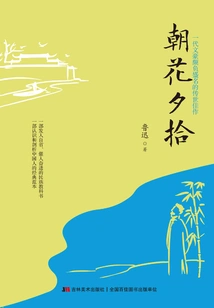
朝花夕拾
Lu Xun
"Morning Flowers Picked at Dusk" is a well-known collection of memoir essays. The title means flowers that bloom in the morning and are picked in the evening. This collection relatively completely records Mr. Lu Xun's life experience and ideological context from childhood to youth. While shaping some characters with distinctive personalities, it also integrates memories into rational thinking. It is a warm and beneficial read. "Wild Grass" is a collection of prose poems that contains Mr. Lu Xun's entire philosophy of life. The work uses tortuous and obscure symbolic techniques to express his disappointment and resentment towards reality. Its writing style is profound and meaningful, and its imagery is mysterious and beautiful. It is a classic in modern Chinese poetry and an important material for studying Mr. Lu Xun's thoughts.
"Morning Flowers Picked at Dusk" is a well-known collection of memoir essays. The title means flowers that bloom in the morning and are picked in the evening. This collection relatively completely records Mr. Lu Xun's life experience and ideological context from childhood to youth. While shaping some characters with distinctive personalities, it also integrates memories into rational thinking. It is a warm and beneficial read. "Wild Grass" is a collection of prose poems that contains Mr. Lu Xun's entire philosophy of life. The work uses tortuous and obscure symbolic techniques to express his disappointment and resentment towards reality. Its writing style is profound and meaningful, and its imagery is mysterious and beautiful. It is a classic in modern Chinese poetry and an important material for studying Mr. Lu Xun's thoughts.
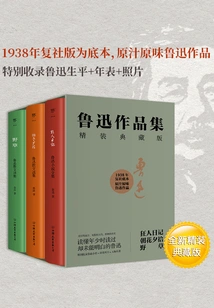
鲁迅作品集:狂人日记+朝花夕拾+野草(全新精装典藏版)
Lu Xun
"Collected Works of Lu Xun" includes three books: "Diary of a Madman", "Picking Up Flowers in the Morning and Evening" and "Weeds". Among them, "Diary of a Madman: The Complete Novels of Lu Xun" contains all of Lu Xun's novels, a total of 33 articles. These novels mostly describe the tragedies of ordinary people at the bottom of society. Lu Xun used his dagger-sharp writing style to criticize the "numb souls of the Chinese people", hoping to alert the world. The themes of Lu Xun's novels are mostly anti-feudal, anti-ethical, anti-tradition, and anti-superstition. He is good at creating typical images and satirizing the dark sides of characters. Most of the stories are set in his hometown. The protagonists of the novel, Ah Q, Sister Xianglin, Kong Yiji, and Runtu, are well known in China.
"Collected Works of Lu Xun" includes three books: "Diary of a Madman", "Picking Up Flowers in the Morning and Evening" and "Weeds". Among them, "Diary of a Madman: The Complete Novels of Lu Xun" contains all of Lu Xun's novels, a total of 33 articles. These novels mostly describe the tragedies of ordinary people at the bottom of society. Lu Xun used his dagger-sharp writing style to criticize the "numb souls of the Chinese people", hoping to alert the world. The themes of Lu Xun's novels are mostly anti-feudal, anti-ethical, anti-tradition, and anti-superstition. He is good at creating typical images and satirizing the dark sides of characters. Most of the stories are set in his hometown. The protagonists of the novel, Ah Q, Sister Xianglin, Kong Yiji, and Runtu, are well known in China.
Sequel to the Huagai Collection
Literature华盖集续编
Lu Xun
Collects 32 essays written by Lu Xun in 1926, of which the first 26 were written in Beijing and the last 6 were written in Xiamen. There is also an article "Marine Communications" written in 1927. First published in Beijing Beixin Bookstore in May 1927. Six editions were printed during the author's lifetime. Lu Xun's works include essays, short stories, reviews, essays, and translations, which have had a profound impact on Chinese literature after the "May Fourth Movement."
Collects 32 essays written by Lu Xun in 1926, of which the first 26 were written in Beijing and the last 6 were written in Xiamen. There is also an article "Marine Communications" written in 1927. First published in Beijing Beixin Bookstore in May 1927. Six editions were printed during the author's lifetime. Lu Xun's works include essays, short stories, reviews, essays, and translations, which have had a profound impact on Chinese literature after the "May Fourth Movement."
Hot Air
Literature热风
Lu Xun
"Hot Wind" is a collection of essays written by Lu Xun from 1918 to 1924. Mainly Lu Xun made some short comments in "Reflections" in "New Youth". At that time, China was in its darkest era, and many people with lofty ideals and benevolence were exploring the root causes of social ills. There was ruthless cynicism and affectionate satire in the cultural circles.
"Hot Wind" is a collection of essays written by Lu Xun from 1918 to 1924. Mainly Lu Xun made some short comments in "Reflections" in "New Youth". At that time, China was in its darkest era, and many people with lofty ideals and benevolence were exploring the root causes of social ills. There was ruthless cynicism and affectionate satire in the cultural circles.
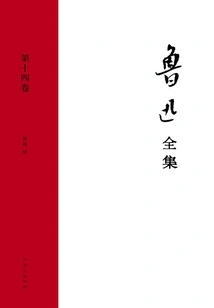
The Complete Works of Lu Xun (volume 14)
Literature鲁迅全集(第十四卷)
Lu Xun
In October 1936, Mr. Lu Xun passed away in Shanghai. Mr. Lu Xun's Memorial Committee compiled and printed the first edition of "The Complete Works of Lu Xun" after Lu Xun's death in order to "expand the influence of Lu Xun's spirit, awaken the soul of the country, and strive for light." "The Complete Works" is edited and edited by the Lu Xun Memorial Committee chaired by Cai Yuanpei. The editorial members include Cai Yuanpei, Ma Yuzao, Shen Jianshi, Mao Dun, and Zhou Zuoren. The general catalog of "The Complete Works" is based on the catalog of writings personally designated by Lu Xun, with the addition of translations, and strives to have roughly the same number of words in each volume. The whole book is roughly divided into three parts: creation, editing of ancient books, and translation. The contents of each part are arranged in chronological order. The book has a total of more than six million words and is divided into twenty volumes. It was officially published and distributed in June 1938. This publication is based on the 1938 edition of "The Complete Works of Lu Xun". During the editing process, try to retain the original style as much as possible. The content and layout of the book are the same as the original version.
In October 1936, Mr. Lu Xun passed away in Shanghai. Mr. Lu Xun's Memorial Committee compiled and printed the first edition of "The Complete Works of Lu Xun" after Lu Xun's death in order to "expand the influence of Lu Xun's spirit, awaken the soul of the country, and strive for light." "The Complete Works" is edited and edited by the Lu Xun Memorial Committee chaired by Cai Yuanpei. The editorial members include Cai Yuanpei, Ma Yuzao, Shen Jianshi, Mao Dun, and Zhou Zuoren. The general catalog of "The Complete Works" is based on the catalog of writings personally designated by Lu Xun, with the addition of translations, and strives to have roughly the same number of words in each volume. The whole book is roughly divided into three parts: creation, editing of ancient books, and translation. The contents of each part are arranged in chronological order. The book has a total of more than six million words and is divided into twenty volumes. It was officially published and distributed in June 1938. This publication is based on the 1938 edition of "The Complete Works of Lu Xun". During the editing process, try to retain the original style as much as possible. The content and layout of the book are the same as the original version.