Library
Browse and search books
95 novels found
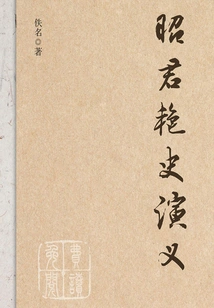
The Romance of Zhaojun
General Fiction昭君艳史演义
Anonymous
The majestic Chinese nation, facing the tyranny of the Chanyu, did not have the courage to deploy elite soldiers, guard the frontiers, advise ministers and strategists, and plan to retreat the enemy. They only sent a woman outside the Great Wall, where she was exposed to the cold wind, her ears heard, and she endured sobs and swallowed her voice. She suffered unspeakably. Isn't this about relying on women to win in the temple? Besides, as the lord of a country or a big country, he should be wise and decisive, and not deceived, so that he can be called the lord of China. Now, instead of appointing a common carnivorous and despicable man to set up a court and take charge of national affairs, so that he has no way to retreat from the enemy, he can find new strategies and beg for mercy from his children to protect the country. Isn't it shameful! Moreover, waiting for the words of the painter, the power of the imperial court to depose was exercised by the humblest and most despicable painter, and a beautiful woman who had conquered the country and was extremely rare was buried alive in the Xiongnu, making her hug the pipa and lament outside the Yumen Pass!
The majestic Chinese nation, facing the tyranny of the Chanyu, did not have the courage to deploy elite soldiers, guard the frontiers, advise ministers and strategists, and plan to retreat the enemy. They only sent a woman outside the Great Wall, where she was exposed to the cold wind, her ears heard, and she endured sobs and swallowed her voice. She suffered unspeakably. Isn't this about relying on women to win in the temple? Besides, as the lord of a country or a big country, he should be wise and decisive, and not deceived, so that he can be called the lord of China. Now, instead of appointing a common carnivorous and despicable man to set up a court and take charge of national affairs, so that he has no way to retreat from the enemy, he can find new strategies and beg for mercy from his children to protect the country. Isn't it shameful! Moreover, waiting for the words of the painter, the power of the imperial court to depose was exercised by the humblest and most despicable painter, and a beautiful woman who had conquered the country and was extremely rare was buried alive in the Xiongnu, making her hug the pipa and lament outside the Yumen Pass!
Combined Biography of Xia and Shang Dynasties (2)
General Fiction夏商合传(二)
Anonymous
"Combined Biography of Xia and Shang", also known as "Unofficial History of Xia and Shang", is a romance-type historical novel in the Ming and Qing Dynasties. "The Combined Biography of Xia and Shang (2)" tells the story of the death of the Xia king and the succession of Kong Jia to the throne. Before the death of the dead king was over, Kong Jia began to drink and eat meat, choose more concubines, have fun day and night, indulge in wine and sex, and ignore political affairs. Kong Jia's various actions caused the rebellion of the people and the decline of the country's fortunes. By the time of Xia Jie, the Shang princes became increasingly dissatisfied with his rule and wanted to rebel. Later, the Xia Dynasty was finally destroyed and the Shang Dynasty was established.
"Combined Biography of Xia and Shang", also known as "Unofficial History of Xia and Shang", is a romance-type historical novel in the Ming and Qing Dynasties. "The Combined Biography of Xia and Shang (2)" tells the story of the death of the Xia king and the succession of Kong Jia to the throne. Before the death of the dead king was over, Kong Jia began to drink and eat meat, choose more concubines, have fun day and night, indulge in wine and sex, and ignore political affairs. Kong Jia's various actions caused the rebellion of the people and the decline of the country's fortunes. By the time of Xia Jie, the Shang princes became increasingly dissatisfied with his rule and wanted to rebel. Later, the Xia Dynasty was finally destroyed and the Shang Dynasty was established.
Combined Biography of Xia and Shang Dynasties (3)
General Fiction夏商合传(三)
Anonymous
"Combined Biography of Xia and Shang", also known as "Unofficial History of Xia and Shang", is a romance-type historical novel in the Ming and Qing Dynasties. "The Combined Biography of Xia and Shang (3)" tells the story of the Shang marquis' army arriving at the city and the fall of the Xia Kingdom. Lu Gui, who had escaped, soon came to fight with nine thousand troops. After many twists and turns, he was caught. Later, Lu Gui was released. In the middle of winter of that year, the princes of the world elected the Marquis of Shang to the throne of Heaven, and became the King of Tang. The Shang Dynasty passed into the hands of King Zhou, who was dissolute and dissolute. Because of Su Daji, everyone rebelled against their relatives. King Wu, with the help of Jiang Ziya and other capable generals, destroyed the Shang Dynasty.
"Combined Biography of Xia and Shang", also known as "Unofficial History of Xia and Shang", is a romance-type historical novel in the Ming and Qing Dynasties. "The Combined Biography of Xia and Shang (3)" tells the story of the Shang marquis' army arriving at the city and the fall of the Xia Kingdom. Lu Gui, who had escaped, soon came to fight with nine thousand troops. After many twists and turns, he was caught. Later, Lu Gui was released. In the middle of winter of that year, the princes of the world elected the Marquis of Shang to the throne of Heaven, and became the King of Tang. The Shang Dynasty passed into the hands of King Zhou, who was dissolute and dissolute. Because of Su Daji, everyone rebelled against their relatives. King Wu, with the help of Jiang Ziya and other capable generals, destroyed the Shang Dynasty.
Combined Biography of Xia and Shang Dynasties (1)
General Fiction夏商合传(一)
Anonymous
"Combined Biography of Xia and Shang", also known as "Unofficial History of Xia and Shang", is a romance-type historical novel in the Ming and Qing Dynasties. "The Combined Biography of Xia and Shang Dynasties (1)" tells that King Yu was the great-great-grandson of the Yellow Emperor, his surname was Si, and he was the son of Gun. He is nine feet two inches long. Gun failed to control the floods, and Yu continued his father's legacy. Yu Shang's father responded to the emperor's order and went to control the flood. Yu Shi married the daughter of the Tushan family and had a son, Qi. After Yu was ordered to do so, he said goodbye to his wife and left home to control the floods. In the process of water control, I really went to heaven and earth. I saw monsters, killed monsters, and subdued monsters. I overcame many difficulties and went through hardships, and finally succeeded in water control. Emperor Shun ordered Yu to be the Great Sikong, the first of the nine officials. After Shun's death, Yu accepted Zen, listened to the people's wishes, and ascended the throne of Yangcheng. His capital was Anyi, and his country was named Xia.
"Combined Biography of Xia and Shang", also known as "Unofficial History of Xia and Shang", is a romance-type historical novel in the Ming and Qing Dynasties. "The Combined Biography of Xia and Shang Dynasties (1)" tells that King Yu was the great-great-grandson of the Yellow Emperor, his surname was Si, and he was the son of Gun. He is nine feet two inches long. Gun failed to control the floods, and Yu continued his father's legacy. Yu Shang's father responded to the emperor's order and went to control the flood. Yu Shi married the daughter of the Tushan family and had a son, Qi. After Yu was ordered to do so, he said goodbye to his wife and left home to control the floods. In the process of water control, I really went to heaven and earth. I saw monsters, killed monsters, and subdued monsters. I overcame many difficulties and went through hardships, and finally succeeded in water control. Emperor Shun ordered Yu to be the Great Sikong, the first of the nine officials. After Shun's death, Yu accepted Zen, listened to the people's wishes, and ascended the throne of Yangcheng. His capital was Anyi, and his country was named Xia.
The Romance of Diao Chan
General Fiction貂蝉艳史演义
Anonymous
By the peony pavilion, I tell my thoughts, and my delicate hands burn incense to tell the world. But I beg Han Zuo to postpone it for now. I don't care about the honor or disgrace of my family. Si Tu was suddenly startled by this remark. What kind of servant could he be? The heroic husband forgets, so why not comment on the affairs of the country in detail. Sure enough, beauty is better than a thousand troops, and a BMW car welcomes Xiaojun. The ingenious plot has been sold since then, and the plan has been carefully planned to build extraordinary achievements. Those who have achieved outstanding achievements and reversed the teachings will be famous throughout the ages. I still recall that when the powerful were treacherous and domineering, all the loyal ministers and righteous men were restrained. Setting up a plan to save the country with red makeup, is it asking a man whether he feels guilty?
By the peony pavilion, I tell my thoughts, and my delicate hands burn incense to tell the world. But I beg Han Zuo to postpone it for now. I don't care about the honor or disgrace of my family. Si Tu was suddenly startled by this remark. What kind of servant could he be? The heroic husband forgets, so why not comment on the affairs of the country in detail. Sure enough, beauty is better than a thousand troops, and a BMW car welcomes Xiaojun. The ingenious plot has been sold since then, and the plan has been carefully planned to build extraordinary achievements. Those who have achieved outstanding achievements and reversed the teachings will be famous throughout the ages. I still recall that when the powerful were treacherous and domineering, all the loyal ministers and righteous men were restrained. Setting up a plan to save the country with red makeup, is it asking a man whether he feels guilty?
Cautionary Novels: Romance of the Seventy-two Dynasties (1)
General Fiction警世小说:七十二朝人物演义(1)
Anonymous
"The Romance of Characters in the Seventy-Two Dynasties" is also titled "The Romance of Characters in the Four Books of the Seventy-Two Dynasties", with a total of forty volumes. The "seventy-two dynasties" in the book are not seventy-two dynasties. Historical romance novels are a relatively special collection of vernacular novels from the Ming Dynasty. This book was written in the late Ming Dynasty, and the author cannot be verified. Each volume of the novel contains one article, interpreting a story from ancient times. What is unique is that the characters and events written in these forty texts all originate from the "Four Books", and the titles of each volume are also taken from the original sentences in the "Four Books". Because the characters mentioned in the "Four Books" belong to the Spring and Autumn Dynasties, and "there were seventy-two kingdoms in the world at that time" (Volume 35), they are called "Characters of the Seventy-Two Dynasties". The author intends to exhort the world from both positive and negative aspects through the characters' conduct, so this book can be regarded as a better cautionary novel. There are two versions of this book, the Ming version and the Qing Dynasty Guangxu Dingxi Shanghai Shiwanjuanlou lithograph version. Each volume of the Ming edition has a general comment, a further comment and an eyebrow review, and there is a narrative by Taoist Lei at the front of the book. Li Zhuowu is the author of the "Secret Book of Mr. Li Zhuoxiang" and "Reviews and Portraits of Famous Masters" published by Guangxu and Dingxi in the Qing Dynasty.
"The Romance of Characters in the Seventy-Two Dynasties" is also titled "The Romance of Characters in the Four Books of the Seventy-Two Dynasties", with a total of forty volumes. The "seventy-two dynasties" in the book are not seventy-two dynasties. Historical romance novels are a relatively special collection of vernacular novels from the Ming Dynasty. This book was written in the late Ming Dynasty, and the author cannot be verified. Each volume of the novel contains one article, interpreting a story from ancient times. What is unique is that the characters and events written in these forty texts all originate from the "Four Books", and the titles of each volume are also taken from the original sentences in the "Four Books". Because the characters mentioned in the "Four Books" belong to the Spring and Autumn Dynasties, and "there were seventy-two kingdoms in the world at that time" (Volume 35), they are called "Characters of the Seventy-Two Dynasties". The author intends to exhort the world from both positive and negative aspects through the characters' conduct, so this book can be regarded as a better cautionary novel. There are two versions of this book, the Ming version and the Qing Dynasty Guangxu Dingxi Shanghai Shiwanjuanlou lithograph version. Each volume of the Ming edition has a general comment, a further comment and an eyebrow review, and there is a narrative by Taoist Lei at the front of the book. Li Zhuowu is the author of the "Secret Book of Mr. Li Zhuoxiang" and "Reviews and Portraits of Famous Masters" published by Guangxu and Dingxi in the Qing Dynasty.
Dream
Literature梦
Anonymous
Wei Yang Yuanzhen was able to interpret dreams. Wang Yuanyuan of Guangyang dreamed of leaning on a locust tree wearing a robe and asked Yuanzhen. Yuan Zhen said that he should win the Three Lords, so he retreated and said: "After death, I will win the Three Lords' ears. The locust tree is close to the ghost." The fruit was killed by Er Zhurong and presented to Situ.
Wei Yang Yuanzhen was able to interpret dreams. Wang Yuanyuan of Guangyang dreamed of leaning on a locust tree wearing a robe and asked Yuanzhen. Yuan Zhen said that he should win the Three Lords, so he retreated and said: "After death, I will win the Three Lords' ears. The locust tree is close to the ghost." The fruit was killed by Er Zhurong and presented to Situ.
Complete Works of the Book of Songs
Literature诗经全集
Anonymous
There are 305 existing poems in "The Book of Songs", including folk songs and temple music dating from the early Western Zhou Dynasty to the middle of the Spring and Autumn Period, which are divided into three chapters: "Wind", "Ya" and "Song". Generally speaking, it reflects the social outlook of the Zhou Dynasty and the people's thoughts and feelings. Reading it is like reading a history of the development of the Zhou people from Houji to the middle of the Spring and Autumn Period. Han Yu called the outstanding artistic techniques of "The Book of Songs" "pa", and Wang Shizhen said "it is like a painter's portrait", which means that the poet is good at creating many lifelike characters, as vivid and beautiful as flowers. This artistic realm is inseparable from his high achievements in language art. Among them, the commonly used expression techniques summarized by predecessors are Fu, Bi and Xing.
There are 305 existing poems in "The Book of Songs", including folk songs and temple music dating from the early Western Zhou Dynasty to the middle of the Spring and Autumn Period, which are divided into three chapters: "Wind", "Ya" and "Song". Generally speaking, it reflects the social outlook of the Zhou Dynasty and the people's thoughts and feelings. Reading it is like reading a history of the development of the Zhou people from Houji to the middle of the Spring and Autumn Period. Han Yu called the outstanding artistic techniques of "The Book of Songs" "pa", and Wang Shizhen said "it is like a painter's portrait", which means that the poet is good at creating many lifelike characters, as vivid and beautiful as flowers. This artistic realm is inseparable from his high achievements in language art. Among them, the commonly used expression techniques summarized by predecessors are Fu, Bi and Xing.
Selected Song Poems
Literature宋词精选
Anonymous
The language of poetry is the best material for people to cultivate their language ability and literary literacy, and to learn and master the art of language. The content of the poems touches on patriotism, love in the boudoir, sorrow of separation during a journey, frontier scenery, chanting of history and objects, pastoral landscapes, and folk customs. They may be exquisitely conceived, poetic or picturesque, have local characteristics, or have profound meanings. It reflects the historical characteristics of the Song Dynasty and the artistic trajectory of the development of Song Ci.
The language of poetry is the best material for people to cultivate their language ability and literary literacy, and to learn and master the art of language. The content of the poems touches on patriotism, love in the boudoir, sorrow of separation during a journey, frontier scenery, chanting of history and objects, pastoral landscapes, and folk customs. They may be exquisitely conceived, poetic or picturesque, have local characteristics, or have profound meanings. It reflects the historical characteristics of the Song Dynasty and the artistic trajectory of the development of Song Ci.
Orchid
Literature兰
Anonymous
Ancient Chinese poetry is the earliest literary genre formed in Chinese literature and the most fully developed.
Ancient Chinese poetry is the earliest literary genre formed in Chinese literature and the most fully developed.
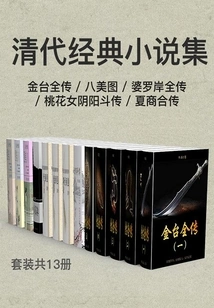
清代经典小说集:金台全传+八美图+婆罗岸全传+桃花女阴阳斗传+夏商合传(套装共13册)
Anonymous
This set of books includes a total of 13 volumes including "The Complete Biography of Jintai in 5 volumes", "Eight Beautiful Pictures", "The Complete Biography of Borneo", "The Peach Blossom Girl's Yin and Yang Fight" and "The Combined Biography of Xia and Shang in 3 volumes". "The Story of Jintai" and "The Complete Story of Jintai" describe that the famous prostitutes in Orchid Court are Duohua, Liu Xiaomei and Su Xiaomei, who are famous fireworks women in Yangzhou, with the best appearance and versatile talents. One day, Zhang Qi and Zheng Qian, the sworn brothers of Beizhou's little bully Jin Tai, were joking with three famous prostitutes in the Orchid Garden. They clashed with a hairless insect that came to play - Tantai Leopard, the son of Tantai Hui, the first-grade grand master of the dynasty. ... "The Eight Beautiful Pictures" has a total of thirty-two chapters. It was published in the Qing Dynasty, and the author cannot be verified. The story of the book revolves around the joys and sorrows experienced by Liu Shuchun, a native of Hangzhou in the Song Dynasty. The plot is tortuous and full of interest. The author has created eight beauties with distinctive images. They are full of personality, rebellious and unyielding, and are different from traditional women. Therefore, they are unforgettable to read, but at the same time they are rejected by people. The book describes many love stories between men and women, and is also full of deviant flavor. Therefore, it was criticized by conservative people at the time and was even burned.
This set of books includes a total of 13 volumes including "The Complete Biography of Jintai in 5 volumes", "Eight Beautiful Pictures", "The Complete Biography of Borneo", "The Peach Blossom Girl's Yin and Yang Fight" and "The Combined Biography of Xia and Shang in 3 volumes". "The Story of Jintai" and "The Complete Story of Jintai" describe that the famous prostitutes in Orchid Court are Duohua, Liu Xiaomei and Su Xiaomei, who are famous fireworks women in Yangzhou, with the best appearance and versatile talents. One day, Zhang Qi and Zheng Qian, the sworn brothers of Beizhou's little bully Jin Tai, were joking with three famous prostitutes in the Orchid Garden. They clashed with a hairless insect that came to play - Tantai Leopard, the son of Tantai Hui, the first-grade grand master of the dynasty. ... "The Eight Beautiful Pictures" has a total of thirty-two chapters. It was published in the Qing Dynasty, and the author cannot be verified. The story of the book revolves around the joys and sorrows experienced by Liu Shuchun, a native of Hangzhou in the Song Dynasty. The plot is tortuous and full of interest. The author has created eight beauties with distinctive images. They are full of personality, rebellious and unyielding, and are different from traditional women. Therefore, they are unforgettable to read, but at the same time they are rejected by people. The book describes many love stories between men and women, and is also full of deviant flavor. Therefore, it was criticized by conservative people at the time and was even burned.
Ying Yao Fu
Literature英耀赋
Anonymous
The "traditional classics" secretly passed down by the magicians of the Ming and Qing Dynasties belong to the category of "Secret Techniques of Scarf Boxes". The article takes the "skill of observing people" as the core and summarizes the skills of manipulating the other party through observing words and emotions and psychological speculation, such as "beautiful first and then frightening" (praising first and then scaring), "questioning and judging" (insinuating others) and other speech strategies. Although they contain political power, they reflect the practical wisdom of ancient social psychology and language manipulation.
The "traditional classics" secretly passed down by the magicians of the Ming and Qing Dynasties belong to the category of "Secret Techniques of Scarf Boxes". The article takes the "skill of observing people" as the core and summarizes the skills of manipulating the other party through observing words and emotions and psychological speculation, such as "beautiful first and then frightening" (praising first and then scaring), "questioning and judging" (insinuating others) and other speech strategies. Although they contain political power, they reflect the practical wisdom of ancient social psychology and language manipulation.
Flower Farmer·empty Lantern
General Fiction花农·空灯
Anonymous
The emperor's uncle came to seize the imperial seal. The palace people were panic-stricken and knelt down in the courtyard. The queen called Song Xiaoman into the back room: "Take Yuxi and Hang'er away." The two-year-old prince Lu Yuanhang was fed half a tranquilizing pill by the queen and fell asleep soundly. His biological mother, Concubine Cen, held him in her arms and wept. There was a moment of sadness in the queen's eyes. Her emperor husband had been assassinated, and her son Lu Shunqi, the prince, had been imprisoned. She could not save him. The secret passage is under the lotus pond. When the queen first moved into Beichen Palace, she secretly ordered the craftsmen to dig and build it, but the power was stronger than the others. Song Xiaoman cried and begged the queen to go with him. He was good at water and would protect her even if he died. The queen smiled: "Have you ever seen a queen living among the people? In the forbidden palace, you have to be conscious of death. What's more -"
The emperor's uncle came to seize the imperial seal. The palace people were panic-stricken and knelt down in the courtyard. The queen called Song Xiaoman into the back room: "Take Yuxi and Hang'er away." The two-year-old prince Lu Yuanhang was fed half a tranquilizing pill by the queen and fell asleep soundly. His biological mother, Concubine Cen, held him in her arms and wept. There was a moment of sadness in the queen's eyes. Her emperor husband had been assassinated, and her son Lu Shunqi, the prince, had been imprisoned. She could not save him. The secret passage is under the lotus pond. When the queen first moved into Beichen Palace, she secretly ordered the craftsmen to dig and build it, but the power was stronger than the others. Song Xiaoman cried and begged the queen to go with him. He was good at water and would protect her even if he died. The queen smiled: "Have you ever seen a queen living among the people? In the forbidden palace, you have to be conscious of death. What's more -"
Arabian Nights (classic Translation)
Literature天方夜谭(经典译林)
Anonymous
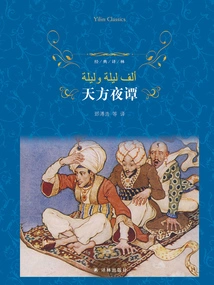
"The Arabian Nights" is a collection of ancient Arabian folk tales. The origin of the story is that a king wanted to marry a woman every night and kill her the next morning to eliminate his resentment because his queen had an affair. The prime minister's daughter voluntarily married the king in order to save the women in the country, and told the king a story every day, such as "The Fisherman and the Devil", "Alibaba and the Forty Thieves", "The Adventures of Sinbad"... She told the story for a thousand and one nights, and finally influenced the king. The content of this book covers everything, big stories within small stories, the plot is fantastic and strange, and the rhythm is distinct. The book often skillfully combines majestic emperors and ordinary people, common flowers, birds, fish, insects, and imaginary gods, demons, and monsters into philosophical and thought-provoking stories. The protagonist's courageous performance in fighting against fate, dealing with nature, and fighting against various difficulties and obstacles on the road to success is presented to readers. Reading it feels like being there, and you can't bear to put it down. Also translated as "One Thousand and One Nights".
"The Arabian Nights" is a collection of ancient Arabian folk tales. The origin of the story is that a king wanted to marry a woman every night and kill her the next morning to eliminate his resentment because his queen had an affair. The prime minister's daughter voluntarily married the king in order to save the women in the country, and told the king a story every day, such as "The Fisherman and the Devil", "Alibaba and the Forty Thieves", "The Adventures of Sinbad"... She told the story for a thousand and one nights, and finally influenced the king. The content of this book covers everything, big stories within small stories, the plot is fantastic and strange, and the rhythm is distinct. The book often skillfully combines majestic emperors and ordinary people, common flowers, birds, fish, insects, and imaginary gods, demons, and monsters into philosophical and thought-provoking stories. The protagonist's courageous performance in fighting against fate, dealing with nature, and fighting against various difficulties and obstacles on the road to success is presented to readers. Reading it feels like being there, and you can't bear to put it down. Also translated as "One Thousand and One Nights".
山海经(国学大书院)
Anonymous
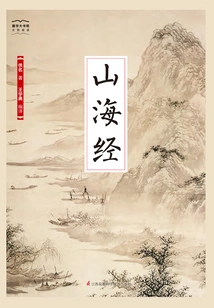
The explanation is simple, the annotations are concise, the translation is accurate and vivid, "The Classic of Mountains and Seas" is an ancient book compiled by many people from the Warring States Period to the early Han Dynasty. The records in the book are mainly myths, and the scope is huge. In addition to preserving a large amount of mythological materials, it also touches on all aspects of the academic field, such as religion, philosophy, history, ethnicity, astronomy, geography, animals, plants, medicine and other subjects. The content is all-encompassing and can be called an encyclopedia of daily life at that time.
The explanation is simple, the annotations are concise, the translation is accurate and vivid, "The Classic of Mountains and Seas" is an ancient book compiled by many people from the Warring States Period to the early Han Dynasty. The records in the book are mainly myths, and the scope is huge. In addition to preserving a large amount of mythological materials, it also touches on all aspects of the academic field, such as religion, philosophy, history, ethnicity, astronomy, geography, animals, plants, medicine and other subjects. The content is all-encompassing and can be called an encyclopedia of daily life at that time.
The Legend of White Snake
Slice of Life白蛇传
Anonymous
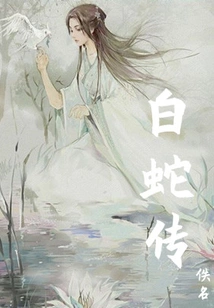
In the sky, a colorful cloud floated across. Above the colorful clouds, there is a man holding a Buddhist bead and wearing a rough yellow shabby Arhat shirt. While he kept moving the clouds to look down at the world, he was still chanting: I can recite Amitabha Buddha, and twist the beads in my hands. I have traveled all over the sky and the earth, and my high reputation will not change the Dharma Sea Immortal. Take a look, take a look, there are philistines and butchers walking around the streets, and now they are going to save a few of them in front of the Buddha, in front of the Buddha.
In the sky, a colorful cloud floated across. Above the colorful clouds, there is a man holding a Buddhist bead and wearing a rough yellow shabby Arhat shirt. While he kept moving the clouds to look down at the world, he was still chanting: I can recite Amitabha Buddha, and twist the beads in my hands. I have traveled all over the sky and the earth, and my high reputation will not change the Dharma Sea Immortal. Take a look, take a look, there are philistines and butchers walking around the streets, and now they are going to save a few of them in front of the Buddha, in front of the Buddha.
Military Love Letter (1971)
General Fiction军旅情书(1971)
Anonymous
Comrade Xiao Wu: Hello, the training date is getting closer and closer, and time is getting tighter and tighter. I originally wanted to have a good talk with you, but due to time constraints, it is no longer possible. Just write a few sentences and share my opinions. We have met twice, the first time more hastily, the second time more carefully. After coming back, strange to say, your impression always comes to my mind. I wonder, is your image deeply embedded in my mind? It seems a little too fast! Someone had introduced me to people inside and outside the military before, but no matter how good the conditions were, they still failed to tempt me. But since I saw you at the dinner table that night (2nd), a kind of admiration has arisen in my heart.
Comrade Xiao Wu: Hello, the training date is getting closer and closer, and time is getting tighter and tighter. I originally wanted to have a good talk with you, but due to time constraints, it is no longer possible. Just write a few sentences and share my opinions. We have met twice, the first time more hastily, the second time more carefully. After coming back, strange to say, your impression always comes to my mind. I wonder, is your image deeply embedded in my mind? It seems a little too fast! Someone had introduced me to people inside and outside the military before, but no matter how good the conditions were, they still failed to tempt me. But since I saw you at the dinner table that night (2nd), a kind of admiration has arisen in my heart.
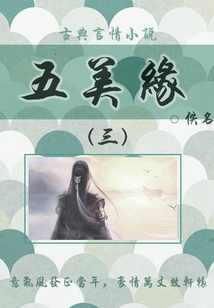
Classical Romance Novels: Five Beautiful Marriages (3)
General Fiction古典言情小说:五美缘(三)
Anonymous
"Five Beauties" is a famous romance novel that was quite famous when it was first published. It was also a novel that had been banned. Readers who are interested in this kind of classical literature must read this book. The book tells the story of the marriage between scholar Feng Xu and five beauties. Among them, the protagonist goes through many twists and turns and hardships, and finally marries the five beauties, achieving the "five beauties". The book is full of praise for women, but at the same time there are also some plot descriptions that exaggerate the love between men and women. In the Qing Dynasty, it was classified as an "obscene book" and was also banned. The work is quite distinctive in terms of artistic expression: the storyline is vivid and fascinating; the characters are numerous and full of personality, especially the description of the five beauties. They have distinct personalities, changing the model of women in previous novels being weak and dependent on others for survival, and writing about their strong characters. The structure of the book is rigorous and dense; the writing style is vivid and rich, and the events, characters and scenes written are as if they were there, and the images are vivid. The writing is simple and interesting, with endless aftertaste, making it hard to put down after reading it.
"Five Beauties" is a famous romance novel that was quite famous when it was first published. It was also a novel that had been banned. Readers who are interested in this kind of classical literature must read this book. The book tells the story of the marriage between scholar Feng Xu and five beauties. Among them, the protagonist goes through many twists and turns and hardships, and finally marries the five beauties, achieving the "five beauties". The book is full of praise for women, but at the same time there are also some plot descriptions that exaggerate the love between men and women. In the Qing Dynasty, it was classified as an "obscene book" and was also banned. The work is quite distinctive in terms of artistic expression: the storyline is vivid and fascinating; the characters are numerous and full of personality, especially the description of the five beauties. They have distinct personalities, changing the model of women in previous novels being weak and dependent on others for survival, and writing about their strong characters. The structure of the book is rigorous and dense; the writing style is vivid and rich, and the events, characters and scenes written are as if they were there, and the images are vivid. The writing is simple and interesting, with endless aftertaste, making it hard to put down after reading it.
Farewell Time
General Fiction告别时分
Anonymous
What a surprise to meet you so far away. Yes, it's like an arranged joke. When was the last time we met? Three years ago, I didn't see you again for three whole years. It was a good time, that's when you remember someone. --Have you ever thought of me for anything in the past three years? I can't remember, but I will always think of you because of something. Do you still remember my name? Yes. But you never called me by my name, especially when I met you so far away. Yes, when I met you three years ago, I never called you by your name. He recalled the situation when they met, but he couldn't think of a very precise impression.
What a surprise to meet you so far away. Yes, it's like an arranged joke. When was the last time we met? Three years ago, I didn't see you again for three whole years. It was a good time, that's when you remember someone. --Have you ever thought of me for anything in the past three years? I can't remember, but I will always think of you because of something. Do you still remember my name? Yes. But you never called me by my name, especially when I met you so far away. Yes, when I met you three years ago, I never called you by your name. He recalled the situation when they met, but he couldn't think of a very precise impression.
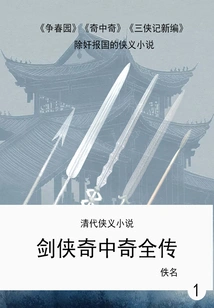
Chivalrous Novels of the Qing Dynasty: the Complete Biography of the Swordsman and the Strange Stranger (1)
General Fiction清代侠义小说:剑侠奇中奇全传(1)
Anonymous
"The Complete Biography of Swordsman Pei Fengyuan", also known as "Zheng Chunyuan", "Qi Zhongqi", "New Edition of Three Heroes" and "The Complete Biography of Swordsman Pei Fengyuan", is a chivalrous vernacular novel that has been quite popular since the middle of the Qing Dynasty, with forty-eight chapters. It tells the story of Hao Luan, Bao Gang, Ma Jun and others who eradicated evil and served the country during the era of Emperor Ping of the Han Dynasty. The plot of the novel is ups and downs and exciting. It is a novel with excellent plot and writing. If the person is not surprising, then he will not pass it on, and if the event is not surprising, then he will not pass it on. If the person and his deeds are both strange, and if there is no wonderful writing to describe them, then they will not be passed on. Hao Bao and others act straightforwardly and are loyal to their emperor and friends. They are also strange people, strange things, and also strange writings. In the editor, Ma Jun is especially described in detail, how he got to know each other in prison and how he escaped Shuyuan from the trap. To eliminate danger, go straight into the tiger's den; to protect the king, go deep into the dragon's palace. He is the first person in the book, and also the first person among the knights throughout the ages. The title is "Zheng Chun Yuan", and it talks about Hao but not Bao Ma, which is the outline. Talking about Qixia but not Sun Pei is the opposite of the scenery. When the clouds gather and the moon rises, I lean on the railing and read it. Every time I hit the knot, it becomes clear, and I feel like I see jade butterflies coming and going in a vivid way. At that time, on the Wrong Day in the late spring of Jimao, Jisheng wrote the inscription on the west side of the photo tower.
"The Complete Biography of Swordsman Pei Fengyuan", also known as "Zheng Chunyuan", "Qi Zhongqi", "New Edition of Three Heroes" and "The Complete Biography of Swordsman Pei Fengyuan", is a chivalrous vernacular novel that has been quite popular since the middle of the Qing Dynasty, with forty-eight chapters. It tells the story of Hao Luan, Bao Gang, Ma Jun and others who eradicated evil and served the country during the era of Emperor Ping of the Han Dynasty. The plot of the novel is ups and downs and exciting. It is a novel with excellent plot and writing. If the person is not surprising, then he will not pass it on, and if the event is not surprising, then he will not pass it on. If the person and his deeds are both strange, and if there is no wonderful writing to describe them, then they will not be passed on. Hao Bao and others act straightforwardly and are loyal to their emperor and friends. They are also strange people, strange things, and also strange writings. In the editor, Ma Jun is especially described in detail, how he got to know each other in prison and how he escaped Shuyuan from the trap. To eliminate danger, go straight into the tiger's den; to protect the king, go deep into the dragon's palace. He is the first person in the book, and also the first person among the knights throughout the ages. The title is "Zheng Chun Yuan", and it talks about Hao but not Bao Ma, which is the outline. Talking about Qixia but not Sun Pei is the opposite of the scenery. When the clouds gather and the moon rises, I lean on the railing and read it. Every time I hit the knot, it becomes clear, and I feel like I see jade butterflies coming and going in a vivid way. At that time, on the Wrong Day in the late spring of Jimao, Jisheng wrote the inscription on the west side of the photo tower.
Thirty-six Strategies
Military三十六计
Anonymous
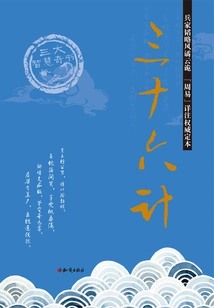
The book "Thirty-six Strategies" is divided into six sets (strategy for victory, strategy for fighting the enemy, strategy for attacking the enemy, strategy for melee, strategy for merging, and strategy for defeat), and each set contains six strategies. The first three sets are tactics used when we are at an advantage when we are strong and the enemy is weak. The last three sets are tactics used when we are at a disadvantage when the enemy is strong and we are weak.
The book "Thirty-six Strategies" is divided into six sets (strategy for victory, strategy for fighting the enemy, strategy for attacking the enemy, strategy for melee, strategy for merging, and strategy for defeat), and each set contains six strategies. The first three sets are tactics used when we are at an advantage when we are strong and the enemy is weak. The last three sets are tactics used when we are at a disadvantage when the enemy is strong and we are weak.
三十六计(国学大书院)
Anonymous
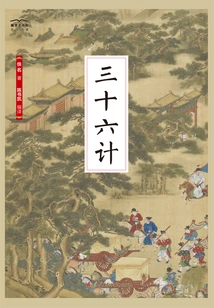
"Thirty-Six Strategies" or "Thirty-six Strategies" refers to the thirty-six military strategies in ancient China. The term originated from the Southern and Northern Dynasties. It is a military book summarized based on ancient Chinese military thoughts and rich struggle experience. It is one of the long-standing intangible cultural heritage of the Chinese nation. "Thirty-six Strategies" is unique and top-notch among many military books. It is a classic in the treasure house of Chinese nation's wisdom. Together with "Sun Tzu's Art of War", it is called the "double gem" in the world's military history. Therefore, it is said in ancient books: "Use soldiers like Sun Tzu, and make thirty-six plans."
"Thirty-Six Strategies" or "Thirty-six Strategies" refers to the thirty-six military strategies in ancient China. The term originated from the Southern and Northern Dynasties. It is a military book summarized based on ancient Chinese military thoughts and rich struggle experience. It is one of the long-standing intangible cultural heritage of the Chinese nation. "Thirty-six Strategies" is unique and top-notch among many military books. It is a classic in the treasure house of Chinese nation's wisdom. Together with "Sun Tzu's Art of War", it is called the "double gem" in the world's military history. Therefore, it is said in ancient books: "Use soldiers like Sun Tzu, and make thirty-six plans."
Talk About the Complete Biography of Tang Dynasty
General Fiction说唐全传
Anonymous
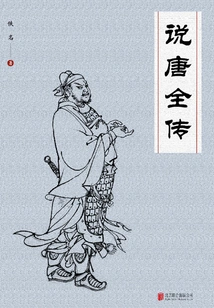
"The Complete Biography of the Tang Dynasty" begins with the peasant uprising in the late Sui Dynasty and ends with the Tang king Li Shimin leading the heroes to pacify the separatist forces and ascend the throne. It details the story of the heroes of Wagangzhai who gathered to rebel against the Sui Dynasty and help the founding of the Tang Dynasty. It shows the vigorous and turbulent era of the Eighteenth Route to rebel against the king and the Sixty-fourth Route. The book takes the gathering of heroes in Wagangzhai as the core, creates many suspenseful atmospheres, details many majestic battle scenes, and creates many lively and charming characters, such as Qin Shubao, Shan Xiongxin, Cheng Yaojin, Xu Maogong, Luo Cheng, etc. Among them were poor people from the lower class, horsemen and horsemen, nobles and nobles in important positions, famous generals, heroes from the forest, and heroic heroes who roamed the country. They had different backgrounds and life experiences. Because they had similar interests and the same beliefs, they gathered under the anti-Sui banner without hesitation, which fully demonstrated that "those who win the hearts of the people win the world"...
"The Complete Biography of the Tang Dynasty" begins with the peasant uprising in the late Sui Dynasty and ends with the Tang king Li Shimin leading the heroes to pacify the separatist forces and ascend the throne. It details the story of the heroes of Wagangzhai who gathered to rebel against the Sui Dynasty and help the founding of the Tang Dynasty. It shows the vigorous and turbulent era of the Eighteenth Route to rebel against the king and the Sixty-fourth Route. The book takes the gathering of heroes in Wagangzhai as the core, creates many suspenseful atmospheres, details many majestic battle scenes, and creates many lively and charming characters, such as Qin Shubao, Shan Xiongxin, Cheng Yaojin, Xu Maogong, Luo Cheng, etc. Among them were poor people from the lower class, horsemen and horsemen, nobles and nobles in important positions, famous generals, heroes from the forest, and heroic heroes who roamed the country. They had different backgrounds and life experiences. Because they had similar interests and the same beliefs, they gathered under the anti-Sui banner without hesitation, which fully demonstrated that "those who win the hearts of the people win the world"...
Five Rats Causing Trouble in Tokyo
General Fiction五鼠闹东京
Anonymous
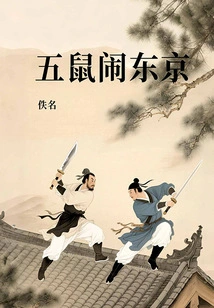
During the Northern Song Dynasty, a mouse under the Tathagata secretly learned Buddhism. As its power gradually grew, it transformed into five heavenly mice with great supernatural powers and descended to the earth. They act wantonly in the human world, transforming into scholars, prime ministers, emperors, etc. To satisfy their selfish desires. On his way to take the exam, scholar Shi Jun was tricked by one of the Five Rats, who pretended to be Shi Jun and even cheated on his wife. The dispute between the real and fake Shi Jun caused chaos in the local area. It was difficult for Shi Jun's family to distinguish the authenticity, and the neighbors were also talking about it. This bizarre case soon spread among the people, causing a great sensation. After a series of chaos, the case finally fell into the hands of Bao Gong. Bao Gong borrowed the jade-faced golden cat to bite four heavenly rats to death. The five rats escaped back to heaven and were removed by the Tathagata, and the case ended.
During the Northern Song Dynasty, a mouse under the Tathagata secretly learned Buddhism. As its power gradually grew, it transformed into five heavenly mice with great supernatural powers and descended to the earth. They act wantonly in the human world, transforming into scholars, prime ministers, emperors, etc. To satisfy their selfish desires. On his way to take the exam, scholar Shi Jun was tricked by one of the Five Rats, who pretended to be Shi Jun and even cheated on his wife. The dispute between the real and fake Shi Jun caused chaos in the local area. It was difficult for Shi Jun's family to distinguish the authenticity, and the neighbors were also talking about it. This bizarre case soon spread among the people, causing a great sensation. After a series of chaos, the case finally fell into the hands of Bao Gong. Bao Gong borrowed the jade-faced golden cat to bite four heavenly rats to death. The five rats escaped back to heaven and were removed by the Tathagata, and the case ended.
Storytelling (incomplete Version)
General Fiction掌故演义(残缺本)
Anonymous
Seven chapters of the Qing Dynasty novel "The Romance of the Story". The novel was written from the late Ming Dynasty. The Zhu Ming Dynasty was declining, and there was great chaos in the country. Two people rebelled in the Shanshan and Shaanxi areas. One is Li Zicheng and the other is Zhang Xianzhong. Not only internal strife broke out, but also foreign invasions occurred one after another. The biggest headache for the Ming court was the intrusion of the Manchus in the northeast, which ultimately led to the disastrous defeat of the Saarhu Ming army. It shows the historical situation and is worth reading.
Seven chapters of the Qing Dynasty novel "The Romance of the Story". The novel was written from the late Ming Dynasty. The Zhu Ming Dynasty was declining, and there was great chaos in the country. Two people rebelled in the Shanshan and Shaanxi areas. One is Li Zicheng and the other is Zhang Xianzhong. Not only internal strife broke out, but also foreign invasions occurred one after another. The biggest headache for the Ming court was the intrusion of the Manchus in the northeast, which ultimately led to the disastrous defeat of the Saarhu Ming army. It shows the historical situation and is worth reading.
Liang Shanbo and Zhu Yingtai (vernacular Version)
General Fiction梁山伯与祝英台(白话版)
Anonymous
This book is written in vernacular, and the language is concise and easy to understand. "Liang Shanbo and Zhu Yingtai" is one of the four major folk love legends in ancient China. It is centered on poignant love and resistance to feudal ethics. During the Eastern Jin Dynasty, Zhu Yingtai, a wealthy girl from Shangyu, longed to study, so she disguised herself as a man and went to Kuaiji Academy to study, and became a brother with Liang Shanbo, a poor boy. The two have been classmates for three years and have a deep friendship. Yingtai has a secret affection but cannot express it openly. Before leaving, she hinted at her identity by saying "there is a sister in the family waiting to be married" (actually referring to herself), and asked Shanbo to propose marriage in the future. Shanbo came to visit and found out that Yingtai was a woman, but found that she had been betrothed to Ma Wencai, the son of the Ma family, by her father. The two met on the balcony and confided their hearts to each other but were unable to change their fate - Zhu's father refused to marry on the grounds of family status, and Shan Bo eventually died of illness with regret. On the day of her wedding, Yingtai insisted on taking a detour to Shanbo's tomb to cry and offer sacrifices. Suddenly the tomb opened, and Yingtai jumped into it regardless of his own safety. Then a storm started, and a pair of colorful butterflies flew out of the tomb, symbolizing that the two souls had broken away from the shackles of ethics and would be together forever. The story has a romantic ending of "turning into a butterfly", praising the loyalty and unyielding love, and has become a classic symbol in Chinese folk culture of resisting the feudal marriage system and pursuing free love.
This book is written in vernacular, and the language is concise and easy to understand. "Liang Shanbo and Zhu Yingtai" is one of the four major folk love legends in ancient China. It is centered on poignant love and resistance to feudal ethics. During the Eastern Jin Dynasty, Zhu Yingtai, a wealthy girl from Shangyu, longed to study, so she disguised herself as a man and went to Kuaiji Academy to study, and became a brother with Liang Shanbo, a poor boy. The two have been classmates for three years and have a deep friendship. Yingtai has a secret affection but cannot express it openly. Before leaving, she hinted at her identity by saying "there is a sister in the family waiting to be married" (actually referring to herself), and asked Shanbo to propose marriage in the future. Shanbo came to visit and found out that Yingtai was a woman, but found that she had been betrothed to Ma Wencai, the son of the Ma family, by her father. The two met on the balcony and confided their hearts to each other but were unable to change their fate - Zhu's father refused to marry on the grounds of family status, and Shan Bo eventually died of illness with regret. On the day of her wedding, Yingtai insisted on taking a detour to Shanbo's tomb to cry and offer sacrifices. Suddenly the tomb opened, and Yingtai jumped into it regardless of his own safety. Then a storm started, and a pair of colorful butterflies flew out of the tomb, symbolizing that the two souls had broken away from the shackles of ethics and would be together forever. The story has a romantic ending of "turning into a butterfly", praising the loyalty and unyielding love, and has become a classic symbol in Chinese folk culture of resisting the feudal marriage system and pursuing free love.

Wenliangzhan
General Fiction温凉盏
Anonymous
"Wenliangzhan", a Manchu-Chinese manuscript, now only exists in the Kyoto University Library in Japan. This is a rare book with Manchu "single characters restored to their pronunciation". The whole book is written in spoken language, and most of it appears in storytelling. According to research on this book, it is either adapted from Tanci, or it is a creative habit of the Manchu author.
"Wenliangzhan", a Manchu-Chinese manuscript, now only exists in the Kyoto University Library in Japan. This is a rare book with Manchu "single characters restored to their pronunciation". The whole book is written in spoken language, and most of it appears in storytelling. According to research on this book, it is either adapted from Tanci, or it is a creative habit of the Manchu author.
Zhangtailiu
General Fiction章台柳
Anonymous
"Zhangtai Liu", a romance novel from the Qing Dynasty. The novel tells the story of Han Yi, a scholar from Nanyang, Zhengzhou, who went to Beijing to take the exam during the Tianbao period of the Tang Dynasty. Li Wangsun once built Zhangtai for his beloved concubine Liu, and Han Yi and Empress Liu of Zhangtai fell in love with each other. Li Wangsun then married the Liu family to Han Yi. The novel is a perfunctory adaptation of the Tang Dynasty legend "The Biography of the Liu Family". It narrates the love affairs and joys and sorrows of Han and Liu before and after the Anshi Rebellion, and shows the living conditions of talented people and beautiful ladies in social turmoil.
"Zhangtai Liu", a romance novel from the Qing Dynasty. The novel tells the story of Han Yi, a scholar from Nanyang, Zhengzhou, who went to Beijing to take the exam during the Tianbao period of the Tang Dynasty. Li Wangsun once built Zhangtai for his beloved concubine Liu, and Han Yi and Empress Liu of Zhangtai fell in love with each other. Li Wangsun then married the Liu family to Han Yi. The novel is a perfunctory adaptation of the Tang Dynasty legend "The Biography of the Liu Family". It narrates the love affairs and joys and sorrows of Han and Liu before and after the Anshi Rebellion, and shows the living conditions of talented people and beautiful ladies in social turmoil.
施公案(中)(中国古典公案小说精品书库)
Anonymous
"Shi Gongan", also known as "The Wonders of Baidu" and "The Strange Stories of Shi Shilun", is a chivalrous public case novel based on the life of Shi Shilun (Shi Shilun in the novel) of the Qing Dynasty. Shi Shilun, courtesy name Wenxian, was born in the Kangxi period of the Qing Dynasty.
"Shi Gongan", also known as "The Wonders of Baidu" and "The Strange Stories of Shi Shilun", is a chivalrous public case novel based on the life of Shi Shilun (Shi Shilun in the novel) of the Qing Dynasty. Shi Shilun, courtesy name Wenxian, was born in the Kangxi period of the Qing Dynasty.
施公案(下)(中国古典公案小说精品书库)
Anonymous
"Shi Gongan", also known as "The Wonders of Baidu" and "The Strange Stories of Shi Shilun", is a chivalrous public case novel based on the life of Shi Shilun (Shi Shilun in the novel) of the Qing Dynasty. Shi Shilun, courtesy name Wenxian, was born in the Kangxi period of the Qing Dynasty.
"Shi Gongan", also known as "The Wonders of Baidu" and "The Strange Stories of Shi Shilun", is a chivalrous public case novel based on the life of Shi Shilun (Shi Shilun in the novel) of the Qing Dynasty. Shi Shilun, courtesy name Wenxian, was born in the Kangxi period of the Qing Dynasty.
施公案(上)(中国古典公案小说精品书库)
Anonymous
"Shi Gongan", also known as "The Wonders of Baidu" and "The Strange Stories of Shi Shilun", is a chivalrous public case novel based on the life of Shi Shilun (Shi Shilun in the novel) of the Qing Dynasty. Shi Shilun, courtesy name Wenxian, was born in the Kangxi period of the Qing Dynasty.
"Shi Gongan", also known as "The Wonders of Baidu" and "The Strange Stories of Shi Shilun", is a chivalrous public case novel based on the life of Shi Shilun (Shi Shilun in the novel) of the Qing Dynasty. Shi Shilun, courtesy name Wenxian, was born in the Kangxi period of the Qing Dynasty.
罗家将(中国古典演义小说精品书库)
Anonymous
Among ancient Chinese popular literary works, the "Jiajiang" series of novels, which mainly focus on the heroic deeds of famous military generals, have always been deeply loved by ordinary people. "The Generals of the Luo Family", which appeared during the Qianlong period of the Qing Dynasty, is the only popular novel that completely and systematically tells the story of the Luo Family Generals.
Among ancient Chinese popular literary works, the "Jiajiang" series of novels, which mainly focus on the heroic deeds of famous military generals, have always been deeply loved by ordinary people. "The Generals of the Luo Family", which appeared during the Qianlong period of the Qing Dynasty, is the only popular novel that completely and systematically tells the story of the Luo Family Generals.
Thirty-six Strategies
Military三十六计
Anonymous
"Thirty-six Strategies" is a military book based on the outstanding military thoughts and rich struggle experience of ancient China. It is a summary of the practical experience of countless wars in China's past dynasties. It can be called a "gathering of wisdom and the culmination of strategies". "Thirty-Six Strategies" originated from the Southern and Northern Dynasties and was written in the Ming and Qing Dynasties. It is divided into six sets according to the name of the plan, namely victory plan, enemy war plan, attack plan, melee plan, merging plan and defeat plan. Each set contains six strategies, totaling thirty-six strategies. The explanation after each name contains elements of simple military dialectics. This book combines history and theory to give full play to the interpretation of war events on the strategy, allowing readers to understand the strategy in the story.
"Thirty-six Strategies" is a military book based on the outstanding military thoughts and rich struggle experience of ancient China. It is a summary of the practical experience of countless wars in China's past dynasties. It can be called a "gathering of wisdom and the culmination of strategies". "Thirty-Six Strategies" originated from the Southern and Northern Dynasties and was written in the Ming and Qing Dynasties. It is divided into six sets according to the name of the plan, namely victory plan, enemy war plan, attack plan, melee plan, merging plan and defeat plan. Each set contains six strategies, totaling thirty-six strategies. The explanation after each name contains elements of simple military dialectics. This book combines history and theory to give full play to the interpretation of war events on the strategy, allowing readers to understand the strategy in the story.
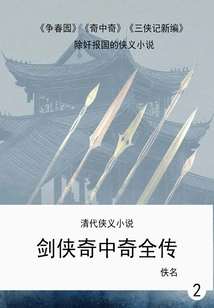
Chivalry Novels of the Qing Dynasty: the Complete Biography of the Swordsman and the Strange Among the Strange (2)
General Fiction清代侠义小说:剑侠奇中奇全传(2)
Anonymous
"The Complete Biography of Swordsman Pei Fengyuan", also known as "Zheng Chunyuan", "Qi Zhongqi", "New Edition of Three Heroes" and "The Complete Biography of Swordsman Pei Fengyuan", is a chivalrous vernacular novel that has been quite popular since the middle of the Qing Dynasty, with forty-eight chapters. It tells the story of Hao Luan, Bao Gang, Ma Jun and others who eradicated evil and served the country during the era of Emperor Ping of the Han Dynasty. The plot of the novel is ups and downs and exciting. It is a novel with excellent plot and writing. If the person is not surprising, then he will not pass it on, and if the event is not surprising, then he will not pass it on. If the person and his deeds are both strange, and if there is no wonderful writing to describe them, then they will not be passed on. Hao Bao and others act straightforwardly and are loyal to their emperor and friends. They are also strange people, strange things, and also strange writings. In the editor, Ma Jun is especially described in detail, how he got to know each other in prison and how he escaped Shuyuan from the trap. To eliminate danger, go straight into the tiger's den; to protect the king, go deep into the dragon's palace. He is the first person in the book, and also the first person among the knights throughout the ages. The title is "Zheng Chun Yuan", and it talks about Hao but not Bao Ma, which is the outline. Talking about Qixia but not Sun Pei is the opposite of the scenery. When the clouds gather and the moon rises, I lean on the railing and read it. Every time I hit the knot, it becomes clear, and I feel like I see jade butterflies coming and going in a vivid way. At that time, on the Wrong Day in the late spring of Jimao, Jisheng wrote the inscription on the west side of the photo tower.
"The Complete Biography of Swordsman Pei Fengyuan", also known as "Zheng Chunyuan", "Qi Zhongqi", "New Edition of Three Heroes" and "The Complete Biography of Swordsman Pei Fengyuan", is a chivalrous vernacular novel that has been quite popular since the middle of the Qing Dynasty, with forty-eight chapters. It tells the story of Hao Luan, Bao Gang, Ma Jun and others who eradicated evil and served the country during the era of Emperor Ping of the Han Dynasty. The plot of the novel is ups and downs and exciting. It is a novel with excellent plot and writing. If the person is not surprising, then he will not pass it on, and if the event is not surprising, then he will not pass it on. If the person and his deeds are both strange, and if there is no wonderful writing to describe them, then they will not be passed on. Hao Bao and others act straightforwardly and are loyal to their emperor and friends. They are also strange people, strange things, and also strange writings. In the editor, Ma Jun is especially described in detail, how he got to know each other in prison and how he escaped Shuyuan from the trap. To eliminate danger, go straight into the tiger's den; to protect the king, go deep into the dragon's palace. He is the first person in the book, and also the first person among the knights throughout the ages. The title is "Zheng Chun Yuan", and it talks about Hao but not Bao Ma, which is the outline. Talking about Qixia but not Sun Pei is the opposite of the scenery. When the clouds gather and the moon rises, I lean on the railing and read it. Every time I hit the knot, it becomes clear, and I feel like I see jade butterflies coming and going in a vivid way. At that time, on the Wrong Day in the late spring of Jimao, Jisheng wrote the inscription on the west side of the photo tower.
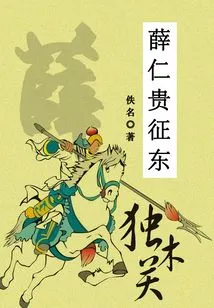
Xue Rengui Marches Eastward
History薛仁贵征东
Anonymous
A long time ago, there were stories among the people about Tang Erzhu's expedition to the East or Xue Rengui's expedition to the East. The two masters of the Tang Dynasty were Emperor Taizong of the Tang Dynasty, and Xue Rengui was a famous military general in the early Tang Dynasty. In order to regain Liaodong and unify the world, Emperor Taizong of the Tang Dynasty sent troops to conquer Goguryeo three times, conquered Gaisuwen, killed the rebels, and rescued Silla.
A long time ago, there were stories among the people about Tang Erzhu's expedition to the East or Xue Rengui's expedition to the East. The two masters of the Tang Dynasty were Emperor Taizong of the Tang Dynasty, and Xue Rengui was a famous military general in the early Tang Dynasty. In order to regain Liaodong and unify the world, Emperor Taizong of the Tang Dynasty sent troops to conquer Goguryeo three times, conquered Gaisuwen, killed the rebels, and rescued Silla.
Hufu Maqu
General Fiction伙夫玛曲
Anonymous
No one. The corridor in the door mirror is empty and quiet, as if no ghost has ever been there. Maqu retracted her gaze and walked lightly into the bedroom. Papaya was still sleeping deeply. The moonlight seemed to be snatching him away, crackling through the screen window and falling on Papaya's body. Papaya's naked body was like a piece of Jun porcelain. Maqu felt inexplicably panicked. He wanted to drive away the moonlight, but found that the curtains were no longer needed, so he placed himself between the moonlight and the papaya to block it for a while. Late at night, he walked back to the living room and put the cockroach that was about to be crushed to death into the box. The box was made by Maqu himself. It was made of six pieces of transparent plexiglass, and many ventilation holes were poked with a soldering iron. The inspiration for making the box came from the spider room in the insect world of the zoo.
No one. The corridor in the door mirror is empty and quiet, as if no ghost has ever been there. Maqu retracted her gaze and walked lightly into the bedroom. Papaya was still sleeping deeply. The moonlight seemed to be snatching him away, crackling through the screen window and falling on Papaya's body. Papaya's naked body was like a piece of Jun porcelain. Maqu felt inexplicably panicked. He wanted to drive away the moonlight, but found that the curtains were no longer needed, so he placed himself between the moonlight and the papaya to block it for a while. Late at night, he walked back to the living room and put the cockroach that was about to be crushed to death into the box. The box was made by Maqu himself. It was made of six pieces of transparent plexiglass, and many ventilation holes were poked with a soldering iron. The inspiration for making the box came from the spider room in the insect world of the zoo.
Classical Romance Novels: Five Beautiful Marriages (2)
General Fiction古典言情小说:五美缘(二)
Anonymous
"Five Beauties" is a famous romance novel that was quite famous when it was first published. It was also a novel that had been banned. Readers who are interested in this kind of classical literature must read this book. The book tells the story of the marriage between scholar Feng Xu and five beauties. Among them, the protagonist goes through many twists and turns and hardships, and finally marries the five beauties, achieving the "five beauties". The book is full of praise for women, but at the same time there are also some plot descriptions that exaggerate the love between men and women. In the Qing Dynasty, it was classified as an "obscene book" and was also banned. The work is quite distinctive in terms of artistic expression: the storyline is vivid and fascinating; the characters are numerous and full of personality, especially the description of the five beauties. They have distinct personalities, changing the model of women in previous novels being weak and dependent on others for survival, and writing about their strong characters. The structure of the book is rigorous and dense; the writing style is vivid and rich, and the events, characters and scenes written are as if they were there, and the images are vivid. The writing is simple and interesting, with endless aftertaste, making it hard to put down after reading it.
"Five Beauties" is a famous romance novel that was quite famous when it was first published. It was also a novel that had been banned. Readers who are interested in this kind of classical literature must read this book. The book tells the story of the marriage between scholar Feng Xu and five beauties. Among them, the protagonist goes through many twists and turns and hardships, and finally marries the five beauties, achieving the "five beauties". The book is full of praise for women, but at the same time there are also some plot descriptions that exaggerate the love between men and women. In the Qing Dynasty, it was classified as an "obscene book" and was also banned. The work is quite distinctive in terms of artistic expression: the storyline is vivid and fascinating; the characters are numerous and full of personality, especially the description of the five beauties. They have distinct personalities, changing the model of women in previous novels being weak and dependent on others for survival, and writing about their strong characters. The structure of the book is rigorous and dense; the writing style is vivid and rich, and the events, characters and scenes written are as if they were there, and the images are vivid. The writing is simple and interesting, with endless aftertaste, making it hard to put down after reading it.
Classical Romance Novels: Five Beauties (1)
General Fiction古典言情小说:五美缘(一)
Anonymous
"Five Beauties" is a famous romance novel that was quite famous when it was first published. It was also a novel that had been banned. Readers who are interested in this kind of classical literature must read this book. The book tells the story of the marriage between scholar Feng Xu and five beauties. Among them, the protagonist goes through many twists and turns and hardships, and finally marries the five beauties, achieving the "five beauties". The book is full of praise for women, but at the same time there are also some plot descriptions that exaggerate the love between men and women. In the Qing Dynasty, it was classified as an "obscene book" and was also banned. The work is quite distinctive in terms of artistic expression: the storyline is vivid and fascinating; the characters are numerous and full of personality, especially the description of the five beauties. They have distinct personalities, changing the model of women in previous novels being weak and dependent on others for survival, and writing about their strong characters. The structure of the book is rigorous and dense; the writing style is vivid and rich, and the events, characters and scenes written are as if they were there, and the images are vivid. The writing is simple and interesting, with endless aftertaste, making it hard to put down after reading it.
"Five Beauties" is a famous romance novel that was quite famous when it was first published. It was also a novel that had been banned. Readers who are interested in this kind of classical literature must read this book. The book tells the story of the marriage between scholar Feng Xu and five beauties. Among them, the protagonist goes through many twists and turns and hardships, and finally marries the five beauties, achieving the "five beauties". The book is full of praise for women, but at the same time there are also some plot descriptions that exaggerate the love between men and women. In the Qing Dynasty, it was classified as an "obscene book" and was also banned. The work is quite distinctive in terms of artistic expression: the storyline is vivid and fascinating; the characters are numerous and full of personality, especially the description of the five beauties. They have distinct personalities, changing the model of women in previous novels being weak and dependent on others for survival, and writing about their strong characters. The structure of the book is rigorous and dense; the writing style is vivid and rich, and the events, characters and scenes written are as if they were there, and the images are vivid. The writing is simple and interesting, with endless aftertaste, making it hard to put down after reading it.
Shuohuquanzhuan
History说呼全传
Anonymous
There are thousands of novelists competing for beauty and wonder, and there are more than just a lot of them. However, they must be able to publish and implement those who are concerned with punishment, encouragement, and support. All theories about stealing fragrance and jade, and words that corrupt vulgarity and hurt public health, although their work is straightforward, should be paid to Zulong. After reading the book "Shuo Hu", I found that during the process, I went into danger to find relatives, remodeled the tomb for sacrifice, and finally regained the hatred of the sworn enemy. This is filial piety; saving the prince from the mouths of the four tigers, complaining about his grievances in the court of the eight kings, and being willing to ask for the edict to eliminate the traitor and eliminate the traitor is loyalty. Maintaining loyalty and filial piety can be used as a persuasion. When the Pang family took over the power, they were traitors on the outside and inside, and their whole family was destroyed. How could it be a punishment? Wei Xia and the annals of history, it is enough to encourage and punish those who are as bright as the sun and stars. There is no need to borrow it in the palace and wild rides. However, the ancient literature and its profound meaning recorded in the historical annals are enough for scholars and officials to caress and play. It cannot be used to make a household name. If you want to make it a household name, then the book is not without its help. In the forty-fourth year of Qianlong's reign, during the Qinghe month and the auspicious month, old man Zilin came out of Xihongqiao to challenge Luo Cuishan.
There are thousands of novelists competing for beauty and wonder, and there are more than just a lot of them. However, they must be able to publish and implement those who are concerned with punishment, encouragement, and support. All theories about stealing fragrance and jade, and words that corrupt vulgarity and hurt public health, although their work is straightforward, should be paid to Zulong. After reading the book "Shuo Hu", I found that during the process, I went into danger to find relatives, remodeled the tomb for sacrifice, and finally regained the hatred of the sworn enemy. This is filial piety; saving the prince from the mouths of the four tigers, complaining about his grievances in the court of the eight kings, and being willing to ask for the edict to eliminate the traitor and eliminate the traitor is loyalty. Maintaining loyalty and filial piety can be used as a persuasion. When the Pang family took over the power, they were traitors on the outside and inside, and their whole family was destroyed. How could it be a punishment? Wei Xia and the annals of history, it is enough to encourage and punish those who are as bright as the sun and stars. There is no need to borrow it in the palace and wild rides. However, the ancient literature and its profound meaning recorded in the historical annals are enough for scholars and officials to caress and play. It cannot be used to make a household name. If you want to make it a household name, then the book is not without its help. In the forty-fourth year of Qianlong's reign, during the Qinghe month and the auspicious month, old man Zilin came out of Xihongqiao to challenge Luo Cuishan.
The Legend of Ming Dynasty (4)
General Fiction大明奇侠传(四)
Anonymous
Diao Long was temporarily defeated and led his remaining troops to break out of the encirclement and set up camp more than fifty miles away. After taking a short rest, Diao Long had no choice but to lead the defeated troops and defect to the veteran Zhang Cheng at Touguan. Just when the two met to discuss matters, the Yan family father and son had already heard the news and led their troops. Seeing that the situation was not right, Diao Long abandoned the central camp and seized the road and fled. When Mr. Yan saw this, he chased Diao Long alone. Diao Long was caught up by the young master, beaten with a hammer and his brain was split, and he died on his horse. Mr. Yan dismounted his horse, cut off his head, and took him to the front of the army. When Uncle Diao Guo heard that his son had been killed, he was deeply saddened. He wrote to the emperor Yan Yu to rebel and avenge himself, and he wanted to avenge his son. Uncle Diao asked Empress Diao to lend him a gold medal to falsely convey the imperial edict, and designed to frame Mr. Yan and others.
Diao Long was temporarily defeated and led his remaining troops to break out of the encirclement and set up camp more than fifty miles away. After taking a short rest, Diao Long had no choice but to lead the defeated troops and defect to the veteran Zhang Cheng at Touguan. Just when the two met to discuss matters, the Yan family father and son had already heard the news and led their troops. Seeing that the situation was not right, Diao Long abandoned the central camp and seized the road and fled. When Mr. Yan saw this, he chased Diao Long alone. Diao Long was caught up by the young master, beaten with a hammer and his brain was split, and he died on his horse. Mr. Yan dismounted his horse, cut off his head, and took him to the front of the army. When Uncle Diao Guo heard that his son had been killed, he was deeply saddened. He wrote to the emperor Yan Yu to rebel and avenge himself, and he wanted to avenge his son. Uncle Diao asked Empress Diao to lend him a gold medal to falsely convey the imperial edict, and designed to frame Mr. Yan and others.
The Legend of Ming Dynasty (3)
General Fiction大明奇侠传(三)
Anonymous
Zhong Pei was responsible for building the Great Wall. Uncle Diao wanted to kill him, so he wrote to Hu Shen, the commander-in-chief of Beilang Pass, asking him to try to kill Zhong Pei. Hu Shen sent flag officer Ma Xun to inspect the work in the Guanxia construction yard. This flag sign wanted to defraud money, but looking at Zhong Pei's words and deeds, he didn't take him seriously at all. Suddenly, sparks of anger shot out of his temples, and he wanted to drag Zhong Pei to see Hu Shen. Zhong Pei was so angry that he fainted on the spot. Zhong Pei's subordinates Zhang Bing and others saw that the horse training was not good, so they got him drunk and killed him. They fled with Zhong Gong and went to the gate of Jinliang, the chief of Beiguan. After Hu Shen found out, he sent a thousand troops to hunt down Zhong Pei and others, and at the same time reported to the emperor that Zhong Pei had rebelled. The emperor ordered that Zhong Pei's family property be confiscated into the palace, and all his family members, old and young, were brought to the capital for questioning. Anyone who disobeyed the order would be executed. When Chen Yu learned the news, he went to the Zhong family to report the news, and his wife and young lady quickly fled. They encountered thieves on the road and their luggage and money were robbed. Fortunately, Zhang Yuanwai rescued them. With the help of Zhang Yuanwai, Zhong Shanyu, Zhong Yuhuan, and Mrs. Zhong's family were able to get together. Zhang Yuanwai betrothed his daughter to Zhong Yushan, and at the same time appointed Zhong Yuhuan as his daughter-in-law, so that Zhong Yushan and his son could study hard together, strive for fame, and avenge his father.
Zhong Pei was responsible for building the Great Wall. Uncle Diao wanted to kill him, so he wrote to Hu Shen, the commander-in-chief of Beilang Pass, asking him to try to kill Zhong Pei. Hu Shen sent flag officer Ma Xun to inspect the work in the Guanxia construction yard. This flag sign wanted to defraud money, but looking at Zhong Pei's words and deeds, he didn't take him seriously at all. Suddenly, sparks of anger shot out of his temples, and he wanted to drag Zhong Pei to see Hu Shen. Zhong Pei was so angry that he fainted on the spot. Zhong Pei's subordinates Zhang Bing and others saw that the horse training was not good, so they got him drunk and killed him. They fled with Zhong Gong and went to the gate of Jinliang, the chief of Beiguan. After Hu Shen found out, he sent a thousand troops to hunt down Zhong Pei and others, and at the same time reported to the emperor that Zhong Pei had rebelled. The emperor ordered that Zhong Pei's family property be confiscated into the palace, and all his family members, old and young, were brought to the capital for questioning. Anyone who disobeyed the order would be executed. When Chen Yu learned the news, he went to the Zhong family to report the news, and his wife and young lady quickly fled. They encountered thieves on the road and their luggage and money were robbed. Fortunately, Zhang Yuanwai rescued them. With the help of Zhang Yuanwai, Zhong Shanyu, Zhong Yuhuan, and Mrs. Zhong's family were able to get together. Zhang Yuanwai betrothed his daughter to Zhong Yushan, and at the same time appointed Zhong Yuhuan as his daughter-in-law, so that Zhong Yushan and his son could study hard together, strive for fame, and avenge his father.
The Legend of Ming Dynasty (1)
General Fiction大明奇侠传(一)
Anonymous
Uncle Diao Guo went out after being drunk and walked to an alley where he saw a group of women watching the lights. One of the girls, a girl of seventeen or eighteen years old, caught Diao Guojiu's attention. He then ordered his servants to seize the opportunity to snatch the girl back to his house. When the servant who robbed someone rushed back to the Hou Mansion, he met Yan Ling, the deputy director, and captured him. Uncle Guo Diao Fa asked him to let him go, but Yan Ling refused, so he asked his servants to beat him. In the chaos, an angry Yan Ling slapped Diao Fa. Diao Fa couldn't bear this breath and picked up six thousand taels of silver. He first went to the nine gates, the Admiral Zheng Dutong Prince, the Criminal Department Hall Master Zhang, and the Inspector Chen Master. Then he pretended to be injured and went to the West Palace to cry. Empress Diao of the West Palace cried to the emperor that her brother was injured by Yan Ling, and asked for long live justice. The emperor was furious and immediately issued an order to capture Yan Ling. Zhong Pei knew about this and immediately went to find Master Yun. He reported to the emperor and was able to personally review the case and clear Yan Ling's name. Diao Fa should have been executed, but because Diao Hou pleaded for mercy, he was spared the death penalty, was demoted to three levels, and fined one year's salary. Because of this incident, Diao Fa held a grudge, which coincided with the rebellion of the Western Qiang people, so he wrote a memorial and ordered Yan Ling to go on an expedition. He secretly sent a letter to the eldest child, Diao Long, asking him to devise a plan to make Yan Ling die at the hands of the enemy.
Uncle Diao Guo went out after being drunk and walked to an alley where he saw a group of women watching the lights. One of the girls, a girl of seventeen or eighteen years old, caught Diao Guojiu's attention. He then ordered his servants to seize the opportunity to snatch the girl back to his house. When the servant who robbed someone rushed back to the Hou Mansion, he met Yan Ling, the deputy director, and captured him. Uncle Guo Diao Fa asked him to let him go, but Yan Ling refused, so he asked his servants to beat him. In the chaos, an angry Yan Ling slapped Diao Fa. Diao Fa couldn't bear this breath and picked up six thousand taels of silver. He first went to the nine gates, the Admiral Zheng Dutong Prince, the Criminal Department Hall Master Zhang, and the Inspector Chen Master. Then he pretended to be injured and went to the West Palace to cry. Empress Diao of the West Palace cried to the emperor that her brother was injured by Yan Ling, and asked for long live justice. The emperor was furious and immediately issued an order to capture Yan Ling. Zhong Pei knew about this and immediately went to find Master Yun. He reported to the emperor and was able to personally review the case and clear Yan Ling's name. Diao Fa should have been executed, but because Diao Hou pleaded for mercy, he was spared the death penalty, was demoted to three levels, and fined one year's salary. Because of this incident, Diao Fa held a grudge, which coincided with the rebellion of the Western Qiang people, so he wrote a memorial and ordered Yan Ling to go on an expedition. He secretly sent a letter to the eldest child, Diao Long, asking him to devise a plan to make Yan Ling die at the hands of the enemy.
The Legend of Ming Dynasty (2)
General Fiction大明奇侠传(二)
Anonymous
Diao Hu went to snatch Miss Yun, but met Mr. Yan on the way and was scared away. Afraid that the tiger would come to rob someone again, the young lady disguised herself as a man and went out to avoid trouble. Mr. Yan also changed his name to Shuangfei and quietly went to Wen Hanlin's house. One day, Mr. Yan danced with the sword for a while under the banana tree, and then fell asleep under the banana tree. Miss Wen Cuiqiong, who was in the room, saw Mr. Yan through the window. One is reading by the window, and the other is dancing with a sword under a tree. The two are in love with each other. Who would have thought that Diao Hu, Zhang Ying, Bao Cheng and others passed by Wen Hanlin's back building when they went to see the lotus flowers behind the imperial garden. Diao Hu saw Miss Wen at a glance and asked Zhang Bin to propose marriage to Wen's family when he returned home. When Wen Hanlin heard that he was Diao Guojiu's second son, he was unhappy, so he told Zhang Bin to take the exam before choosing his son-in-law. Those who are cunning and have no talent will naturally not be picked. So Uncle Diao tried to force him to do something, but Miss Wen saw through it. Miss Wen asked Mr. Yan to rescue her father. In order to avoid being discovered by Diao Hu and others, Miss Wen also designed to let Mr. Yan leave the city.
Diao Hu went to snatch Miss Yun, but met Mr. Yan on the way and was scared away. Afraid that the tiger would come to rob someone again, the young lady disguised herself as a man and went out to avoid trouble. Mr. Yan also changed his name to Shuangfei and quietly went to Wen Hanlin's house. One day, Mr. Yan danced with the sword for a while under the banana tree, and then fell asleep under the banana tree. Miss Wen Cuiqiong, who was in the room, saw Mr. Yan through the window. One is reading by the window, and the other is dancing with a sword under a tree. The two are in love with each other. Who would have thought that Diao Hu, Zhang Ying, Bao Cheng and others passed by Wen Hanlin's back building when they went to see the lotus flowers behind the imperial garden. Diao Hu saw Miss Wen at a glance and asked Zhang Bin to propose marriage to Wen's family when he returned home. When Wen Hanlin heard that he was Diao Guojiu's second son, he was unhappy, so he told Zhang Bin to take the exam before choosing his son-in-law. Those who are cunning and have no talent will naturally not be picked. So Uncle Diao tried to force him to do something, but Miss Wen saw through it. Miss Wen asked Mr. Yan to rescue her father. In order to avoid being discovered by Diao Hu and others, Miss Wen also designed to let Mr. Yan leave the city.
Guo Gongan (part 1)
General Fiction郭公案(上)
Anonymous
"Guo Gongan (Part 1)" is a collection of short stories, including "Part One", "Part Two" and "Part Three", a total of 17 stories. The key word of the story in the first part is "deception", the key word of the story in the second part is "human life", and the key word of the story in the third part is "murder". For example, the first story in the first volume, "Defrauding an Ignorant Rich Man to Defraud Him of a Private Debt," tells the story of a villager, Liu Zhiji, who borrowed one hundred taels of silver from Zeng Jie, a wealthy man in his hometown. When he returned it later, neither party established a written receipt. Zeng Jiemo became interested and went to sue Liu Zhiji for not repaying the money he borrowed. Mr. Guo made a fair judgment after clear investigation.
"Guo Gongan (Part 1)" is a collection of short stories, including "Part One", "Part Two" and "Part Three", a total of 17 stories. The key word of the story in the first part is "deception", the key word of the story in the second part is "human life", and the key word of the story in the third part is "murder". For example, the first story in the first volume, "Defrauding an Ignorant Rich Man to Defraud Him of a Private Debt," tells the story of a villager, Liu Zhiji, who borrowed one hundred taels of silver from Zeng Jie, a wealthy man in his hometown. When he returned it later, neither party established a written receipt. Zeng Jiemo became interested and went to sue Liu Zhiji for not repaying the money he borrowed. Mr. Guo made a fair judgment after clear investigation.
Guo Gongan (part 2)
General Fiction郭公案(下)
Anonymous
"Guo Gongan (Part 2)" is a collection of short stories organized according to a keyword. This book initially includes "Part 4", "Part 5", "Part 6", "Part 7" and "Part 8", a total of 19 stories in five parts. The key word in Part 4 is "robbery", the key word in Part 5 is "deceit", the key word in Part 6 is "redress of injustice", the key word in Part 7 is "adultery", and the key word in Part 8 is "occupation".
"Guo Gongan (Part 2)" is a collection of short stories organized according to a keyword. This book initially includes "Part 4", "Part 5", "Part 6", "Part 7" and "Part 8", a total of 19 stories in five parts. The key word in Part 4 is "robbery", the key word in Part 5 is "deceit", the key word in Part 6 is "redress of injustice", the key word in Part 7 is "adultery", and the key word in Part 8 is "occupation".

人类最重要的99个考古发现
Anonymous
Archeology itself is responsible for the truth. There are no wild fantasies or escapist speculations. When you open this book and accept the visual and spiritual shocks from ancient times, you will definitely feel the charming charm of history and the magic of life. They span time and space and appear in front of us today tens of millions of years later, but there is no sense of obstruction at all. What makes the distance disappear is the common life temperature of human civilization.
Archeology itself is responsible for the truth. There are no wild fantasies or escapist speculations. When you open this book and accept the visual and spiritual shocks from ancient times, you will definitely feel the charming charm of history and the magic of life. They span time and space and appear in front of us today tens of millions of years later, but there is no sense of obstruction at all. What makes the distance disappear is the common life temperature of human civilization.