Library
Browse and search novels
1 novel found
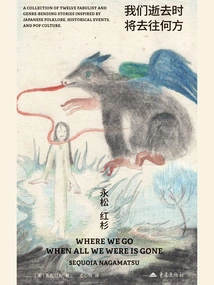
Where Will We Go When We Pass Away?
General Fiction我们逝去时将去往何方
(us) Yongsong Redwood
"Where We Go When We Die" is a collection of short stories that integrates mythology, folklore, and pop culture. It explores topics such as death, memory, and rebirth through surreal narratives. The book is composed of twelve stories, including "Return to Monster Island", "The Windlass Head", "Girl Zero", "Induction Training at the Hotel of the Dead" and "Source Co., Ltd.". Each story is like a prism, reflecting the struggle and redemption of human beings in loss and obsession. Nagamatsu Sequoia depicts the tenderness in trauma with poetic touches: a mother swallows the afterbirth to connect with her dead baby, a snow baby experiences a short life in melting, and dancers fight against institutional oblivion in a collective carnival... These characters are not heroes, but ordinary people torn apart by fate, but persistently searching for meaning in bizarre situations. This book is not only an allegorical reflection on Japan's disaster culture, but also a mourning and tribute to "lost things" - how we coexist with loss, how to rebuild connections after destruction, and how to re-understand our own humanity in the face of monsters, ghosts and aliens.
"Where We Go When We Die" is a collection of short stories that integrates mythology, folklore, and pop culture. It explores topics such as death, memory, and rebirth through surreal narratives. The book is composed of twelve stories, including "Return to Monster Island", "The Windlass Head", "Girl Zero", "Induction Training at the Hotel of the Dead" and "Source Co., Ltd.". Each story is like a prism, reflecting the struggle and redemption of human beings in loss and obsession. Nagamatsu Sequoia depicts the tenderness in trauma with poetic touches: a mother swallows the afterbirth to connect with her dead baby, a snow baby experiences a short life in melting, and dancers fight against institutional oblivion in a collective carnival... These characters are not heroes, but ordinary people torn apart by fate, but persistently searching for meaning in bizarre situations. This book is not only an allegorical reflection on Japan's disaster culture, but also a mourning and tribute to "lost things" - how we coexist with loss, how to rebuild connections after destruction, and how to re-understand our own humanity in the face of monsters, ghosts and aliens.