Library
Browse and search books
1 novel found
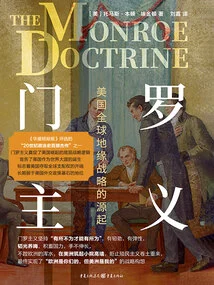
门罗主义: 美国全球地缘战略的源起
(us) Thomas Benton Edgington
The "Monroe Doctrine" of the United States originated from the "non-interference principle" proposed by Washington. Since its birth in the early 19th century, it has gradually become the most important global strategy of the United States and has profoundly shaped the modern international political landscape. This book starts from the international background of the Monroe Doctrine - the European powers' attempts to rebuild Latin American colonies after the Napoleonic Wars, the Latin American War of Independence and the anti-colonial struggles of various countries after independence, and the United States' commitment to making Latin America a sphere of influence that no other country can interfere with. It focuses on the relationship between the United States and European powers. Strengthening the diplomatic relations among Latin American countries, with the goal of safeguarding the global interests of the United States, assisting the strategic rise of the United States, and establishing the United States' hegemony in the Western Hemisphere, it elaborates on the historical context and realistic basis of the Monroe Doctrine becoming the cornerstone of U. S. Foreign policy before World War II in diplomatic practices and conflicts.
The "Monroe Doctrine" of the United States originated from the "non-interference principle" proposed by Washington. Since its birth in the early 19th century, it has gradually become the most important global strategy of the United States and has profoundly shaped the modern international political landscape. This book starts from the international background of the Monroe Doctrine - the European powers' attempts to rebuild Latin American colonies after the Napoleonic Wars, the Latin American War of Independence and the anti-colonial struggles of various countries after independence, and the United States' commitment to making Latin America a sphere of influence that no other country can interfere with. It focuses on the relationship between the United States and European powers. Strengthening the diplomatic relations among Latin American countries, with the goal of safeguarding the global interests of the United States, assisting the strategic rise of the United States, and establishing the United States' hegemony in the Western Hemisphere, it elaborates on the historical context and realistic basis of the Monroe Doctrine becoming the cornerstone of U. S. Foreign policy before World War II in diplomatic practices and conflicts.