Library
Browse and search novels
1 novel found
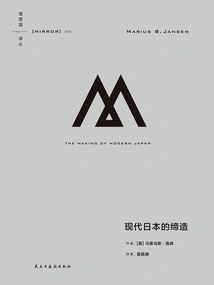
现代日本的缔造(理性国译丛66)
(us) Marius Janssen
What is "modern Japan"? What is its budding and development history? Is each node unique or resonant? How did Japan evolve from a fragmented land of warring heroes to the world's second largest economy at the end of the 20th century? This is a masterpiece of Japanese history spanning four centuries, starting from the Battle of Sekigahara in 1600 and ending at the end of the 20th century. Marius Jensen, honorary professor at Princeton University and editor-in-chief of "Cambridge History of Japan", takes the formation and development of the modern country as a clue, leading readers through the Edo, Meiji, Showa, and Heisei eras, exploring Japan's politics and economy, thought and culture, military and diplomacy, and revealing how modern Japan was born amidst change, struggle, and innovation. The establishment of the powerful rule of the Tokugawa shogunate, Brigadier General Perry's forced opening of Japan's ports, and Japan's defeat in World War II. These three events initiated three periods of painful and dramatic changes in Japanese history. The author accurately captures the key figures and important events during this period. From being forced to open the country, to proactively seeking innovation and change, to crazy external expansion, these behaviors are all the result of the game of various forces and the collision of different ideological trends in the international community and Japan. This broad-scope and all-encompassing work also presents Japan's literature and art, social scene, and people's lives. As an indispensable part of history, they also make the book's narrative more interesting and humane.
What is "modern Japan"? What is its budding and development history? Is each node unique or resonant? How did Japan evolve from a fragmented land of warring heroes to the world's second largest economy at the end of the 20th century? This is a masterpiece of Japanese history spanning four centuries, starting from the Battle of Sekigahara in 1600 and ending at the end of the 20th century. Marius Jensen, honorary professor at Princeton University and editor-in-chief of "Cambridge History of Japan", takes the formation and development of the modern country as a clue, leading readers through the Edo, Meiji, Showa, and Heisei eras, exploring Japan's politics and economy, thought and culture, military and diplomacy, and revealing how modern Japan was born amidst change, struggle, and innovation. The establishment of the powerful rule of the Tokugawa shogunate, Brigadier General Perry's forced opening of Japan's ports, and Japan's defeat in World War II. These three events initiated three periods of painful and dramatic changes in Japanese history. The author accurately captures the key figures and important events during this period. From being forced to open the country, to proactively seeking innovation and change, to crazy external expansion, these behaviors are all the result of the game of various forces and the collision of different ideological trends in the international community and Japan. This broad-scope and all-encompassing work also presents Japan's literature and art, social scene, and people's lives. As an indispensable part of history, they also make the book's narrative more interesting and humane.