Library
Browse and search books
1 novel found
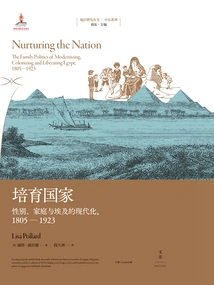
培育国家:性别、家庭与埃及的现代化,1805—1923
(us) Lisa Pollard
A well-known work on the history of modern Egypt and a must-read for Middle Eastern studies. From the boudoir to the revolutionary tide, from family reform to national liberation, we examine the dual discourses of the colonizers and the colonized, and re-examine the origins of the Egyptian independence movement and the cultivation of the modern nation. How do urban architecture, residential environment, and lifestyle connect families and social modernization? What kind of national imagination did it inspire, and how did it influence colonial policy? How can Britain beautify the occupation of a polygamous family and a sensual royal family with moral politics? What practices did local elites use to respond to domestication? Women who devoted themselves to the struggle for independence and "browed" the new country could only be trapped in their families again after the revolution. Why did the conceptual welcome of women's liberation eventually turn into abandonment in the political field? This book uses gender and family as perspectives to rethink the origins of Egyptian nationalism and the 1919 revolution by establishing the connection between social changes in class and family structures and British colonial rule.
A well-known work on the history of modern Egypt and a must-read for Middle Eastern studies. From the boudoir to the revolutionary tide, from family reform to national liberation, we examine the dual discourses of the colonizers and the colonized, and re-examine the origins of the Egyptian independence movement and the cultivation of the modern nation. How do urban architecture, residential environment, and lifestyle connect families and social modernization? What kind of national imagination did it inspire, and how did it influence colonial policy? How can Britain beautify the occupation of a polygamous family and a sensual royal family with moral politics? What practices did local elites use to respond to domestication? Women who devoted themselves to the struggle for independence and "browed" the new country could only be trapped in their families again after the revolution. Why did the conceptual welcome of women's liberation eventually turn into abandonment in the political field? This book uses gender and family as perspectives to rethink the origins of Egyptian nationalism and the 1919 revolution by establishing the connection between social changes in class and family structures and British colonial rule.