Library
Browse and search books
1 novel found
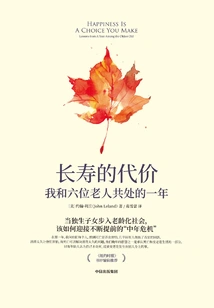
长寿的代价:我和六位老人共处的一年
(us) John Leland
"During that year, I asked each of them whether they had thought about death and whether the thought frightened them. Nearly all answered the second question in the negative. Living too long frightened them; death could solve the problem of living too long. One of their later years of wisdom was to acknowledge that death and growing old are part of life. Only young people think that they will not die, or that growing old is something that happens to others." - John Leland If you live long enough, everyone will one day become an old man. The 21st century has entered the era of longevity, and we have also entered an aging society. So what does getting older mean to us? What price do we have to pay for longevity? Veteran New York Times reporter John Leland has just ended his marriage. His father has died long ago, and now he has to care for his elderly mother alone. He gradually discovered some problems unique to the elderly and getting along with the elderly, so he tracked and personally interviewed six elderly New Yorkers with a series of questions for a full year. He was 57 years old at the time of the interview, and his interviewees were all over 85, a rapidly growing age group in the United States. All old people have lost something: mobility, vision, hearing, spouse, children, companions, memory. How do they spend their day from the moment they wake up until they go to bed, and what do they expect for tomorrow? How do they cope with medication issues, children, and changing physical states? They lose their abilities just as quickly as they once gained them. Is there such a threshold, after crossing it, the value of life is lost one by one? John chose a topic that most people are unwilling to talk about and face - how the elderly slowly age and die. Even if the country's pension system is very complete, there are still many elderly people who cannot die a good death. None of these six old people can say "tomorrow will be better" anymore. Tomorrow means further decline in mind and body, less control over life, and fewer friends and loved ones. Whatever health problem they had-diabetes, forgetfulness, heart disease, smoggy eyes, or hearing loss-it just kept getting worse. In the book, John faithfully records the living conditions of the elderly with the vivid writing style of a reporter, focusing on topics including the health of the elderly, the difficulties of old age, the loneliness of the elderly, the dilemma of living alone, the security of elderly care, the system setting of nursing homes, the limitations of medical care, the meaning of living wills, emotions and conflicts with spouses and children, and how to live an independent, happy and dignified aging life. Today, as aging and low birthrates become increasingly serious, this book is of extremely important value and reference significance to us.
"During that year, I asked each of them whether they had thought about death and whether the thought frightened them. Nearly all answered the second question in the negative. Living too long frightened them; death could solve the problem of living too long. One of their later years of wisdom was to acknowledge that death and growing old are part of life. Only young people think that they will not die, or that growing old is something that happens to others." - John Leland If you live long enough, everyone will one day become an old man. The 21st century has entered the era of longevity, and we have also entered an aging society. So what does getting older mean to us? What price do we have to pay for longevity? Veteran New York Times reporter John Leland has just ended his marriage. His father has died long ago, and now he has to care for his elderly mother alone. He gradually discovered some problems unique to the elderly and getting along with the elderly, so he tracked and personally interviewed six elderly New Yorkers with a series of questions for a full year. He was 57 years old at the time of the interview, and his interviewees were all over 85, a rapidly growing age group in the United States. All old people have lost something: mobility, vision, hearing, spouse, children, companions, memory. How do they spend their day from the moment they wake up until they go to bed, and what do they expect for tomorrow? How do they cope with medication issues, children, and changing physical states? They lose their abilities just as quickly as they once gained them. Is there such a threshold, after crossing it, the value of life is lost one by one? John chose a topic that most people are unwilling to talk about and face - how the elderly slowly age and die. Even if the country's pension system is very complete, there are still many elderly people who cannot die a good death. None of these six old people can say "tomorrow will be better" anymore. Tomorrow means further decline in mind and body, less control over life, and fewer friends and loved ones. Whatever health problem they had-diabetes, forgetfulness, heart disease, smoggy eyes, or hearing loss-it just kept getting worse. In the book, John faithfully records the living conditions of the elderly with the vivid writing style of a reporter, focusing on topics including the health of the elderly, the difficulties of old age, the loneliness of the elderly, the dilemma of living alone, the security of elderly care, the system setting of nursing homes, the limitations of medical care, the meaning of living wills, emotions and conflicts with spouses and children, and how to live an independent, happy and dignified aging life. Today, as aging and low birthrates become increasingly serious, this book is of extremely important value and reference significance to us.