Library
Browse and search books
1 novel found
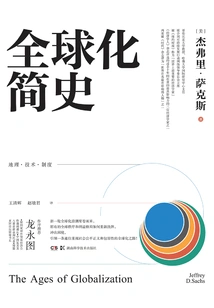
全球化简史
(us) Jeffrey Sachs
"Globalization" is not a new concept. Since modern humans began to spread from Africa about 70,000 years ago, one species has been globalizing. So far, we have experienced seven eras of globalization. The history of globalization is a history of glorious human achievements, cruelty and self-inflicted harm. It is also a magnificent and complex history of progress in crisis. This book comprehensively explains the seven eras of globalization, explores the role of geography, technology, and institutions in the emergence and evolution of globalization. It also reveals the long-term experience of global interconnectedness and the impact that globalization has had on shaping our humanity and our lives. In addition, the author also proposes how to use globalization trends to innovate and develop in aspects such as sustainable development, social democracy, subsidies and public spheres, and United Nations reform in the 21st century. Throughout history, it is also important to understand the threats posed by globalization such as disease, conquest, war, financial crises, etc. We need to face them and control the negative effects of global interconnections through international cooperation rather than cutting off the benefits of globalization. This requires a new form of global cooperation, which is one of the most important themes of this book.
"Globalization" is not a new concept. Since modern humans began to spread from Africa about 70,000 years ago, one species has been globalizing. So far, we have experienced seven eras of globalization. The history of globalization is a history of glorious human achievements, cruelty and self-inflicted harm. It is also a magnificent and complex history of progress in crisis. This book comprehensively explains the seven eras of globalization, explores the role of geography, technology, and institutions in the emergence and evolution of globalization. It also reveals the long-term experience of global interconnectedness and the impact that globalization has had on shaping our humanity and our lives. In addition, the author also proposes how to use globalization trends to innovate and develop in aspects such as sustainable development, social democracy, subsidies and public spheres, and United Nations reform in the 21st century. Throughout history, it is also important to understand the threats posed by globalization such as disease, conquest, war, financial crises, etc. We need to face them and control the negative effects of global interconnections through international cooperation rather than cutting off the benefits of globalization. This requires a new form of global cooperation, which is one of the most important themes of this book.