Library
Browse and search books
1 novel found
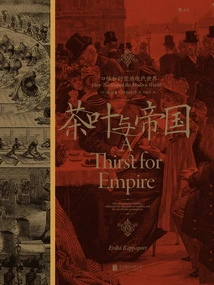
茶叶与帝国:口味如何塑造现代世界
(us) Erica Rapaport
Tea has always been one of the most popular commodities in the world. Over the centuries, profits from growing and selling tea funded wars and fueled colonial activities, while tea cultivation also brought about dramatic changes in land use, labor systems, market operations, and social hierarchies that are still present today. This book provides an in-depth historical look at how men and women changed global tastes and habits through the tea industry in Europe, Asia, North America, and Africa. Author Erica Rappaport points out in this book that from the 17th to the 20th century, the borders of the tea industry and the British Empire overlapped, but were never completely aligned. She also highlights the economic, political, and cultural forces that enabled the British Empire to dominate, but never fully control, the production, trade, and consumption of tea worldwide. She also delves into how Europeans embraced, appropriated, and transformed Chinese tea culture to create widespread demand for tea in Britain and other global markets, and to establish plantation economies in South Asia and Africa. The tea industry was one of the first colonial industries, with merchants, growers, promoters and retailers using imperial resources to pay for global advertising and political lobbying. Tea inspired business models that still exist today and are critical to understanding how politics and propaganda influence international economies.
Tea has always been one of the most popular commodities in the world. Over the centuries, profits from growing and selling tea funded wars and fueled colonial activities, while tea cultivation also brought about dramatic changes in land use, labor systems, market operations, and social hierarchies that are still present today. This book provides an in-depth historical look at how men and women changed global tastes and habits through the tea industry in Europe, Asia, North America, and Africa. Author Erica Rappaport points out in this book that from the 17th to the 20th century, the borders of the tea industry and the British Empire overlapped, but were never completely aligned. She also highlights the economic, political, and cultural forces that enabled the British Empire to dominate, but never fully control, the production, trade, and consumption of tea worldwide. She also delves into how Europeans embraced, appropriated, and transformed Chinese tea culture to create widespread demand for tea in Britain and other global markets, and to establish plantation economies in South Asia and Africa. The tea industry was one of the first colonial industries, with merchants, growers, promoters and retailers using imperial resources to pay for global advertising and political lobbying. Tea inspired business models that still exist today and are critical to understanding how politics and propaganda influence international economies.