Library
Browse and search books
1 novel found
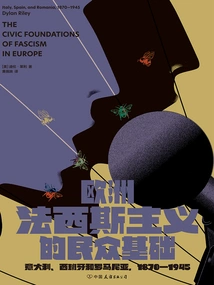
欧洲法西斯主义的民众基础:意大利、西班牙和罗马尼亚,1870—1945
(us) Dylan Riley
Drawing on three cases from Italy, Spain, and Romania, Dylan Riley reconceptualizes the nature and origins of fascism in interwar Europe through brilliant comparative history and political science. From the late 19th century to the First World War, voluntary associations flourished across Europe, especially among rural non-elite groups. But this development of "civil society" did not give rise to liberal democracy in Italy, Spain, and Romania. Instead, Riley finds that it undermined the nascent liberal regimes in these countries in specific contexts and became a central driving force in the rise of fascism. Riley convincingly challenged the famous "Tocqueville thesis" (that a strong civil society will inevitably lead to the development of liberal democracy), introduced Gramsci's theory of cultural hegemony, and made landmark theoretical and empirical research contributions to our understanding of fascism and the relationship between civil society and political institutions.
Drawing on three cases from Italy, Spain, and Romania, Dylan Riley reconceptualizes the nature and origins of fascism in interwar Europe through brilliant comparative history and political science. From the late 19th century to the First World War, voluntary associations flourished across Europe, especially among rural non-elite groups. But this development of "civil society" did not give rise to liberal democracy in Italy, Spain, and Romania. Instead, Riley finds that it undermined the nascent liberal regimes in these countries in specific contexts and became a central driving force in the rise of fascism. Riley convincingly challenged the famous "Tocqueville thesis" (that a strong civil society will inevitably lead to the development of liberal democracy), introduced Gramsci's theory of cultural hegemony, and made landmark theoretical and empirical research contributions to our understanding of fascism and the relationship between civil society and political institutions.